Exactly What Every Single Leg Exercise Machine Actually Does
I remember walking into my first big-box gym a decade ago and staring at the leg day floor like it was a cockpit of a 747. There were levers, pulleys, and padded seats everywhere, and half the leg exercise machine options didn't even have labels. I spent twenty minutes doing weird, half-hearted presses on a machine that turned out to be for lower back extensions. It was embarrassing, and honestly, a waste of a workout.
You don’t need to be a biomechanics expert to get a good pump, but you should know what you’re sitting on. Most leg machines at the gym fall into two categories: the heavy hitters that build raw mass and the isolation tools that polish the muscle. If you’re tired of guessing which lever does what, this is your field guide to the iron jungle.
- Compound Machines: These are your mass builders like the Leg Press and Hack Squat.
- Isolation Stations: These target single muscles, usually the quads or hamstrings.
- Stability over Balance: Machines allow you to push closer to failure because you don't have to balance a barbell.
- Setup Matters: Most people fail because they don't adjust the seat height or backrest to fit their frame.
The Big Three: Machines That Actually Build Mass
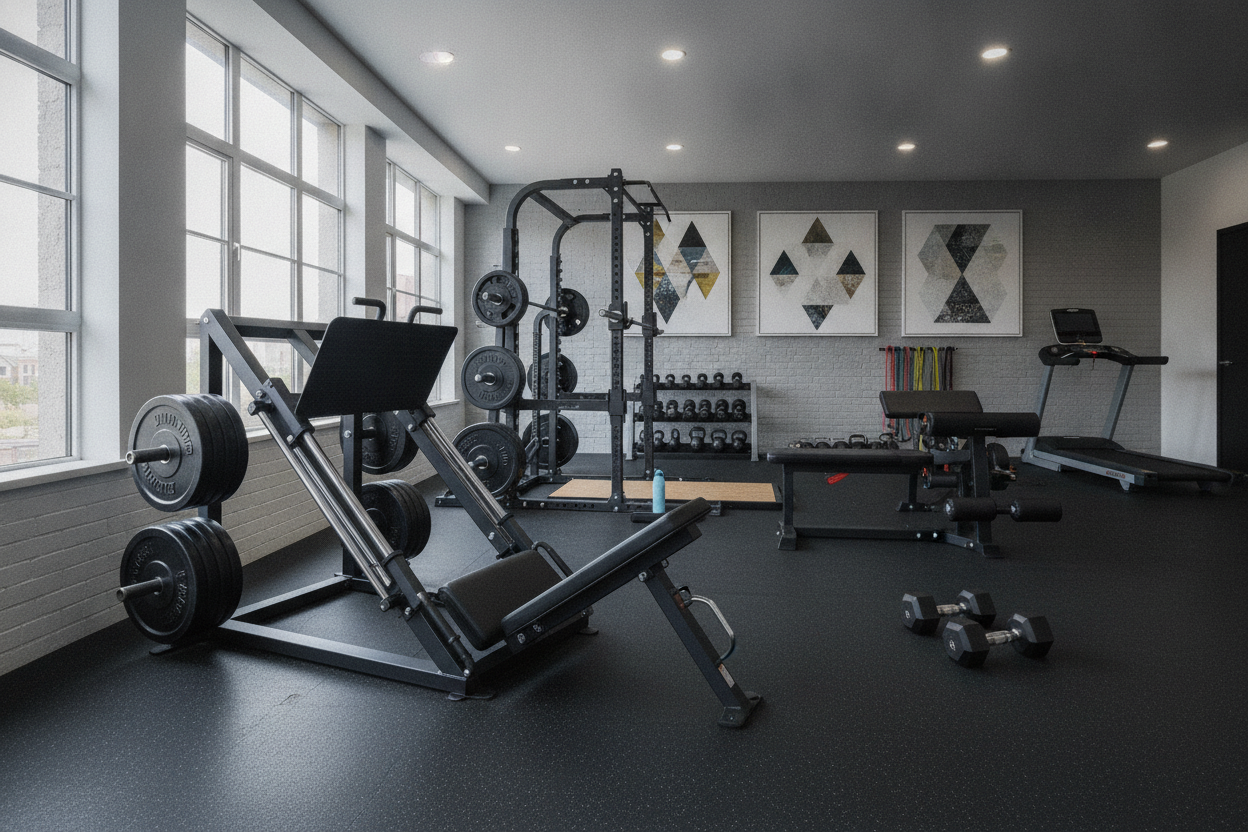
If you want to grow, you need to move heavy weight through a long range of motion. The 45-degree leg press is the king of workout machine for legs options. It lets you load up plates without worrying about your lower back giving out before your quads do. I’ve seen guys move 800 pounds on these, but the real growth happens when you lower the weight slowly and get a deep stretch.
The Hack Squat and Pendulum Squat are the next level. A Hack Squat fixes your torso in place, removing the 'fold' at the hips and forcing your quads to do 90% of the work. If you are looking to build a serious home setup, investing in a commercial-grade leg machine like a Hack Squat/Leg Press combo is the single best move you can make for your lower body. These leg day machines are the gold standard for hypertrophy because they provide absolute stability.
Isolation Stations: Quads and Hamstrings Explained
Once you’ve done your heavy pressing, you move to the leg exercise gym machines designed for detail. The Leg Extension is that seat where you kick your shins up. It’s the only way to fully shorten the rectus femoris (the middle quad muscle). I’ve found that higher reps—around 15 to 20—work best here to avoid that 'clicking' feeling in the kneecaps.
For the back of the legs, you’re looking for a hamstring machine name like the Lying Leg Curl or Seated Leg Curl. The seated version actually puts the hamstrings in a more stretched position, which research suggests is better for growth. If you're building a garage gym and space is tight, a dedicated leg curl machine is a luxury, but it beats trying to squeeze a dumbbell between your feet on a flat bench any day.
The Glute and Inner Thigh Contraptions
We need to talk about the 'Yes/No' machine—the Hip Abductor and Adductor. Many lifters skip these because they look 'soft,' but the adductor (inner thigh) makes up a massive portion of your leg's total mass. Strengthening these also keeps your knees from caving in during heavy squats. It’s a functional leg workout machine, even if it feels a bit awkward to use in a crowded gym.
Then there are the glute kickback machines. Honestly? Most of these are over-engineered. You can get 90% of the benefit with a cable stack or a heavy band. Unless your gym has a high-end plate-loaded glute drive, you’re usually better off sticking to RDLs or lunges for your posterior chain. Don't fall for the influencer hype on every single lower body machines variant you see on Instagram.
What to Prioritize If You Train at Home
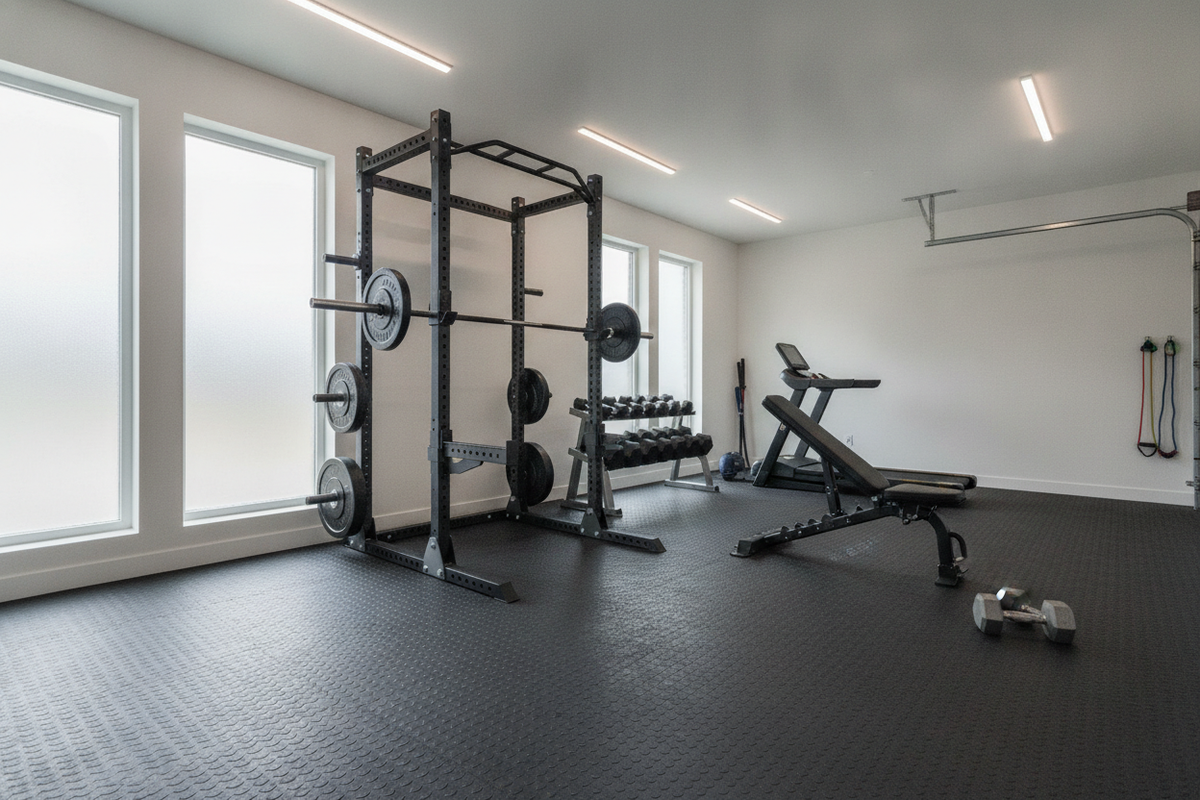
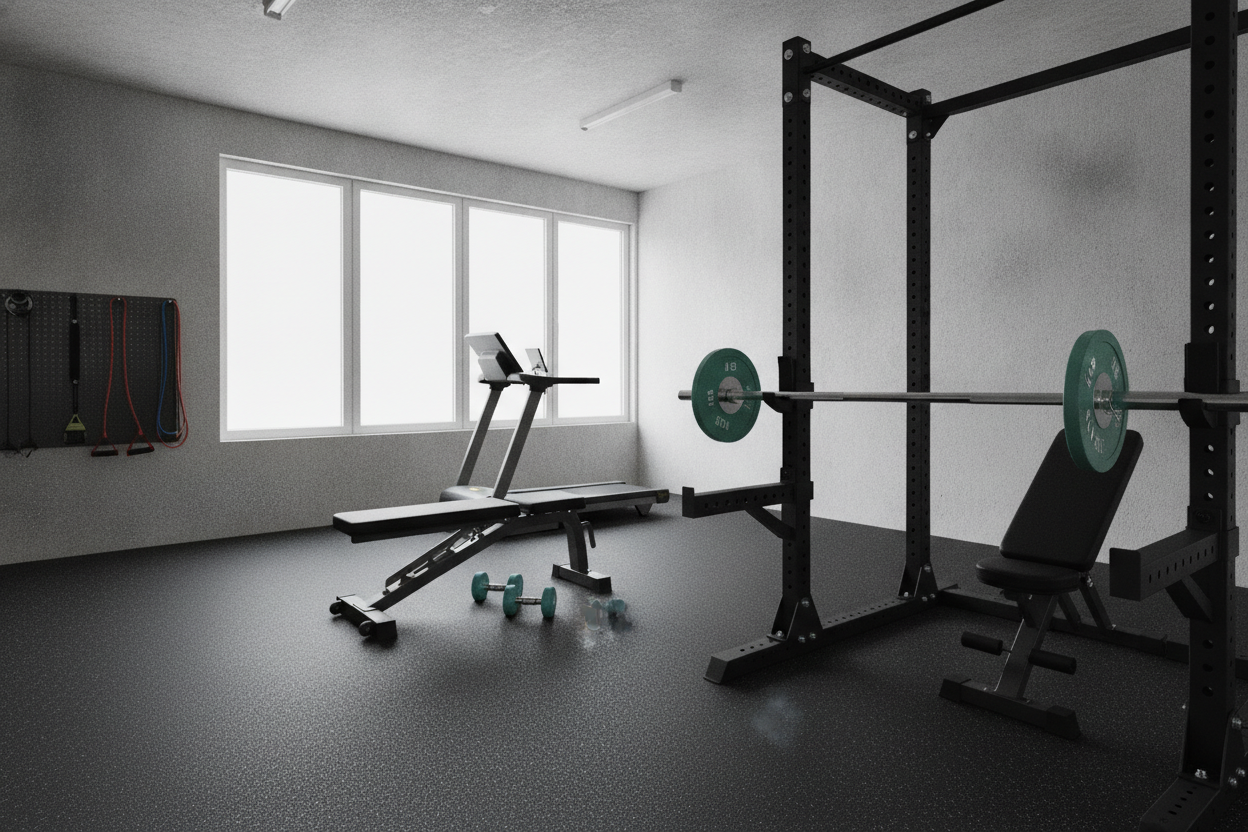
You don't need a 5,000-square-foot facility to get a killer leg day. If you’re training in a garage, you can replicate almost every leg workout machine name with basic tools. Floor-based movements like Nordic curls and sissy squats are brutal and effective. I often tell people to start with a thick exercise mat for floor work and a set of resistance bands.
You can mimic a leg press by doing heavy Bulgarian split squats. You can mimic a leg curl by doing floor slides with your heels. The types of leg workout machines matter less than the tension you put on the muscle. Don't let a lack of fancy equipment be an excuse for small legs.
Still Confused by All the Names?
The world of gym leg equipment names is messy because every brand wants to call their machine something 'revolutionary.' Just remember: if you're pushing away, it's a press; if you're curling in, it's for hamstrings; and if you're kicking out, it's for quads. If you want a full breakdown of every brand-specific names of gym equipment for legs, check out our encyclopedia guide. Stick to the basics, move heavy weight, and don't skip the machines that make you want to quit halfway through the set.
If you want to dive deeper into the specific terminology, check out this guide on names of gym equipment for legs to master the gym floor.
How do I know which leg machine to use first?
Always start with the biggest, heaviest machine first—usually the Leg Press or Hack Squat. You want your maximum energy available for the movements that allow for the most weight. Save the isolation curls and extensions for the end of the session.
Are leg machines safer than free weights?
They aren't 'safer' in a vacuum, but they are more stable. Machines take the balance out of the equation, which reduces the risk of falling or losing control of a barbell. However, you can still get injured if you use a range of motion your joints aren't ready for.
Can I build big legs with only machines?
Absolutely. Some of the greatest bodybuilders in history, like Dorian Yates, relied heavily on machines. Because machines provide constant tension and stability, they are arguably better for pure muscle growth than free weights for many people.