Stop Guessing Your Barbell Beginner Weight (Do This Instead)
I remember the first time I tried to deadlift in my drafty garage. I saw a guy on YouTube casually rip 405 off the floor and thought, 'How hard can 135 be?' I slapped two 45-pound plates on the bar and nearly turned my spine into a question mark. Finding your barbell beginner weight isn't about what you think you should lift; it's about what you can actually move with precision.
- The standard Olympic barbell weighs 45 lbs—respect it before adding plates.
- Mastering form with an empty bar is the best barbell weight for beginners starting upper body work.
- Use 'micro-loading' with 2.5 lb or 5 lb plates rather than jumping straight to 25s.
- Prioritize quality iron or bumpers over cheap, cast-off weights that ruin your gear.
Why Everyone Gets Their Starting Load Completely Wrong
The biggest mistake I see in new garage gym owners is ego-loading. You want to look like you're training, so you skip the empty bar and go straight for the big plates. This is a fast track to a physical therapy bill. Establishing your starting load requires you to check your ego at the garage door and focus entirely on how the movement feels in your joints.
If your knees are caving on a squat or your back is rounding on a row, the bar is too heavy. For some, even a 45-lb bar is too much of a jump. If you're struggling to keep the bar level, you might need a beginners weight workout using dumbbells or kettlebells to build the stabilizer muscles before you ever touch a barbell.
Newsflash: The Empty Bar Is Already Heavy
A standard Olympic barbell weighs 45 pounds. For a lot of people, that is plenty of resistance for an overhead press or a bench press on day one. I've coached athletes who thought they were 'too strong' for the empty bar, only to realize they couldn't balance it once it was over their throat. The empty bar is the gold standard barbell weight for beginners because it allows you to find your 'groove' without the risk of being pinned.
Don't be embarrassed to spend your first two weeks just moving the bar. If you can't do 10 perfect reps with the empty bar, you have no business putting weight on the sleeves. Period.
How to Safely Test Your Baseline Working Weight
Once the empty bar feels light—meaning you aren't shaking and the bar path is a straight line—it's time to find your 'Working Weight.' I use the RPE (Rate of Perceived Exertion) scale. You want to find a weight that feels like a 6 or 7 out of 10. It should be challenging, but you should finish every set feeling like you could have done three more reps with perfect form.
Start by adding the smallest plates you have. Slide on a pair of 5s. Do five reps. Still easy? Swap them for 10s. The goal isn't to find your max; it's to find a weight where you can build a foundation. If you jump straight to 25s, you miss the subtle feedback your body gives you about where your form is breaking down.
The Plate Math: What to Actually Buy for Your First Setup
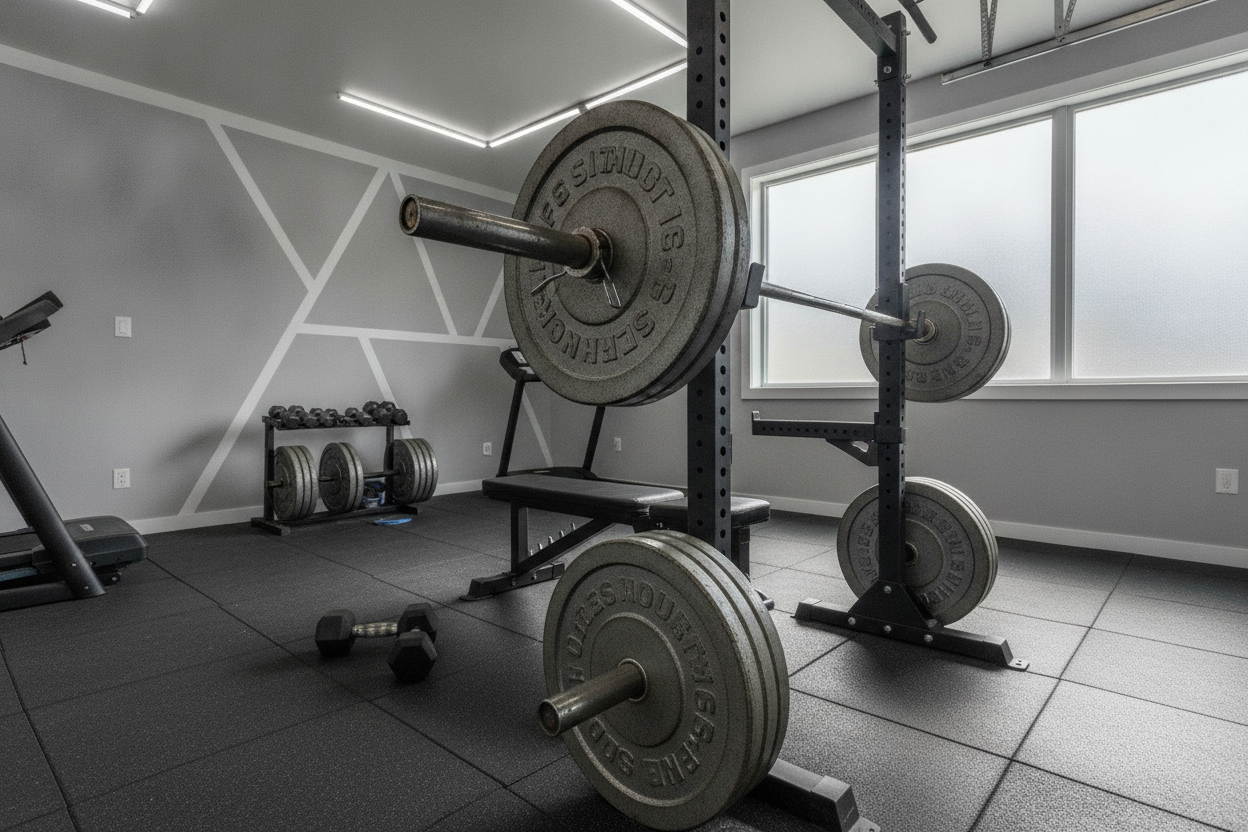
When you're ready to buy, don't just grab the cheapest Craigslist find you see. I've made the mistake of buying 'bargain' iron that was so poorly cast the center holes were jagged. I actually wrong weights for weight lifting by using plates that chewed up the zinc finish on my barbell sleeves. It’s a painful lesson to learn when your $300 bar starts rusting because you saved $20 on plates.
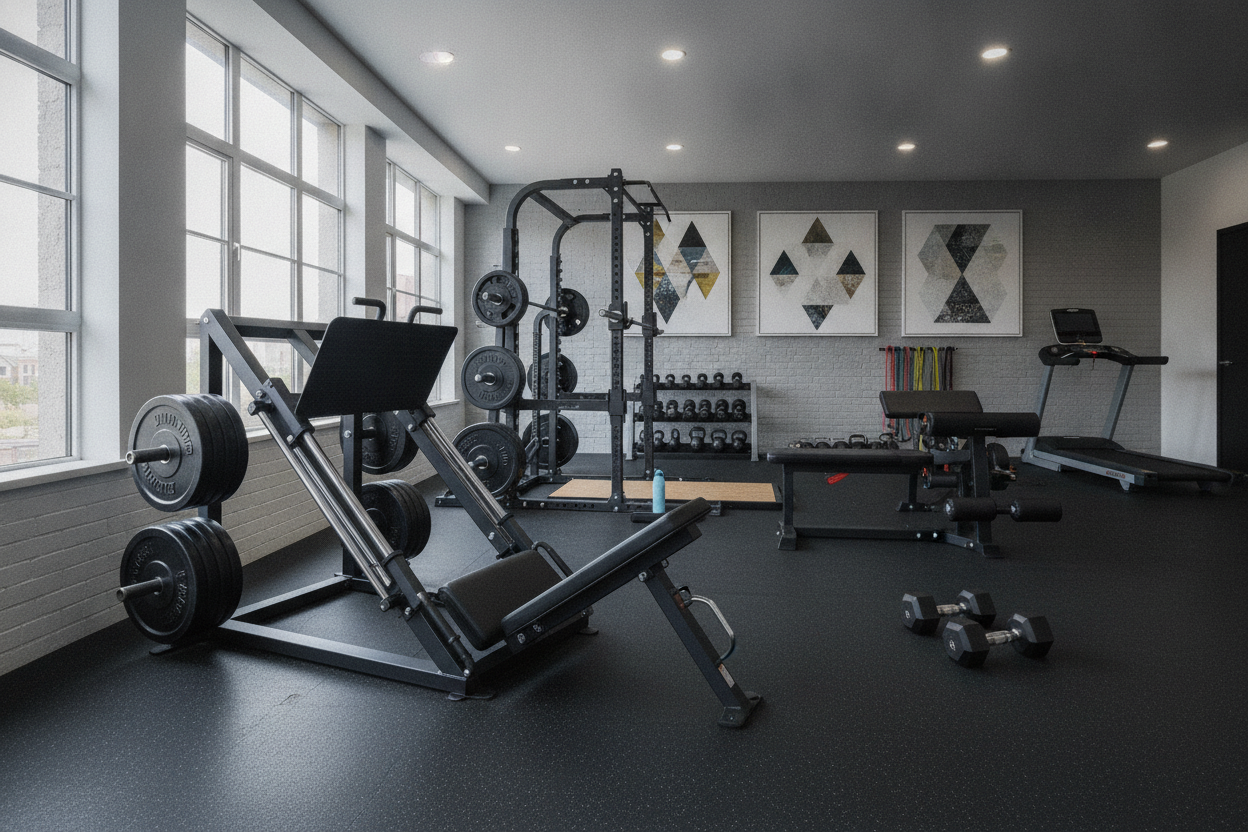
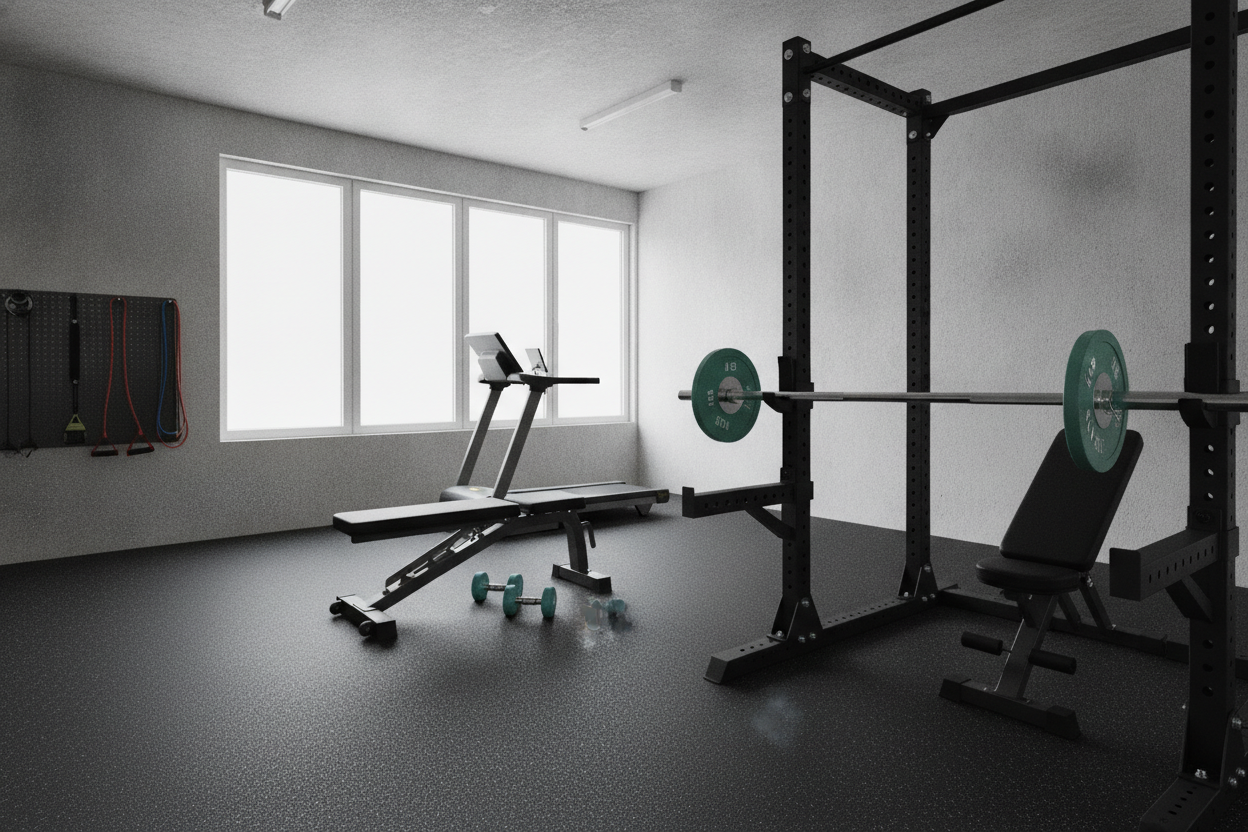
For a solid start, I recommend a mix: a pair of 45s, 25s, 10s, 5s, and 2.5s. This gives you every increment you need to progress slowly. If you're starting from scratch and want to avoid the headache of piecing it together, a power rack weight bench barbell package is usually the smartest move. It ensures your rack, bar, and bench are all rated for the same weight capacities so you don't outgrow your gear in six months.
Exactly When You Should Add More Iron
You’ve found your starting weight. Now what? You follow 'Linear Progression.' If you did 3 sets of 5 reps at 95 lbs on Monday and it felt like a 6/10, you add 5 lbs on Wednesday. That’s it. Don't try to double the weight just because you had a good cup of coffee. Strength is a slow burn, not a sprint.
You’ll know you’re ready for a serious upgrade when you’re consistently hitting your reps and the bar speed stays fast. At that point, you’ll want a full barbell bumper plate set. Bumpers are great because they’re all the same diameter, which keeps the bar at the correct height for deadlifts even when the weight is light, and they won't crack your garage floor when you inevitably have to drop a heavy set.
Personal Experience: The 'One Plate' Trap
Early in my training, I was obsessed with 'The 135.' In the lifting world, a 45 on each side is the first real milestone. I rushed to get there on my overhead press, ignoring the fact that my lower back was arching like a bow to get the weight up. I 'hit' the lift, but I woke up the next day with a pinched nerve that kept me out of the gym for three weeks. If I had just stayed with the 10s and 5s for another month, I would have reached 135 safely. Don't trade three weeks of progress for one rep of ego.
FAQ
Is a 35lb barbell better for beginners?
Technically yes, if you lack the overhead mobility for a 45lb bar. However, most standard plates are designed for 45lb (Olympic) bars. If you buy a 35lb bar, make sure it still has 2-inch sleeves so your plates actually fit.
What if I can't lift the 45lb bar yet?
Use dumbbells or a lighter 'technique bar.' There is no shame in starting with 15lb dumbbells to build the shoulder stability needed for a barbell bench press. The iron doesn't care where you start.
Should I buy iron or bumper plates first?
If you're training in a garage, get bumpers. They are quieter, safer for your floor, and more versatile for lifts like deadlifts and cleans. Iron is cheaper, but the noise and floor damage usually aren't worth the savings.