Don't Search 'Buy Dumbbell Online' Until You Read This
I still remember the look on the delivery driver's face when he backed his truck up to my driveway. He didn't even say hello. He just pointed at the pallet and said, 'You know these boxes are shredded, right?' I had decided to buy dumbbell online from a site that looked legit but clearly didn't understand the physics of shipping 550 pounds of cast iron. By the time the 5-to-50 set reached me, the 'packaging' was mostly just hope and a few strands of packing tape.
Buying dumbbells isn't like buying a pair of socks. If you treat a dumbbell purchase online like a standard Amazon order, you're going to end up with chipped paint, cracked handles, or a shipping bill that costs more than the weights themselves. I’ve spent thousands of dollars testing everything from budget hex weights to premium urethane, and I’ve learned exactly where the traps are hidden.
- Always calculate the price-per-pound after shipping is added to the total.
- Avoid 'no-name' brands on massive marketplaces; they usually have zero quality control on knurling.
- Urethane is better for longevity, but high-quality rubber hex is the sweet spot for most home gyms.
- Check the warranty specifically for 'shipping damage'—it’s the most common time weights break.
The Day the Delivery Driver Hated Me (And Why It Matters)
That first order was a disaster. I thought I'd found the best place to buy dumbbells online because the price was about 90 cents a pound. What I didn't realize was that they were shipping 'parcel' instead of 'freight.' When you order dumbbells online in bulk, they need to be strapped to a pallet. If a company tries to send ten 50-pound boxes via standard ground shipping, those boxes will be tossed, dropped, and dragged across five different sorting facilities.
By the time I dragged those boxes into my garage, two of the dumbbells had handles that were literally bent. The 'dumbbells in online' listings often hide the fact that their packaging is sub-par. If the box isn't double-walled with reinforced inserts, it won't survive the trip. My driver didn't hate me because of the weight—he hated me because he had to handle six leaking boxes of iron that were falling apart in his hands. It was a mess of cardboard and rust before I even got a single rep in.
How Shipping Fees Turn Cheap Iron Into Luxury Goods
Here is the cold, hard truth: iron is heavy, and moving heavy things costs money. Many people looking for hand weights online get lured in by a low sticker price. You see a pair of 45s for $90 and think you're winning. Then you hit the checkout page and see a $120 shipping fee. Suddenly, your 'deal' is costing you over $2.30 a pound. That is a massive markup that kills the value of buying 'cheap' weights.
The best places to buy dumbbells online are usually the ones that offer flat-rate freight shipping once you hit a certain weight threshold. If you’re building a full rack, look for brands that cap shipping at $150 or $200. If you’re just buying a single pair, look for 'free shipping'—but know that the shipping cost is already baked into the price. Compare the total 'landed' cost, not the MSRP. I've seen 'discounted' weights end up being more expensive than premium Rogue or REP sets once the freight was calculated. Don't fall for the low-price bait-and-switch.
Spotting the Dropship Scams and Fake Reviews
If you spend five minutes looking for dumbbells online, you'll see a dozen brands you've never heard of. Most of these are dropshippers. They don't design weights; they just buy the cheapest possible stock from a factory, slap a logo on it, and hope for the best. The biggest red flag? If the knurling looks like it was pressed into soft butter. Bad knurling makes the weights slippery and dangerous once you start sweating. I've used weights where the knurling was so passive it felt like holding a wet piece of PVC pipe.
I always tell people to look at the handle diameter and the shoulder of the bell. Cheap imports often have inconsistent handle thicknesses. When you're choosing the right weights, you want to see a consistent 28mm to 32mm diameter and a secure head-to-handle join. If the reviews all sound like they were written by a bot—'I love these weights for my health journey!'—run the other way. Real lifters talk about the grip, the balance, and whether the rubber smells like a tire fire. Check the weight tolerance too; cheap iron can be off by as much as 10%, meaning your '50-lb' weight might actually be 45 lbs.
Iron vs. Rubber vs. Urethane: What Actually Survives Transit?
What you buy determines how it arrives. Standard cast iron is the cheapest, but it’s prone to chipping. If the delivery guy drops a 70-pound iron bell on your driveway, it might literally crack or chip a piece of the finish off. Rubber hex dumbbells are the standard for a reason—the coating protects your floor and the weight itself. But cheap rubber off-gasses. I once bought a set that made my garage smell like a chemical plant for three months. It was unbearable.
If you have the budget, urethane is the gold standard. It doesn't smell, it doesn't chip, and it's incredibly durable. However, it's a premium that adds up fast. Whatever you choose, remember that once those boxes arrive, you'll need a sturdy adjustable weight bench to actually get a decent workout in. There's nothing worse than having 100-pound bells and a bench that wobbles the second you lay back. Match the quality of your weights to the quality of your support gear so you don't end up on the floor mid-press.
My Blueprint for Sourcing Heavy Iron on the Internet
Before you hit 'complete purchase,' do a quick audit. First, check the return policy. If a dumbbell arrives with a loose head, will the company pay for the return shipping? If they don't, you're stuck with a 50-pound paperweight because shipping it back will cost more than the refund. Second, look for 'verified buyer' photos. Does the knurling look sharp? Is the logo just a sticker that's already peeling off? These details tell you if the company cares about the product or just the profit.
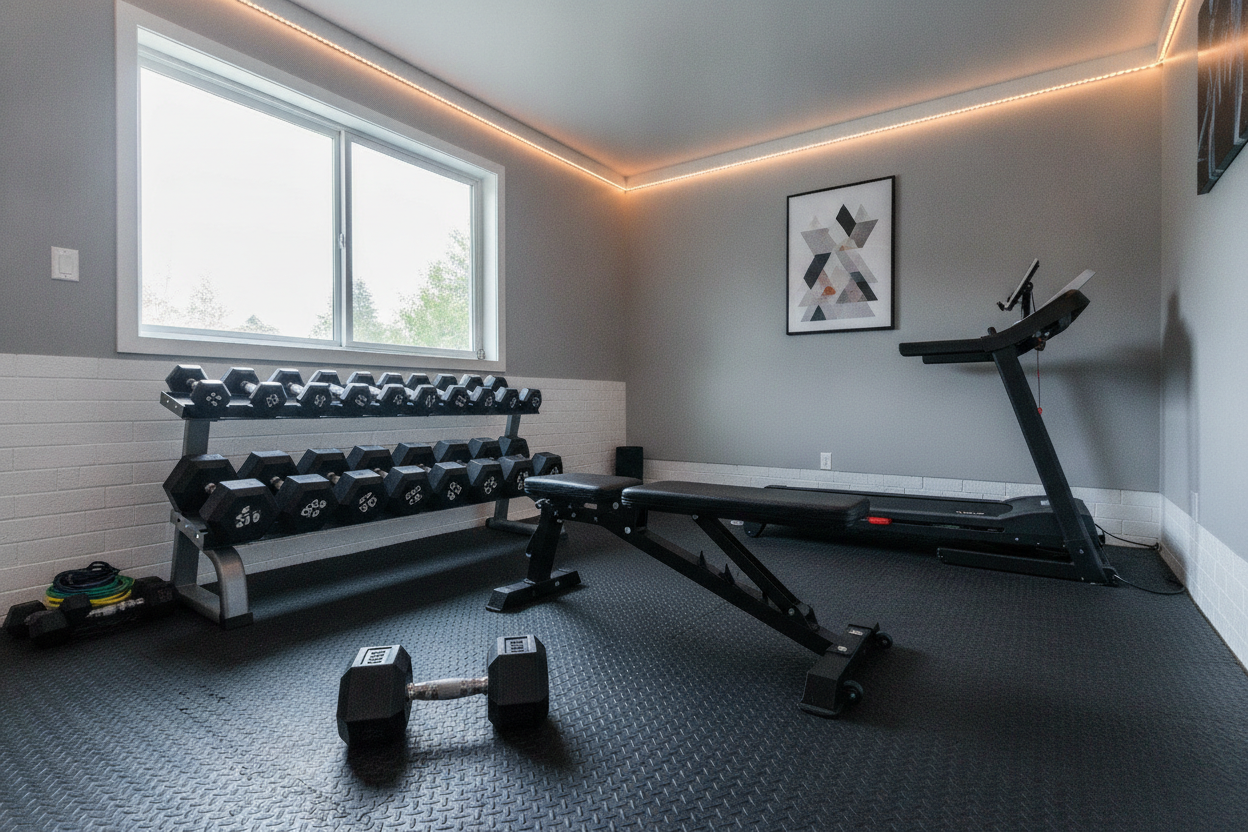
Finally, have a plan for when they arrive. Don't leave them in the driveway. Get them inside, wipe off the factory oil (especially on iron or rubber), and get them off the floor. I actually recommend building or buying a rock-solid DIY dumbbell rack to keep your space organized. A pile of iron on the floor is just a trip hazard waiting to happen. Do your homework, check the landed cost, and you won't end up with a delivery driver who hates your guts or a set of weights that falls apart in a month.
Are adjustable dumbbells better than a full set?
If you're tight on space, yes. A pair of PowerBlocks or Ironmasters replaces a whole rack. But if you have the room, nothing beats the speed of grabbing a fixed dumbbell. Adjustables can be clunky and have a 'break-in' period where the pins feel stiff.
How do I get rid of the 'new rubber' smell?
Wipe them down with a mixture of mild dish soap and water, then leave them in a well-ventilated area (or outside in the sun for a few hours). Just don't leave them in the rain, or you'll be dealing with rust before your first set of curls.
Is 'price per pound' still the best metric?
It's a starting point, but don't let it blind you. I'd rather pay $2.00 a pound for a dumbbell that lasts a lifetime than $1.20 a pound for one with a loose head and a handle that shreds my palms with terrible knurling.