From Rusty Dumbbells to Real Gains: A No-Nonsense Guide to Choosing the Right Weights
Resistance is the non-negotiable currency of physical change. If you want to build muscle, increase density, or simply function better in daily life, you have to move things that are heavy. While cardio has its place, the transformative power of lifting objects against gravity is unmatched. The challenge for most people isn't the desire to change; it's the confusion surrounding the equipment itself. Walking into a store or browsing online for weights for weight lifting can feel overwhelming due to the sheer variety of shapes, materials, and price points available.
Choosing the right tools is about matching your environment to your goals. You don't need a warehouse full of steel to get results, but you do need the right weight training weights that allow for progressive overload. Whether you are outfitting a garage gym or trying to navigate the intimidating racks at a commercial facility, understanding the nuances of these iron tools is the first step toward a better physique.
My First Encounter with Iron
I still remember the first set of weights I ever bought. I was a teenager with a limited budget, and I purchased a plastic, sand-filled vinyl set from a department store. They were bulky, slippery, and the collars constantly loosened, causing the plates to rattle unnervingly during overhead presses. It was a terrible user experience, but it taught me a valuable lesson: the connection between you and the workout weight matters. If the equipment is uncomfortable or feels unsafe, you won't use it. Later, when I finally joined a real facility and got my hands on proper weights gym equipment—machined steel and knurled bars—the difference was night and day. My grip was more secure, my form improved, and consequently, my strength skyrocketed. That transition from cheap plastic to quality iron defined my relationship with strength training.
Deciphering the Different Types of Resistance
Not all heavy objects are created equal. When you are looking for weights to workout with, you generally fall into two camps: fixed weights and adjustable options. Fixed dumbbells, the kind you see lining the walls in commercial gyms, are convenient. You just pick them up and go. However, for a home setup, they take up a massive amount of space and money. This is where adjustable work out weights shine. Systems like selectorized dumbbells or standard spin-lock bars allow you to change the load quickly without needing an entire rack.
There is also a distinction to be made regarding the material. Strength weights used for powerlifting (like bumper plates) are designed to be dropped from a height without destroying your floor. Conversely, standard cast iron plates are great for bodybuilding but can crack if mishandled. If your focus is purely on functional fitness, you might even look at fitness training weights like kettlebells or sandbags, which offer an off-center center of gravity to challenge your stabilizers.
Finding the Correct Load
The most common question beginners ask is, "How much should I lift?" The answer depends entirely on the rep range and the goal. A proper exercise weight is one that allows you to complete your target repetitions with good form but brings you close to failure by the end. If you are aiming for 10 repetitions, the 10th rep should feel like a grind. If you can easily do 15, the weight for exercise selection is too light. If you can't hit 6, it's too heavy.
You need to track this. Your training weights should not remain static. Over weeks and months, you must increase the load, a concept known as progressive overload. If you have been using the same 20-pound dumbbells for a year, your body has no reason to adapt or grow.
Home Gym vs. Commercial Facility
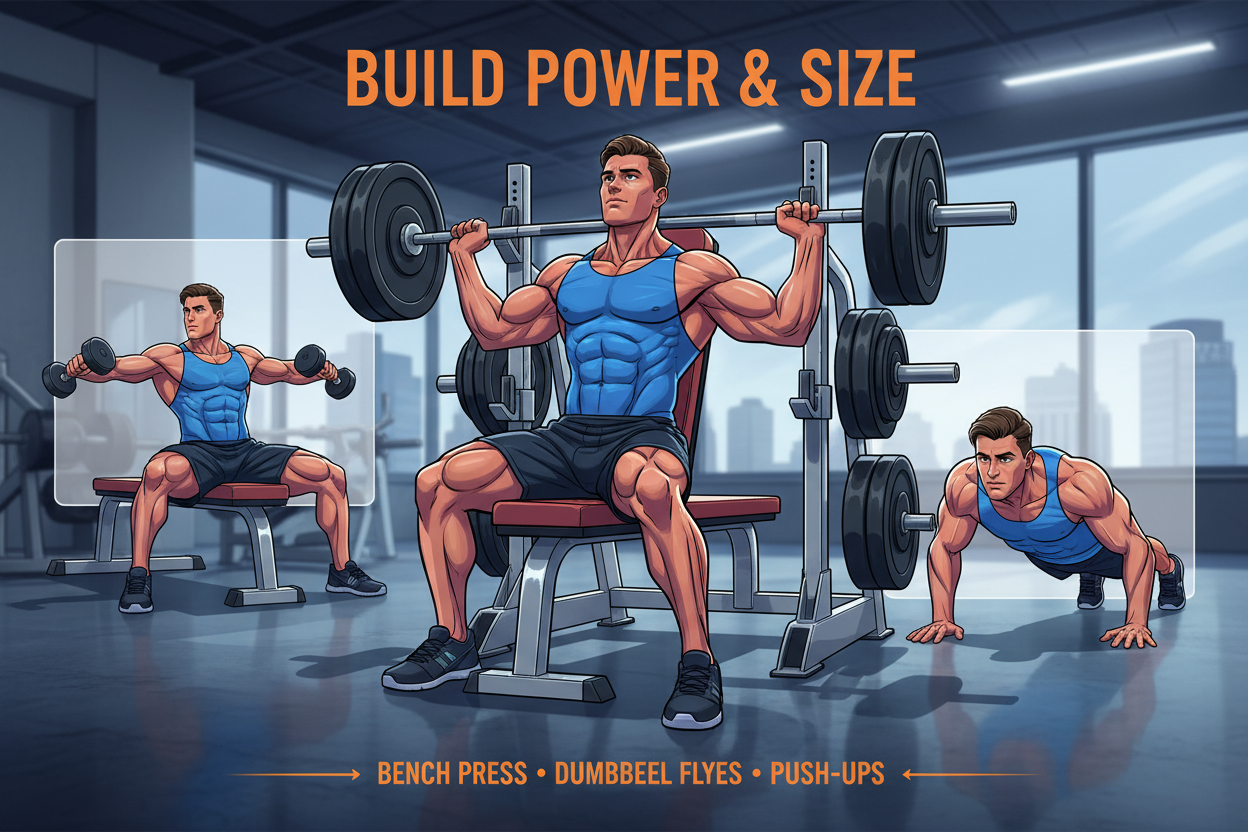
The environment dictates the equipment. Workout gym weights are built to withstand abuse from hundreds of people daily. They are rugged, usually rubber-coated, and have clearly marked numbers. When you train at a gym, you have the luxury of variety. You can switch from weights for workout isolation movements to heavy compound barbell lifts in seconds.
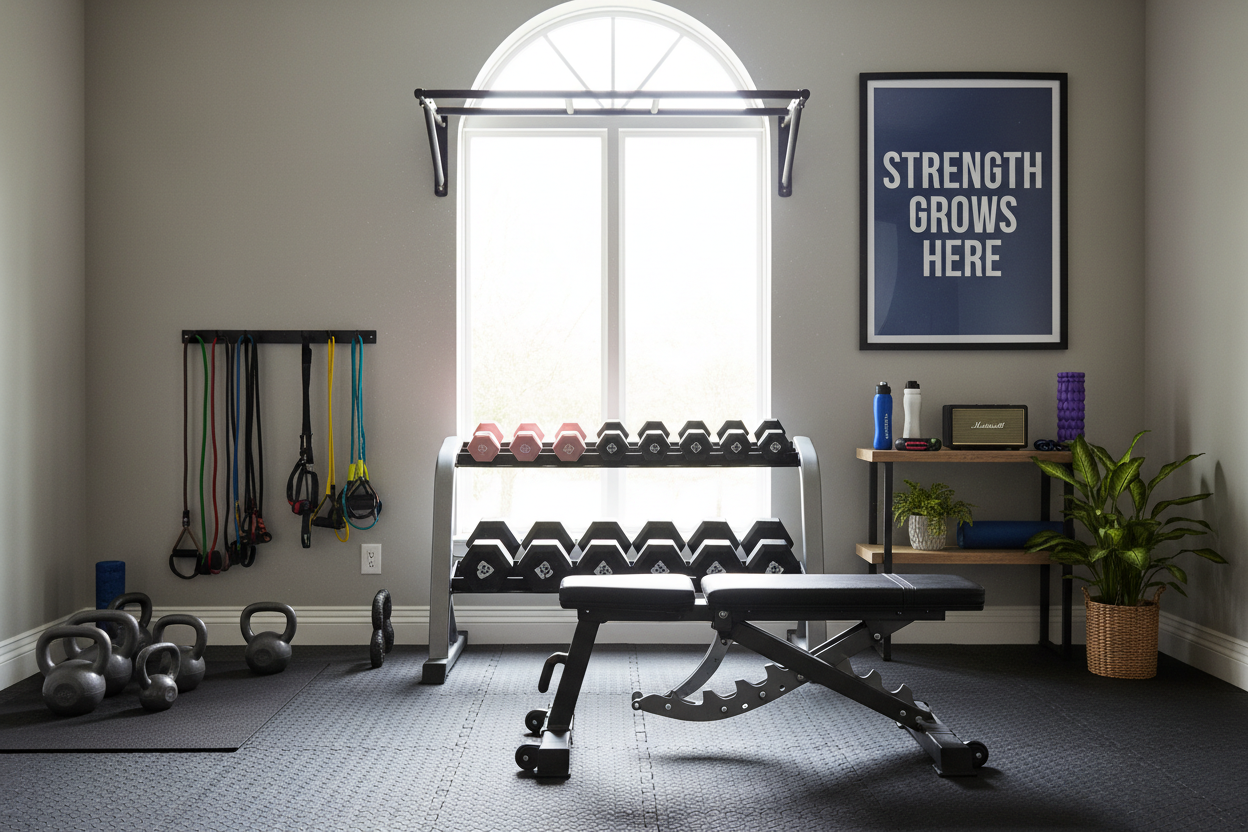
Home training requires more creativity. When you buy weights for work out sessions in your living room or garage, you are often limited by floor space. This is why many people opt for a single barbell and a set of plates, or a high-quality set of adjustable dumbbells. The key is consistency. Having weights to workout accessible at home eliminates the friction of travel time, often leading to better adherence to a program even if the equipment variety is lower.
Integrating Bodyweight and Weighted Calisthenics
We often think of external loads when we discuss lifting, but your own mass is the most accessible tool. However, there comes a point where pushups and pullups become too easy. This is where body weights for training come into play. Weighted vests or dip belts allow you to add external load to bodyweight movements.
This hybrid approach—mixing calisthenics with external load—bridges the gap between weight/fitness and pure gymnastics. It forces the body to stabilize a heavier load through space, which has immense carryover to athletic performance. A 20-pound vest might not sound like much compared to a bench press, but try doing a mile run or 50 pullups with it, and the intensity becomes undeniable.
Safety and Longevity
Handling heavy weights for workout routines carries inherent risk. Ego is the enemy of progress. I have seen more injuries occur from people trying to impress others with a heavy workout weight than from any other cause. Form must always dictate the load. If you have to swing your body wildly to curl a dumbbell, you aren't stimulating the bicep; you're just leveraging momentum and risking a lower back injury.
Inspect your equipment regularly. If you use adjustable weights to workout, check the collars before every set. If you are at a gym, ensure the pins in the machine stacks are fully engaged. Respect the iron, and it will build you up. Disrespect it, and it will break you down.
The Bottom Line on Selection
Ultimately, the best equipment is the equipment you actually use. Don't get paralyzed by the debate of urethane vs. iron or hex vs. round. Whether you are utilizing workout gym weights or a rusty set of plates in a basement, the biological signal sent to your muscles is tension. Secure the right tools that fit your budget and space, learn the proper form, and progressively challenge yourself. That is the only secret to strength that actually exists.
Frequently Asked Questions
How do I know when to increase the weight I'm using?
Apply the "2-for-2" rule. If you can complete two extra repetitions beyond your target rep range for two consecutive workouts with good form, it is time to increase the load. Small jumps, usually 2.5 to 5 pounds, are best to maintain progress without sacrificing technique.
Are free weights better than machines for beginners?
Free weights are generally superior for engaging stabilizer muscles and learning natural movement patterns. However, machines are excellent for isolating specific muscles and can be safer for beginners who have not yet mastered coordination. A balanced program often includes both.
Can I build muscle using only light weights?
Yes, muscle hypertrophy can occur with lighter loads as long as you train close to muscular failure. While heavy loads are more efficient for pure strength gains, high-repetition sets with lighter weights are very effective for muscle growth if the intensity and effort are high enough.