Effective Chest Workouts to Build Size and Strength
Developing a strong, well-shaped chest is a goal for many fitness enthusiasts. Whether you are aiming for aesthetic appeal, functional strength, or improved athletic performance, the right combination of chest workout exercises can deliver impressive results. Building your chest requires consistent training, proper technique, and a balance of pressing, fly, and stability movements. In this article, we'll explore the best chest workout exercises, discuss variations for different goals, and provide guidance on how to maximize your progress in the gym.
Understanding Chest Muscle Anatomy
The chest muscles, primarily the pectoralis major and minor, play a vital role in upper body strength and function. The pectoralis major has two key parts—the upper (clavicular head) and lower (sternal head). Effective chest training means targeting these areas through varied angles and exercises. A well-designed workout of chest should incorporate both incline and decline movements as well as flat pressing.
Popular Chest Workouts at the Gym
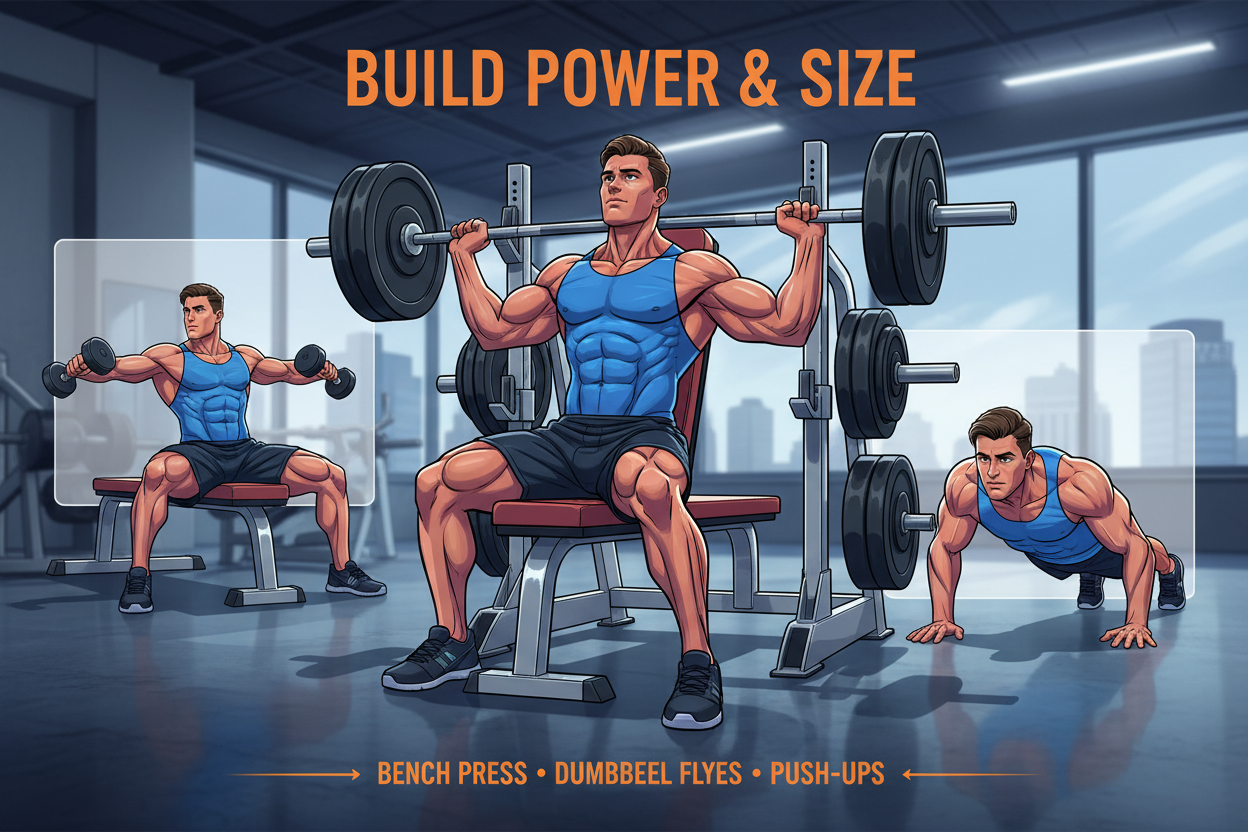
Gyms provide access to a wide range of equipment that can improve your chest training. Bench presses, both barbell and dumbbell, remain the staple for building size and strength. The incline bench press focuses more on the upper chest, while flat bench presses target overall pectoral thickness.
Chest fly exercises, whether performed with cables, dumbbells, or machines, help stretch and contract the chest muscles fully, promoting muscle growth. Using a pec deck machine can isolate the chest, making it a great addition to a chest training gym routine. Push-ups, though simple, remain one of the best exercises for chest strength and can easily be modified for added difficulty.
Chest Exercises with Equipment
When working in a gym, equipment-based exercises offer versatility and progression. You can use barbells for heavy weight training, dumbbells for improved range of motion, and cables for constant tension. For example, cable crossovers can emphasize the inner chest, while landmine presses add a unique angle that challenges stability as well as strength.
Designing the Perfect Chest Workout
A well-balanced chest workout includes a mix of compound lifts and isolation exercises. A sample chest gym workout might look like this:
- Flat Barbell Bench Press – 4 sets of 6-8 reps
- Incline Dumbbell Press – 3 sets of 8-10 reps
- Cable Fly – 3 sets of 10-12 reps
- Push-ups – 2 sets to failure
- Dips (leaning forward to activate chest) – 3 sets of 8-10 reps
Ensure proper rest between sets and focus on quality of movement. Gradually increase weights to enhance strength and muscle development.
Weight Lifting Chest Exercises for Growth
Weight lifting chest exercises, such as heavy bench presses or weighted dips, stimulate muscle fibers by applying progressive overload. To efficiently build muscle, aim for consistent increases in weight while maintaining good form. Over time, this practice will lead to noticeable strength gains and improved chest definition.
Tips for Chest Training Success
Here are some tips for chest training at the gym:
- Warm up thoroughly with light dynamic movements before heavy lifts.
- Maintain proper form—avoid excessive arching or bouncing the bar off your chest.
- Train through a full range of motion for maximum muscle activation.
- Include exercises at various bench angles to target all parts of the chest.
- Allow sufficient recovery to avoid overtraining and promote muscle growth.
Personal Experience with Chest Workouts
When I started my chest training, I focused too heavily on the flat bench press, mistakenly believing it was the only exercise needed for a strong chest. Progress plateaued quickly. It wasn’t until I incorporated incline presses, dips, and cable fly variations that my chest strength and size noticeably improved. The combination of free weights and machines helped me refine muscle symmetry and achieve better overall development.
Building Chest Strength and Size
Exercises for chest strength often involve lifting heavier weights with fewer repetitions. In contrast, building mass may require moderate weights with higher repetitions to increase time under tension. Experimenting with different reps and loads will help you identify what works best for personal goals.
Common Mistakes to Avoid
Many gym-goers struggle to improve their chest because they:
- Neglect incline work, leading to underdeveloped upper chest
- Fail to control the lowering phase of lifts, reducing muscle activation
- Rely solely on machines and avoid free weights
- Ignore proper rest intervals
Mindful technique and a varied approach will prevent these errors.
Conclusion
A good chest workout program combines heavy pressing, strategic isolation, and varied angles to fully develop the muscle. Whether you're in pursuit of the perfect chest or aiming to boost functional strength, commitment to proper training and recovery will help you achieve great results. Remember to listen to your body, progress gradually, and maintain consistency for long-term success.