Dieting Plan for Gym Lifters: What to Eat
Starting a purposeful dieting plan for gym workouts is one of the most effective steps you can take to support your physical training. Many lifters spend hours perfecting their lifting technique while neglecting how their everyday food choices impact their performance. A sustainable nutrition routine is never about drastic cuts or unrealistic restrictions. Instead, an effective meal strategy focuses on supplying your body with adequate fuel to power through demanding training sessions and sustain muscle recovery over time.
Building a Reliable Dieting Plan for Gym Workouts
Creating a dependable dieting plan for gym workouts begins with establishing consistent daily eating habits. When you start an intentional gym workout eating plan, the primary objective is to maintain steady energy levels throughout the day so you never feel sluggish during your training. Lifters frequently wonder how to eat for strength training without overcomplicating their meals or getting lost in tedious tracking systems. A straightforward strength training nutrition plan balances macronutrients in a way that supports your training output without unnecessary dietary stress.
By organizing your meals around regular schedules, you give your metabolism steady nutritional input. Rather than jumping between crash diets, adopting a balanced approach helps preserve lean mass while keeping your physical work capacity high. A smart dietary schedule takes into account daily calorie balance, ensuring you consume enough calories to support tough lifting sessions while avoiding the lethargy that comes from excessive restriction.
Understanding calorie balance is simple when viewed through your daily activity levels. If your goal is gradual muscle gain, consuming a modest calorie surplus gives your body the extra building blocks required to repair and adapt. Conversely, if your goal is leaning out while retaining strength, a gentle calorie deficit combined with high protein intake preserves hard-earned tissue. Regardless of your specific goal, keeping your nutrition steady and predictable prevents the dramatic energy dips that often disrupt your gym performance.
What to Eat for Strength and Sustained Gym Performance?
To know what to eat for strength, you should focus on whole food staples that provide enduring energy and support muscle recovery. When lifters evaluate what to eat for strength, the natural foundation starts with high-quality lean protein sources such as chicken breast, turkey, eggs, fish, tofu, and Greek yogurt. A reliable diet for strength is one that incorporates these proteins consistently throughout the day to supply essential amino acids for tissue repair and maintenance.
In addition to lean protein sources, learning how to eat for strength training requires including adequate complex carbohydrates such as oatmeal, brown rice, sweet potatoes, and quinoa. These complex carbohydrates restock muscle glycogen stores, which directly fuel repeated muscular contractions during heavy training. Carbohydrates act as the primary energy currency during high-intensity lifts, making them indispensable for anyone serious about pushing their physical limits in the weight room.
Incorporating healthy fats from sources like olive oil, nuts, seeds, and avocados is equally important for overall well-being and long-lasting satiety. When you build your meals around these healthy fats and whole food staples, your weight trainer diet plan becomes both nutrient-rich and satisfying. Micronutrients from leafy greens, berries, and colorful vegetables round out your intake by supplying vital vitamins and minerals that keep bodily processes running smoothly.
For more detailed strategies on structuring daily meals and matching your food to specific training splits, reading an in-depth diet gym nutrition guide can help you refine your daily plate design. Knowing what to eat for strength empowers you to select foods that actively enhance your output. When every meal serves a clear purpose, your consistency and gym performance improve naturally.
What Should I Eat Before and After a Gym Session?
Planning what to eat before and after a gym session centers on thoughtful meal timing that supports your workout performance and optimizes post workout recovery. Within an effective gym workout eating plan, your pre workout meal should be consumed roughly one to two hours before you begin lifting. This pre workout meal ought to feature easily digestible complex carbohydrates alongside moderate lean protein sources to sustain energy levels without causing digestive discomfort.
Having that steady fuel source allows you to execute heavy compound exercises like deadlifts, squats, and overhead presses with full focus. If you train early in the morning and lack time for a full meal, a smaller snack consisting of a banana and a quick protein shake can provide immediate carbohydrates to jumpstart your training.
Following your training, prompt post workout recovery becomes the priority. Consuming a post workout meal rich in lean protein sources and carbohydrates provides the building blocks required for muscle recovery after intense lifting sessions. Coordinating this post workout recovery meal within a couple of hours after training helps restore energy reserves and prepares your body for future workouts. A classic post-workout plate might include grilled salmon with roasted sweet potatoes, or a bowl of rice topped with lean ground turkey and steamed greens.
Thoughtful meal timing is a foundational pillar of every practical weight trainer diet plan. When you structure your daily nutrition around training times, your body responds with better stamina and less lingering soreness. To explore additional schedules and macronutrient breakdowns for lifters, checking out a dedicated weight diet gym guide can give you actionable ideas for your own schedule. Establishing reliable pre workout meal and post workout recovery routines ensures your overall nutrition works smoothly with your daily routine.
Hydration, Meal Prep, and Long-Term Consistency
A successful dieting plan for gym lifters relies just as heavily on preparation as it does on food selection. Sticking to a gym workout eating plan becomes much simpler when you schedule weekly meal prep sessions. Spending an hour or two cooking protein portions, roasting vegetables, and portioning grains in advance eliminates last-minute food decisions that can derail your strength training nutrition plan. When your fridge is stocked with ready-to-eat meals, maintaining your nutritional goals requires minimal daily effort.
Another crucial element that is often overlooked is daily hydration. Maintaining proper daily hydration supports nutrient transport, joint lubrication, and overall energy levels during hard lifting sessions. Even mild dehydration can quickly cause fatigue, making compound exercises feel significantly heavier than they should. A sustainable diet for strength is one that blends clean eating, daily hydration, and realistic calorie balance into an enjoyable lifestyle.
By relying on weekly meal prep, you avoid the trap of skipping meals or turning to convenience snacks that do not align with your weight trainer diet plan. Over time, practicing how to eat for strength training becomes second nature. As your nutritional habits continue to support your physical training, you will notice steadier strength gains and faster muscle recovery from week to week.
How Does My Home Gym Setup Impact Training Consistency?
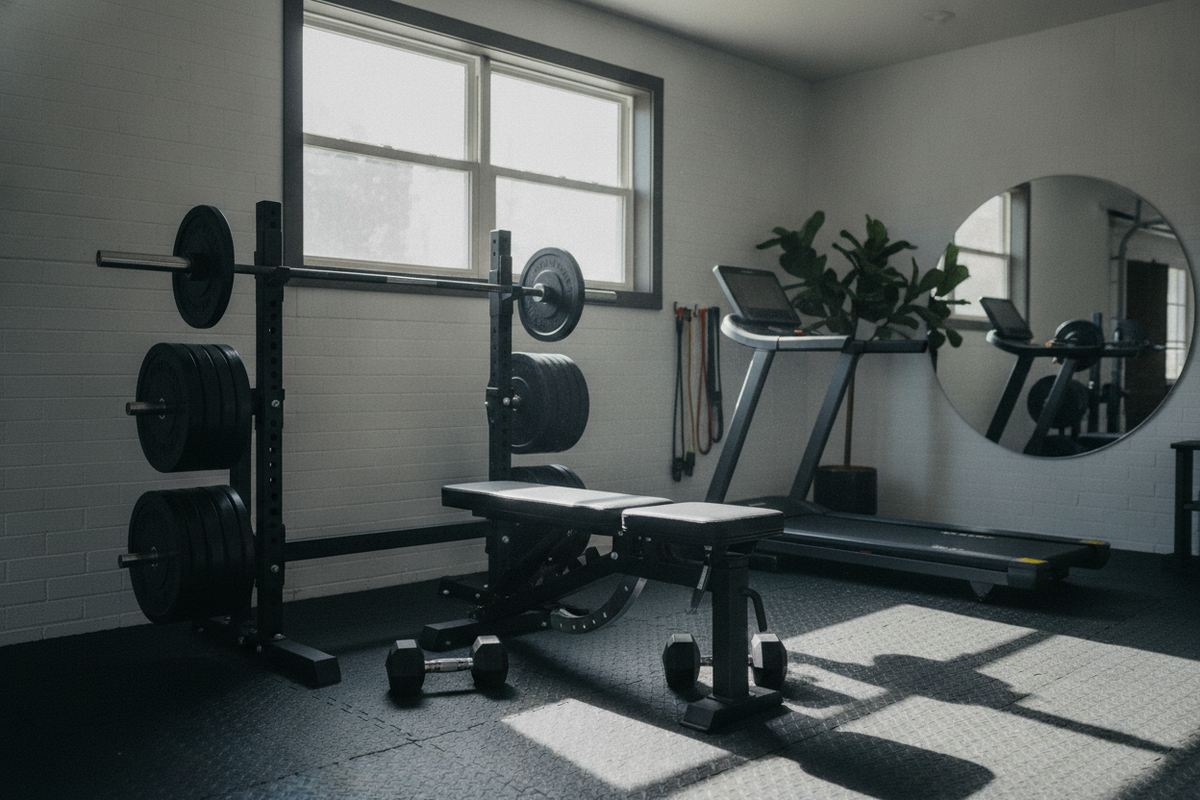
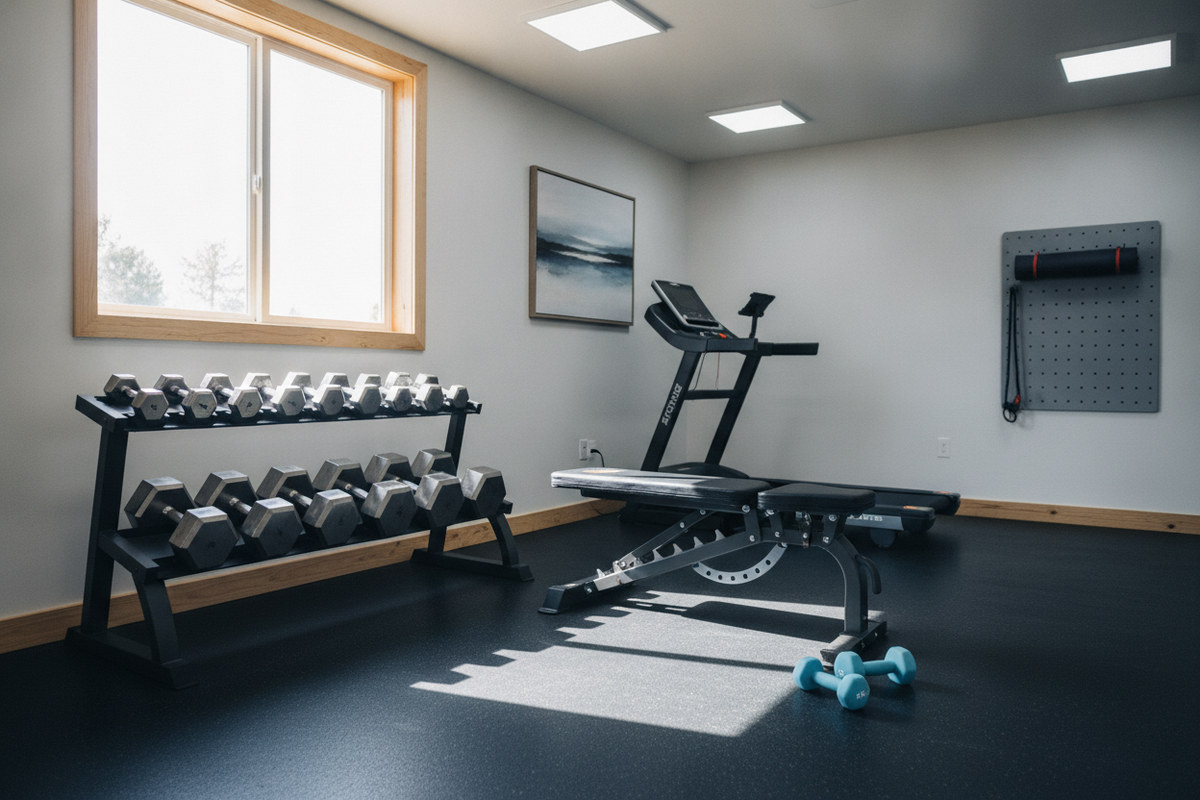
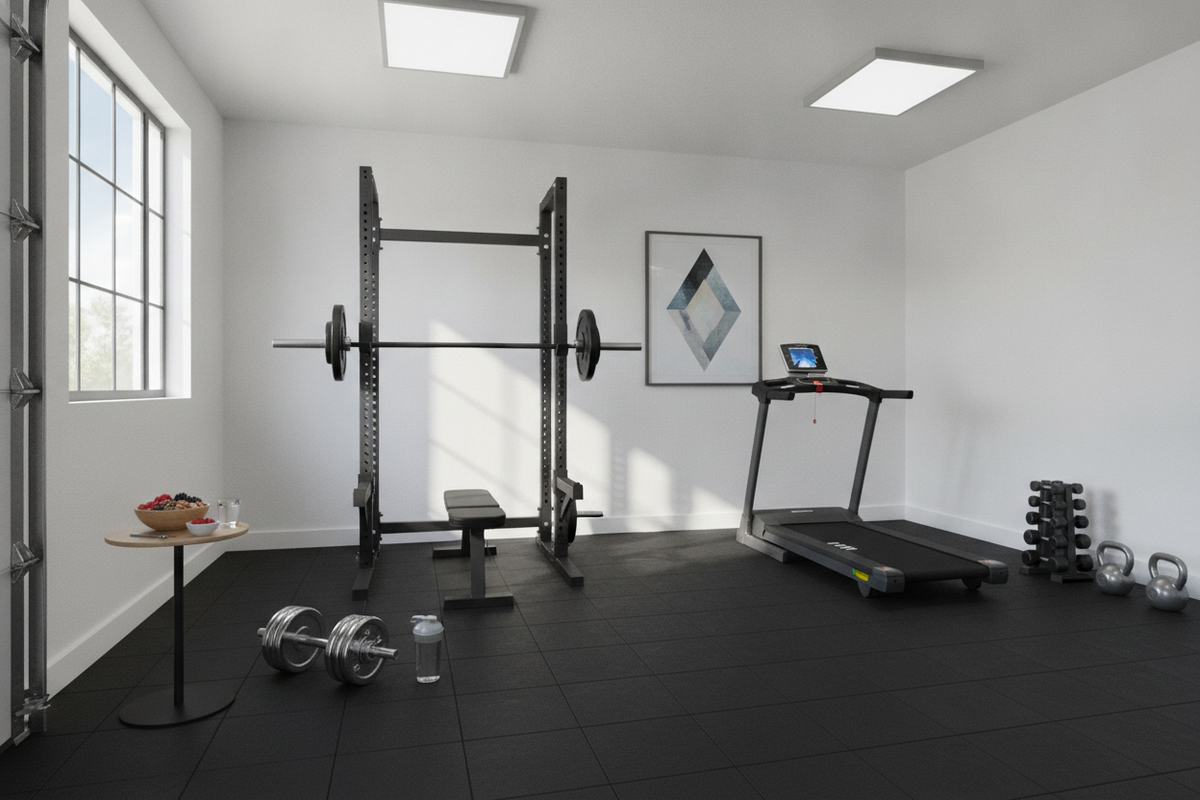
Your home gym setup directly impacts training consistency by providing a dedicated, accessible space where you can put your strength training nutrition plan into action without gym commutes. Having reliable strength training equipment at home allows you to perform compound exercises whenever your schedule allows, reinforcing the routine you build through your gym workout eating plan. Equipping your workout area with versatile tools from a curated strength training collection makes it convenient to challenge different muscle groups on your own schedule.
However, supporting intense training at home also requires thinking about floor protection and joint comfort. Dropping heavy dumbbells or performing repetitive lifts on hard concrete can damage both your subfloors and your joints. Installing protective gym flooring creates a stable, non-slip base that provides necessary shock absorption during rigorous movements. A durable gym workout product like a large exercise mat transforms any garage, basement, or spare room into a dependable lifting station.
Using a dense foam mat or a multi-purpose exercise mat cushions your feet during standing presses and softens the impact when setting down heavy gear. High-grade protective gym flooring delivers dependable shock absorption, keeping your workout space safe and quiet. Placing a dense foam mat beneath your strength training equipment protects your floors while providing the firm traction needed for heavy lifts. A spacious exercise mat also gives you a comfortable area for warm-ups, mobility drills, and stretching after tough sessions.
When you combine protective gym flooring with a well-maintained home gym setup, you remove the common friction points that interrupt a workout routine. Pairing a committed nutritional routine with a high-quality home training environment ensures that your nutrition, effort, and recovery work together toward your long-term strength goals.