Best Weight Lifting Diet: Nutritional Frameworks, Meal Timing Strategies, and Home Gym Training Synergy
Establishing a sustainable nutritional pattern is one of the most effective ways to support regular resistance exercise. When paired with structured movement, the best weight lifting diet provides consistent energy for demanding sessions, aids natural recovery, and helps maintain overall training momentum. Rather than relying on restrictive rules or overly complex tracking, building a successful dietary routine relies on balanced whole-food foundations, sensible meal distribution, and dedicated home training habits.
Foundational Pillars of the Best Weight Lifting Diet
A well-structured lifting diet emphasizes balanced macronutrient distribution rather than drastic restriction. Resistance training places continuous physical demands on muscle tissue, connective structures, and energy stores. Supplying the body with varied, nutrient-dense foods ensures that you can train with intent and recover comfortably between workouts.
- Protein Distribution: Consuming quality protein sources evenly throughout the day supports muscular maintenance and tissue repair. Lean meats, poultry, fish, eggs, dairy, legumes, and plant-based protein blends all serve as dependable staples.
- Complex Carbohydrates: Carbohydrates provide the primary fuel for high-intensity lifting efforts. Whole grains, oats, sweet potatoes, brown rice, and fruits help replenish glycogen stores and sustain stamina during rigorous lifting sessions.
- Dietary Fats: Wholesome fats from sources such as avocados, nuts, seeds, and olive oil contribute to overall joint comfort, hormone regulation, and steady energy levels.
- Micronutrient Density: Colorful vegetables and fresh fruits deliver essential vitamins, minerals, and antioxidants that support daily cellular function and immune balance.
For those establishing a complete resistance routine from scratch, reviewing a comprehensive weight lifting guide can help align progressive training volume with baseline nutritional needs.
Structuring Your Daily Meals Around Weight Training Sessions
Identifying the best diet for weight lifting involves understanding how daily meal timing affects workout quality. While total daily nutritional intake remains the primary factor in long-term progress, structuring meals around training sessions can optimize energy availability and post-workout comfort.
A pre-workout meal consumed a few hours before training should balance complex carbohydrates with moderate protein, keeping dietary fats and heavy fiber low to ensure smooth digestion. If training occurs early in the morning or on a tight schedule, a lighter, easily digestible snack can provide sufficient circulating energy without causing stomach discomfort.
Following a strenuous session, a post-workout recovery meal containing quality protein and carbohydrates assists in restoring energy reserves and initiating tissue repair. Staying consistently hydrated before, during, and after lifting sessions is equally critical, as fluid balance directly impacts physical endurance and muscle contraction quality. Staging your hydration station alongside gear from a dedicated training collection helps streamline your workout rhythm.
Adapting Nutritional Strategy to Training Goals: Growth vs. Body Composition
Your ideal nutritional framework should adapt to your personal training objectives. The best diet for weight training shifts depending on whether your priority is developing lean muscle mass, enhancing strength, or refining overall body composition.
Focusing on Lean Mass and Strength Development
When the goal is building physical size and advancing barbell numbers, your daily intake should provide a moderate energy surplus. This extra fuel allows the body to handle heavier lifting loads and promotes muscular adaptation without requiring extreme overconsumption. Maintaining a balanced intake of dense carbohydrates and adequate protein ensures that weight gain remains functional and supportive of gym performance.
Refining Body Composition and Muscular Definition
When seeking leaner body composition, nutritional adjustments focus on a slight, manageable energy deficit while preserving high protein intake. Keeping protein steady helps safeguard existing muscle mass while the body utilizes stored energy reserves. In this phase, lifters benefit from prioritizing high-volume, fiber-rich vegetables and lean protein sources to sustain fullness while maintaining rigorous training intensity with equipment from a specialized weight lifting collection.
Connecting Dietary Consistency with Home Gym Space Staging
Nutritional success rarely happens in isolation; it thrives within an organized daily lifestyle. Just as consistent nutrition requires a prepared kitchen and accessible whole foods, productive training relies on an intentional, well-structured home gym environment.
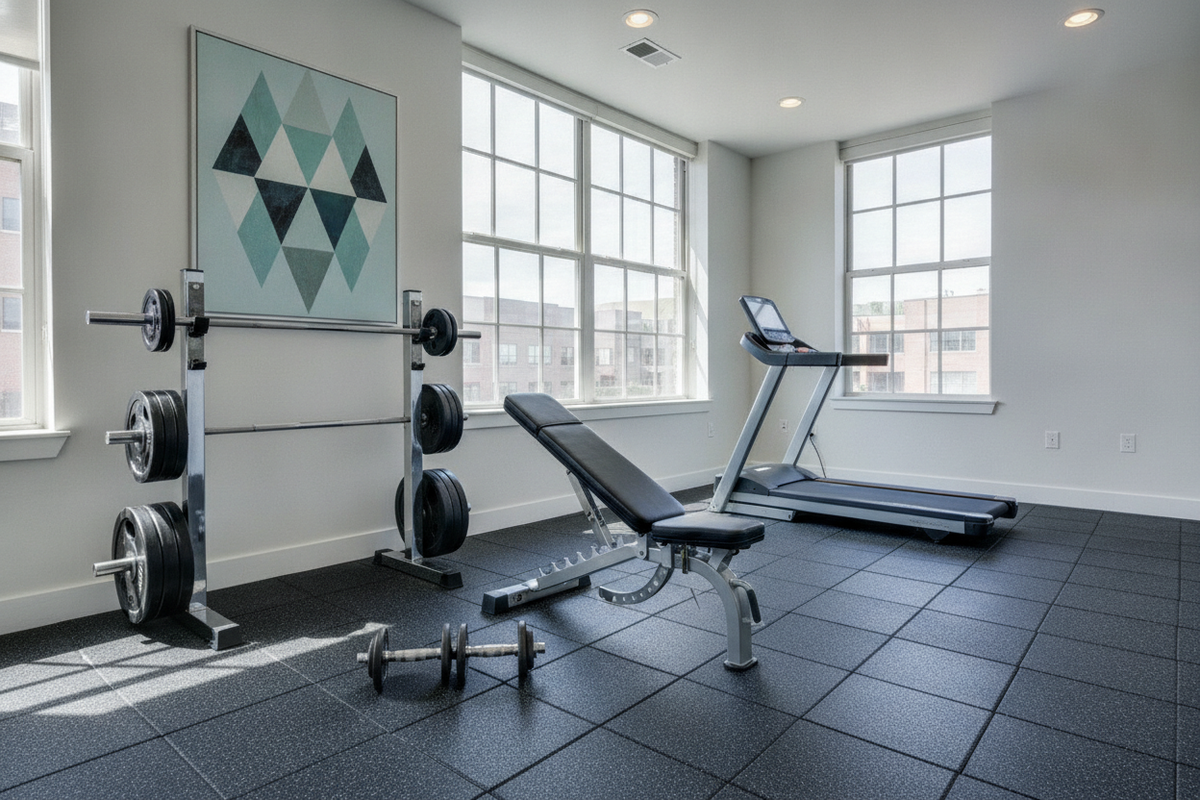
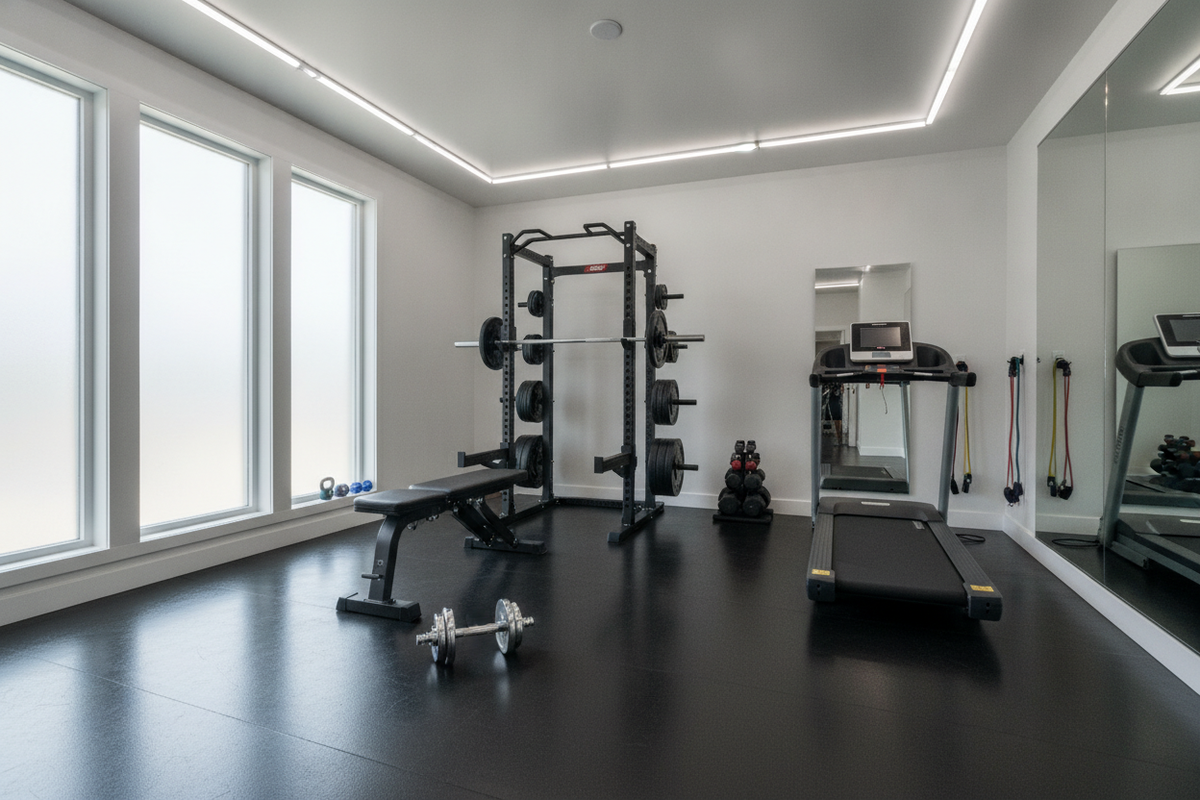
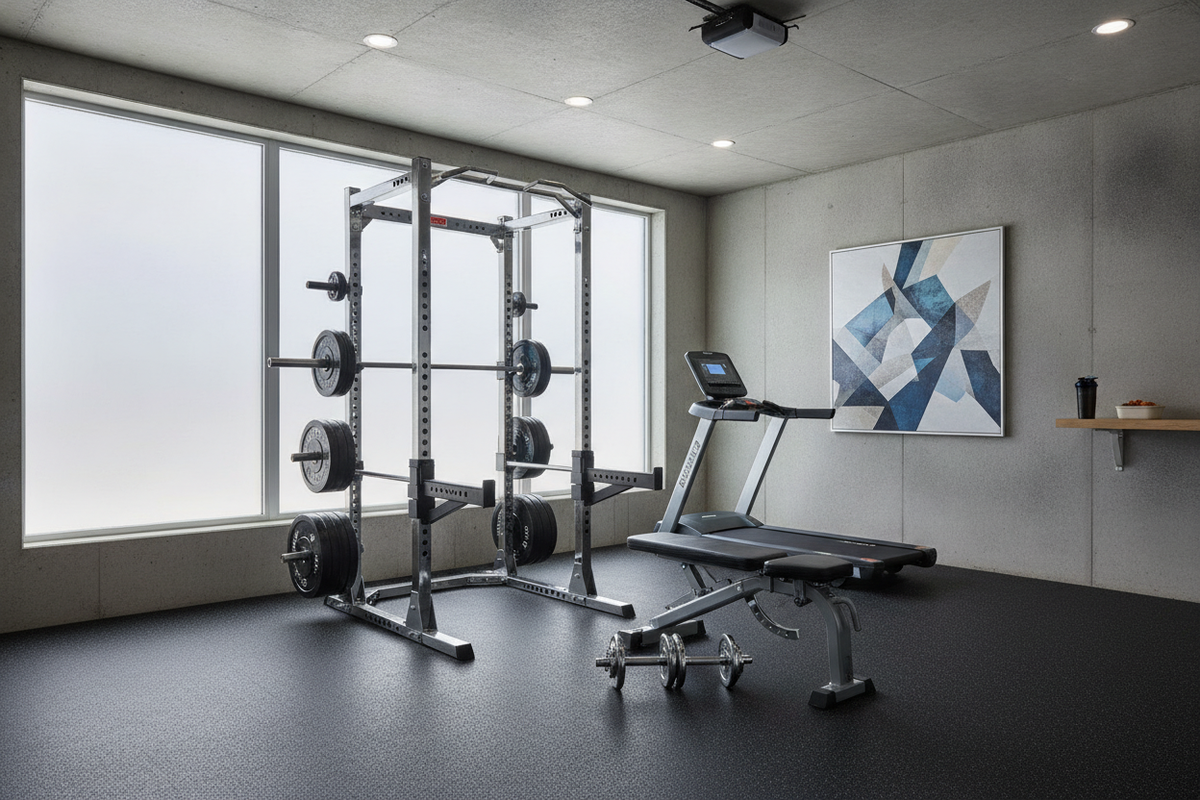
A dedicated workout space with high-density flooring and clear movement pathways reinforces mental focus and routine adherence. High-density rubber gym mats provide essential joint protection, stable footing for heavy compound lifts, and subfloor dampening. When lifters create an inspiring, organized workout area—as outlined in a practical weight training guide—the psychological commitment to daily training habits naturally extends into better dietary discipline throughout the rest of the day.
Practical Meal Prep and Long-Term Habit Mastery
Sustaining the best diet for weight lifting over months and years comes down to practical systems that remove daily decision fatigue. Relying on willpower alone often leads to inconsistent eating when busy schedules arise.
- Batch Cooking Core Staples: Preparing large portions of versatile carbohydrates (such as roasted potatoes or quinoa) and batch-grilling protein sources creates quick grab-and-go options for busy training days.
- Stocking Nutrient-Dense Snacks: Keeping portable options like raw nuts, Greek yogurt, whole fruit, and quality protein powders readily available prevents impulsive choices when post-workout hunger strikes.
- Hydration Cues: Keeping a dedicated water bottle in your gym space ensures you meet baseline fluid needs seamlessly throughout the day.
- Flexible Consistency: Emphasizing steady, long-term dietary habits rather than short-term perfection allows for social flexibility while preserving consistent progress toward your fitness goals.
By combining balanced macronutrient habits, sensible peri-workout timing, and an organized home workout environment, you establish a resilient lifestyle that fuels progressive strength, dependable recovery, and lifelong fitness.