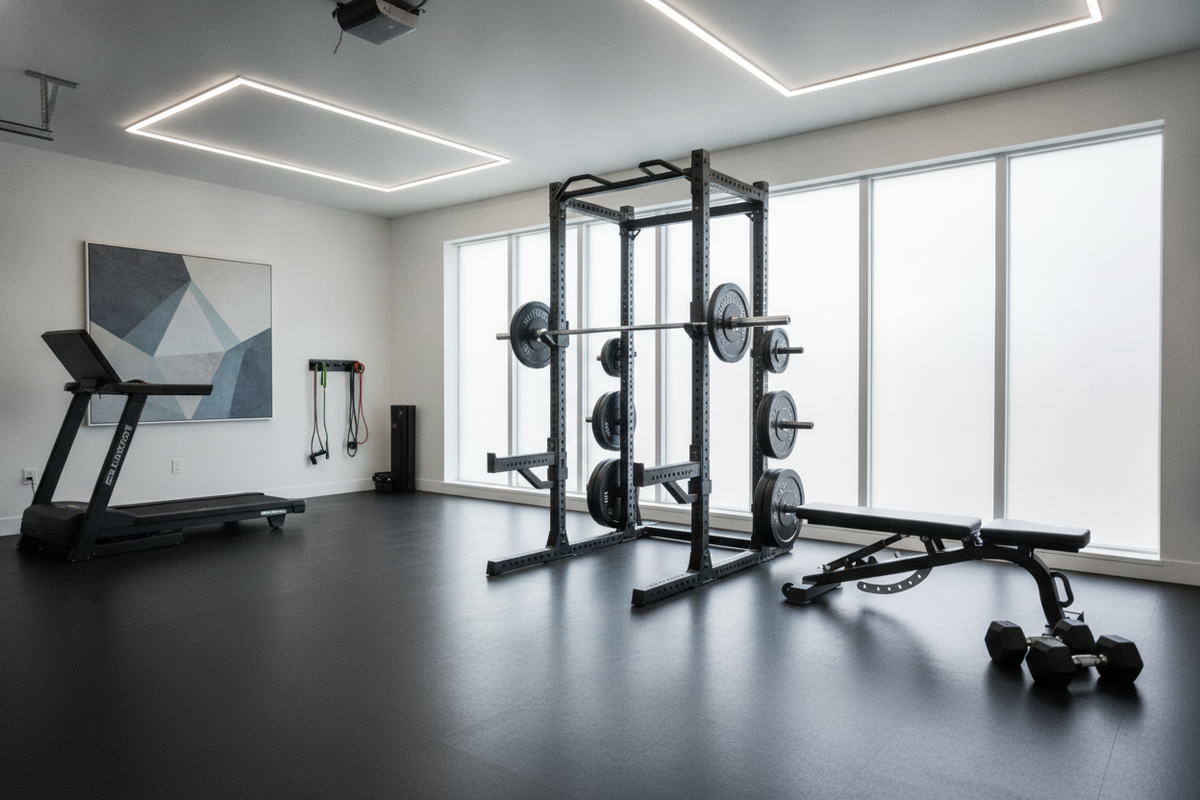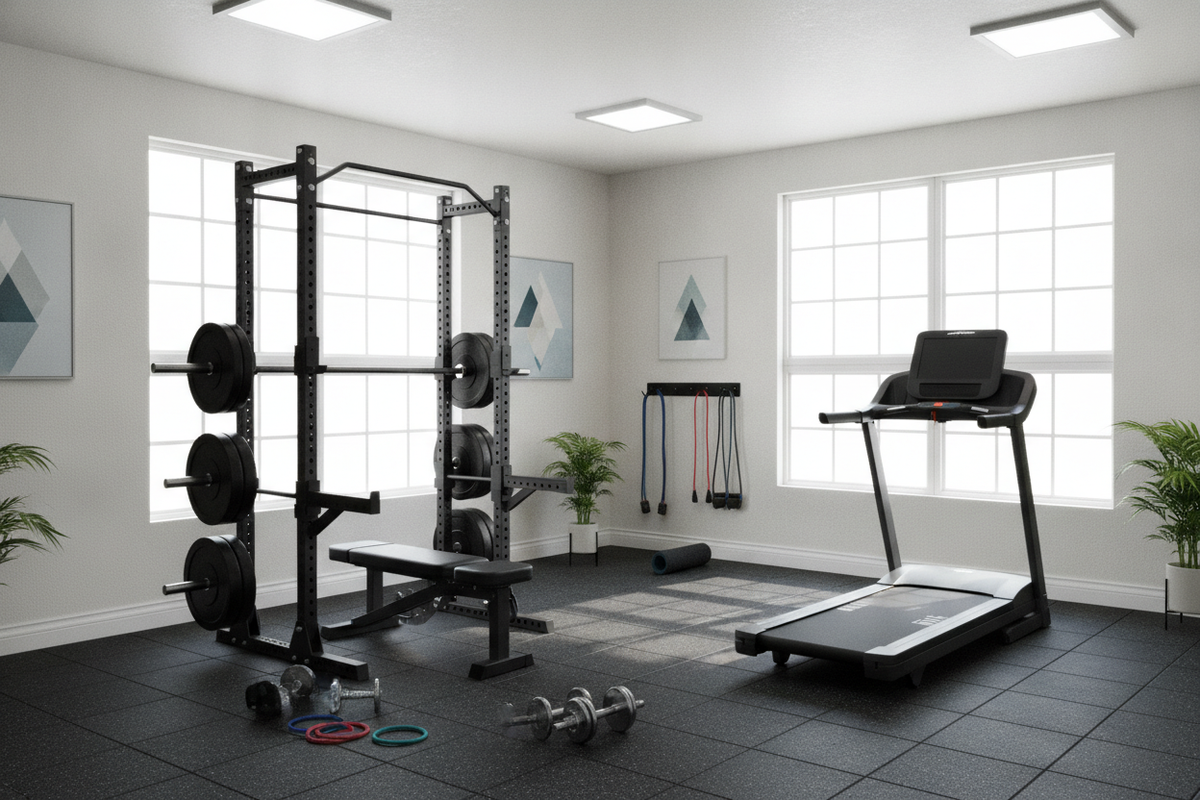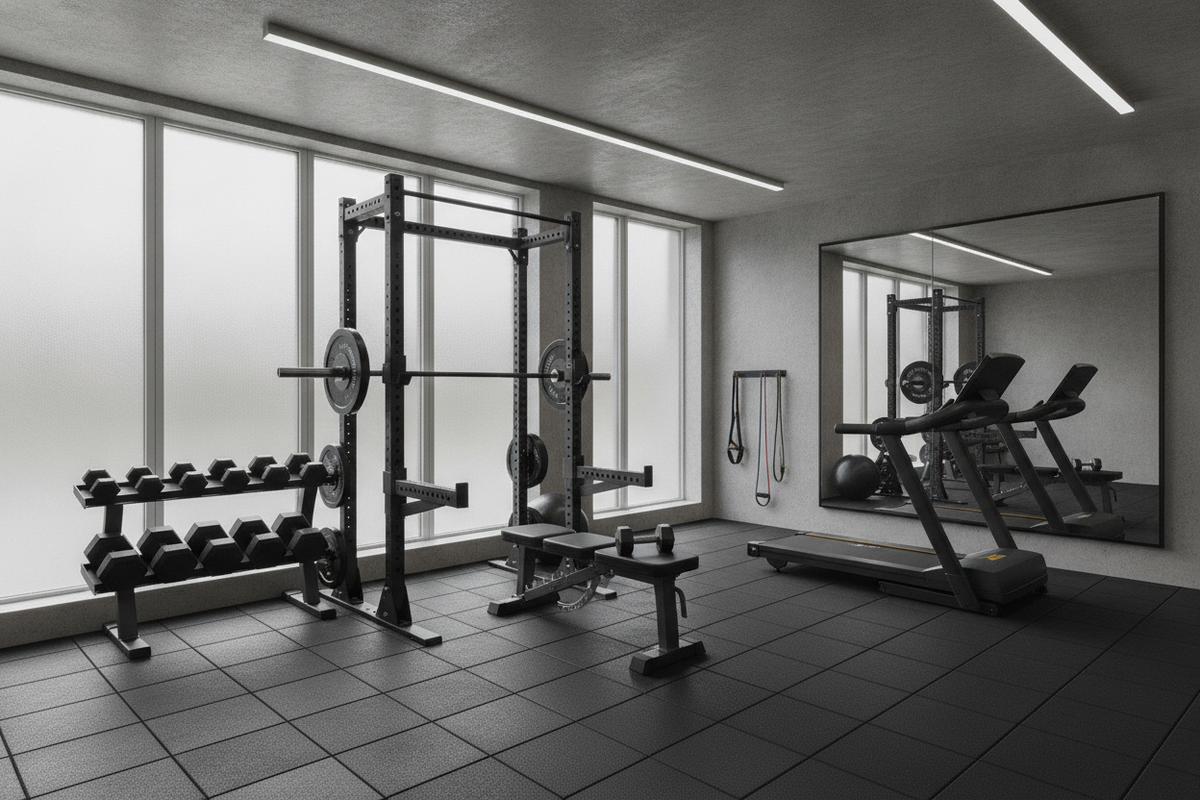
Classic Workouts for Home Fitness Spaces
What are classic workouts for home fitness?
Classic workouts are structured, time-tested physical training routines built on functional movement patterns, steady aerobic intervals, and accessible bodyweight calisthenics without requiring specialized machinery. When planning a sustainable home workout, classic workouts offer an intuitive balance of simplicity and physical engagement. Rather than navigating complex exercise gear or following short-lived fitness trends, you rely on familiar movement patterns like marching, stepping, bending, and pressing. This direct structure makes classic workouts particularly approachable for newcomers and returning lifters alike.
A major benefit of choosing a classic exercise routine is the absence of unnecessary barriers. You can begin a session immediately in your living room or garage without spending time adjusting complicated resistance bands or programming digital consoles. For those returning to physical activity after time away, setting clear, sensible expectations is critical. Reviewing a helpful beginner home exercise guide can help you understand how everyday conditioning should feel while building positive momentum.
Over decades of physical culture, classic workouts have proven that straightforward mechanics deliver lasting conditioning. When you repeat steady pacing across several months, your body adapts naturally to the work. Because classic workouts can be scaled up or down simply by altering your tempo, stance, or duration, they remain practical tools for anyone building an everyday fitness routine.
Core Elements of a Traditional Home Routine
A dependable traditional home workout blends aerobic conditioning with functional strength. By keeping the sequence uncomplicated, you can easily shift between aerobic drills and muscle-strengthening work without losing your rhythm.
Why are traditional low-impact exercises still popular?
Traditional low-impact exercises remain popular because they provide continuous aerobic conditioning and steady muscular work while preserving joint comfort across years of training. A brisk walking workout serves as the cornerstone of this approach. During a walking workout, you engage in rhythmic marching, gentle side taps, and controlled knee lifts. These repetitive steps keep the heart rate elevated without subjecting hips, knees, or ankles to harsh landing forces.
In addition to basic marching, an effective walking workout incorporates lateral steps and diagonal reaches. These multi-directional steps challenge stability and engage stabilizing muscles along the hips and torso that might be ignored during straight-line walking. By blending low-impact movement with rhythmic pacing, home exercisers can complete effective cardio sessions without excessive strain. In fact, many people prefer low-impact movement precisely because it allows them to complete multiple cardio sessions each week without lingering stiffness.
Alongside rhythmic stepping, classic workouts integrate fundamental bodyweight exercises. Movements such as air squats, stationary lunges, and controlled push-ups build resilient muscle across major physical chains. For those seeking upper-body progression, exploring a detailed chest workout variations guide can provide helpful insights on tailoring horizontal pressing patterns to your personal fitness routine. Combining bodyweight exercises with a structured walking workout creates a balanced, total-body stimulus in any home gym.
Setting Up the Floor for Classic Workouts
While classic workouts require minimal hardware, your choice of footing directly influences your comfort and confidence during daily training. Engaging in repetitive steps, continuous marching, or quick lateral steps on hard surfaces can challenge joint comfort over time.
Hardwood floors and ceramic tile offer zero natural shock absorption. When you perform repetitive steps on unyielding flooring, every foot strike reverberates directly through your ankles, knees, and lower back. Installing an adaptable exercise mat collection surface over bare hardwood floors introduces critical floor cushioning that reduces harsh feedback during everyday cardio sessions. This layer also provides necessary subfloor protection, preventing finished wood or delicate tiles from accumulating scuffs and impact marks from training shoes.
Traction is equally important during continuous movement. During a brisk walking workout or rapid lateral steps, smooth floors can become slick under athletic shoes. A quality exercise surface with a reliable slip-resistant grip ensures firm shoe traction, allowing you to change directions, pivot, and step with complete confidence. In multi-level homes or shared apartments, a resilient mat also provides acoustic dampening, keeping your home workout quiet and considerate of family members or downstairs neighbors.
Choosing the Right Mat for Repetitive Exercise
Not all floor pads are designed for the dynamic demands of classic workouts. Compact stretching mats often shift, bunch up, or curl at the edges when subjected to active stepping and multidirectional calisthenics.
For dynamic classic workouts, selecting a high-density mat provides the ideal balance between firm shoe traction and protective floor cushioning. A mat that is too soft will cause feet to sink, which can compromise ankle stability during bodyweight exercises like lunges or squats. Conversely, a resilient high-density mat maintains its structural integrity beneath athletic shoes, offering predictable shock absorption without feeling unstable underfoot.
Footprint also matters when performing low-impact movement. Traditional yoga mats measure only two feet wide, which quickly proves restrictive when stepping laterally or transitioning between floor calisthenics and standing drills. Investing in a large exercise mat collection gives you the unrestricted floor space needed to move freely across your home fitness space. A generous surface like a six by ten foot exercise mat can transform an open room into a fully functional home gym zone. With ample room for wide stances, push-ups, and continuous stepping, a large exercise mat anchors your training area and delivers dependable subfloor protection against dropped water bottles, hand weights, and athletic footwear.
Maintaining Weekly Consistency with Classic Workouts
The true strength of classic workouts lies in their sustainability. Because these routines emphasize manageable intensity and joint comfort, establishing weekly consistency becomes much easier than sticking to punishing, extreme fitness programs.
To establish long-term weekly consistency, schedule three or four dedicated training windows each week. Aim for twenty to forty minutes per session, blending steady marching intervals with basic bodyweight exercises. Because classic exercise does not require hours of setup or complex loading, you can step onto your exercise mat and begin moving right away. In my own home training, having a dedicated floor space permanently cleared and ready to go removes almost all the friction of getting started.
Maintaining an inviting home fitness space also involves simple hygiene habits. After completing your home workout, take a moment to wipe down your exercise surface with a damp microfiber cloth and mild soap. Keeping your high-density mat free of dust and sweat preserves its slip-resistant grip, ensuring reliable shoe traction session after session. A clean, well-cared-for exercise mat keeps your home gym ready for action whenever your schedule permits.
By pairing proven classic exercise principles with supportive floor cushioning, you create a timeless fitness routine that serves your health for years to come. Reliable movement patterns, dependable footing, and steady pacing remain the gold standard of sustainable home physical conditioning.