Best Chest Workouts and Exercise Variations for Maximum Gains
Building a strong, well-defined chest requires more than just hitting the bench press every time you go to the gym. Incorporating different types of chest exercises can help target various areas of the pectoral muscles, improve functional strength, and create balanced muscular development. Whether you are a beginner or a seasoned athlete, understanding the range of chest workouts available can help you plan an effective training program.
Why Variety Matters in Chest Training
Many individuals stick to the same routine for weeks, often relying solely on the flat bench press. While it's a great foundational movement, your chest muscles respond better when exposed to different angles, resistance levels, and contraction types. Rotating through multiple types of chest workout routines prevents plateaus and reduces the risk of overuse injuries.
Top Exercises for Chest Development
The most effective chest exercises focus on stimulating the pectorals from various angles. Here are a few that consistently deliver results:
- Barbell Bench Press: A staple for building overall chest mass. Ideal for targeting the middle portion of the pectorals.
- Incline Dumbbell Press: This movement emphasizes the upper chest, promoting a fuller look.
- Chest Dip: Using parallel bars, chest dips target the lower chest and triceps for a comprehensive push routine.
- Cable Fly: Allows for continuous tension throughout the movement, aiding in definition and muscle isolation.
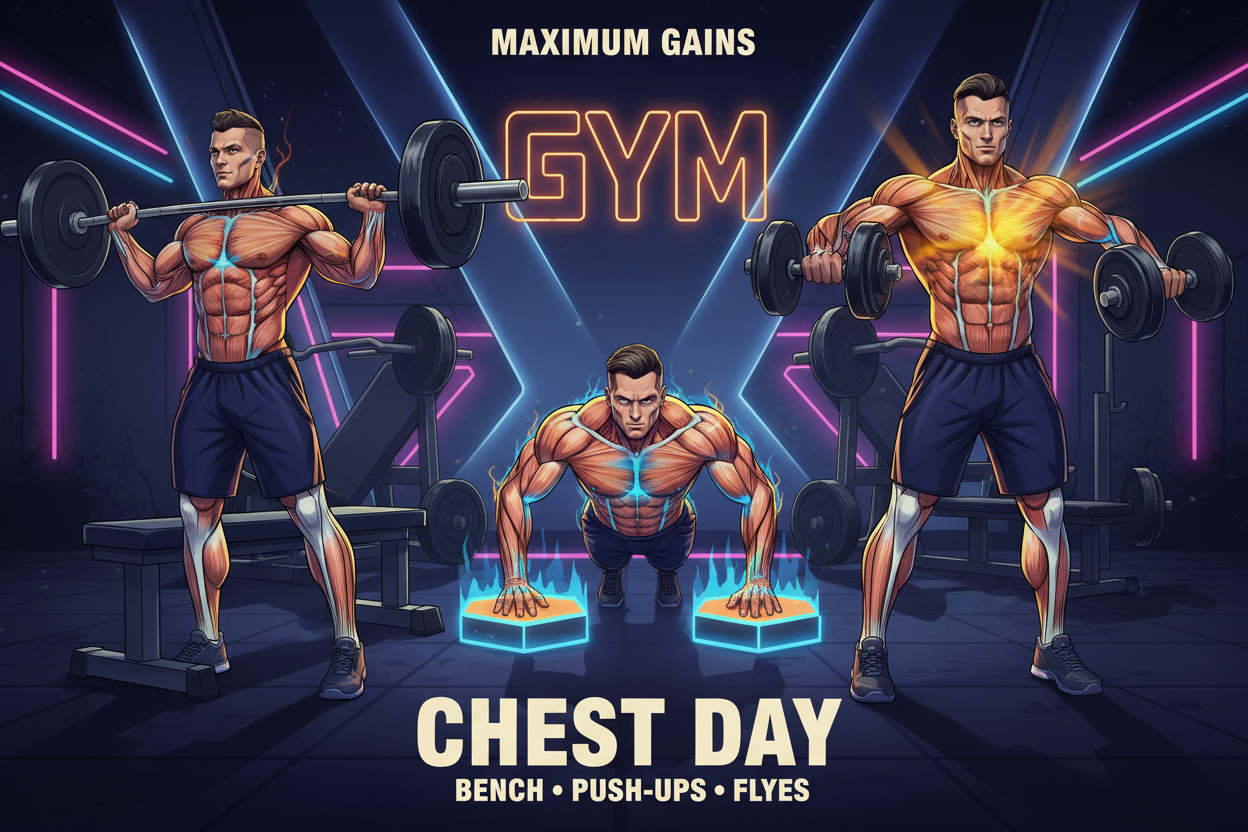
- Push-Up Variations: From standard to decline push-ups, these bodyweight exercises remain effective for chest building and endurance.
Types of Chest Exercises
Chest exercises can be grouped based on equipment, movement pattern, and angle of resistance. Understanding these can help create more well-rounded workouts:
- Free Weight Exercises: Includes barbell and dumbbell presses, offering a natural range of motion and stimulating stabilizing muscles.
- Machine-Based Exercises: Such as the chest press machine, helpful for beginners or those recovering from injury as they provide more controlled movement.
- Bodyweight Exercises: Push-ups and dips fall here, often promoting muscular endurance and overall functional strength.
- Cable and Pulley Movements: Cable flies and crossovers add constant tension, which can be beneficial for shaping and definition.
Different Types of Chest Workouts
The term "chest workout" refers to a programmed series of exercises, often using different modalities. Here are examples you could integrate into your training week:
- Strength-Focused Routine: Emphasizes heavy lifts like the bench press, with lower repetitions for maximum muscle recruitment.
- Hypertrophy Routine: Centers on moderate weights, higher repetitions, and short rest periods to stimulate muscle growth.
- Endurance-Based Routine: Utilizes lighter weights or bodyweight movements at high volumes to improve muscular endurance.
- Mixed Modality Routine: Combines free weights, machines, and cables to hit the chest from different perspectives in one session.
Chest Exercise Variations for Better Results
Changing grip width, bench angle, or equipment type can dramatically alter how a chest exercise feels and works. For example, switching from a flat bench to an incline bench shifts the load toward upper pectorals, while a decline bench targets the lower section. Similarly, altering the tempo—such as slowing down the lowering phase—can increase muscle activation and time under tension.
Personal Experience with Chest Training
When I first started weight training, my chest workouts revolved around only one exercise: the flat barbell bench press. Initially, I saw quick gains, but after months of repetition, my progress stalled. I introduced incline presses, dumbbell flies, and push-up variations into my routine and experienced noticeable improvements not just in size, but also in muscle definition and endurance. This taught me that variety is essential and that listening to your body's response to different exercises helps ensure sustainable progress.
Tips for Structuring a Chest Workout
For balanced development, begin heavy compound lifts early in your session when your muscles are fresh. Follow up with isolation movements to fine-tune and shape the muscle. Ensure adequate rest between heavy sets while keeping accessory work more time-efficient. Always warm up with dynamic stretches or light sets to minimize injury risk, and consider changing your workout every 6–8 weeks to keep your muscles adapting.
Common Mistakes to Avoid
- Overemphasizing one type of exercise and neglecting others.
- Poor form, especially during heavy lifts, leading to potential shoulder strain.
- Skipping warm-ups and mobility work.
- Neglecting recovery, which is crucial for muscle growth.
By blending different types of chest exercises and varying your techniques, you'll develop strength, aesthetics, and functional performance. A thoughtful approach not only builds a visually impressive chest but also supports long-term fitness goals.