Can't Feel Your Glutes? Is the Hip Thrust Machine Effective?
I remember the first time I tried to heavy-up my barbell hip thrusts in a commercial gym. I spent ten minutes dragging a flat bench against a power rack so it wouldn't slide, hunting for a barbell pad that wasn't shredded to bits, and then nearly crushed my pelvis trying to shimmy under 225 pounds. By the third set, my lower back was screaming, but my glutes were barely waking up. If you've ever wondered is the hip thrust machine effective, you are likely tired of the setup circus and looking for a way to actually feel the burn where it belongs.
Quick Takeaways
- Machine thrusts offer a superior resistance curve with peak tension at the top lockout.
- They eliminate the 'setup fatigue' of moving heavy plates and benches.
- Fixed paths reduce lower back involvement and stabilization requirements.
- Ideal for training to absolute muscular failure safely.
The Free Weight Problem: Why Barbells Often Fail Us
The barbell hip thrust is the darling of social media, but in practice, it is a logistical nightmare. Beyond the awkward setup, the biomechanics of a free-weight thrust are flawed for hypertrophy. When you use a barbell, the resistance is purely vertical. This means at the bottom of the movement, there is almost zero tension on the glutes. You are essentially resting between every rep.
Then there is the 'bone-on-steel' factor. Even with a thick pad, 300 pounds resting directly on your hip bones is painful. That pain often becomes the limiting factor of the set, rather than actual muscle fatigue. I have seen countless lifters cut their sets short not because their glutes gave out, but because their skin was being pinched or their lower back started compensating to balance the wobbly bar.
Breaking Down the Biomechanics: Are Hip Thrust Machines Effective?
So, are hip thrust machines effective enough to replace the classic barbell? In my experience, they are actually superior for pure muscle growth. Most dedicated machines utilize a pivot point and a belt or padded lever arm. This creates a circular arc of resistance rather than a straight vertical line. This change keeps the load heavy at the very top of the rep—the exact point where the glutes are at their strongest contraction.
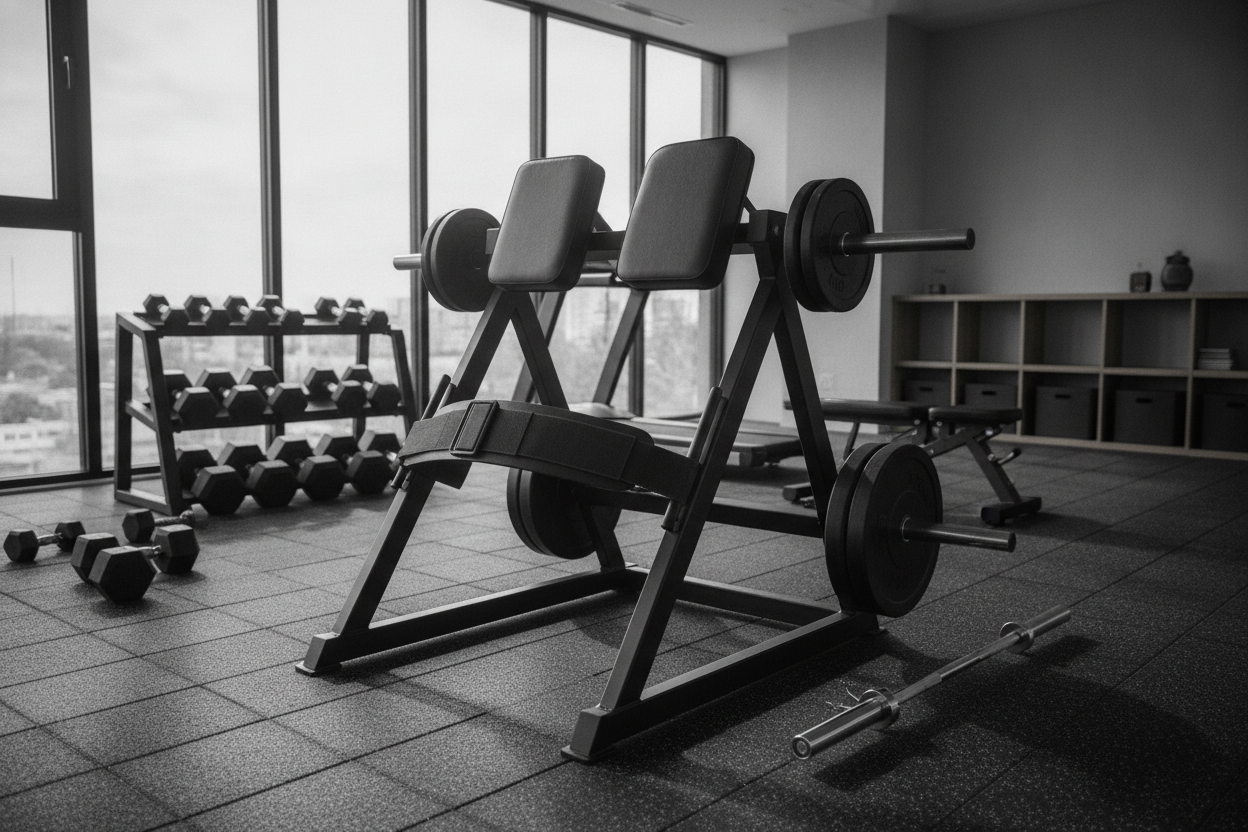
Adding a specialized Leg Machine built for glute drives into your routine changes the stimulus entirely. Instead of fighting to keep a bar balanced, you are pushed into the seat. This allows you to focus 100% of your neural drive on the hip extension. You aren't just moving weight; you are maintaining constant tension through the full range of motion, which is the golden ticket for hypertrophy.
Glute Isolation vs. Hamstring Takeover
One of the biggest complaints I hear from clients is that they 'only feel thrusts in their hamstrings.' This usually happens because the feet slide forward or the back isn't pivoting correctly on the bench. A machine fixes your feet on a non-slip, angled plate and locks your mid-back onto a padded bolster. This forced alignment prevents the hamstrings and lumbar spine from taking over when the weight gets heavy.
When you remove the need to stabilize a heavy bar, you can actually reach true failure. I often pair these machine thrusts with other isolation movements. If you have read my take on Is The Hip Abduction Machine Actually Effective The Honest Truth, you know I am a fan of using machines to hit the glutes from multiple angles without frying the central nervous system with heavy compound stabilizers.
Can You Get the Same Effect at Home?
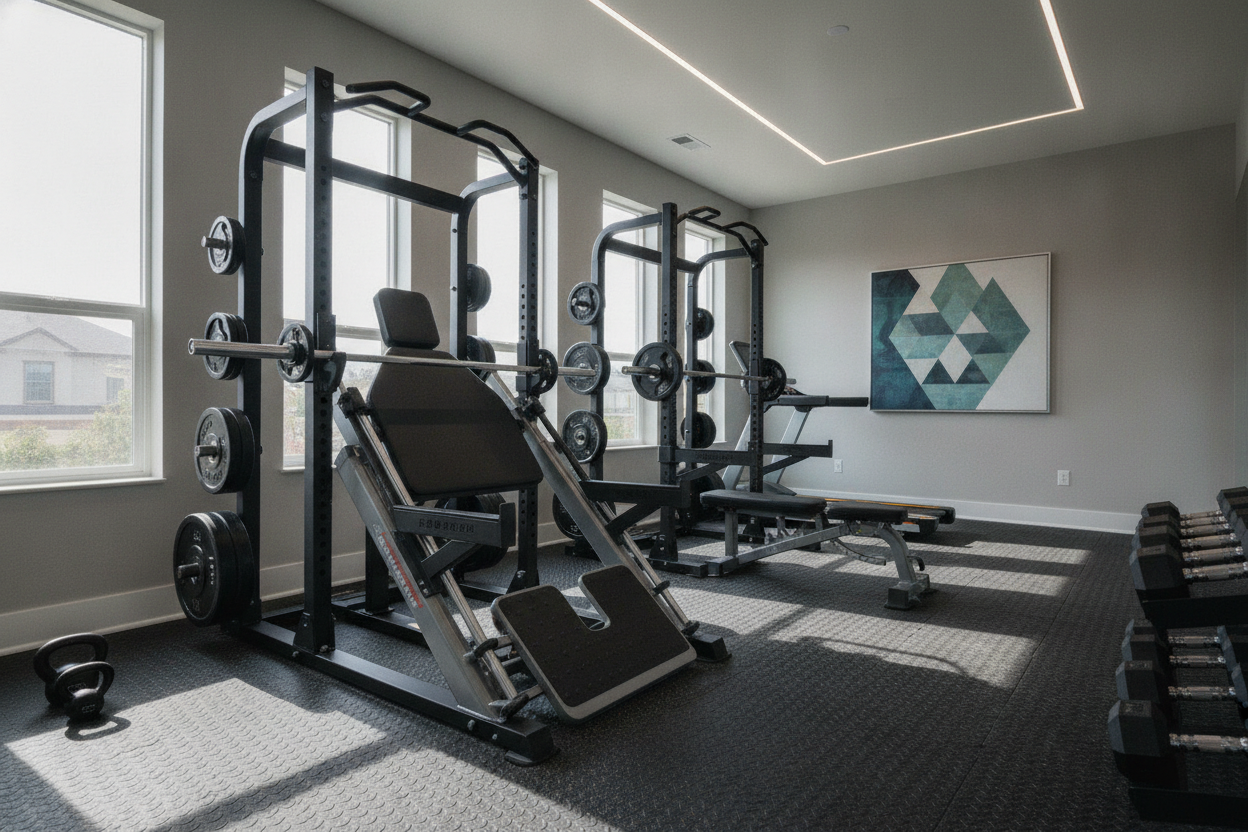
Most garage gym owners don't have the 20 square feet of floor space required for a commercial-grade plate-loaded glute drive. I get it; my own gym is packed to the gills. However, you don't need a $3,000 unit to get the stability benefits of a machine. The goal is to eliminate the 'wobble' and the setup friction.
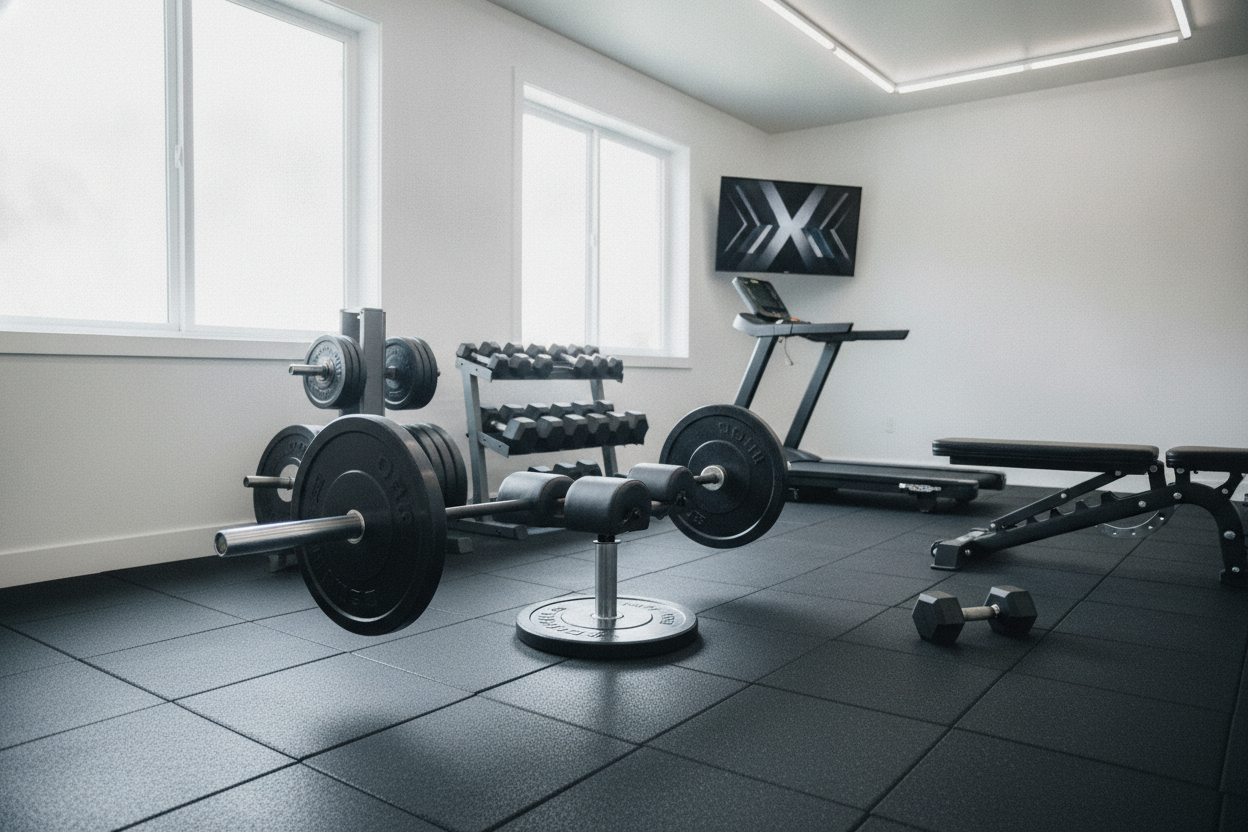
Using a dedicated piece of hardware like the Gxmmat Hip Thrust Bench provides a stable, grippy surface that won't slide across your horse stall mats. It's a massive upgrade over a standard utility bench because the height is optimized for the human hip. When combined with a heavy sandbag or a specialized glute belt, you can mimic the machine's fixed-path feel without needing a commercial membership.
The Final Verdict on Machine Thrusts
If your goal is to walk out of the gym with a massive pump and actual glute growth, the machine wins every time. It removes the 'setup ego' and replaces it with mechanical efficiency. While the barbell will always have a place for raw strength athletes, the machine is the smarter tool for anyone chasing aesthetics or trying to save their lower back from unnecessary wear and tear. Stop fighting the bar and start fighting the muscle.
Frequently Asked Questions
Is the machine better than the barbell?
For muscle growth, yes. It provides more consistent tension and allows you to train closer to failure without losing your balance or bruising your hips.
How many times a week should I use it?
Treat it like any other heavy lift. Two to three times a week is plenty, provided you are giving the muscles 48 hours to recover between sessions.
Should I go heavy or high rep?
The glutes respond well to both, but the machine is particularly good for 'high-tension' sets in the 8-12 rep range where you can really focus on the squeeze at the top.