Stop Crushing Your Pelvis: How to Use Hip Thrust Machine With Belt
I remember the first time I loaded four plates on a barbell for hip thrusts. My glutes felt great, but my pelvis looked like I’d lost a fight with a sledgehammer. The foam pads help, but once you start moving real weight, they compress into nothing. That’s why learning how to use hip thrust machine with belt setups is the only way to train heavy without the medical bills.
Quick Takeaways
- Place the belt in the hip crease, never on your stomach.
- Tighten the strap until you feel pinned; slack is the enemy of stability.
- Keep your shins vertical at the top of the movement to maximize glute tension.
- Tuck your chin and look forward to prevent lower back arching.
Why the Belt System Beats the Barbell Pad Every Time
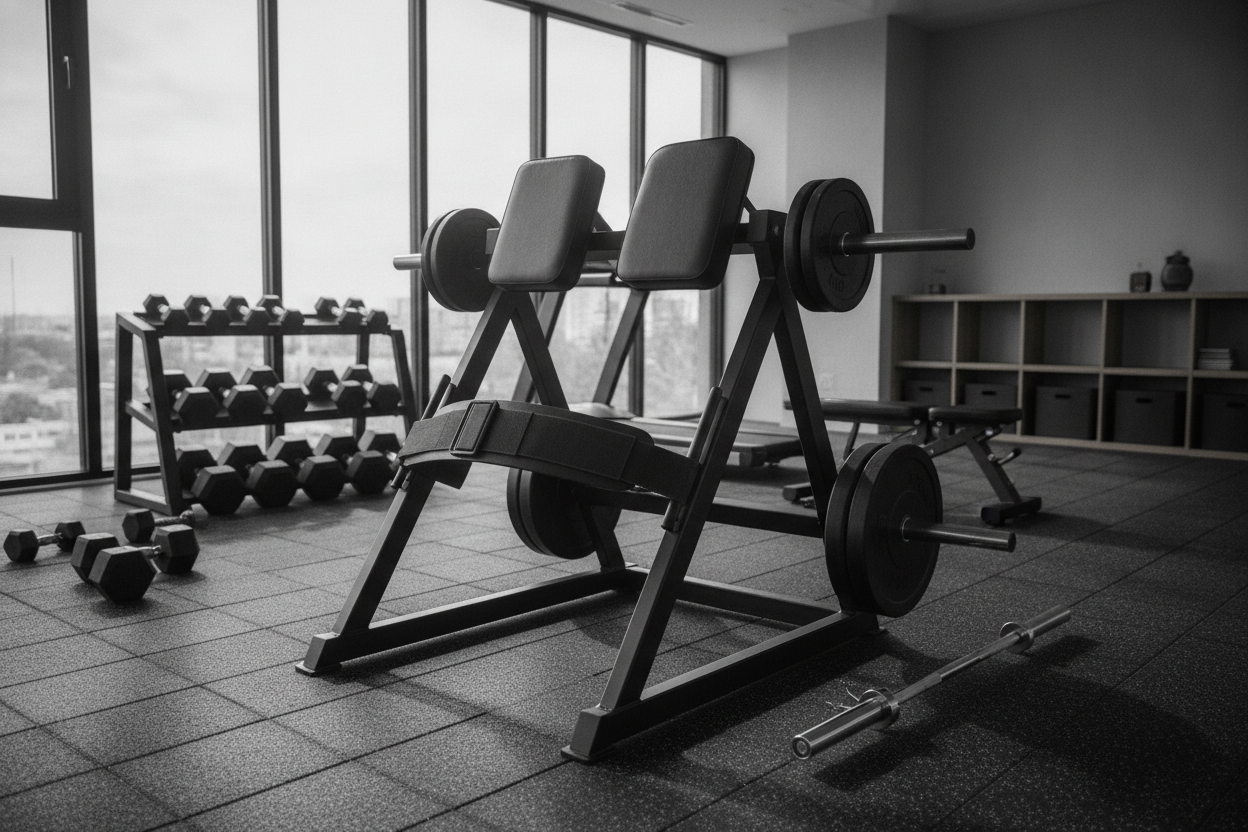
Barbells are great for squats, but they’re miserable for thrusts. A round bar concentrates all that pressure into a narrow line across your hip bones. A belt system, like what you’ll find on a dedicated leg machine, spreads that force across a much wider surface area. It’s physics—more surface area equals less localized pressure.
When I switched from the free weight floor to a belted machine, my numbers shot up almost instantly. It wasn't because I got stronger overnight; it was because I wasn't subconsciously holding back to avoid pain. You can actually drive into the strap with everything you've got without feeling like your pelvis is going to snap.
Step 1: Perfecting Your Hip Thrust Machine Belt Placement
Most people mess this up by strapping in too high. If the belt is sitting across your belly, you’re going to crush your internal organs and lose all leverage. Proper hip thrust machine belt placement should be right in the crease where your legs meet your torso, just below those bony points of your hips (the ASIS).
Once you’re seated, pull the belt tight. I mean really tight. If there’s any daylight between you and the pad when you start the lift, the weight will shift mid-rep. That shift usually leads to the belt sliding up toward your ribs, which is a fast track to a ruined set and a lot of wheezing.
Step 2: Dialing in Your Foot Stance and Shin Angle
Your feet dictate which muscles actually do the work. If your feet are too far out, your hamstrings take over. Too close to your butt, and your quads start screaming. You want your shins to be exactly vertical (90 degrees) when you are at the top of the lockout. This ensures the force vector is going straight through the glutes.
I usually spend the first 'empty' set just sliding my feet around until that angle feels locked in. For a deeper breakdown on positioning, check out this guide on exactly how to use hip thrust machine setups for pure glute growth. Getting the platform height and foot placement right is 80% of the battle for a massive posterior chain.
Step 3: The Lock-In and Drive Phase
Now that you’re strapped in, it’s time to move. Most machines have a manual release handle. Take a deep breath, brace your core like someone is about to punch you, and drive your hips up just enough to clear the safety hooks. Once you’ve unracked it, do not just drop into the bottom of the rep.
Keep your chin tucked toward your chest throughout the entire set. This is the biggest pro tip I can give you. If you look at the ceiling, your back will arch, and you’ll feel the weight in your lumbar spine. If you keep your eyes on the wall in front of you, your pelvis stays in a posterior tilt, which is exactly where the glutes work hardest.
Common Mistakes When Strapping In
The most common error I see is the 'loose belt' syndrome. People treat it like a car seatbelt, but it needs to be tighter than that. If you’re training at home and don't have a commercial-grade unit, the Gxmmat Hip Thrust Bench is a solid alternative that lets you practice these mechanics without taking up half your garage floor space.
Another mistake is pushing through the toes. If your heels lift off the platform, you’re losing power and shifting the load to your knees. Drive through the mid-foot and heels. If you feel your feet sliding, your platform might be too slick—throw some gym chalk on your soles or wear shoes with better rubber grip.
My Experience: The Rib-Crusher Incident
A few months ago, I was rushing through a heavy set and didn't double-check my belt tension. Halfway through my third rep at 400 lbs, the belt slid up because I hadn't pulled the slack out of the cinch. It caught me right in the floating ribs. It didn't break anything, but it knocked the wind out of me and ruined my workout. Now, I spend the extra five seconds making sure that strap is locked into my hip crease like it's part of my skeleton.
FAQ
Where should the belt sit on a hip thrust machine?
It should sit right in the hip crease, below your hip bones. Never place it across your soft stomach or directly on top of your pelvic bones.
How tight should the hip thrust belt be?
It should be tight enough that you feel pinned to the backrest. There should be zero slack before you initiate the lift to prevent the belt from shifting.
Why do my hip bones hurt even with a belt?
You likely have the belt placed too high. If it sits directly on the bony prominences of your pelvis, the pressure will cause bruising. Shift it slightly lower into the crease of the hip where there is more natural padding.