Upper Back Pain After Hip Thrust? Your Bench Is Trashing Your Spine
I remember the first time I loaded four plates on each side for hip thrusts. I felt like an absolute beast until I woke up the next morning feeling like I had been in a low-speed car wreck. My glutes were fine, but my neck was locked and my upper spine felt bruised. If you are dealing with upper back pain after hip thrust sessions, you are not alone, and you probably are not doing it wrong in the way you think.
The truth is, most commercial gym equipment is not designed for this movement. We are trying to force a glute-specific exercise onto a bench designed for chest pressing. It is a mismatch that leads to compensation, and usually, your cervical spine pays the price.
Quick Takeaways
- Standard 17-18 inch benches are too high for most lifters, forcing spinal hyperextension.
- Slipping on vinyl benches shifts the pivot point from your shoulder blades to your neck.
- A chin-tucked position is non-negotiable for protecting your upper back.
- The ideal pivot height is 12-14 inches from the floor.
Trap Bruises vs. Actual Spinal Damage
Let’s get one thing straight: if you are moving heavy weight, you are going to have some skin-deep discomfort. Redness across your shoulder blades or even a bit of skin irritation from the bench edge is part of the game. That is just friction and pressure. I have had marks on my back for years that look like I wrestled a bear, but that is not the same as mechanical pain.
Actual spinal damage or nerve impingement feels sharp, hot, or like a dull ache that radiates into your neck or down your arms. If you feel a 'pinch' every time you lockout, that is not a badge of honor. It is a sign that your vertebrae are being compressed because your pivot point is off. This kind of pain is not normal, and you should not 'push through it' unless you want a date with a physical therapist.
The Real Reason You Have Upper Back Pain After Hip Thrust Sets
Most lifters blame their 'weak core' or 'bad form' when they hurt. While technique matters, the equipment is often the silent killer. When the bench does not allow for a natural hinge, your body finds the path of least resistance. Usually, that path involves your neck muscles trying to stabilize 300+ pounds of moving iron.
Your Flat Bench Is Way Too High
The standard utility bench in your gym is likely 17 to 18 inches tall. If you are 5'5" or even 5'10", that bench height is a nightmare. It forces you to start the rep with your torso at a steep angle, meaning you have to 'climb' the bench to get to lockout. This often results in the edge of the bench digging into the middle of your shoulder blades rather than providing a flat platform for your scapula to rotate.
I found that switching to a lower, more stable hip thrust back support fixed my mid-back pain almost immediately. When the height is right, you aren't fighting gravity just to stay on the bench; you are actually using the bench as a fulcrum to drive the weight up.
You're Sliding Backward During the Rep
Vinyl is the enemy of a heavy hip thrust. You wear a smooth gym shirt, you sweat a little, and suddenly you are a human air-hockey puck. Every time you drive your hips up, your torso slides an inch or two backward. By the third rep, the bench is no longer under your shoulder blades—it is pressing against your upper traps and the base of your neck. This creates a massive amount of shear force on the cervical spine.
How to Banish Hip Thrust Pain for Good
You do not need to quit the lift to save your back. You just need to stop treating your setup like an afterthought. A sloppy setup is often causing hip thrust knee pain and back issues simultaneously because the load isn't being distributed through your heels and upper back correctly.
Dial In the Perfect Box Height
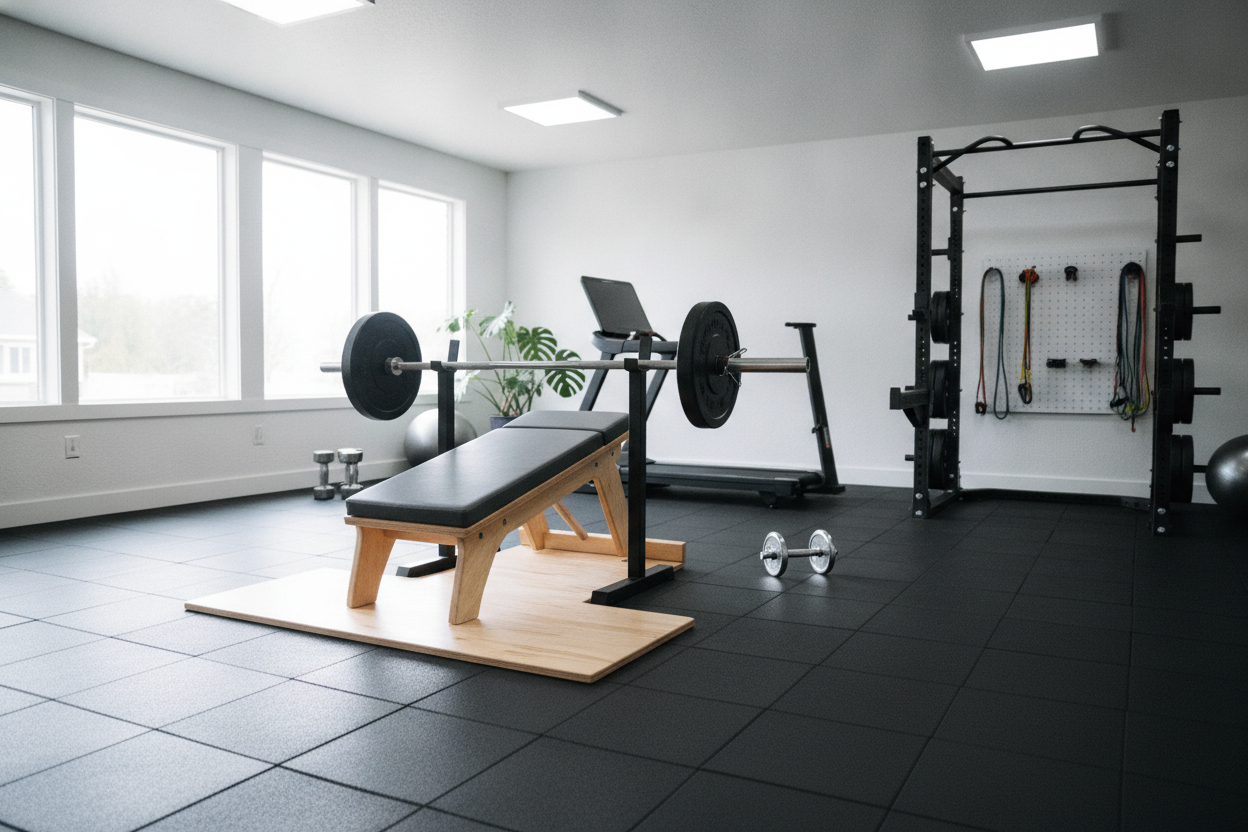
The sweet spot for most humans is 12 to 14 inches. At this height, the bottom of your shoulder blades can rest firmly on the edge. If your gym only has high benches, stack some bumper plates to create a platform for your butt to sit on, effectively lowering the bench height relative to your body. Or, do what I did and get a dedicated piece of gear. I use the Gxmmat Hip Thrust Bench in my garage because it is built at that lower height and has a grippy surface that prevents the 'sliding' issue entirely.
Don't Let a Bad Setup Ruin Your Posterior Chain Gains
The hip thrust is the king of glute builders, but it is not worth a herniated disc. If you are finishing a set and feeling like you need a neck brace, stop. Re-evaluate your bench height and check if you are sliding. A few inches of height adjustment can be the difference between a PR and a week on the heating pad. Fix the setup, tuck your chin, and keep the tension in your glutes—not your neck.
Personal Experience: My Bench Mistake
I spent a year using my competition powerlifting bench for thrusts. It is a beefy, 17.5-inch tall monster. I thought my neck pain was just 'part of the grind.' It wasn't until I visited a friend's gym that had a dedicated 13-inch floor block that I realized I'd been needlessly crushing my T-spine. The relief was instant. I didn't need more mobility work; I just needed a bench that didn't treat my spine like a nutcracker.
FAQ
Should I look at the ceiling during a hip thrust?
No. Keep your chin tucked toward your chest. If you look at the ceiling, you are almost guaranteed to hyperextend your lower back and put unnecessary strain on your neck.
What if my bench is too slippery?
Throw a yoga mat over the bench or use a piece of shelf liner. It creates enough friction to keep your shoulder blades locked in place so you don't slide into a neck-crunching position.
Is a barbell pad enough to stop the pain?
A pad helps with hip discomfort, but it does nothing for upper back pain. That is a height and positioning issue, not a padding issue.