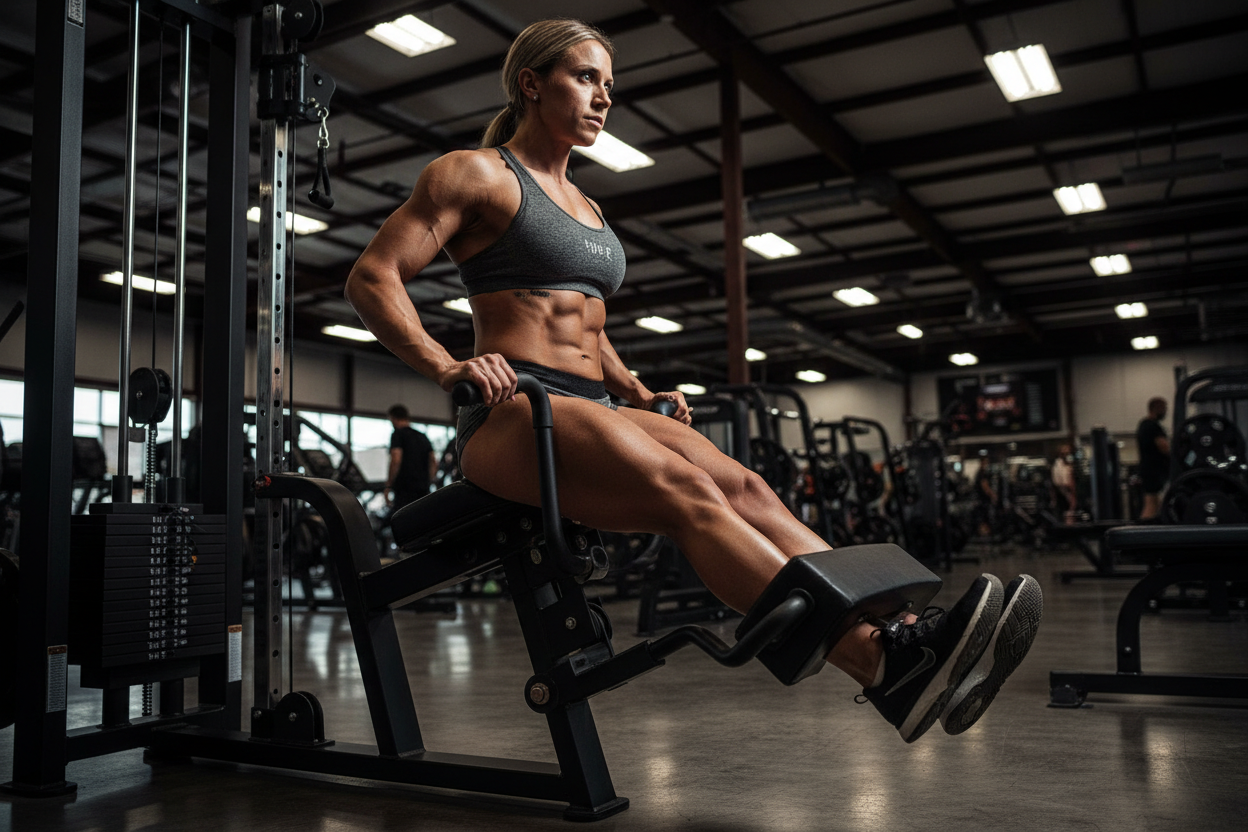
Is the Hip Abduction Machine Actually Effective? The Honest Truth
Walk into any commercial gym during peak hours, and you will see a line forming for the seated outer thigh machine. It is easily one of the most popular pieces of equipment, yet it is also the most misunderstood. Many users hop on expecting to melt away saddlebags, while others avoid it entirely, claiming it’s non-functional. The reality lies somewhere in the middle.
If you want to build a complete lower body, understanding the hip abduction machine muscles worked is non-negotiable. This isn't just about aesthetics; it is about hip mechanics, knee health, and squat stability. Let’s break down the anatomy and the strategy so you stop wasting sets.
Key Takeaways
- Primary Targets: The machine isolates the Gluteus Medius and Gluteus Minimus (the upper/side glutes).
- Secondary Helpers: The Tensor Fasciae Latae (TFL) and Sartorius assist the movement.
- Myth Buster: This machine does not burn fat directly off your hips; it strengthens the muscle underneath.
- Functionality: Strong abductors prevent knee valgus (knees caving in) during squats and lunges.
- Form Tip: Leaning forward increases glute activation; sitting back hits the TFL harder.
What Muscles Does the Hip Abduction Machine Work?
When you sit down and push your legs outward against resistance, you aren't just engaging generic "leg muscles." You are targeting a very specific muscle group responsible for moving your leg away from the midline of your body.
1. Gluteus Medius (The Prime Mover)
This is the star of the show. Located on the upper, outer surface of your pelvis, the gluteus medius is responsible for the "shelf" look many lifters chase. But functionally, it’s even more critical. It stabilizes the pelvis when you stand on one leg. If you have ever felt your hip drop while walking or running, weak glute meds are likely the culprit.
2. Gluteus Minimus
Sitting directly underneath the medius, the minimus acts as a synergist. It helps abduct the hip and prevents the thigh bone (femur) from jamming into the hip socket incorrectly. You won't see this muscle in the mirror, but you will feel it if it’s weak.
3. Tensor Fasciae Latae (TFL)
This is a small muscle at the front of the hip that feeds into the IT band. When asking what does the hip abductor machine do, many people forget the TFL. If you sit fully upright or recline while using the machine, the TFL takes over a significant portion of the load.
Are Hip Abduction Machines Good for You?
There is a lingering debate in functional fitness circles asking, are hip abductor machines good or are they a waste of floor space? The answer depends on your goal.
If you are an athlete trying to improve your vertical jump, this machine shouldn't be your primary movement. However, for hypertrophy (muscle growth) and rehabilitation, it is excellent. It allows you to take the glute medius to mechanical failure without the systemic fatigue of a heavy squat. This makes it a perfect "finisher" exercise.
Benefits of Hip Abduction Machine
Beyond simply asking does the hip abduction machine work for growth, consider the structural benefits:
- Knee Pain Prevention: Knee pain often originates in the hips. Weak abductors cause the knees to cave inward during heavy lifts (valgus collapse). Strengthening these muscles keeps the knees aligned over the toes.
- Better Squat Depth: Tight or weak hips limit mobility. By isolating these muscles, you improve your active range of motion.
- Aesthetic Balance: If you only do squats and lunges (sagittal plane movements), you develop the glute max but neglect the sides. This machine fills in the lateral gaps.
Common Mistakes: Stop Wasting Your Reps
Knowing the hip abduction machine target muscles is only half the battle. How you execute the movement changes the result.
The "Phone Scroll" Syndrome
This is the biggest issue. Users sit comfortably, pull out their phone, and mindlessly rep out. This lack of intent kills gains. You need to focus on a hard contraction at the peak of the movement. Pause for one second when your legs are fully open.
Using Momentum
If you have to swing your legs to get the weight moving, it’s too heavy. The outer thigh machine muscles worked are relatively small stabilizers. They respond better to controlled tension and higher reps (15–20 range) rather than explosive, heavy lifting.
My Training Log: Real Talk
I’ve had a love-hate relationship with this machine for years. I used to skip it because I thought it wasn't "hardcore" enough. That changed when I started dealing with patellar tendonitis (knee pain) during heavy squats.
I added the abduction machine in twice a week, but here is the specific detail most people miss: the plastic casing digs into your knees if you go heavy. I remember specifically using an older Life Fitness model where the padding was worn down. As I pushed out, the hard edge of the pad pressed right into my peroneal nerve on the side of my knee, causing my foot to go numb before my glutes even fatigued.
I learned to place a folded yoga mat or a hoodie between my outer knee and the pad. It looks goofy, but it allowed me to actually focus on the glute burn rather than the bruising on my legs. Also, I stopped leaning back. The moment I started leaning forward at a 45-degree angle—hinging at the hips, not rounding the spine—the cramping sensation moved from the front of my hip (TFL) directly to the upper side glute. That was the game changer.
Conclusion
So, does the hip abduction machine work? Absolutely, provided you stop treating it like a break station. It isolates the glute medius and minimus in a way that squats and deadlifts simply cannot. Use it at the end of your leg day, keep the reps high, control the eccentric (closing) phase, and lean forward to maximize glute recruitment.
Frequently Asked Questions
Does the hip abduction machine widen your hips?
Muscle growth in the gluteus medius can add slight curvature to the upper, outer hip area, potentially creating a more "hourglass" silhouette. However, it will not widen your actual pelvic bone structure, and it won't reduce hip dip indentations entirely as those are largely genetic.
What is the difference between the abductor and adductor machine?
The abductor machine benefits the outer hips (pushing legs out), targeting the glutes. The adductor machine works the inner thighs (squeezing legs together), targeting the groin muscles. Both are necessary for complete leg development and stability.
Is the hip abduction machine bad for your spine?
Generally, no. However, if you use excessive weight and jerk your body to move the pads, you can strain your lower back. Keeping your core braced and avoiding the "slouch" position protects the spine.