Can a 3-Day Muscle Building Full Body Workout Actually Add Mass?
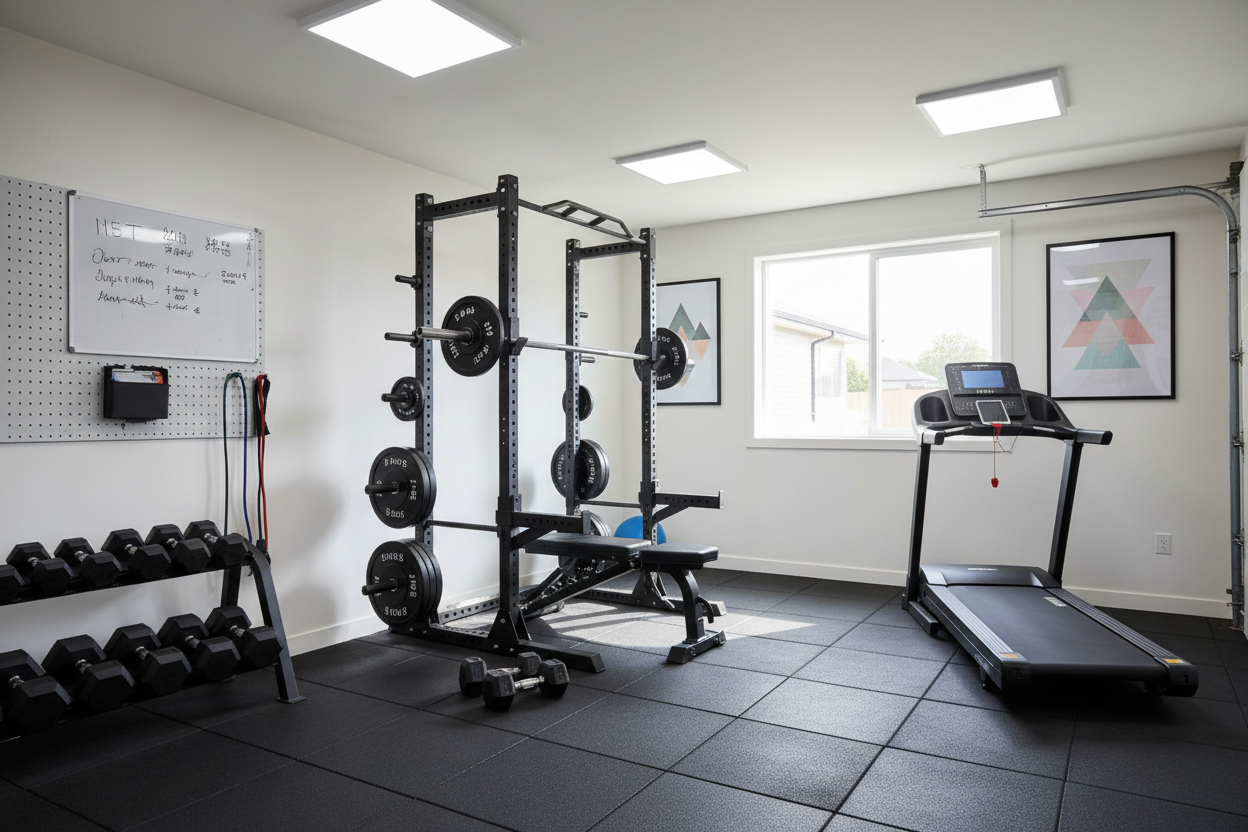
I remember staring at my training log in my freezing garage, frustrated that my bench press had been stuck at 225 lbs for three months. I was running a standard 'bro split'—chest Monday, back Tuesday, legs eventually—and I looked exactly the same as I did the year before. I was doing all the 'right' things, yet the scale wouldn't budge and my shirts weren't getting any tighter.
The reality is that for most natural lifters, the five-day isolation split is a trap. Switching to a muscle building full body workout three days a week was the only thing that finally broke my plateau. It sounds counterintuitive to train less often to grow more, but when you understand how frequency and recovery actually work, the math starts to make sense.
Quick Takeaways
- Frequency beats volume: Hitting a muscle 3x a week keeps protein synthesis elevated.
- Recovery is where the mass is made; those 4 rest days are mandatory.
- Compound movements are the foundation—isolation is just the garnish.
- Progressive overload is easier to track when you aren't fatigued from 15 'junk volume' sets.
Why I Finally Ditched the Traditional Body-Part Split
I used to spend two hours in the gym every Monday annihilating my chest from every possible angle. Incline, decline, cable flies, dips—you name it, I did it. By the time I got to the end of the session, I was just moving weight for the sake of moving it. This 'junk volume' didn't make me bigger; it just made me tired and kept me sore for five days.
When I finally pivoted to a full body workout for muscle and strength, the focus shifted from 'destroying' a muscle to 'stimulating' it. Instead of hitting chest once a week with 20 sets, I started hitting it three times a week with 3 to 5 sets of heavy, high-quality work. My strength shot up almost immediately because I was fresh every time I touched the barbell.
The Science of Frequency: Why 3 Days Beats 5 Days for Naturals
Muscle protein synthesis (MPS) is the process where your body repairs and builds new muscle tissue. For natural lifters, MPS usually drops back to baseline levels within 24 to 48 hours after a workout. If you only train your back on Tuesdays, you're growing until Thursday, then your back just sits there for the next five days doing nothing.
A full body routine for mass ensures you are triggering that growth signal every 48 hours. You’re essentially keeping your body in a constant state of repair and growth. You don't need to do six different types of curls to get big arms; you need to do heavy rows and pull-ups three times a week with enough intensity to force adaptation.
Structuring Your Garage Gym Routine (Without Spending 3 Hours)
The biggest fear people have with a full body mass building routine is that the workouts will take forever. If you try to do your old isolation routine for every muscle group in one day, you'll be in the gym until next Tuesday. The key is extreme efficiency and picking the movements that give you the most bang for your buck.
If you're working with limited space or need a full body apartment workout, you have to prioritize movements that don't require a dozen different machines. You want exercises that challenge your stability and force multiple muscle groups to work in unison. This isn't just about saving time; it's about hormonal response and overall systemic fatigue.
Picking the Right Heavy Compound Lifts
Your session should be anchored by the 'Big Four': a squat variation, a hinge (like a deadlift), a push, and a pull. These are the mass builders. I personally do my heavy deadlifts and squats on a large 6x8ft exercise mat. Having a dedicated, non-slip surface is non-negotiable when you're moving 300+ pounds; I've tried lifting on cheap foam tiles before and the instability is a recipe for a blown-out lower back.
Focus on ground contact. Whether it's a back squat or a standing overhead press, your power comes from the floor. If your 'gym flooring' is just the concrete of your garage, you're going to regret it once the weights get heavy enough to matter.
Managing Overlap and Joint Fatigue
You can't go 100% max effort on squats and deadlifts in the same session three times a week. Your central nervous system will fry faster than a cheap circuit breaker. The secret to a successful full body workout for mass building is alternating intensity. Maybe Monday is 'Heavy Squat, Light Hinge,' while Wednesday is 'Heavy Deadlift, Light Squat.'
A Sample 3-Day Mass Building Template
This is a classic A/B split. You alternate these sessions every other day (e.g., Mon/Wed/Fri), giving yourself those crucial 48 hours of rest in between.
- Workout A: Squats (3x5), Bench Press (3x5), Barbell Rows (3x8), Face Pulls (2x15).
- Workout B: Deadlifts (1x5), Overhead Press (3x5), Pull-ups (3xAMRAP), Lunges (2x10).
Stick to this for 12 weeks. Don't add extra 'fluff' sets just because you don't feel 'destroyed.' If you are adding weight to the bar every week, you are growing. You can check out our workout hub for more specific exercise substitutions if you're missing certain equipment like a pull-up bar or a power rack.
Stop Fretting Over Bicep Curls (For Now)
I get it—everyone wants big arms. But I’ve never seen a guy who can row 225 lbs for reps with small biceps. When you're running a full body muscle building workout plan, your arms are getting hammered as secondary movers in every single press and pull. If you have energy left at the end of a session, sure, throw in two sets of curls. But if you're skipping your heavy rows to do more concentration curls, you're majoring in the minors.
FAQ
Can I do this 3-day full body routine if I'm a beginner?
Absolutely. In fact, it's the best way to start. It allows you to practice the major lifts more frequently, which helps you build the neurological skill of lifting heavy weight much faster than a once-a-week split.
Do I need a squat rack for a full body mass workout?
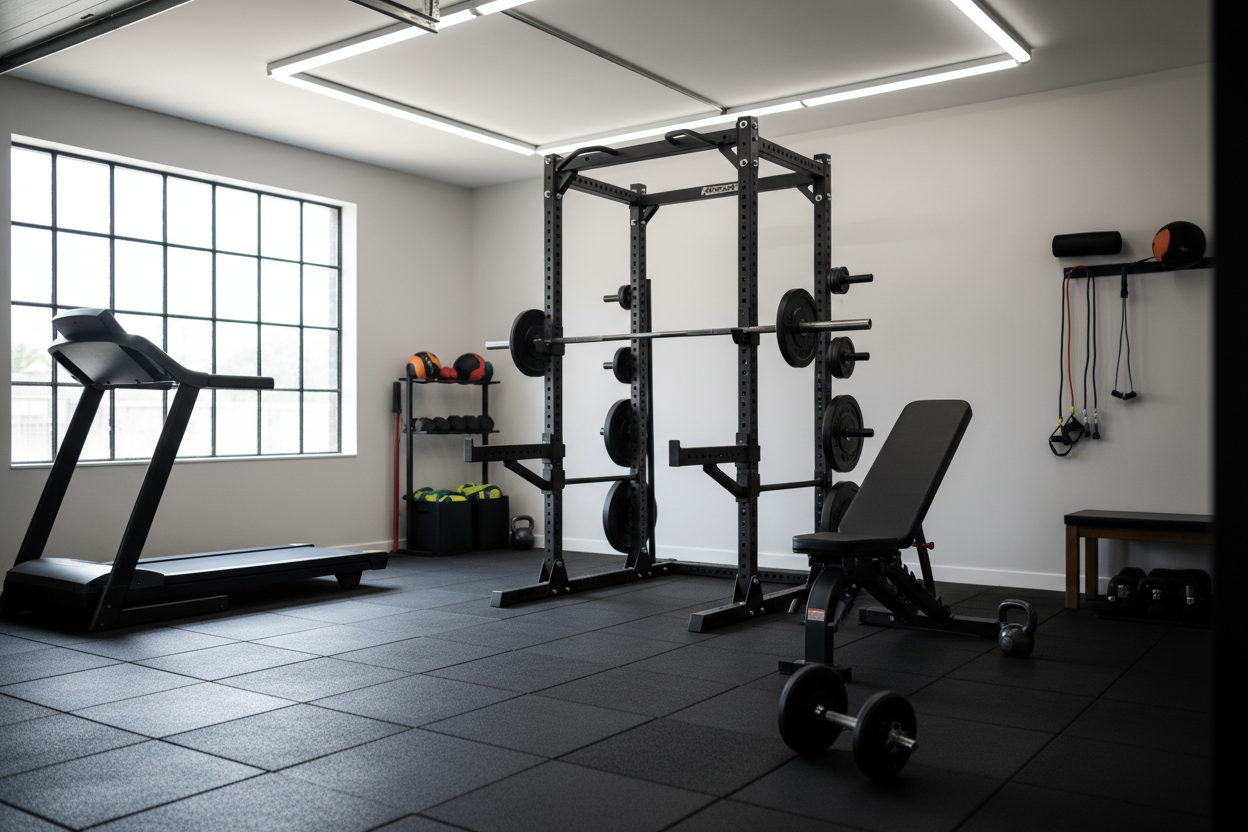
While you can get away with dumbbells or kettlebells for a while, a solid power rack is the gold standard for mass. It allows you to safely push your limits on the big compounds without needing a spotter.
What should I eat on this program?
You need to be in a caloric surplus. A full body workout for mass gain only works if you're giving your body the raw materials to build tissue. Aim for 0.8 to 1 gram of protein per pound of body weight and don't be afraid of carbs—they're your primary fuel for these heavy sessions.