I Quit Bro Splits for Full Body Bodybuilding in My Garage
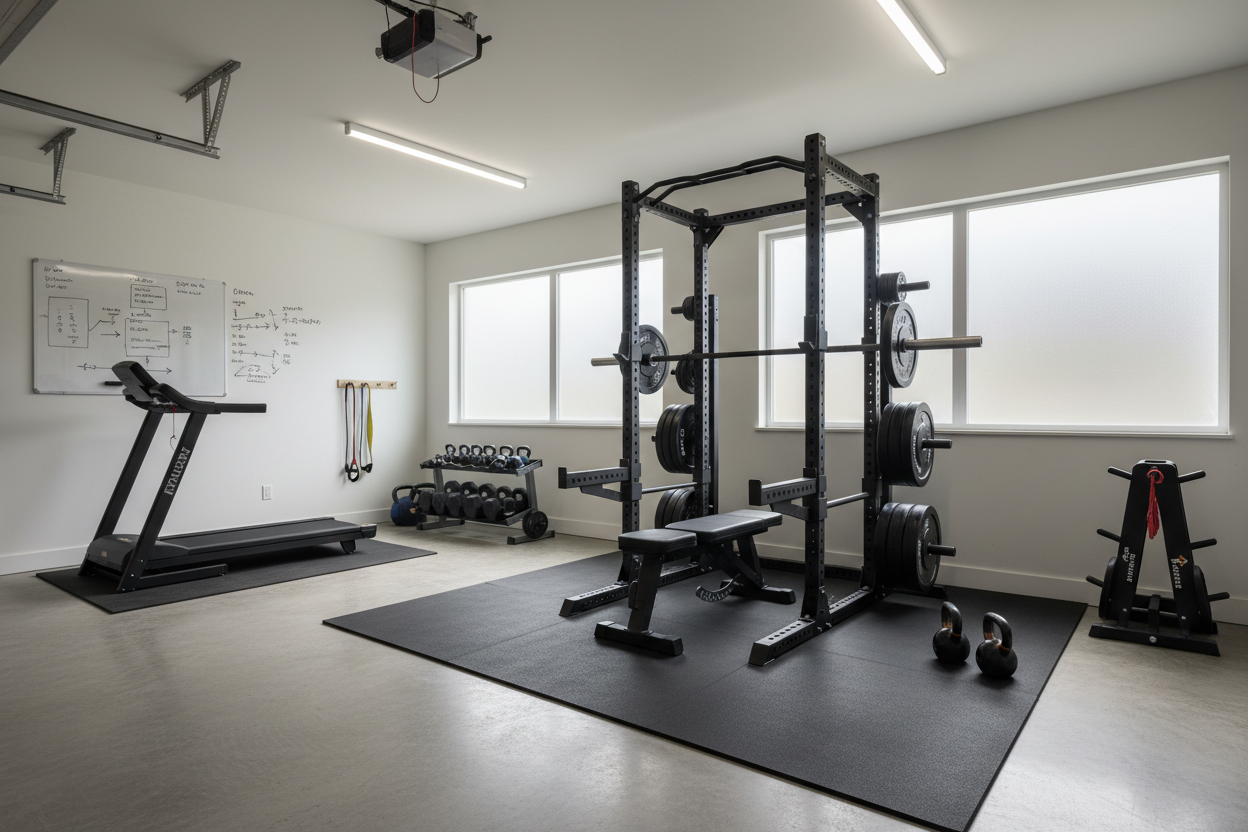
I spent years chasing the classic Monday-is-chest-day routine in my garage. It worked for a while, but eventually, I hit a wall where my 45-minute sessions were mostly spent moving plates, adjusting safety pins, and warming up for one heavy lift. I realized that if I wanted real results from body bodybuilding, I had to stop pretending I was training in a 40,000-square-foot commercial facility with a dozen specialized machines at my disposal.
Quick Takeaways
- Full body routines ensure you never miss a muscle group due to life's interruptions.
- High-frequency training builds more total weekly volume with less session fatigue.
- Equipment setup time is the silent killer of garage gym progress.
- Joint health becomes a priority when you're hitting heavy compounds three times a week.
The Problem With 'Optimal' Body Part Splits at Home
Training alone in a 200-square-foot garage is a different beast than hitting a big box gym. When you run a 5-day split, your entire week depends on hitting every single session. If your kid gets sick on 'Back Day' or a work meeting runs late on 'Leg Day,' you've suddenly gone two weeks without hitting those muscles. That is a recipe for stagnation.
In my garage, the transition between exercises is where I lost the most time. Moving from a flat bench to a barbell row meant stripping 225 lbs, moving the bar, and resetting the rack height. By the time I was ready for my second exercise, my heart rate had dropped and my motivation was dipping. Splitting your physique into five days might look good on paper, but it fails the reality test of a solo lifter with limited floor space.
What Actually Defines True Full Body Bodybuilding?
Full body bodybuilding isn't just about doing a few sets of squats and going home. It’s a calculated approach to hitting every muscle group—quads, back, chest, shoulders, and arms—within a single session. The goal is the pursuit of those elite bodybuilding bodies, which requires more than just chasing a one-rep max on the big three lifts.
To make this work, I had to stop thinking like a powerlifter and start thinking like a sculptor. I rotated the best full body workout bodybuilding plan for 12 weeks to see if the frequency would actually yield results. Instead of destroying my chest once a week with 15 sets, I hit it three times a week with 5 high-quality sets. My recovery improved, and my muscles stayed 'full' year-round rather than just looking pumped on their designated day.
Why My Legs Refused to Grow (Until I Changed Tactics)
For a long time, my legs were my biggest weakness. I told myself it was genetics, but the truth was I hated the setup. Dragging out the heavy barbell and setting up the squat stand felt like a chore after a 10-hour workday. I fell into the full body bodybuilding trap that kept my legs small by relying solely on one heavy compound movement and calling it a day.
To fix this, I stopped being a purist. I realized that to build a real bodybuilding body, I needed isolation volume that didn't require a 20-minute setup. Adding a dedicated lower body strength machine to my corner was the turning point. Being able to jump into hack squats or leg presses without the mental fatigue of a heavy barbell allowed me to actually reach failure on my quads without my lower back giving out first.
High Frequency Training and the Concrete Floor Reality Check
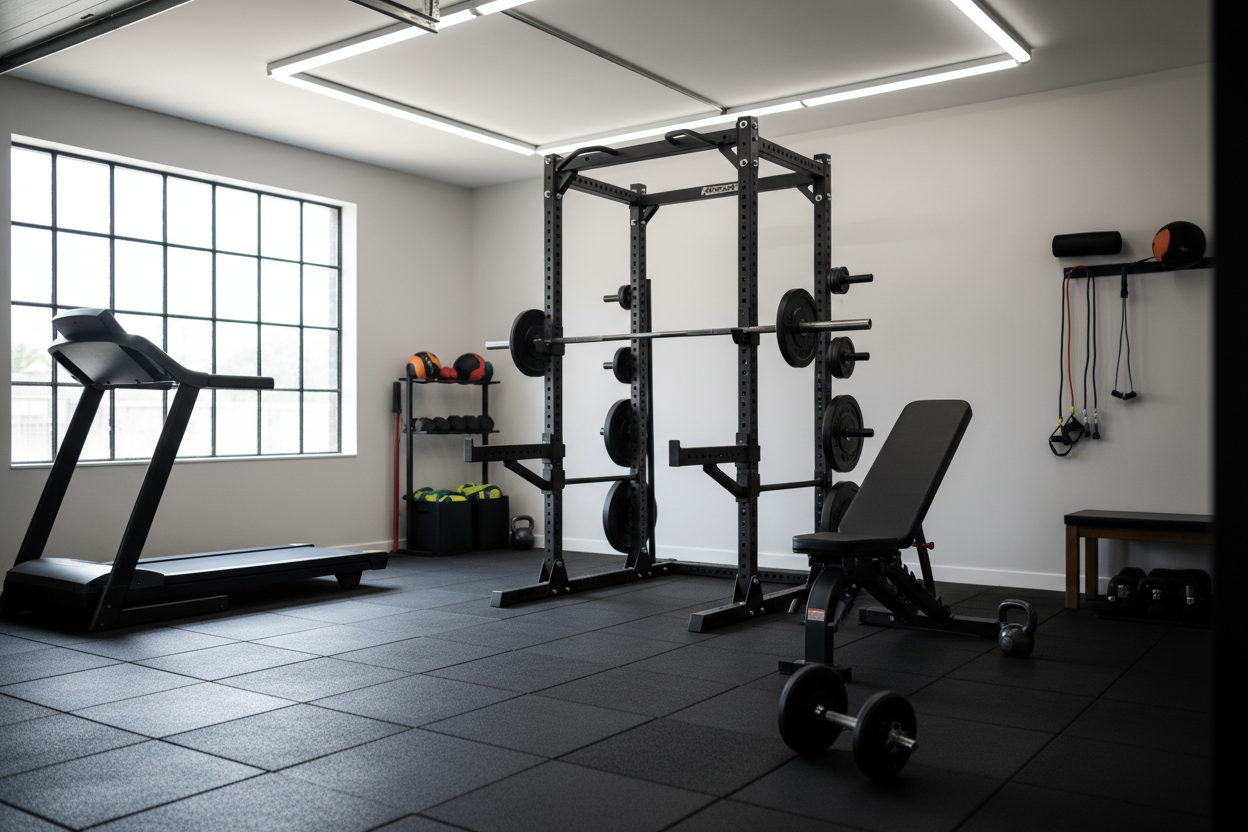
Training every muscle group three to four times a week exposes every flaw in your gym setup. When I first started, I was lifting on bare concrete with some cheap 1/2-inch foam tiles. Within a month, my knees and ankles were screaming. Heavy, repetitive floor work on a hard surface will destroy your joints long before your muscles actually fatigue.
I finally stopped being cheap and invested in a high-density exercise mat gym flooring for home workout. The difference in impact absorption was immediate. If you're going to be doing high-frequency bodybuilding, you need a surface that doesn't fight back. You can't build muscle if you're too hobbled to stand in the rack.
How to Transition to Bodybuilding for Fitness
If you're ready to make the switch, you have to drop the ego. Bodybuilding for fitness is about the quality of the contraction, not just moving the weight from point A to point B. Focus on slow eccentrics and feeling the muscle work. When you're training full body, you don't need to move the entire gym every day; you just need to stimulate the tissue and move on.
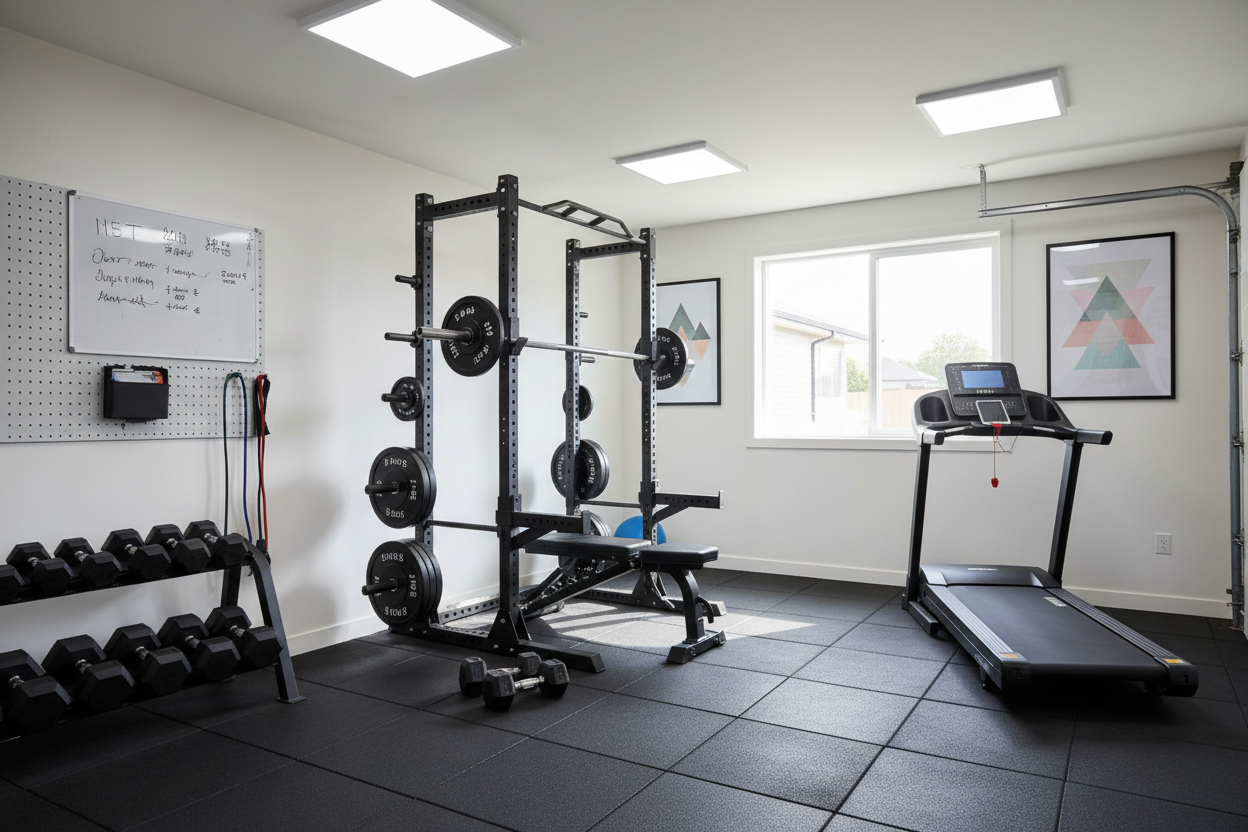
This high-frequency approach is the most sustainable way I've found to train in a garage. It keeps the sessions fresh, ensures no muscle group is left behind, and honestly, it’s just more fun than spending two hours doing nothing but triceps. Build the routine around your equipment, protect your joints, and the growth will follow.
FAQ
Is full body bodybuilding better than a bro split?
For most home gym owners, yes. It offers higher frequency and more flexibility. If you miss a day, you haven't missed an entire muscle group for the week.
How long should a full body session take?
Aim for 60 to 75 minutes. If you're going longer, you're likely resting too much or doing too many 'fluff' exercises. Keep the intensity high and the rest periods around 90 seconds.
Can I build a pro-level physique with just a garage gym?
Absolutely. Some of the best bodybuilding bodies were built in dusty garages. It comes down to your consistency and having the right tools to hit every muscle group effectively.