Booty Shape Exercise Framework: Glute Training Vectors and Home Floor Setup
Anatomy of Lower-Body Sculpting: The Multi-Vector Approach
Developing balanced lower-body curves requires understanding the anatomical complexity of the posterior chain. The gluteal group is composed of three distinct muscles that work in concert across various planes of motion. Rather than relying on a single repetitive movement, an effective booty shape exercise routine addresses vertical knee-dominant loading, horizontal hip extension, and lateral abduction to encourage proportional development.
Targeting the Gluteus Maximus for Fullness and Projection
The gluteus maximus is the largest muscle in the human body, accounting for the primary volume, depth, and rear projection of the posterior chain. Its muscle fibers run diagonally, allowing it to perform powerful hip extension, external rotation, and posterior pelvic tilt. To stimulate the gluteus maximus across its entire range of motion, training must incorporate both lengthened-load movements such as deep hinges and shortened-load movements such as hip thrusts.
Engaging the Gluteus Medius and Minimus for Upper Hip Contour
Situated along the upper and lateral aspects of the pelvis, the gluteus medius and gluteus minimus control thigh abduction and stabilize the pelvis during single-leg actions. Strengthening these muscles develops the upper side contour of the hips while keeping the pelvis level during walking, running, and lifting. Neglecting these smaller stabilizers often results in inward knee collapse and reduces overall hip definition.
Core Booty Shape Exercise Categories for Home Training
To establish a thorough booty shape workout at home, exercises should be organized by tension profile rather than equipment alone:
- Lengthened-Position Exercises: Movements such as Romanian deadlifts and deep lunges load the glutes under peak stretch, producing substantial muscular tension when the hips are deeply flexed.
- Shortened-Position Exercises: Variations like glute bridges and hip thrusts place maximum resistance at full hip extension, where the glutes reach peak contraction.
- Lateral and Rotational Isolation: Banded abductions, cable kickbacks, and side-lying leg raises isolate the upper glute shelf without heavily taxing the lower back or quadriceps.
Step-by-Step Movement Execution and Form Cues
Proper biomechanical execution ensures that mechanical tension targets the glutes instead of shifting into the lumbar spine or anterior thighs.
Horizontal Thrusts and Floor Bridges
The barbell or dumbbell hip bridge is an essential buttock shaping exercise because it isolates hip extension while limiting lower back shear. Lie flat on your back with knees bent and feet planted flat on the floor, roughly hip-width apart. Position your heels so that your shins remain vertical at the top of the movement. Drive through the heels, tucking the pelvis slightly and keeping your rib cage down to avoid overarching the lower back. Squeeze the glutes firmly at full extension before lowering under control.
Unilateral Split Squats and Step Variations
Unilateral training addresses bilateral strength imbalances and challenges pelvic stabilization. For a glute-biased Bulgarian split squat or reverse lunge, hinge slightly forward at the hips while maintaining a neutral spine. A forward torso tilt with a vertical or near-vertical shin directs the primary workload into the working glute rather than the front quadricep. For additional programming ideas on pairing compound lower-body patterns, consult this detailed exercise for legs and buttocks guide.
Banded and Bodyweight Lateral Abductions
To finish the glute contour, direct lateral movements are invaluable. Side-lying leg raises, fire hydrants, and banded lateral walks target the abductors with minimal joint stress. Maintain a slight inward turn of the working toe and keep the pelvis locked in place to prevent the hip flexors or lower back from driving the movement. For deeper recommendations on targeting lateral hip curves, explore this complementary butt and hip exercise guide.
Home Gym Surface Staging: Stability, Traction, and Floor Protection
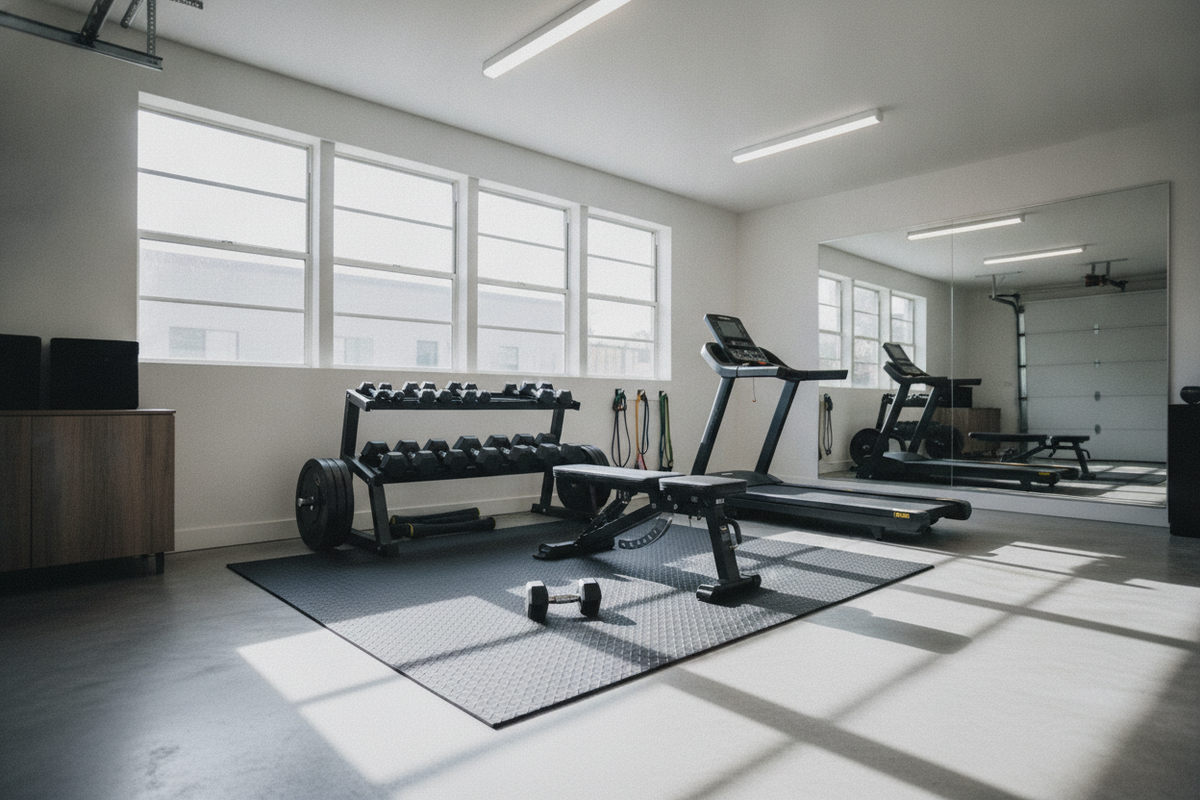
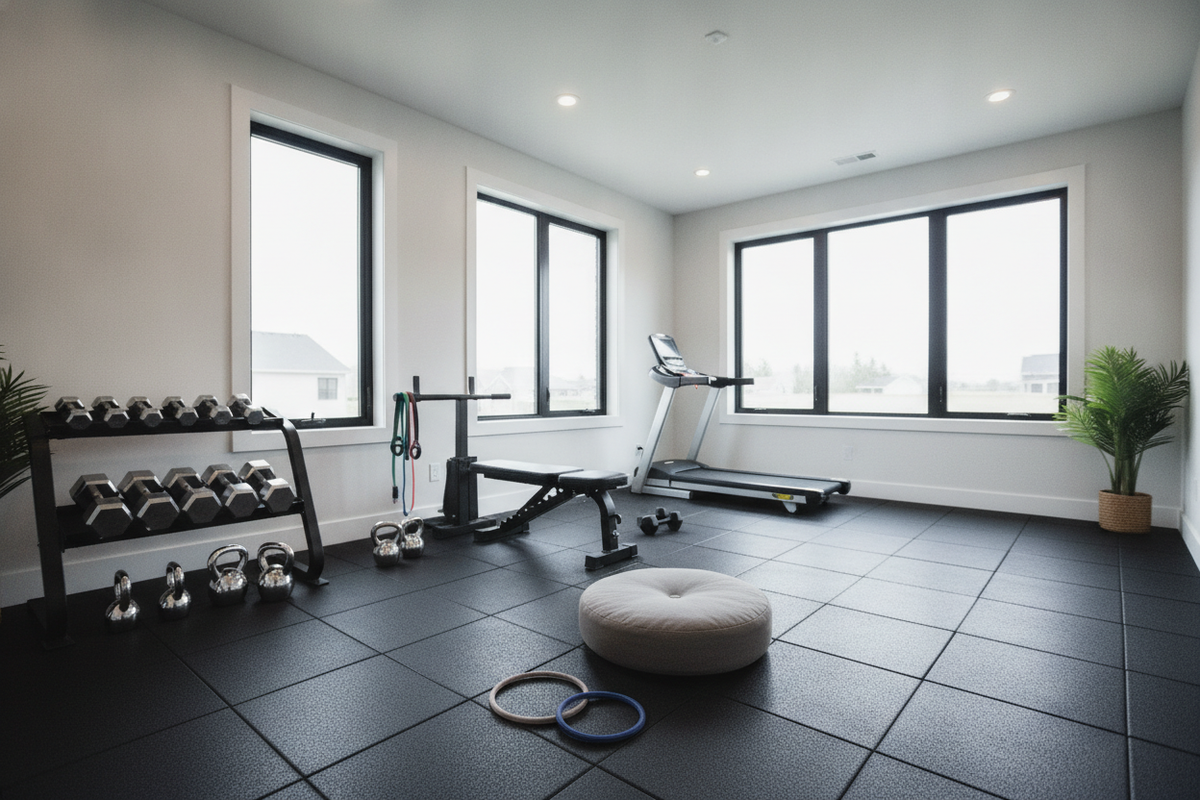
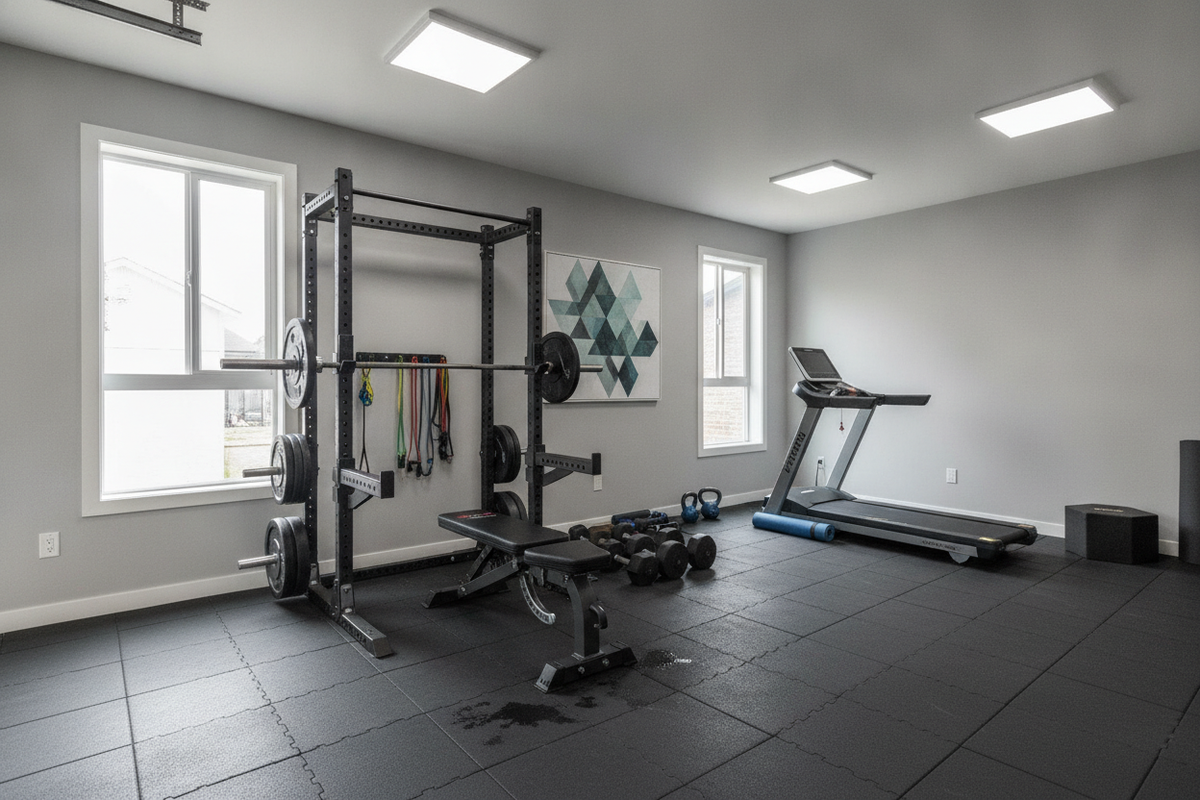
Executing a dedicated shape buttocks exercise program at home demands more than dumbbells and resistance bands; the training surface plays a critical role in exercise safety and performance. When driving through the heels during heavy bridges or balancing during unilateral split squats, an unstable or squishy mat can collapse underfoot, destabilizing the ankle and altering knee tracking.
A supportive setup requires high-density flooring that offers reliable grip without spongy compression. Selecting a dedicated surface from a dense exercise mat collection provides firm grounding that protects knees during kneeling drills while safeguarding underlying floors from weights and benches. For trainees managing multi-directional circuits, a spacious surface like a 6x10ft exercise mat for home workout allows seamless transitions between floor bridges, lunges, and lateral band walks without constantly repositioning equipment.
Structuring a Balanced Weekly Booty Shape Workout Routine
Muscle remodeling occurs through progressive stimulus followed by structured recovery. Rather than training the glutes haphazardly every day, structure workouts across two to three focused sessions per week:
- Session A (Heavy Compound and Shortened Focus): Hip thrusts or weighted bridges, Bulgarian split squats, and banded seated abductions.
- Session B (Hinge and Lengthened Focus): Romanian deadlifts, reverse lunges, and cable or banded kickbacks.
- Session C (Unilateral and Volume Finisher): Step-ups, single-leg hip thrusts, and side-lying clamshells.
Allow at least 48 hours between intense sessions to support tissue repair and maintain high execution quality.
Common Glute Training Mistakes and Execution Adjustments
Many trainees struggle to see visual changes due to common mechanical compensation patterns:
- Hyperextending the Lumbar Spine: Tilting the pelvis forward and arching the lower back at the top of a bridge transfers mechanical load away from the gluteus maximus onto the lumbar spine. Focus on tucking the pelvis under and keeping the lower ribs pulled inward.
- Over-Dominant Quadriceps: When performing lunges or squats, maintaining an upright torso pushes tension into the quadriceps. Leaning the torso forward over the lead thigh increases the hip hinge angle and engages the glutes.
- Slippery or Soft Grounding: In my view, training glutes on high-pile carpet or plush yoga mats often creates micro-wobbles that cause hip stabilizers to fire reactively rather than forcefully. A dense, flat surface keeps footing planted and force transfer direct.
By pairing deliberate multi-angle exercise selection with disciplined form and a stable floor foundation, home trainees can build an effective, sustainable glute sculpting routine.