How to Sculpt Powerful Curves With Butt and Hip Exercises
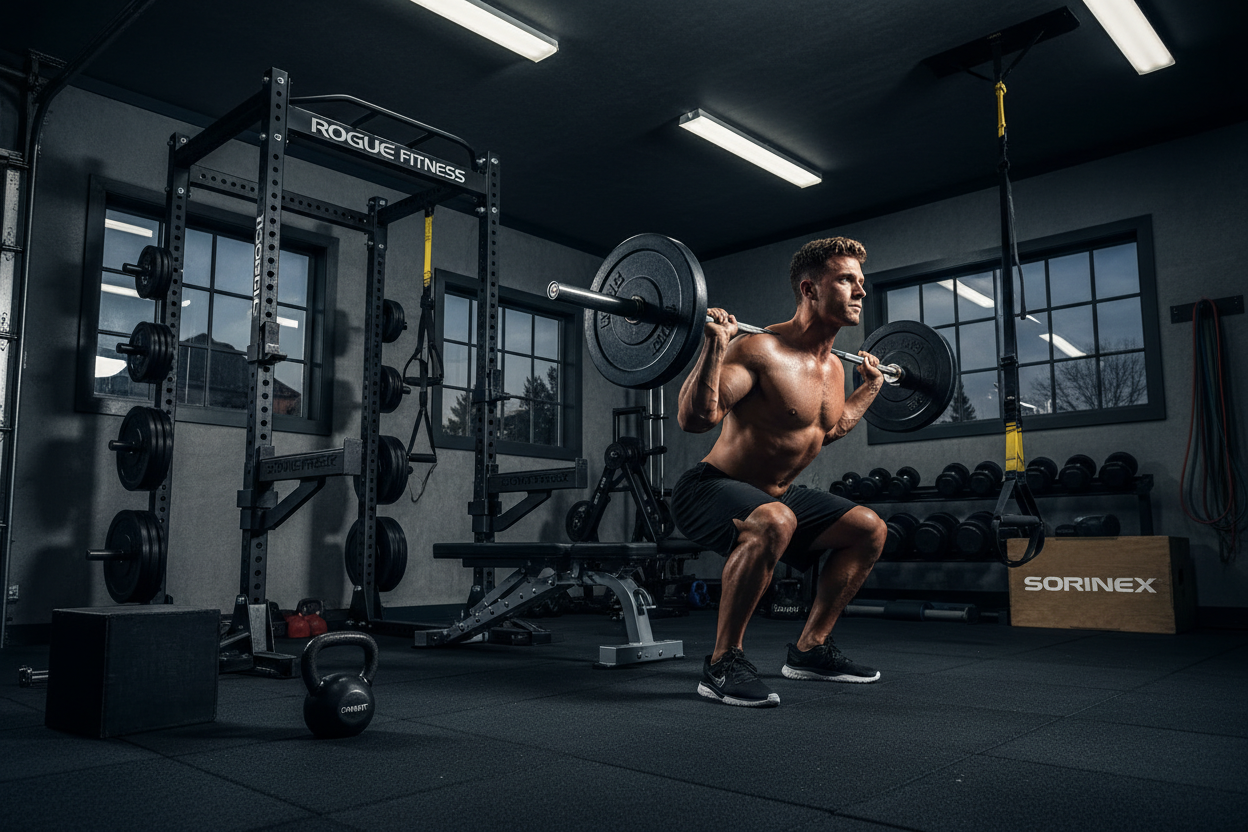
Most people approach lower body training with the wrong mindset. They obsess over squat variations, expecting their hips to widen and their glutes to lift overnight. The reality is that anatomy dictates shape, but muscle manipulation dictates size. If you want to change your silhouette, you need a strategy that targets the gluteus medius and maximus specifically, rather than just throwing volume at your legs.
Effective butt and hip exercises require a blend of heavy compound movements and high-repetition isolation work. It is not about confusing the muscle; it is about applying mechanical tension where it counts. Let’s break down how to actually build these muscles without wasting hours on ineffective cardio.
Key Takeaways
- Volume vs. Intensity: High reps burn, but heavy loads build. You must prioritize progressive overload to see physical changes in the hips and buttocks.
- Anatomy Matters: You cannot change your bone structure, but targeting the gluteus medius (side glute) creates the visual illusion of wider hips.
- The "Big Three" Focus: Your routine should revolve around hip thrusts, abduction movements, and deep stretching exercises like RDLs.
- Nutrition is Fuel: No amount of exercise for booty and hips will work if you are in a caloric deficit; muscle requires surplus energy to grow.
The Science of Building Hips and Glutes
Before we look at the movements, you need to understand the mechanism of growth. Many people search for an "exercise for bigger hips and buttocks," not realizing that hip width is largely determined by the pelvis. However, you can build the muscle sitting on top of the hip bone.
To create that curvy aesthetic, we focus on the Gluteus Medius. This muscle sits on the upper, outer side of the pelvis. When hypertrophied (grown), it pushes outward, reducing the appearance of "hip dips" and creating a rounder look. A comprehensive buttocks and hip workout must target this specific area, not just the gluteus maximus (the main part of the butt).
Compound Movements: The Foundation
You cannot sculpt a pebble. You need mass first. The best exercises for thighs hips and bum are compound lifts that allow you to move the most weight.
The Hip Thrust
This is the king of posterior chain development. Unlike squats, which place significant load on the quads and lower back, the hip thrust isolates the glutes at their shortest length (full contraction). This is essential for the "shelf" look.
Romanian Deadlifts (RDLs)
RDLs work the hamstrings and glutes in a lengthened position. This is the stretch portion of the movement. If you want a lift where the glute meets the thigh (the glute-ham tie-in), this is the exercise for bum and hips you cannot skip.
Isolation Work: Targeting the Width
Once the heavy lifting is done, you move to isolation. This is where we target the "hips and buttocks exercise" specific needs—specifically lateral growth.
Cable or Banded Abductions
Standing cable abductions are arguably the best hip and bum exercises for width. By kicking the leg out to the side against resistance, you directly engage the gluteus medius. Ensure your toes are pointed slightly inward to minimize quad involvement.
The Clamshell
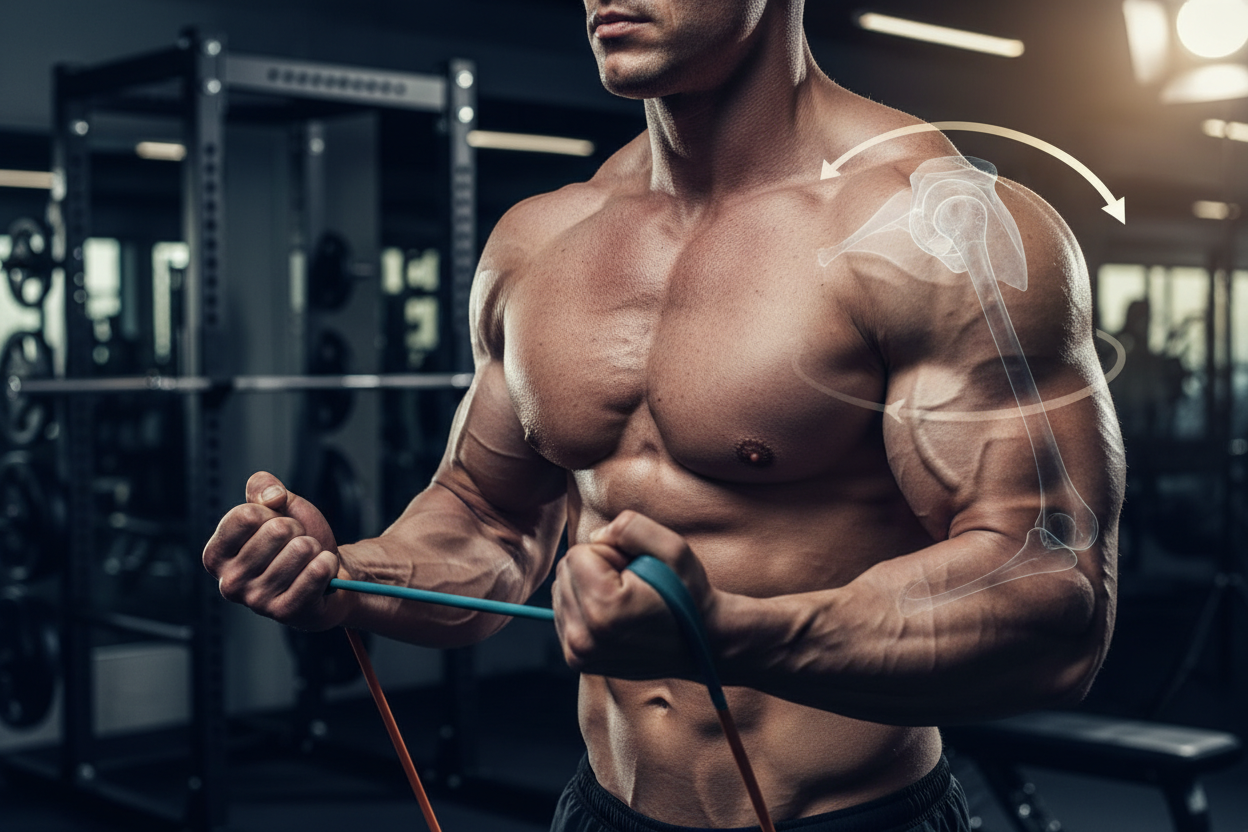
Often dismissed as a rehab move, the clamshell is potent if done with heavy resistance bands. It is a staple exercise for buttocks and hips because it forces external rotation, a primary function of the gluteal muscles.
Home Training: Can You Grow Without a Gym?
A common question is whether you can find an effective exercise to increase buttocks and hips at home. The answer is yes, but the intensity must increase. Since you lack heavy barbells, you must use high volume, unilateral movements (single-leg), and pause reps.
A workout for hips and buttocks at home should lean heavily on:
- Bulgarian Split Squats: These destroy the glutes with just body weight or dumbbells.
- Single-Leg Glute Bridges: Perform these with a 3-second hold at the top.
- Fire Hydrants: Use a heavy fabric resistance band to make this a viable exercise for hips and butt.
My Training Log: Real Talk
I want to share my personal experience with butt and hip exercises because the glossy Instagram videos rarely show the gritty reality. I spent my first two years of training obsessing over squats, thinking that was the key. My quads grew massive, but my hips stayed exactly the same.
The turning point came when I started prioritizing heavy hip thrusts. I remember vividly the first time I pushed past 225 lbs. I didn't have a proper barbell pad, just a thin yoga mat wrapped around the bar. The next morning, my hip bones were bruised purple and tender to the touch—it looked like I’d taken a baseball bat to the pelvis. Sitting down was uncomfortable for three days.
However, that was also the first month I noticed my jeans fitting tighter around the seat but looser at the waist. I learned the hard way that the "burn" you feel from doing 50 kickbacks with no weight means nothing compared to the mechanical tension of moving heavy iron. If you aren't making an ugly face on your last rep, you aren't growing.
Conclusion
Building a strong posterior chain isn't about finding a magic "booty and hips" routine that works in two weeks. It is about anatomical targeting and progressive overload. Focus on getting stronger at hip thrusts and abductions, eat enough protein to support repair, and stop fearing heavy weights. The curves will follow the strength.
Frequently Asked Questions
Can exercise actually widen my hips?
You cannot widen your pelvic bone structure through exercise. However, you can build the gluteus medius and tensor fasciae latae muscles on the side of the hip. Hypertrophy in these muscles adds physical mass to the side of your body, creating the visual appearance of wider hips and a curvier silhouette.
How often should I train hips and buttocks for growth?
For optimal growth, aim to train these muscle groups 2 to 3 times per week. The glutes are large, resilient muscles that can handle high volume, but they also require at least 48 hours of rest between heavy sessions to repair and grow.
Why am I feeling squats in my legs but not my glutes?
This is usually due to being "quad-dominant" or having poor glute activation. To fix this, widen your stance slightly and point your toes out. Additionally, perform activation exercises like banded clamshells before squatting to "wake up" the glutes so they fire during the compound lift.