Stop Fearing Bulk: The Real Science of Weight Lifting Legs Women
You have likely heard the rumors. You might even believe them. The idea that touching a barbell will instantly turn you into a bodybuilder is a myth that refuses to die. But here is the reality: if you want definition, metabolic efficiency, and functional strength, weight lifting legs women is the missing link in your routine.
Many women stick to cardio or high-rep bodyweight exercises because they want to "tone" rather than build. However, that "toned" look is actually the result of having sufficient muscle mass and low enough body fat to show it off. You cannot shape a muscle that isn't there.
Key Takeaways: Leg Training for Women
- Intensity Matters: Lifting heavy (6-10 rep range) builds density and strength, not necessarily bulk.
- Compound Movements First: Prioritize squats, deadlifts, and lunges over machines.
- Rest is Growth: Your legs grow and shape while you sleep, not while you lift.
- Frequency: Training legs twice a week yields better results than a single "destruction" day.
Why Heavy Lifting Won't Make You Bulky
Let’s address the elephant in the room. You are worried about your jeans not fitting. I get it. But physiologically, women simply do not possess the testosterone levels required to pack on massive amounts of size without deliberate, years-long effort and specific nutritional surpluses.
When you engage in weight training for women legs, you are primarily stimulating myofibrillar hypertrophy. This increases the density of the muscle fibers rather than just the fluid volume (sarcoplasmic hypertrophy). The result? Harder, firmer legs, not necessarily bigger ones.
The Metabolic Advantage
Legs house the largest muscle groups in your body: the glutes, quads, and hamstrings. Training these groups demands massive amounts of energy. By lifting heavy, you increase your Excess Post-exercise Oxygen Consumption (EPOC). This means you burn calories at a higher rate for hours after you leave the gym, far longer than you would after a treadmill session.
Structuring Your Leg Day
Stop wandering around the gym aimlessly. Effective weight training legs women requires a plan centered on movement patterns, not just random exercises.
1. The Squat Pattern
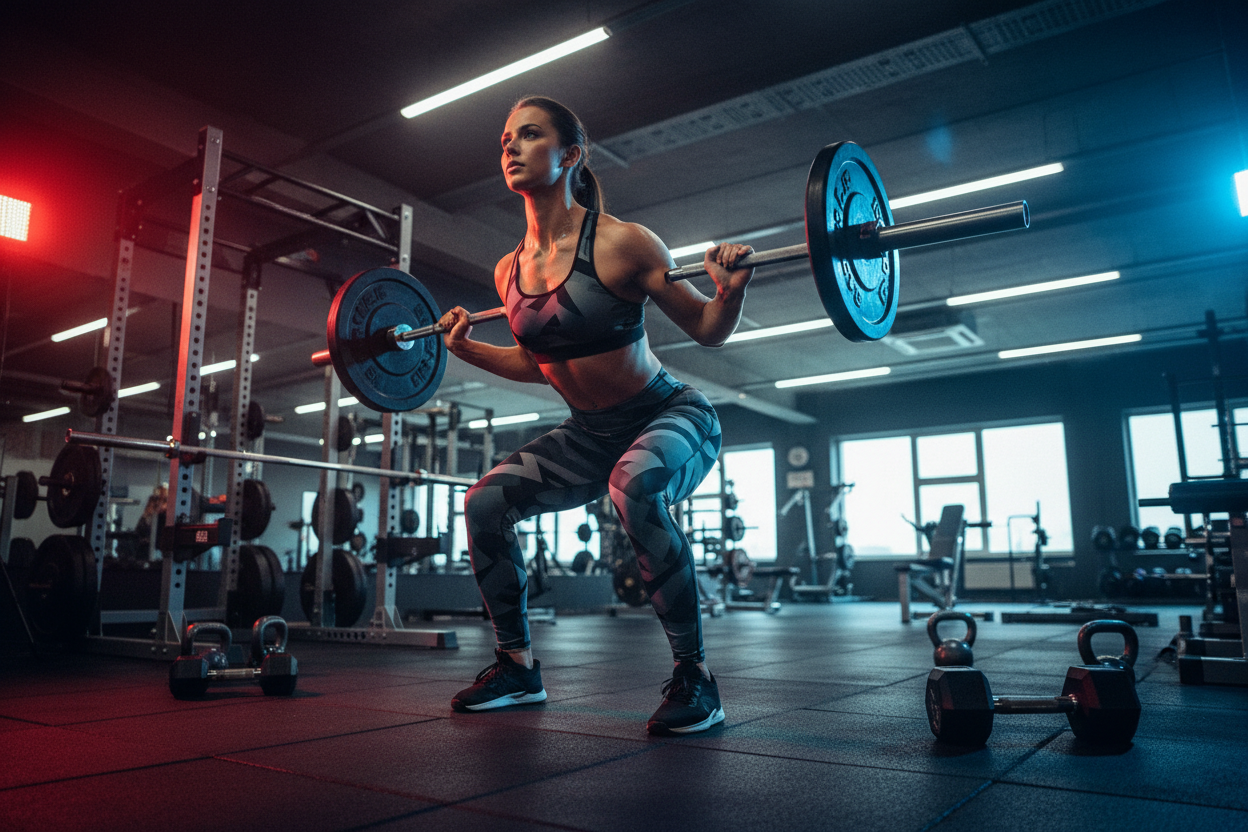
Whether it is a goblet squat, back squat, or front squat, this is non-negotiable. It hits the quads and glutes while demanding core stability. If you are new, start with a goblet squat holding one dumbbell at your chest. It forces you to keep your chest up and teaches proper depth without the spinal load of a barbell.
2. The Hinge Pattern (Deadlifts)
The posterior chain (hamstrings, glutes, back) is often neglected in women's training. The Romanian Deadlift (RDL) is king here. It focuses on the stretch of the hamstring. Keep a slight bend in the knees, push your hips back as if closing a car door with your butt, and stop when your hips stop moving back.
3. Unilateral Work
Split squats or lunges are essential. They fix muscle imbalances. If your right leg is stronger than your left, a heavy back squat will just reinforce that imbalance. Bulgarian Split Squats are brutal, but they are arguably the best exercise for glute isolation and leg stability.
Common Mistakes to Avoid
Fearing the Rest Period: If you are lifting heavy enough to spark change, you cannot rest for just 30 seconds. You need 2 to 3 minutes between heavy sets. If you can go again immediately, the weight is too light.
Ignoring Progressive Overload: Doing the same 15 reps with the same pink dumbbells for six months will yield zero physical changes. You must add weight, reps, or improve technique every single week.
My Training Log: Real Talk
I want to be transparent about what this actually feels like. The first time I committed to a heavy leg block, I wasn't strutting out of the gym feeling empowered. I was waddling.
Specifically, I remember the first time I did heavy Bulgarian Split Squats properly. It wasn't just the muscle burn; it was the balance. My stabilizing ankle was shaking so violently I thought I'd tip over. And the next day? It wasn't just general soreness. I recall trying to sit down on the toilet and having to physically brace myself against the sink because my quads refused to control the descent. That specific loss of fine motor control is humbling. But three weeks later, that same weight moved smooth as butter, and the definition line down the side of my thigh finally showed up. That "waddle" is the price of admission.
Conclusion
Building strong legs is a long game. It requires patience, food for fuel, and the courage to grab a heavier dumbbell than you think you can handle. Don't let the fear of bulk keep you weak. Step into the squat rack and claim the strength you deserve.
Frequently Asked Questions
How often should I train legs for best results?
For most women, training legs twice a week is the sweet spot. This allows you to split volume between quad-focused days and hamstring/glute-focused days, ensuring adequate recovery while maximizing stimulation frequency.
Will my legs get bigger before they get smaller?
Sometimes, yes. When you start training, your muscles store more glycogen (fuel) and water to handle the stress. This temporary "pump" or swelling can last a few weeks. Consistency is key; as body fat drops and inflammation settles, the lean definition reveals itself.
Can I lift weights if I have bad knees?
Generally, yes, but form is paramount. Strengthening the muscles around the knee (quads and hamstrings) usually alleviates knee pain. However, you may need to adjust your depth or choose knee-friendly variations like reverse lunges instead of forward lunges. Always consult a physio first.