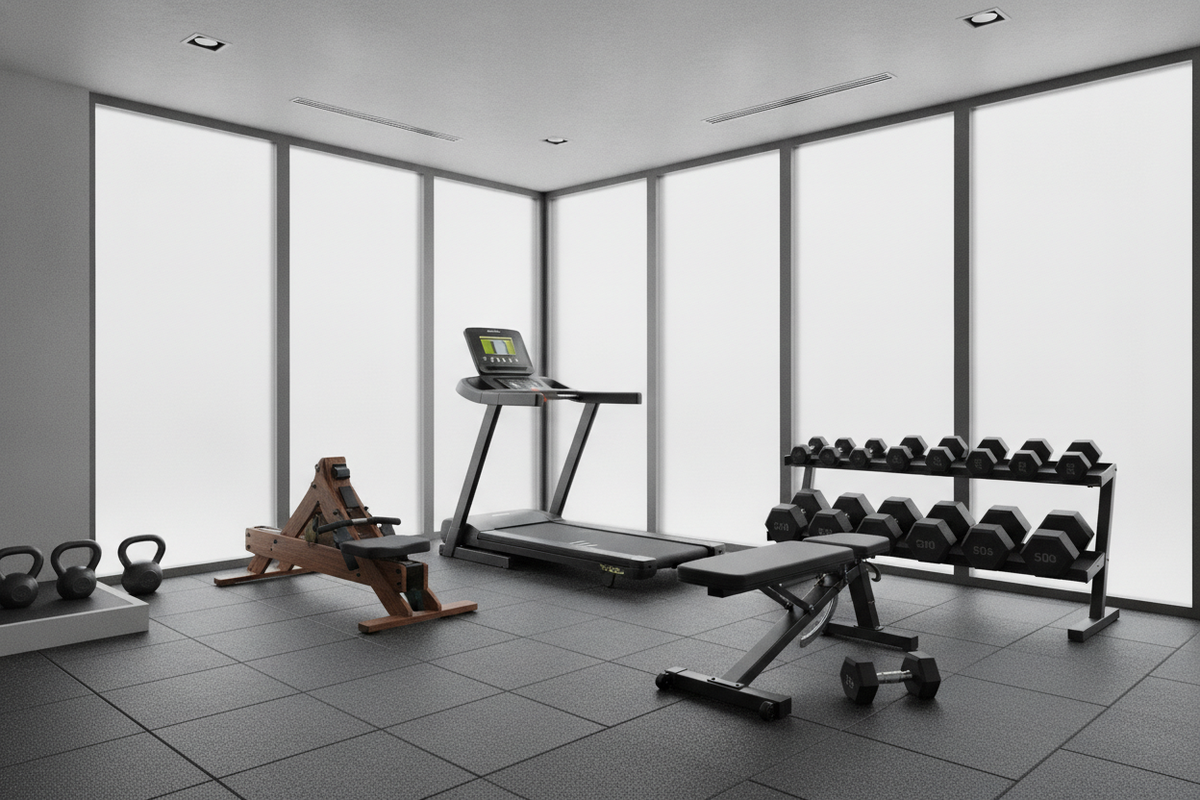
Best Diet for Lifting Weights and Losing Fat: Nutritional Blueprints, Energy Balance, and Home Gym Staging
Finding the best diet for lifting weights and losing fat requires striking a fine balance between providing enough energy for heavy strength sessions and maintaining a modest caloric deficit to promote fat reduction. Rather than resorting to extreme restriction, successful body recomposition relies on steady macronutrient distribution, deliberate nutrient timing, and an environment that supports safe, consistent training.
Fundamentals of Body Recomposition: Fueling Strength While Reducing Fat
Body recomposition is the process of reducing adipose tissue while preserving or building lean muscle mass. Navigating this goal requires understanding how energy balance interacts with physical exertion.
The Balance Between Caloric Deficits and Lifting Performance
A severe energy deficit often leads to early fatigue, compromised lifting technique, and unwanted muscle loss. When establishing the best diet for weight training and fat loss, a moderate, controlled reduction in daily caloric intake is generally more sustainable. This approach supplies sufficient fuel to maintain training volume while steadily encouraging the body to draw on stored fat reserves for energy.
Recognizing the Role of Progressive Overload During a Cut
Lifting heavy weights signals the body that muscle tissue is essential and must be retained. Progressive overload—gradually challenging the muscular system through resistance, tempo, or volume—serves as the primary stimulus for muscle retention during fat loss phases. Without this mechanical tension, the body has little incentive to preserve metabolically active muscle tissue while in an energy deficit.
Core Macronutrient Frameworks for Weight Training and Fat Loss
Balancing macronutrients ensures that energy levels remain stable during strenuous workouts while facilitating efficient muscle repair between sessions.
Prioritizing Dietary Protein for Muscle Preservation and Satiety
Protein serves as the foundational building block for muscle repair and remodeling. In a calorie-restricted state, distributing quality protein evenly across daily meals helps maintain nitrogen balance, supports tissue recovery, and enhances feelings of fullness, making it easier to stick to dietary goals.
- Lean Poultry and Fish: Provide readily digestible protein with minimal excess fat.
- Eggs and Dairy: Supply complete amino acid profiles alongside essential micronutrients.
- Plant-Based Sources: Tofu, tempeh, and legume blends offer balanced options for plant-focused lifters.
Strategic Carbohydrate Timing for Training Intensity
Carbohydrates are the body's preferred fuel source for high-intensity anaerobic efforts, such as heavy barbell lifts and explosive dumbbell movements. Restricting carbohydrates too drastically can diminish power output and extend recovery times. Structuring complex carbohydrates around training windows helps sustain performance without exceeding daily energy targets.
Essential Fats for Hormone Balance and Joint Support
Dietary fats are necessary for cellular integrity, fat-soluble vitamin absorption, and hormone production. Incorporating sources such as avocados, nuts, seeds, and olive oil helps support joint lubrication and overall health during demanding training cycles.
Nutrient Timing: Pre- and Post-Workout Fueling Protocols
Timing your meals around training sessions maximizes energy availability during workouts and speeds up physical recovery afterward.
Pre-Workout Fueling: Sustaining Heavy Compound Lifts
Consuming a balanced meal containing easily digestible carbohydrates and moderate protein roughly one to two hours before training ensures steady blood glucose levels. For early morning training sessions, a lighter snack, such as fruit paired with a modest protein source, can provide fast-acting energy without causing digestive sluggishness under heavy loads.
Post-Workout Recovery and Hydration Principles
Post-exercise nutrition focuses on replenishing depleted glycogen stores and delivering amino acids to working muscles. Pairing quality protein with carbohydrates within a reasonable window after training promotes muscle repair. Consistent hydration throughout the day is equally critical, as fluid balance directly impacts muscular endurance and mental focus.
Synchronizing Diet with Structured Weight Training Programs
Dietary adjustments must reflect the physical demands of your chosen training program to prevent burnout and support continuous progress.
Pairing Compound Lifts with Balanced Caloric Intake
Multi-joint compound movements such as squats, deadlifts, and presses recruit large muscle groups and create significant energy demand. Reviewing a dedicated weight training fat guide can help you structure compound workouts that maximize metabolic output while preserving lean tissue. Integrating dedicated equipment from a weight lifting collection provides the mechanical stability necessary to train intensely even when operating in a caloric deficit.
Managing Recovery When Combining Weights and Conditioning
Many lifters pair resistance training with high-intensity interval conditioning to accelerate fat loss. When following an intensive routine like a fat weights weight guide, nutritional intake should be monitored closely. If fatigue accumulates or lifting performance drops, adjusting carbohydrate intake or scheduling additional rest days ensures recovery keeps pace with exertion.
Home Gym Floor Staging: Safety and Stability When Training in a Deficit
Physical fatigue can set in more quickly when training in a caloric deficit, making environmental safety and floor stability crucial elements of your workout space.
Subfloor Protection and Impact Absorption Under Heavy Loads
Heavy compound lifts place high demands on both the lifter and the floor beneath them. Equipping your workout area with appropriate gear from a training collection and installing high-density protective rubber flooring safeguards subfloors from dropped weights while reducing acoustic vibration throughout the home.
Traction and Fatigue Management During High-Effort Lifts
When training with reduced energy reserves, foot slippage or unstable footing introduces unnecessary risk. Dense, non-slip gym flooring delivers firm traction during squats and deadlifts, ensuring proper force transfer from the floor through the kinetic chain without unstable mat compression.
Long-Term Adherence: Sustainable Habits and Monitoring Progress
Achieving body recomposition is a gradual process requiring patience and consistent habits rather than short-term dietary fixes.
- Focus on Non-Scale Indicators: Track strength milestones, gym performance, and how clothing fits rather than relying solely on scale weight fluctuations.
- Maintain Meal Consistency: Batch preparing balanced meals minimizes impromptu food choices that can derail a caloric deficit.
- Prioritize Quality Sleep: Rest supports muscular recovery and appetite-regulating hormones, reinforcing both diet and training adherence.
By pairing the best diet for lifting weights and losing fat with structured resistance training and a stable home gym setup, you establish a sustainable routine that preserves strength, trims body fat, and protects long-term health.