Benefits of High Volume Training: Muscle Building Frameworks, Work Capacity Blueprints, and Home Gym Floor Staging
When structuring a sustainable resistance routine, lifters frequently encounter discussions comparing heavy, low-repetition work with higher-volume methodologies. Understanding the benefits of high volume training allows athletes and home gym enthusiasts to strategically stimulate muscle growth, refine movement mechanics, and enhance overall session stamina. Pairing these training principles with an organized, supportive home workout space creates an ideal environment for long-term consistency.
Understanding High Volume Training Dynamics
High volume training centers on accumulating a substantial total workload across designated exercises, sessions, and weekly cycles. Rather than testing singular maximal lifts, this training approach prioritizes repeated sets performed with moderate loads. By maintaining technical control across extended working sets, lifters accumulate time under tension that challenges working muscle groups in a distinct and productive manner.
In a home fitness setting, volume-oriented programming offers notable practical flexibility. Because it relies less on near-maximal bar loads, lifters can create an intense training stimulus using standard dumbbells, adjustable benches, resistance bands, and moderate barbell configurations. Managing total volume effectively involves balancing exercise selection, rest periods, and rep pacing to build fatigue progressively without compromising execution.
Core Advantages of High Volume Workouts
Adopting higher set and rep ranges provides multiple mechanical and physiological adaptations. Lifters who understand these high volume training benefits can better align their weekly programming with their specific body composition and strength objectives.
- Consistent Hypertrophic Stimulus: Repeated exposures with moderate loads recruit a wide spectrum of muscle fibers. Accumulated muscular fatigue across multiple working sets signals adaptation and growth across upper and lower body muscle groups.
- Refinement of Movement Motor Patterns: Repetition provides the practice needed to master foundational movements like squats, hinges, and presses. Performing higher numbers of clean repetitions helps groove bar paths and reinforces balance under submaximal loads.
- Increased Work Capacity and Muscular Stamina: Higher volume routines elevate systemic conditioning, helping lifters maintain technical precision even as fatigue sets in. Following a dedicated high volume guide helps structure these demands across full-body layouts.
- Equipment Versatility: High volume routines allow lifters to achieve comprehensive workouts without needing massive weight plates, making them particularly effective for compact garage or basement setups.
Structuring a Balanced High Volume Program
Successfully implementing high volume routines requires thoughtful organization. Without structured progression and planned fatigue management, increasing weekly sets can lead to diminished returns. Structuring your split helps ensure adequate recovery between demanding sessions.
A balanced weekly routine often combines compound multi-joint movements with targeted isolation exercises. Heavy compound lifts establish initial recruitment, while subsequent isolation sets safely add cumulative volume to specific muscle groups. For tailored breakdowns on individual muscle groups, consulting a detailed training volume guide provides clear structural templates.
To maintain workout quality, lifters should monitor session density and rest intervals. Moderate rest periods allow sufficient cardiovascular and muscular reset between sets while keeping overall workout duration manageable. Modulating volume across alternating heavy and light weeks further supports continuous progression.
Home Gym Floor Staging for Extended Volume Sessions
Extended, high-repetition workouts place unique demands on your training environment. When performing numerous standing sets, transitions, and supersets, the quality and layout of your workout floor directly influence comfort, stability, and equipment longevity.
Traction and Footing Stability
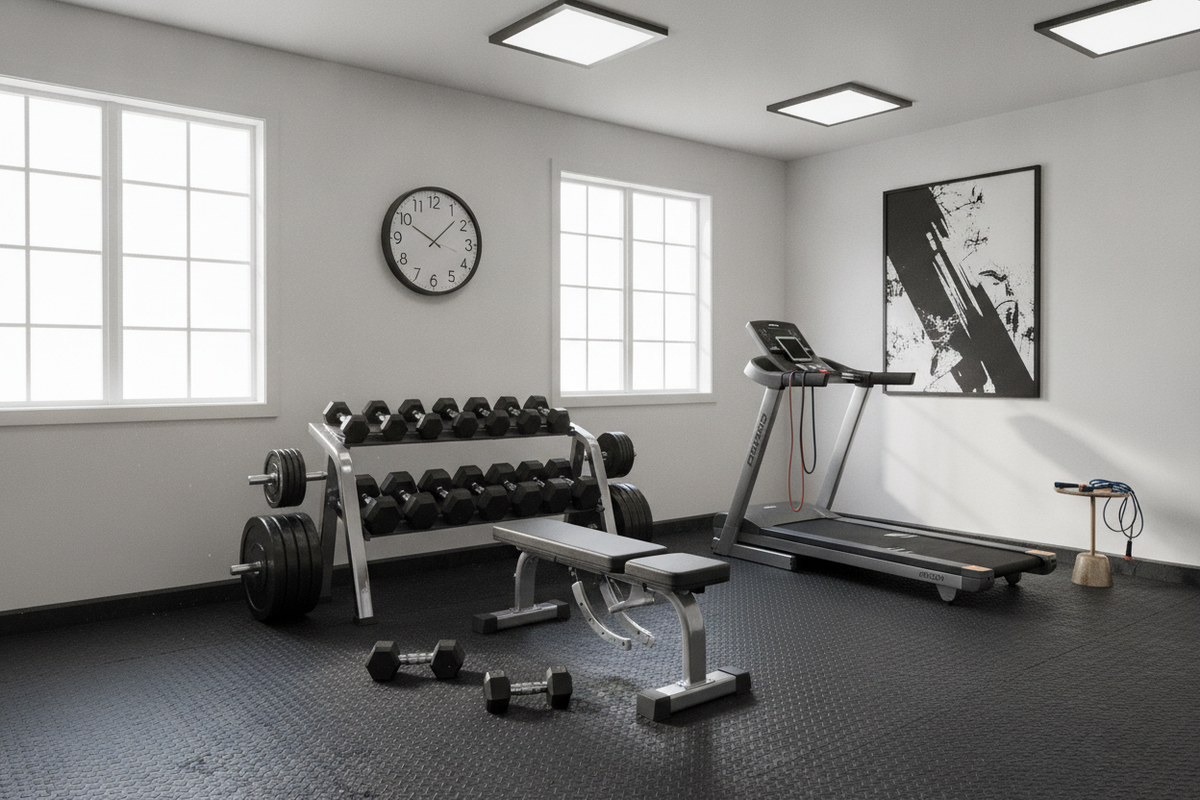
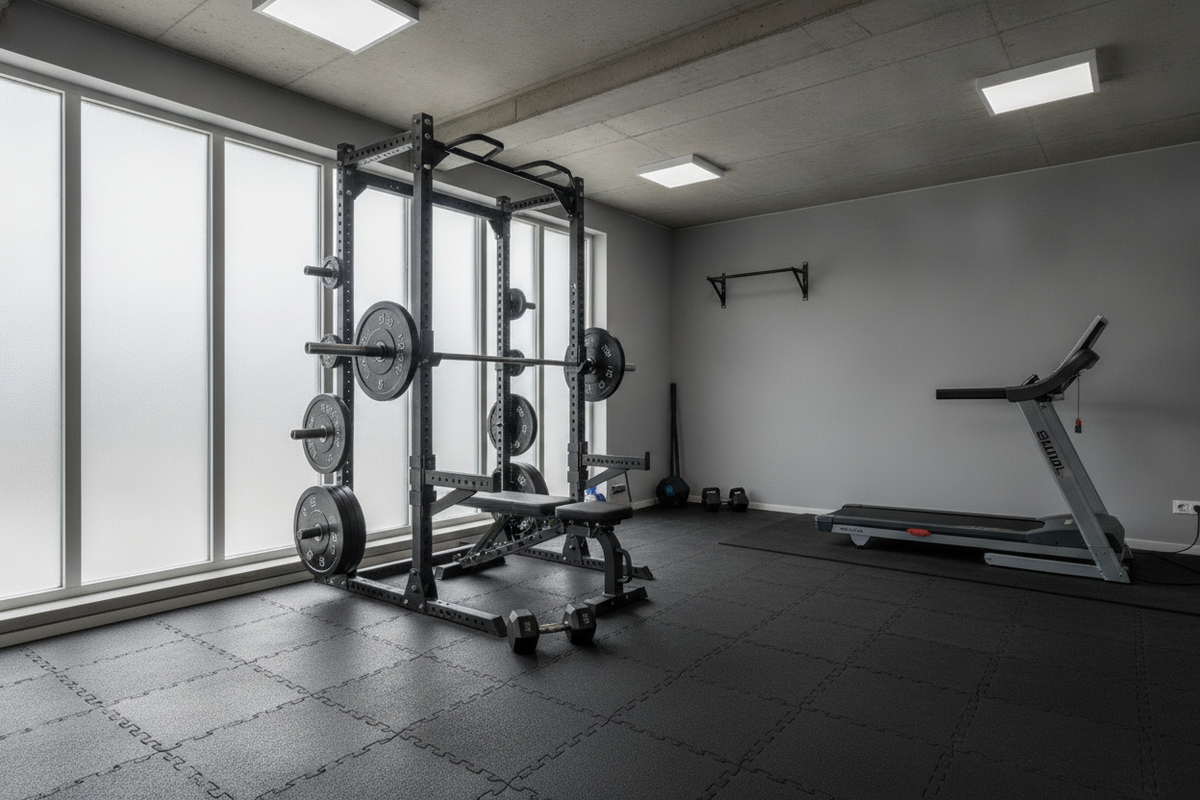
High-volume standing exercises, such as lunges, overhead presses, and bent-over rows, require an unyielding base of support. Textured, high-density rubber matting provides dependable traction that prevents foot slippage during long sets where sweat and fatigue can affect balance.
Subfloor Protection and Equipment Transitions
Dense volume sessions often involve frequent equipment changes between supersets or drop sets. Placing dumbbells, kettlebells, and weight plates onto bare concrete or hardwood can cause surface chipping and unwanted vibration. Dense rubber flooring cushions these frequent contacts, protecting your underlying floors and dampening contact sound.
Organizing Station Pathways
An efficient workout layout keeps walkways clear of loose accessories. Integrating dedicated storage solutions from a reliable training collection allows you to keep dumbbells, bands, and collars organized, ensuring smooth transitions between consecutive volume sets without tripping hazards.
Station Maintenance and Sweat Management for Dense Workouts
Because high volume training generates continuous physical effort over extended sessions, managing sweat accumulation is essential for surface grip and hygiene. Maintaining a clean workout floor preserves the tactile quality of your mats over time.
- Post-Session Wipe Downs: Use a damp microfiber cloth with mild soap and water to clear sweat and dust from textured mat surfaces after each dense workout.
- Proper Airflow: Keep fans running or windows cracked in garage and basement gyms to facilitate air circulation and reduce ambient humidity during long training sessions.
- Avoiding Harsh Solvents: Steer clear of bleach or harsh solvent cleaners that could degrade rubberized flooring textures and diminish surface traction.
Frequently Asked Questions About High Volume Training
How do you know if training volume is too high for your current routine?
Signs that volume has exceeded current capacity include prolonged joint soreness, persistent drop-offs in movement speed across normal working weights, and difficulty completing planned reps across multiple consecutive sessions. Modulating weekly set counts helps rebalance recovery and training output.
Can high volume training be performed effectively with basic home gym equipment?
Yes. Because high volume focuses on cumulative work rather than maximal absolute poundages, an adjustable bench, a pair of dumbbells, and resistance bands provide ample variety and resistance to drive productive volume training.
What type of mat surface is best suited for long standing resistance workouts?
High-density rubber mats with a textured, non-porous top layer offer an optimal blend of firm underfoot support, slip resistance, and subfloor protection for extended standing lifting sessions.