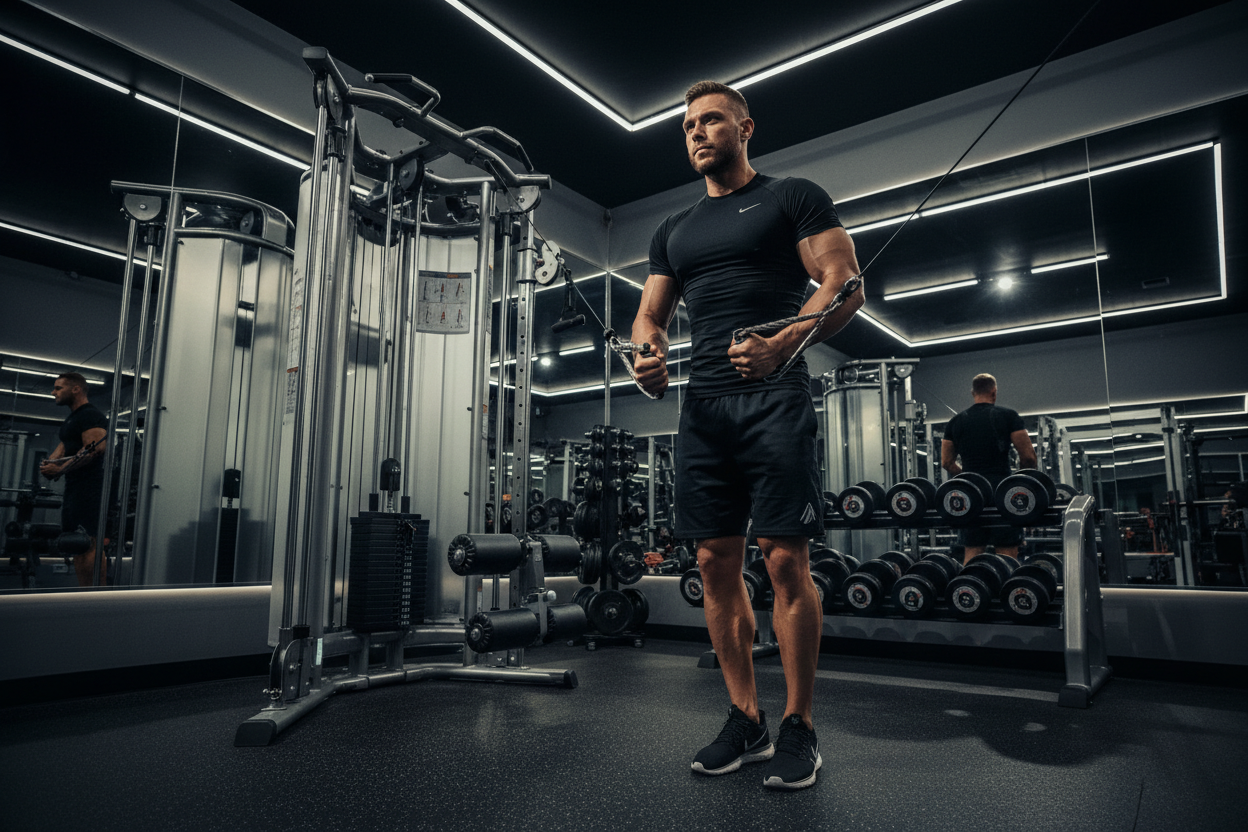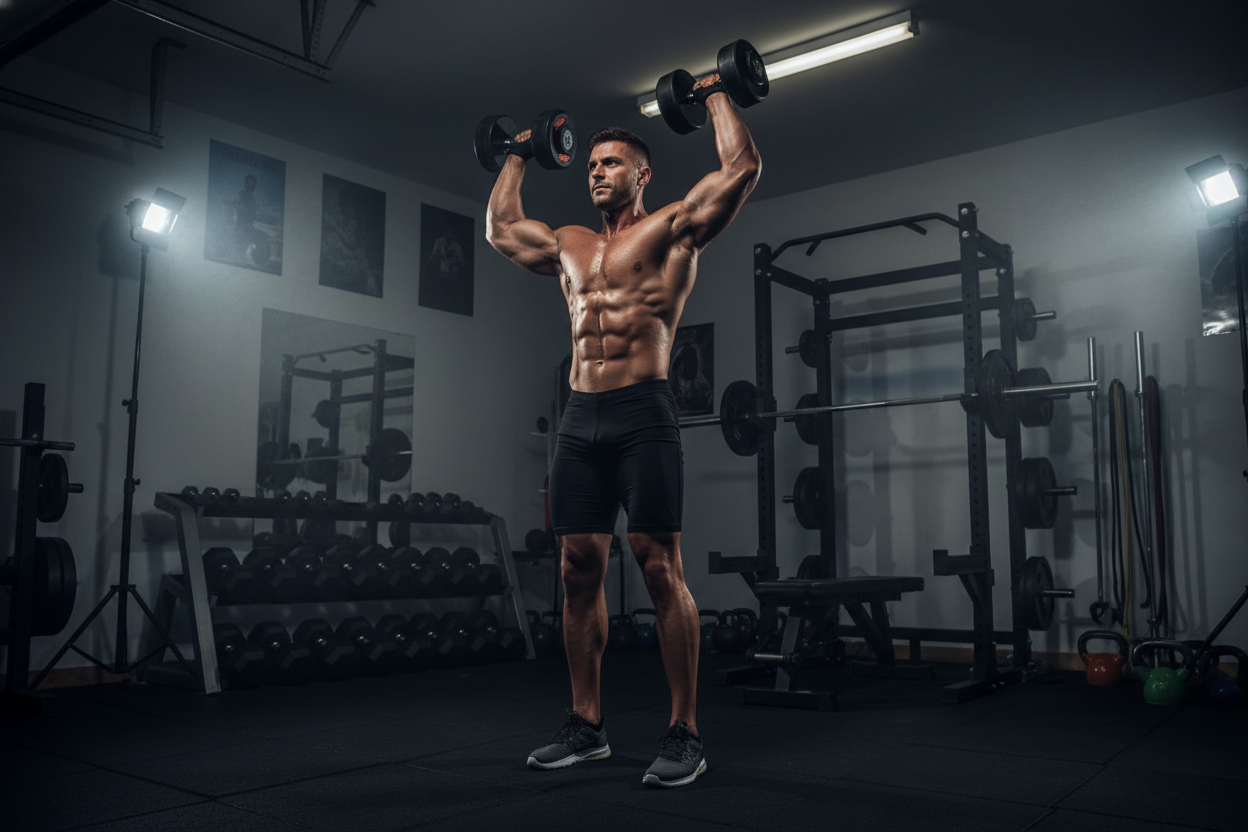
High Volume Full Body Workout: The Secret to Home Gym Gains
If you have been grinding away in your garage gym and suddenly hit a wall, you are not alone. Workout plateaus are the bane of every lifter's existence, especially when you are limited by space and equipment. Enter the high volume full body workout. This training style shifts the focus from lifting maximal loads to accumulating serious tonnage, forcing your muscles to adapt and grow.
But programming this effectively in a home gym setting requires strategic equipment choices and smart recovery. In this guide, we will break down exactly how to structure your routine, what gear you actually need, and how to avoid burning out.
Key Takeaways
- A high volume full body workout prioritizes total weekly sets per muscle group over one-rep max strength.
- Focus on compound movements like squats, deadlifts, and presses to maximize efficiency.
- Adjustable dumbbells and a sturdy power rack are the most space-efficient tools for this routine.
- Keep training frequency to 3 or 4 non-consecutive days per week to allow for adequate nervous system recovery.
Programming Your Training for Maximum Hypertrophy
Transitioning to a high volume approach means you need to leave your ego at the door. You are no longer maxing out; you are building a massive foundation of muscle through repetitive, controlled stress.
The Power of Compound Movements
When you hit your entire body in a single session, isolation exercises eat up too much time. You need movements that offer the best return on investment. Think barbell back squats, Romanian deadlifts, overhead presses, and bent-over rows. These lifts recruit multiple muscle groups simultaneously, making your routine highly efficient.
Managing Fatigue and Recovery
High volume demands high recovery. If you are hitting 15 to 20 working sets per session, your central nervous system will take a beating. Sleep and nutrition are non-negotiable, but so is your programming. Alternate heavy and light days, and do not push to failure on every single set. Leave one or two reps in the tank.
Equipping Your Home Gym for High Volume
Running giant sets or super sets is a staple of volume training, but it can be a nightmare if your home gym is cluttered or under-equipped. Here is how to optimize your space.
Why Adjustable Dumbbells Shine
When you are running drop sets to accumulate volume, swapping cast-iron plates takes too long. A premium set of adjustable dumbbells allows you to change weights in seconds, keeping your heart rate up and your workout strictly within that crucial 45 to 60-minute window.
The Role of the Power Rack
A heavy-duty power rack is your best friend for high volume barbell work. When fatigue sets in during set number eight of your squats, you need the safety of reliable spotter arms. Look for a rack with 1-inch hole spacing through the bench and pull zone so you can dial in the perfect safety height.
From Our Gym: Honest Take
I recently ran a 6-week volume block in my own garage gym, aiming for 10 sets of 10 reps on primary lifts. The biggest lesson I learned? Equipment efficiency matters just as much as effort. During week three, I realized my standard spin-lock dumbbells were killing my momentum during supersets. Upgrading to quick-select adjustable dumbbells completely changed the game. I also found that the knurling on my aggressive power bar was tearing up my hands by the 50th rep of deadlifts; switching to a bar with passive center knurling saved my grip and my skin. Be prepared to adapt your gear to the demands of the program.
Frequently Asked Questions
Is a high volume full body workout good for beginners?
It can be, but the volume must be scaled appropriately. Beginners should start with 2 to 3 sets per exercise rather than jumping into extreme volume protocols like 10x10. Master the form first.
How many days a week should I train?
For a full body routine with high volume, 3 days a week on non-consecutive days (like Monday, Wednesday, Friday) is the sweet spot. This allows for 48 hours of recovery between intense sessions.
What is the most essential equipment for this routine?
A solid power rack, a versatile barbell, enough weight plates to challenge your compound lifts, and a flat or adjustable bench. Cable pulleys are a nice bonus for isolation volume, but not strictly necessary.