Are Squats Cardio? How to Build Stamina at Home
When planning a home fitness routine, a common question often comes up: are squats cardio? Most people initially think of the classic squat as a pure lower-body resistance movement meant for heavy barbells and racks. However, anyone who has powered through a rapid set of fifty unweighted repetitions knows how quickly their lungs burn and their pulse spikes. The short answer to whether are squats cardio is that it depends almost entirely on how you perform them, your pacing, and how long you rest between intervals.
Understanding whether a movement is aerobic or strength-focused comes down to your energy systems. If someone asks, is squats cardio by default, the movement mechanics reveal a dual nature. Squats engage substantial muscular tissue across your quadriceps, hamstrings, and glutes. Demanding continuous work from these massive areas requires oxygenated blood delivered at high speed. Consequently, altering your speed and volume allows you to use squats for cardio development, muscular endurance, or raw strength depending on your training setup.
Are Squats Cardio or Strength Training?
To determine if are squats cardio or strength, consider the primary objective of your session. Traditional strength lifting involves moving substantial loads for low or moderate repetitions, accompanied by generous rest breaks to replenish muscular energy. In contrast, cardio squats reduce the external load, shorten recovery times, and maintain a sustained cadence that challenges your cardiovascular capacity. When asked, do squats count as cardio, the answer is yes, provided your sets are paced to keep your cardiovascular system working without prolonged pauses.
The Cardiovascular Demand of Compound Leg Movements
Compound lower-body exercises recruit large muscle groups simultaneously. Engaging the quadriceps and glutes alongside supporting core muscles creates a heavy oxygen requirement. As your circulatory system works to fuel continuous contractions, your heart rate climbs rapidly. When people wonder, is squat a cardio exercise, they often experience this surge firsthand. The energetic cost of cycling through deep knee and hip flexion over multiple minutes mimics the metabolic stress of steep hill walking or rowing.
Because of this high systemic demand, many lifters discover that squats and cardio naturally blend together. Moving your entire body mass against gravity repeatedly over an extended time interval forces steady respiratory effort. For lifters comparing a targeted standing lower-body strength routine with high-intensity training, adjusting the work-to-rest ratio shifts the stimulus from local muscle fatigue to broader cardiovascular exertion.
How Repetition Speed and Rest Periods Shift the Focus
Cadence and recovery dictate whether a movement leans toward aerobic conditioning or pure strength. If you perform a single set of five repetitions with three minutes of rest, the stimulus targets neuromuscular recruitment. Conversely, stringing together rhythmic repetitions with minimal rest intervals makes your body rely on continuous oxygen delivery, proving that squats cardio routines can easily act as conditioning tools.
This dynamic also answers the query: are squats aerobic when done in high-volume sets? While short, explosive bursts tap into anaerobic glycolysis, prolonged sets lasting several minutes shift energy contribution toward aerobic pathways. If you maintain a steady, continuous tempo without stopping, you establish an effective squat cardio exercise that develops heart stamina right alongside leg endurance.
How to Turn Squats Into an Effective Cardio Workout
Transforming basic squats into a dedicated cardio squat workout requires intentional programming. Rather than counting down small repetition sets, focusing on continuous movement duration or timed intervals elevates your heart rate and promotes sustained conditioning. Structuring your movements carefully lets you explore different tempos, depths, and explosive elements.
Bodyweight Squats for Sustained Cadence
Standard bodyweight squats offer an accessible, low-barrier way to experience a reliable squat cardio workout. Because there is no external barbell to balance, you can move at a fluid, consistent speed while practicing full depth. Performing continuous repetitions across two to three minutes introduces steady-state conditioning without heavy joint strain.
When practicing high-volume air squats, focus on keeping your chest elevated, hips reaching back, and feet planted firmly. A steady rhythm challenges your breathing, turning simple air squats into a practical conditioning circuit that you can perform in any open room.
Jump Squats and Explosive Plyometrics
For individuals needing higher intensity, incorporating jump squats introduces explosive power. Launching off the ground requires maximum force output on every rep, which drives your heart rate higher than static repetitions. This variation functions as an anaerobic conditioning drill that tests both muscular speed and cardiovascular resilience.
Because plyometrics introduce additional landing stress, you should balance volume thoughtfully. Alternating between static tempos and jump sets allows you to sustain high intensity while managing cumulative fatigue across the hips and knees.
Tabata and Interval Circuits
Timed interval frameworks, such as twenty seconds of work followed by ten seconds of rest, offer a structured format for a cardio squat workout. You can cycle between standard squats, pulse squats, and explosive bounds. Home athletes seeking balanced programming often combine intervals with resistance work, as detailed in our guide to interval workouts with weights.
Using interval blocks answers the question of whether is squat aerobic exercise when performed under timed pressure. The short breaks prevent complete muscular recovery, ensuring that your cardiovascular output stays elevated across the full workout.
Cardio vs Squats: Which Fits Your Goals?
Comparing cardio vs squats requires looking at your specific conditioning objectives. Traditional endurance options like running, cycling, or rowing provide steady low-impact work over long sessions. Squat-based intervals, by contrast, simultaneously build local lower-body stamina and challenge your heart in shorter, denser time blocks.
Calorie Burn and Metabolic Conditioning
When evaluating squat vs cardio machines, both offer distinct metabolic benefits. Traditional cardio burns energy through rhythmic, sustained movement. Squat conditioning circuits, however, generate substantial muscular fatigue across the quadriceps and glutes, demanding energy for both movement and muscular recovery. For time-efficient training, using squats for cardio delivers significant conditioning in compact sessions.
Can Squats Completely Replace Running or Cycling?
While cardio squats are remarkably effective for conditioning, they do not completely duplicate the continuous, low-resistance biomechanics of a long jog or cycle ride. The question of cardio vs squats is not about choosing one exclusively, but rather pairing them logically. High-cadence squats excel when time or space is limited, while traditional cardio builds base aerobic volume with minimal muscular fatigue.
If you want to maintain stamina without equipment, high-rep squats are a dependable alternative. They keep your routine versatile, letting you alternate between outdoor endurance sessions and intense living-room conditioning.
What Flooring Is Best for High-Cadence Squat Circuits at Home?
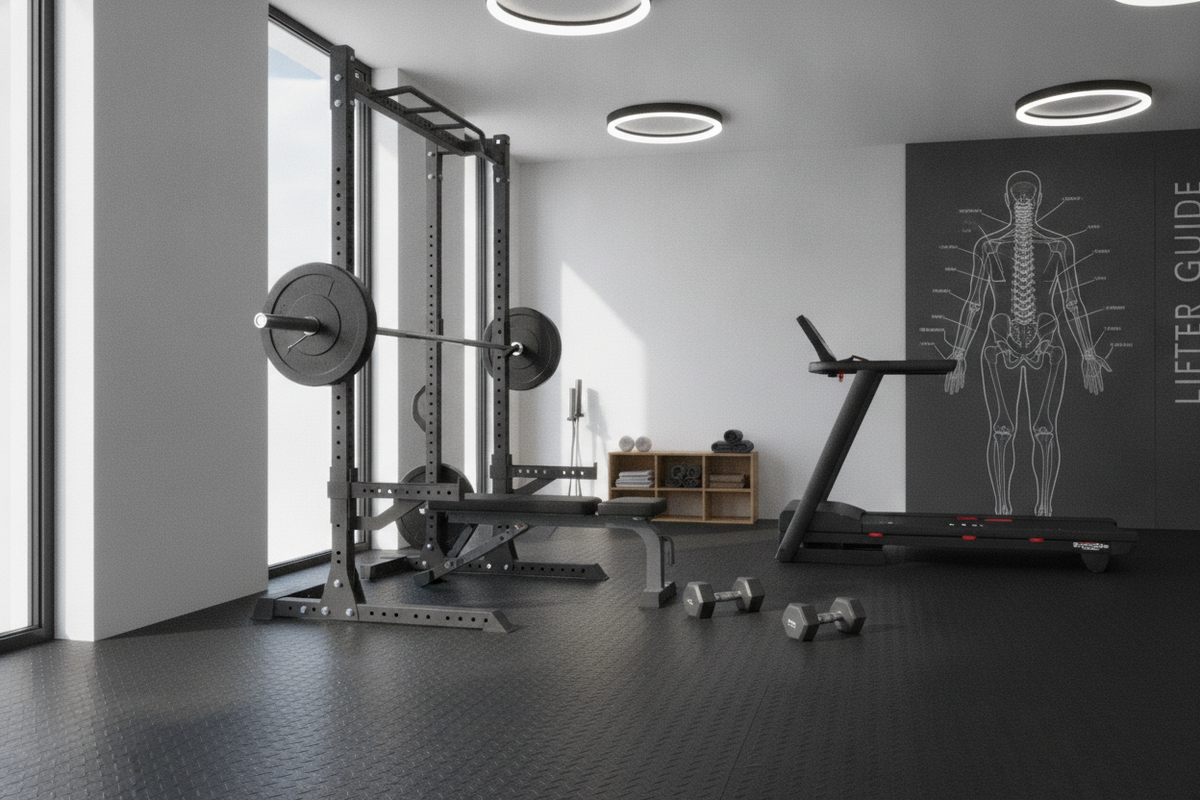
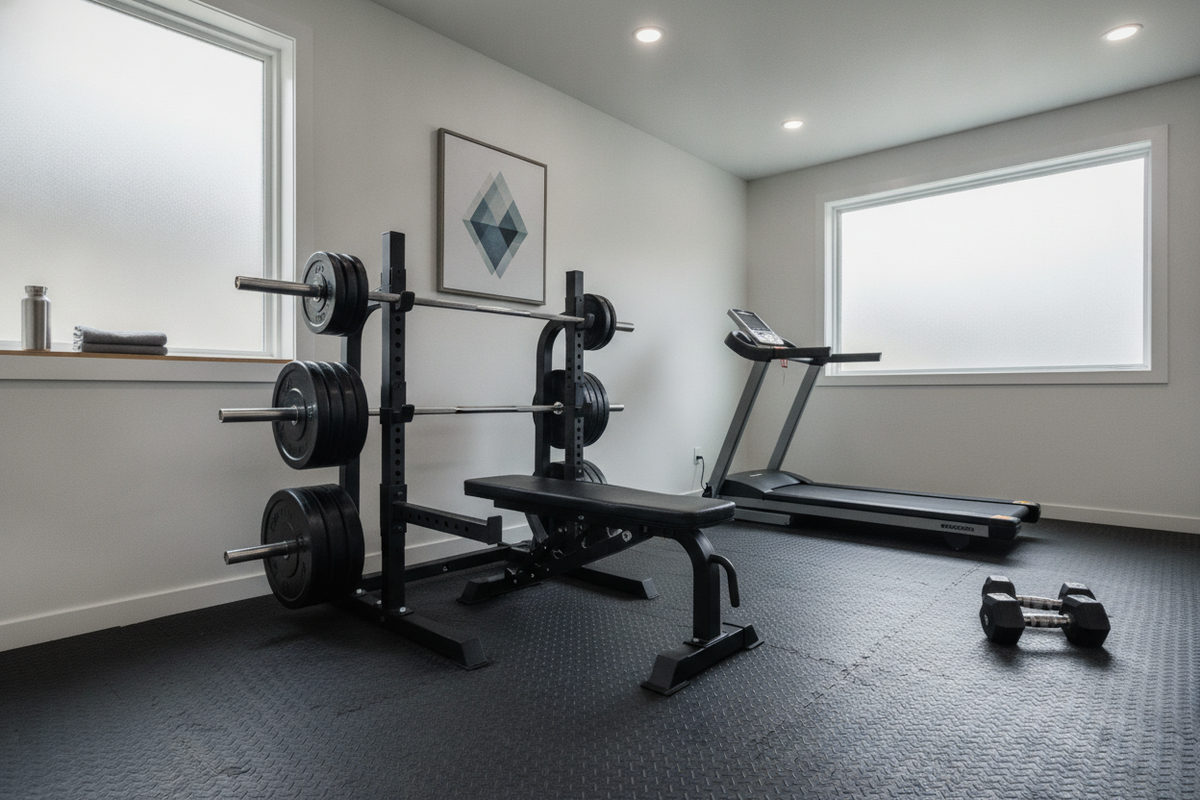
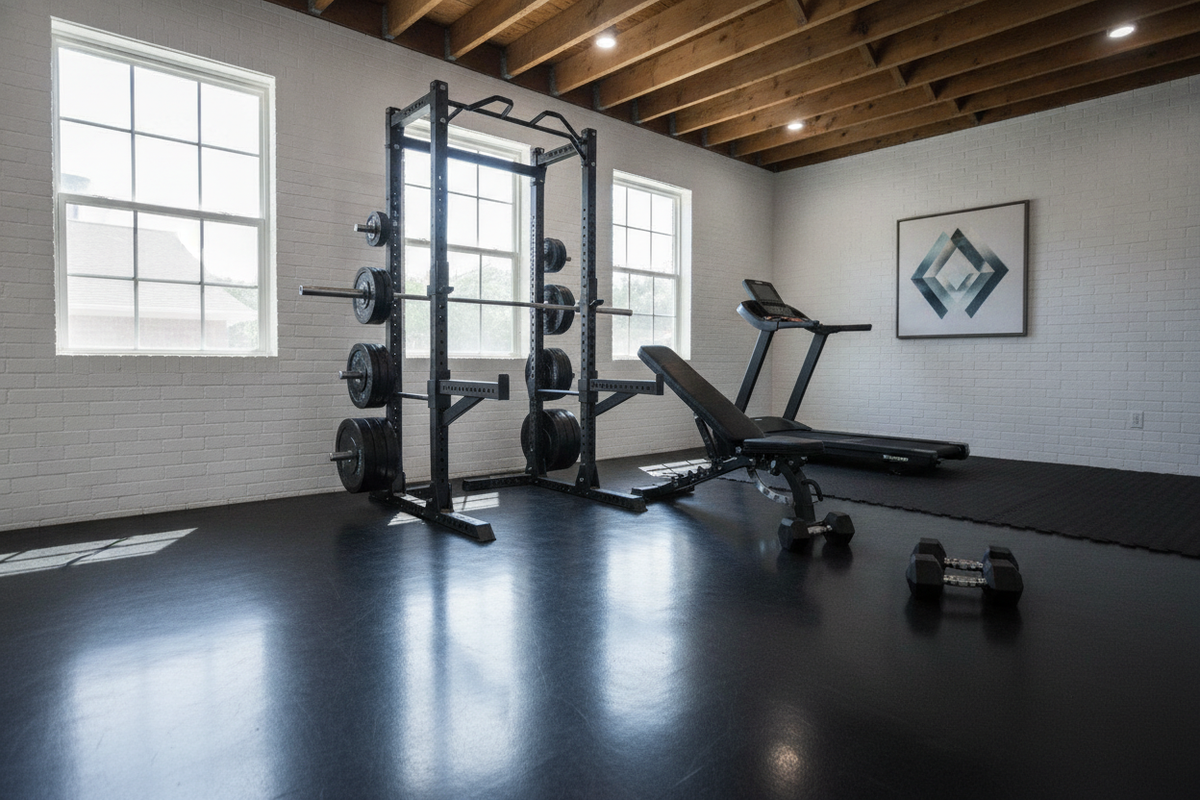
High-cadence squat circuits require a dense, shock-absorbing, and slip-resistant floor mat to protect your joints and maintain foot traction during rapid movement. Performing rapid bodyweight squats or explosive jump variations on bare concrete, tile, or slippery hardwood can cause joint discomfort and foot slippage. Setting up a dedicated home gym floor provides the necessary support for high-tempo conditioning.
Protecting Joints from High Repetition Impact
Continuous dynamic movement creates repetitive landing forces. Without proper underfoot cushioning, that joint impact accumulates in your ankles, knees, and lumbar spine. A quality dense foam mat delivers essential shock absorption, softening each descent and rebound during plyometric squat sets.
Using a supportive surface allows you to maintain cadence without wincing from hard ground contact, keeping your training comfortable week after week.
Traction and Stability for Rapid Foot Placement
As workout intensity climbs and perspiration increases, reliable footing becomes essential. A wide workout surface featuring durable, non-slip traction keeps your feet anchored through wide-stance squats or jump landings. Selecting an expansive option from an exercise mat selection ensures you have plenty of room to move without sliding off the edges.
Mats with textured surfaces prevent footing shifts during wide stances or lateral transitions, keeping each rep safe and consistent.
Subfloor Protection from Dropped Weights
If you prefer adding dumbbells, kettlebells, or a weighted vest to your conditioning routine, protecting the underlying foundation is critical. A spacious, high-density surface such as a protective home workout flooring mat shields hardwood or tile from scuffs, sweat, and accidental weight drops. A reliable large exercise mat establishes a permanent, secure area for all forms of functional training.
| Squat Style | Primary Energy Focus | Recommended Rest | Impact Level |
|---|---|---|---|
| Heavy Barbell Squats | Neuromuscular Strength | 2 to 4 minutes | Low impact, high joint load |
| Timed Bodyweight Squats | Aerobic Conditioning & Stamina | 15 to 30 seconds | Low impact |
| Jump Squat Intervals | Anaerobic Power & Cardio | 30 to 60 seconds | Moderate to high impact |
Simple Tips for Better Cardio Squat Sessions
Getting the most out of squat-focused conditioning requires balancing movement speed with sound biomechanics. When fatigue sets in during prolonged sets, form tends to deteriorate first.
Maintain Depth Even as Fatigue Sets In
As fatigue builds, many lifters inadvertently cut their depth short, turning full squats into shallow knee bends. Cutting range of motion reduces the workload on your glutes and hamstrings while placing disproportionate stress on the patellar tendons. If you find your hips failing to reach parallel, slow your cadence slightly rather than compromising your range of motion.
Breathe in Rhythm with Your Repetitions
Holding your breath during high-speed conditioning creates premature exhaustion and unnecessary internal pressure. Instead, match your respiration to your movement mechanics: inhale smoothly as you lower into the bottom position, and exhale crisply as you drive through your heels to return to standing. Establishing this rhythmic pattern ensures sustained oxygen flow to working muscles throughout every round.