An IFBB Pro Training Program Will Break You (Do This Instead)
I remember flipping through an old muscle mag and seeing a leg day routine from a 300-pound monster. I thought, 'If it works for him, it’ll work for me.' Three hours later, I was stumbling out of my garage, nauseous and trembling, only to realize I couldn't even walk down my basement stairs the next morning. Attempting a true ifbb pro training program as a natural lifter with a day job is a recipe for systemic burnout and joint pain that’ll keep you out of the gym for weeks.
- Pros have recovery advantages (genetics and 'supplements') that you don't.
- High-volume body part splits often lead to junk volume for natural trainees.
- Intensity and mechanical tension beat total set count every time.
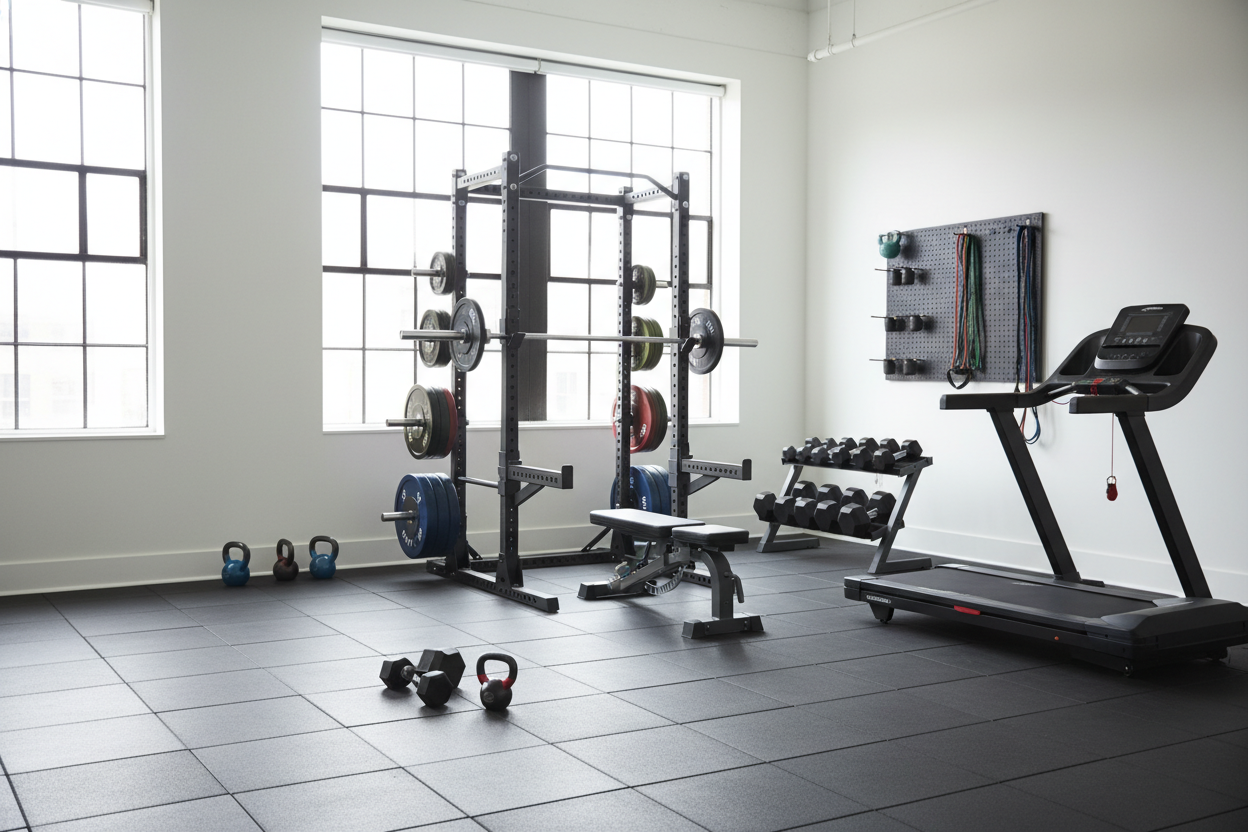
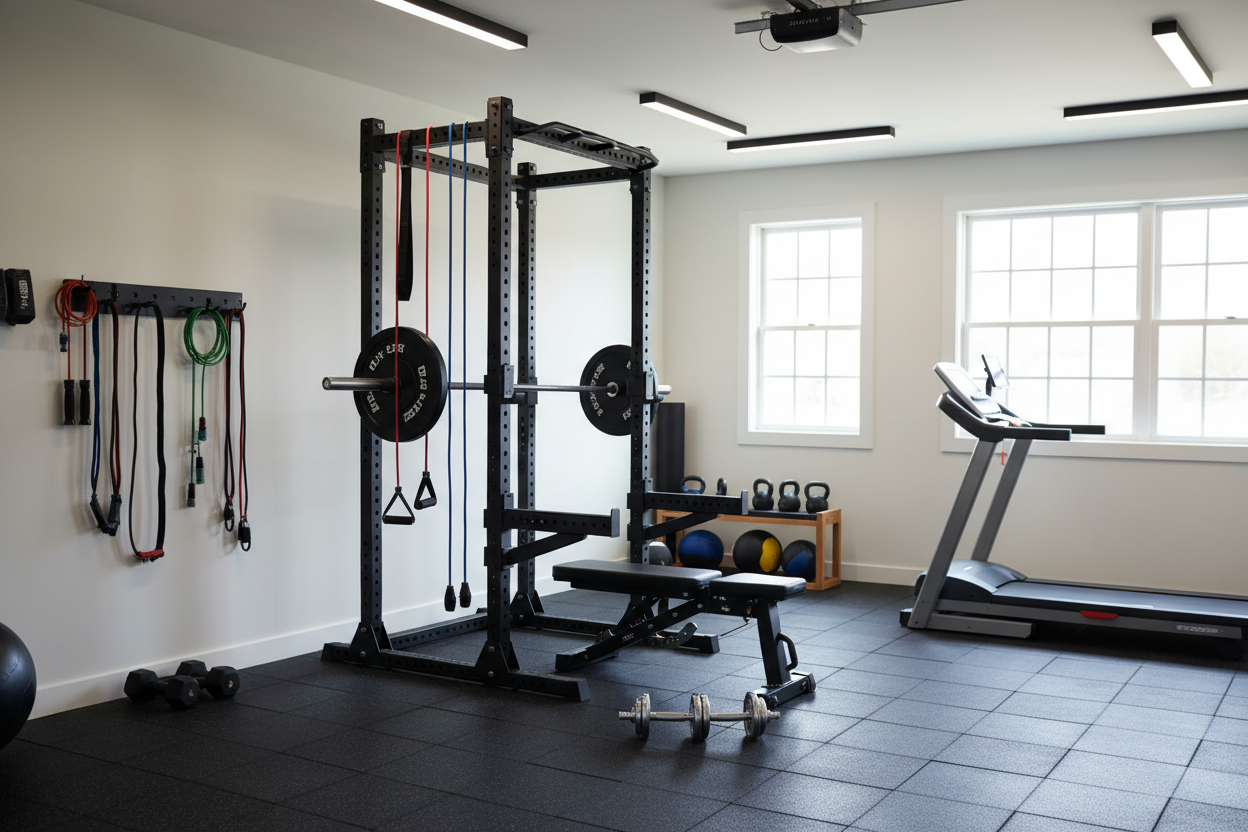
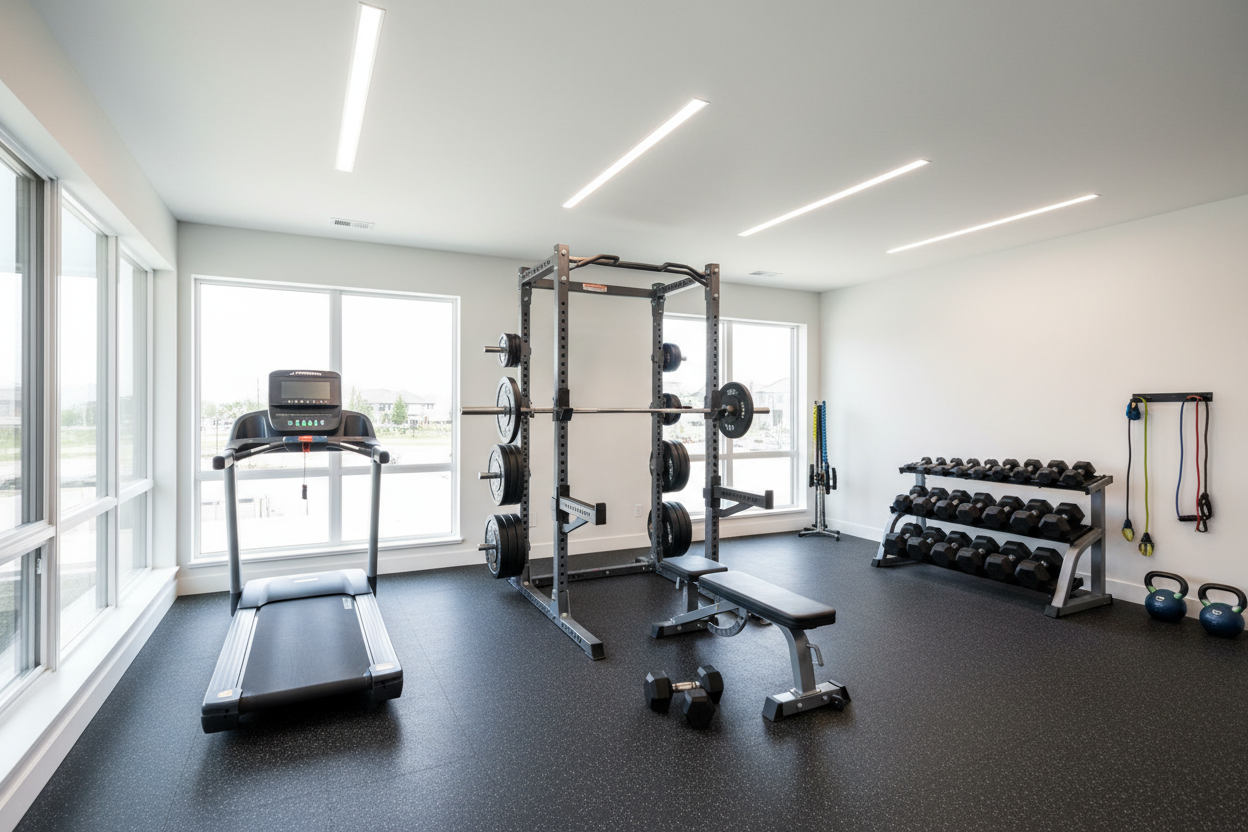
- Your home gym setup requires smarter exercise selection than a commercial mega-gym.
The Dirty Secret About Magazine Workouts
The routines you see in glossy magazines or on elite Instagram feeds are rarely what those guys actually did to build their foundations. Most of these programs are written for people whose entire lives revolve around recovery. They sleep ten hours, eat perfectly weighed meals, and often have chemical assistance that allows them to recover from 30 sets of chest in a single session.
If you try to copy an ifbb pro workout exactly, you'll hit a wall by week three. Your central nervous system isn't a machine. Without elite-level recovery, those extra sets aren't building muscle—they're just digging a deeper hole of fatigue that your body can't climb out of before the next session.
Where the Standard IFBB Pro Training Split Fails at Home
A typical ifbb pro training split usually involves hitting one muscle group per day with massive volume. They might use six different machines just to target the upper pecs. In a garage gym, you usually have a power rack, a bench, and maybe some dumbbells. You don't have the luxury of fifteen different isolation machines.
Instead of trying to mimic that machine-heavy volume, savvy home lifters use strength training accessories like resistance bands, landmines, or fat grips. These tools allow you to change the resistance profile of a basic barbell movement without needing a $5,000 plate-loaded chest press. For us, three high-quality sets of weighted dips will always beat six sets of mediocre cable flyes.
Stealing the Pro Mindset Without the Pro Burnout
You don't need the pro's volume, but you absolutely need their intent. Pros are masters of the mind-muscle connection. They don't just move weight from A to B; they make the target muscle do every ounce of the work. You can apply this by slowing down your eccentrics and pausing at the bottom of your squats.
When building a pro routine at home, focus on two heavy 'top sets' rather than five 'working sets.' If you push those two sets to genuine muscular failure—where the bar literally stops moving despite your best effort—you've triggered the growth signal. Anything after that is often just window dressing that eats into your recovery capacity.
Protecting Your Joints When the Volume Drops
When you cut the volume, you have to increase the intensity. That means heavier loads and more aggressive effort. This is where your environment matters. You can't reach true failure on a heavy dumbbell press if you're worried about your floor. I’ve seen guys pull their punches on a set because they didn't want to crack their concrete slab.
Invest in thick gym flooring for home training. Having a 3/4-inch rubber base means you can focus entirely on the set, knowing that if you have to dump the weights, your house (and your dumbbells) will survive. Stability is the foundation of force production; if your feet are sliding on cheap foam mats, you'll never move enough weight to grow like a pro.
The 'Scaled Pro' Template for Garage Gyms
Forget the 6-day 'Bro Split.' Try a 4-day Upper/Lower or a 3-day Push/Pull/Legs split. This gives each muscle group 48 to 72 hours of rest while still hitting them with high frequency. Pick one main compound movement (like a Low Bar Squat or Overhead Press) and two high-effort isolation movements per session.
Use one 'Pro' technique per workout—like a rest-pause set on your final exercise or a 30-second loaded stretch. This provides the intensity of an elite program without the 25-set-per-bodypart tax that ruins your joints. You'll find that you actually get stronger and look better because you’re finally recovering from the work you’re doing.
Personal Experience: My Overtraining Meltdown
A few years back, I tried a high-volume 'Pro' back day that called for 28 total sets. By the time I got to my heavy rows, my lower back was so pumped and fatigued that I felt a sharp 'zip' near my L5-S1. I spent the next two weeks on the floor with a heating pad. I learned the hard way: more isn't better; better is better. Now, I do six heavy sets for back, and I'm bigger than I ever was during that high-volume era.
FAQ
Is a 6-day split too much for natural lifters?
Usually, yes. Unless your sleep and nutrition are perfect, most natural lifters see better results on 4 or 5 days. That extra rest day is when the actual muscle growth happens.
Can I build a pro physique with just a barbell?
You can build an incredible foundation, but you'll eventually want dumbbells or bands to hit the angles that a straight bar can't. Variety helps prevent overuse injuries.
How do I know if I'm overtraining?
If your resting heart rate is up, you're losing your appetite, or you're dreading the gym, you're likely overreaching. Take a deload week where you cut your weights and sets by 50%.