Your Strength and Conditioning Plan Is Probably Just Organized Chaos
I remember the first year I trained in my garage. I would walk out there, pick three random movements, and go until I couldn't breathe. I thought that was a strength and conditioning plan. It wasn't; it was just a slow way to get injured while staying exactly the same size and strength level for twelve months straight.
You see it everywhere on social media: people collapsing in a heap after a workout, claiming they 'crushed it.' But if your numbers aren't moving and your resting heart rate is still in the 70s, you aren't following a strength and conditioning program—you're just doing expensive chores in your gym clothes.
Quick Takeaways
- Sweat is a byproduct, not a goal for adaptation.
- Heavy lifting and high-intensity conditioning need separate focuses to work.
- Structure beats intensity every single time over an 8-week block.
- Proper flooring is non-negotiable for high-impact conditioning work.
Stop Confusing Exhaustion With Adaptation
Most people treat their garage gym sessions like a game of 'how miserable can I make myself?' They chase the burn and the puddle of sweat on the floor. While that feels productive, it’s often just junk volume that fries your central nervous system without providing a specific reason for your body to get stronger or faster.
A real strength and conditioning workout plan is built on trackable performance metrics. If you aren't recording your weights, your split times, or your heart rate recovery, you’re just guessing. You need to stop asking 'was that hard?' and start asking 'did I meet the specific stimulus for today?'
What the Best Strength and Conditioning Program Actually Looks Like
The best strength and conditioning program isn't a collection of random exercises; it’s a sequenced map. You cannot max out your back squat and then expect to set a PR on a 2,000-meter row five minutes later. Your body has limited recovery resources, and a smart program respects that.
This is where periodization comes in. You need to understand the phases of real strength and conditioning training to ensure you aren't spinning your wheels. Usually, this means focusing on building a massive strength base in one block while maintaining your engine, then shifting the focus to explosive power and metabolic conditioning in the next. Trying to do everything at 100% intensity simultaneously is a one-way ticket to burnout.
Building the Base with Heavy, Low-Rep Barbell Work
The 'strength' side of a strength and conditioning workout program should be boring. We’re talking 3 to 5 reps of squats, deadlifts, and presses at 80% plus of your max. Why? Because this builds the structural integrity and neurological efficiency you need for everything else.
When you lift heavy, you’re teaching your brain to recruit more muscle fibers. That increased recruitment is what allows you to be more explosive when you transition to kettlebell swings or box jumps later. If you skip the heavy stuff in favor of high-rep 'toning' work, you’ll never have the raw horsepower required for high-level athletic performance.
Layering in Your Energy Systems (Without Losing Gains)
Conditioning is the 'engine' of your strength and conditioning training program. The mistake most lifters make is thinking conditioning only means sprinting until you puke. You need a mix of aerobic base building (long, slow distance) and anaerobic power (short, violent bursts).
I’m a big fan of using an Echo Bike or a rower for this. They allow you to redline your heart rate without the joint-pounding impact of running on pavement. The goal is to build an engine that can recover between sets of heavy lifts, not to burn off the muscle you just spent forty minutes building with the barbell.
Putting It Together: A Real-World Garage Gym Split
In a home gym, you have to be efficient. A solid weekly layout might look like heavy lifting on Monday, Wednesday, and Friday, with dedicated conditioning or active recovery on Tuesday and Thursday. This gives your joints a break from the heavy iron while keeping your metabolism revved up.
For example, Wednesday might be your 'power' day where you perform a full body strength and conditioning workout that blends a heavy hinge movement with a moderate-intensity circuit. This approach ensures you’re hitting every physical attribute without overtraining any single system. Consistency over 12 weeks with this split will do more for you than any '30-day shred' ever could.
Protecting Your Joints While Chasing the Clock
If you’re doing burpees, box jumps, or double-unders on bare concrete, you’re asking for shin splints and lower back issues. Dynamic conditioning movements put a massive amount of shear force on your joints. I learned this the hard way after a month of 'garage CrossFit' left my knees feeling like they were full of broken glass.
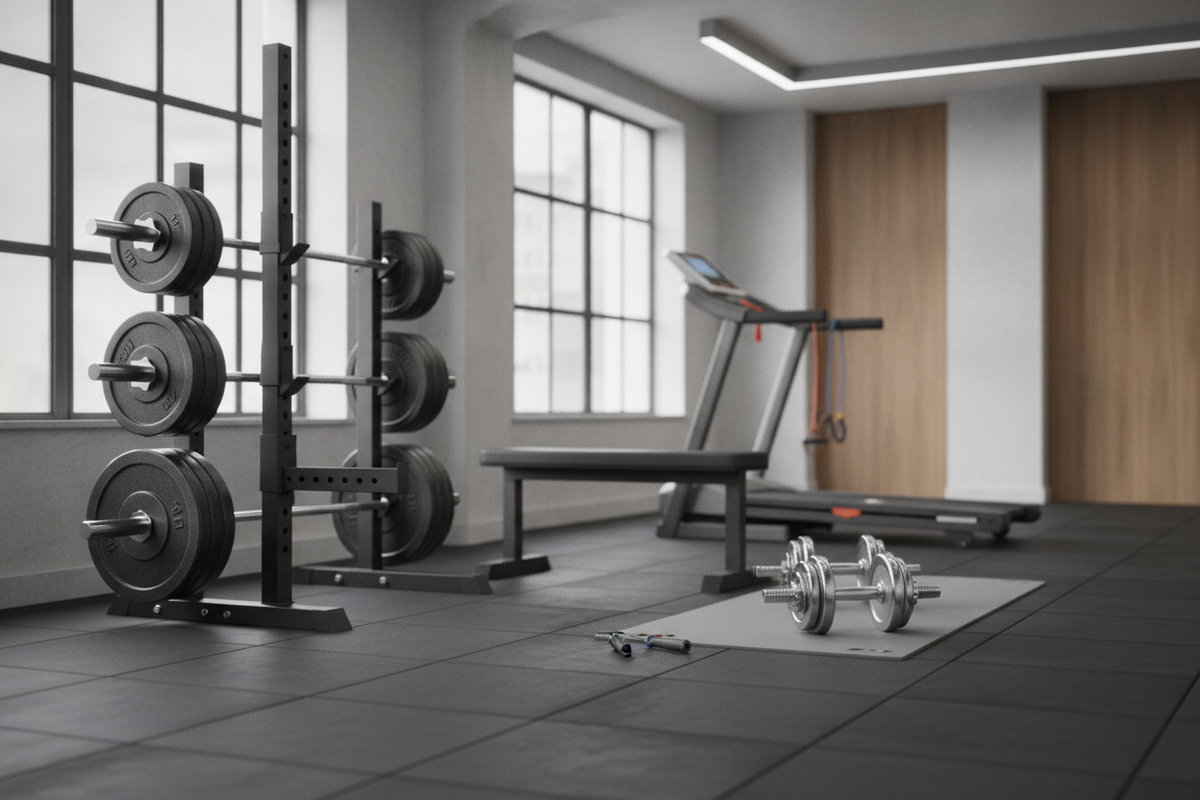
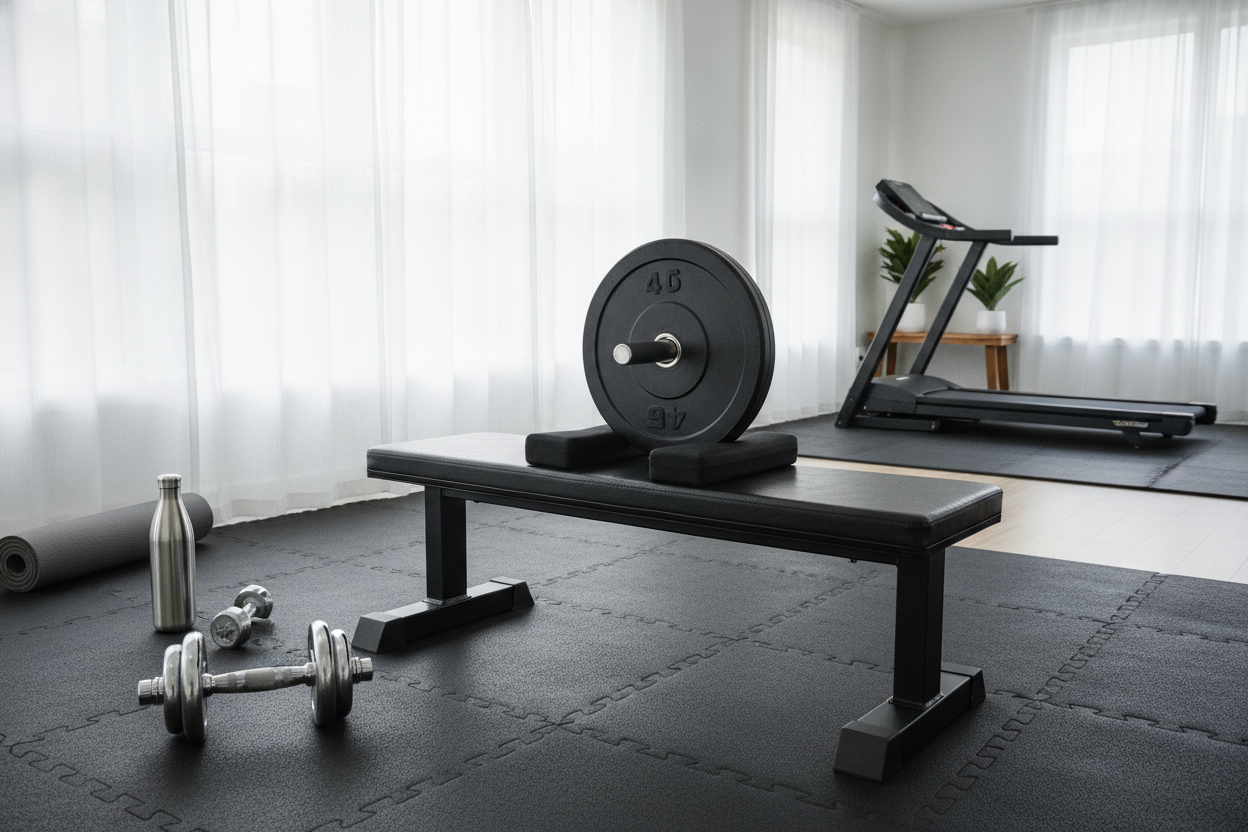
Investing in a high-density large exercise mat for cardio is the smartest move you can make for longevity. It dampens the vibration from your equipment and provides the necessary shock absorption for your ankles and spine. If you want to be training in your 50s and 60s, you have to respect the impact today.
Ditch the Random Workouts and Commit
The hardest part of a strength and conditioning program isn't the heavy weights—it’s the discipline to stay the course. Stop jumping from one 'influencer' workout to the next. Pick a structured plan, write it down in a physical notebook, and commit to it for at least eight weeks. Real progress is found in the repetitive, unglamorous work of hitting your percentages day after day. If you're looking for more structured guidance, check out our workout hub for routines that actually make sense.
My Personal Experience
A few years back, I tried to combine a high-volume powerlifting peak with a competitive rowing schedule. I thought I was built different. Within three weeks, my deadlift dropped 40 pounds and I was waking up with a resting heart rate ten beats higher than normal—a classic sign of overtraining. I had to learn that 'more' isn't better; 'smarter' is better. Once I scaled back the conditioning to targeted intervals and focused on recovery, my strength returned and my rowing times actually improved. You can't outwork a bad plan.
Frequently Asked Questions
Can I do strength and conditioning on the same day?
Yes, but order matters. Always do your heavy strength work first when your nervous system is fresh. Save the metabolic conditioning for the end of the session so the fatigue doesn't compromise your lifting form.
Do I need a lot of equipment for a conditioning plan?
Not necessarily. While a rower or bike is great, you can build an elite engine with a single heavy kettlebell, a jump rope, and enough floor space to move. It's about the intensity and the timing, not the price tag of the gear.
How do I know if my program is working?
Look for 'easy' PRs. If a weight that used to feel like a 9/10 effort now feels like a 7/10, or if you can recover your breath in 60 seconds instead of 120 after a sprint, the program is doing its job.