Your Stiff Hips Need the Kettlebell Hip Shift (Not More Stretching)
I spent years trying to stretch my way out of tight hips. I would sit in a pigeon stretch for ten minutes, feel great for exactly three reps of a squat, and then my hips would lock up again like a rusted gate. It is a frustrating cycle I see in every garage gym—athletes trying to fix a structural stability problem with passive flexibility. If your hips feel like they are made of concrete, static stretching is not the answer.
The solution is a kettlebell hip shift. Unlike a standard lunge stretch, this move uses external load to force your nervous system to relax while your muscles stay active. It is the difference between pulling on a knot and actually untying it. If you want to squat deeper and move without that nagging pinch in your groin, you need to stop stretching and start shifting.
Quick Takeaways
- Static stretching often fails because it lacks the tension needed for long-term mobility.
- The kettlebell acts as a counterbalance, allowing for better pelvic alignment.
- This movement targets the deep hip flexors and adductors simultaneously.
- Perfect as a primer before heavy squats or kettlebell swings for hip strength.
Why Your Hips Feel Like Concrete (And Stretching Is Not Helping)
We have been told that if a muscle feels tight, we should pull on it. But your hip flexors are not just short; they are often protective. When you sit at a desk for eight hours, your brain forgets how to stabilize the pelvis properly. When you hit the gym, your nervous system puts the brakes on your range of motion because it does not trust your strength at the bottom of a squat.
This is why a kettlebell hip flexor stretch often feels better than a bodyweight one. Passive flexibility is useless if you cannot control the range. You can hold a lunge until you are blue in the face, but without active tension, your brain will snap those hips back to 'tight mode' the moment you stand up. We need a kettlebell hip exercise that bridges the gap between 'limber' and 'strong.'
Enter the Kettlebell Hip Shift
The kb hip shift is a neurological hack. By holding a kettlebell in the goblet position, you engage your anterior core. This engagement is the 'secret sauce'—it pulls your pelvis into a neutral position, which immediately takes the slack out of your hip flexors. It is a functional kettlebell hip opener that teaches your body how to maintain a stable spine while the femur moves independently.
Biomechanically, the bell serves as a counterbalance. As you shift your weight, the load helps you sit deeper into the hip socket without your lower back arching to compensate. You are not just stretching the muscle; you are performing kettlebell hip flexion under control. This builds the 'active' mobility required for heavy lifting, rather than the 'passive' flexibility that disappears the second you pick up a barbell.
How to Nail the Setup Without Feeling Awkward
First, get off the bare concrete. I recommend doing this on a thick exercise mat because you will be in a half-kneeling position, and grinding your kneecap into a hard floor will ruin the drill before you even start. Start with one knee down and the other foot planted firmly in front of you.
Grab a moderate kettlebell—12kg to 16kg is usually plenty for mobility work. Hold it at chest height. Before you move, tuck your tailbone slightly. This is the 'hip shift' part. You want to feel your glute on the trailing leg engage. From here, slowly shift your weight forward and slightly lateral (toward the front foot). You are looking for a deep, localized sensation in the front of the trailing hip and the inner thigh of the lead leg. This is the ultimate kettlebell groin stretch because it hits the angles that a linear stretch misses.
The Mistakes That Ruin the Movement
The most common error is 'dumping' into the lower back. If you arch your spine to get more range, you are no longer doing a kettlebell hip flexor exercise; you are just stressing your lumbar discs. Keep your ribs down. Another mistake is treating it like a kettlebell hip flexor raise. This is not about explosive lifting; it is a slow, controlled glide. If you feel a pinch in the front of the hip, back off the range and focus on the pelvic tuck.
How to Program This Into Your Home Gym Routine
Do not save this for the end of your workout. Use it as a primer. I like to run through 2 sets of 8 controlled shifts per side immediately after my general warmup. It prepares the joints for kettlebell swings for hip strength by ensuring the pelvis can rotate freely. If you are following a full body kettlebell workout, place this move right before your primary squats or lunges.
You will find that after just a few weeks of consistent shifting, your 'butt wink' in the squat starts to disappear. Your hips feel 'greased,' and that morning stiffness starts to fade. It is about building a body that can actually use the range of motion you have fought so hard to get.
A Quick Note on Storing Your Bells
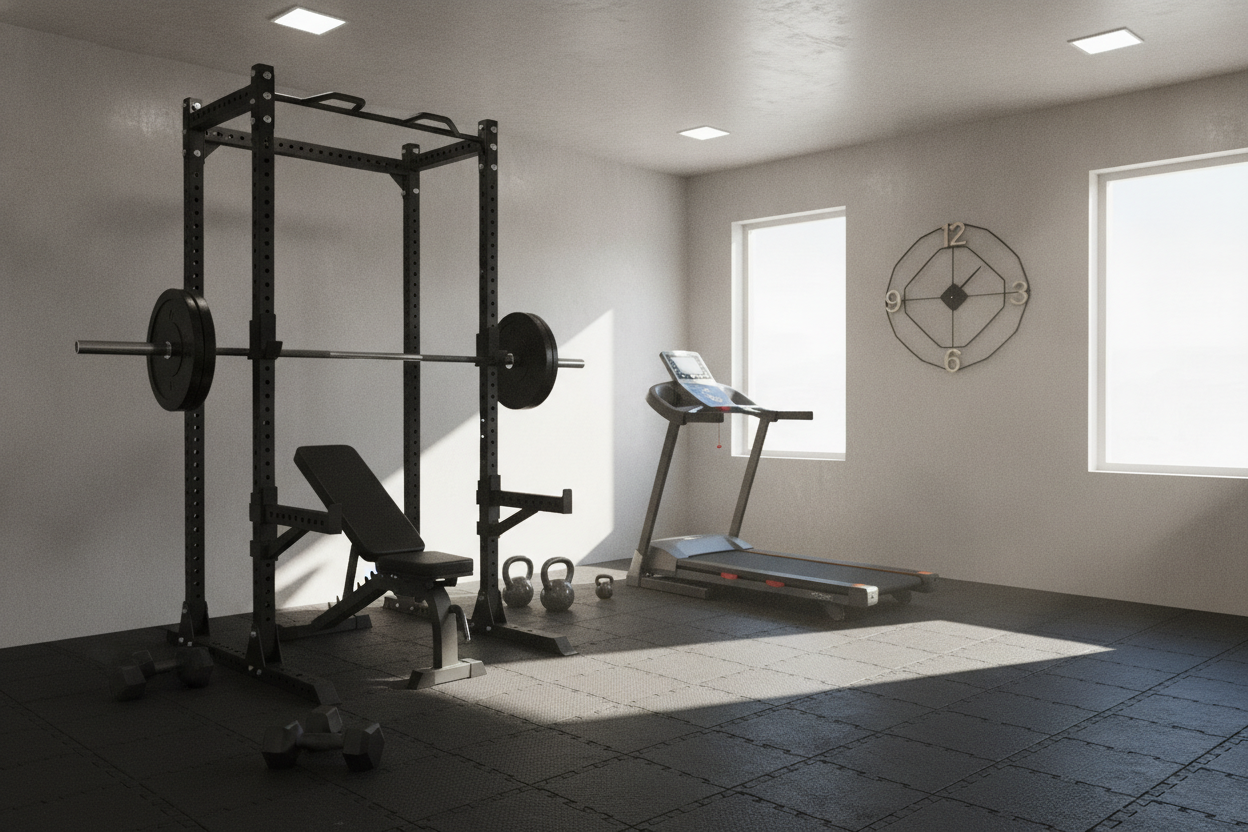
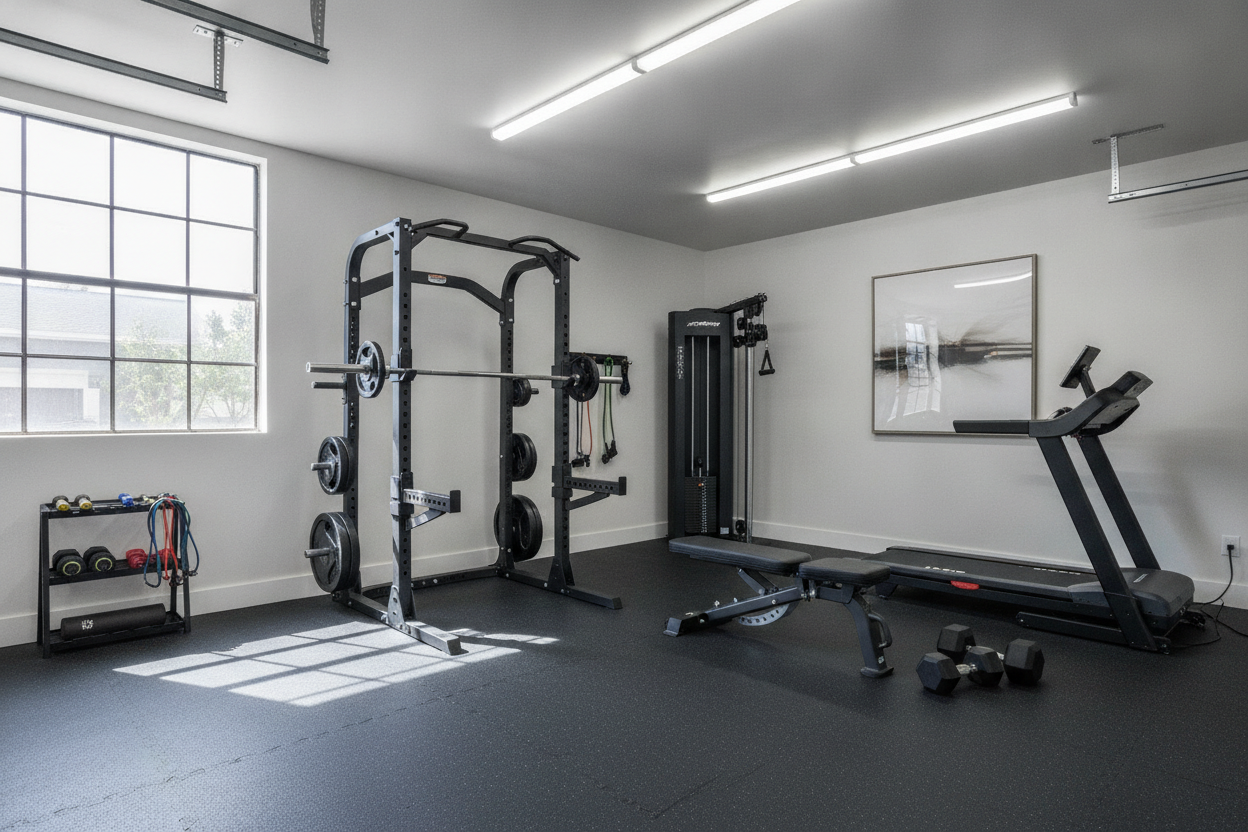
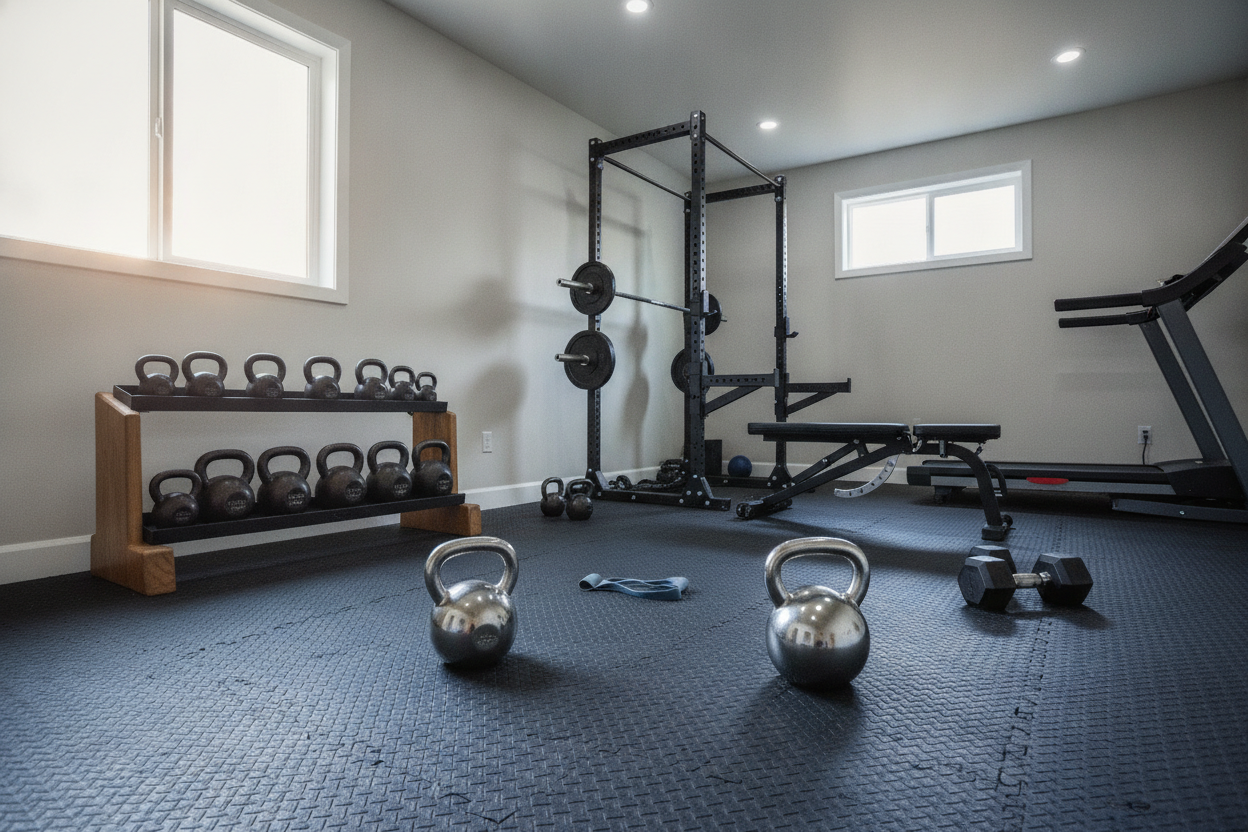
As you start collecting different weights for mobility and strength, your garage gym can start looking like a junkyard. I found that having a dedicated spot for my 'mobility bells' (the lighter ones) and my 'swing bells' (the heavy hitters) made a huge difference in my workflow. If you are tired of tripping over iron, look into building or buying a DIY kettlebell rack to keep the floor clear for your actual training.
Personal Experience: The 'Ping' That Taught Me Better
A few years ago, I ignored my hip tightness and tried to PR my back squat on a cold morning. Halfway up, I felt a sharp 'ping' in my adductor. I spent six months rehabbing a strain that could have been avoided with five minutes of loaded mobility. That was when I ditched the static lunges and started using the kettlebell hip shift. I have not had a hip-related injury since. Learn from my ego—load your mobility, and your joints will thank you.
FAQ
How heavy should the kettlebell be?
You do not need a beast for this. A 12kg (26lb) or 16kg (35lb) bell provides enough counterbalance for most people. The goal is tension and feedback, not a max effort lift.
Can I do the kettlebell hip shift every day?
Absolutely. Because it is a mobility drill and not a high-intensity lift, it is a great way to 'wake up' your hips every morning, especially if you have a desk job.
Is this the same as a kettlebell hip flexor stretch?
It is an evolution of it. While a standard stretch is static, the shift is dynamic and loaded, which better prepares the muscles for the actual demands of lifting and movement.