The Real Reason Some Exercise Machines Cost $200 and Others $2000
I have spent way too many late nights scrolling through online listings, trying to figure out why one cable crossover costs as much as a used Honda Civic while another looks like a total steal at $299. It is easy to get sucked into the trap of thinking you are getting a 'pro' setup for a fraction of the cost, especially when exercise machines all look the same in photoshopped marketing images. But after years of bolting this stuff together and seeing what actually holds up under a 400-pound squat, I can tell you that the price tag usually tells a very specific story about the steel.
The truth is, the fitness industry is flooded with gear that looks the part but performs like a toy. When you shop for a fit machine, you aren't just paying for the brand name; you are paying for the thickness of the metal, the smoothness of the bearings, and the peace of mind that the cable won't snap while it is inches from your face. I have seen enough bent frames and frayed wires to know exactly where the corners get cut.
- Steel Gauge Matters: 11-gauge is commercial standard; 14-gauge is for light-duty home use only.
- Pulley Quality: Aluminum pulleys last forever; plastic ones develop flat spots and drag.
- Weight Stacks: Cast iron stacks are expensive to ship; plate-loaded machines are the budget-friendly alternative.
- Floor Protection: Never put heavy steel directly on bare concrete or hardwood.
The Illusion of the Bargain Gym Setup
We have all seen those flashy listings for a 'complete home gym' that costs less than a year's membership at a local box. They look identical to the stuff you see in a commercial facility, but once you get it in your garage, the reality sets in. These units are often scaled down—narrower frames, shorter pull-up bars, and bolts that feel like they are made of lead. They are designed to look good in a thumbnail, not to survive a decade of heavy training.
The biggest trick is the 'max weight capacity' rating. A cheap exercise machine might claim a 500-lb capacity, but that is usually a static rating—meaning it can hold the weight if it sits perfectly still. The moment you start moving that weight dynamically, the frame flexes, the bolts creak, and the whole thing starts to feel like a liability. If you want to shop workout machine options that actually last, you have to look past the paint job.
What Actually Drives Up an Exercise Machine Price?
The manufacturing cost is dictated by raw materials and shipping weight. A high-end functional trainer might weigh 600 pounds, while the budget version weighs 150. That difference is entirely in the density of the steel and the solidness of the weight stacks. Understanding the exercise machine price reality helps you realize that you aren't just paying for a logo; you are paying for the literal tons of force the machine can handle without warping.
Then there is the hardware. High-tensile strength bolts, aircraft-grade cables, and magnetic selector pins add up. A cheap exercise machine price usually reflects the use of nylon pulleys that create friction and heat, eventually wearing down the cable coating. If you want that 'buttery smooth' feel of a commercial gym, you are paying for precision bearings and machined guide rods.
The Steel Gauge Trap (Why Your Gear Wobbles)
If you have ever felt a squat rack shimmy when you re-rack the bar, you have experienced the 14-gauge steel trap. In the world of exercise machines and prices, the lower the gauge number, the thicker the steel. 11-gauge steel is roughly 3mm thick and is the gold standard for anything holding serious weight. Cheap machines use 14-gauge or even 16-gauge, which is basically thin-walled tubing. It is light and easy to ship, but it lacks the mass to stay planted during a heavy set of rows or presses.
When to Buy an Exercise Machine Cheap (And When to Splurge)
You don't need to drop five figures to get a great workout. There are plenty of places to save. Cast iron weight plates, for example, are just lumps of metal—buying them used or from a budget brand is a smart move. A basic flat bench doesn't need to be over-engineered if you are only pressing 150 pounds. You can actually succeed at building a serious home gym with just a cheap exercise machine if that machine is a simple, plate-loaded piece with fewer moving parts to break.
However, you should never go cheap on anything with cables, pulleys, or adjustable hinges. A budget functional trainer will have 'hitchy' movements that ruin your mind-muscle connection. If the exercise machine with price seems too good to be true for a complex piece of equipment, it probably is. Spend the extra money on the items that involve movement and safety.
Don't Ruin Your Floors to Save a Few Bucks
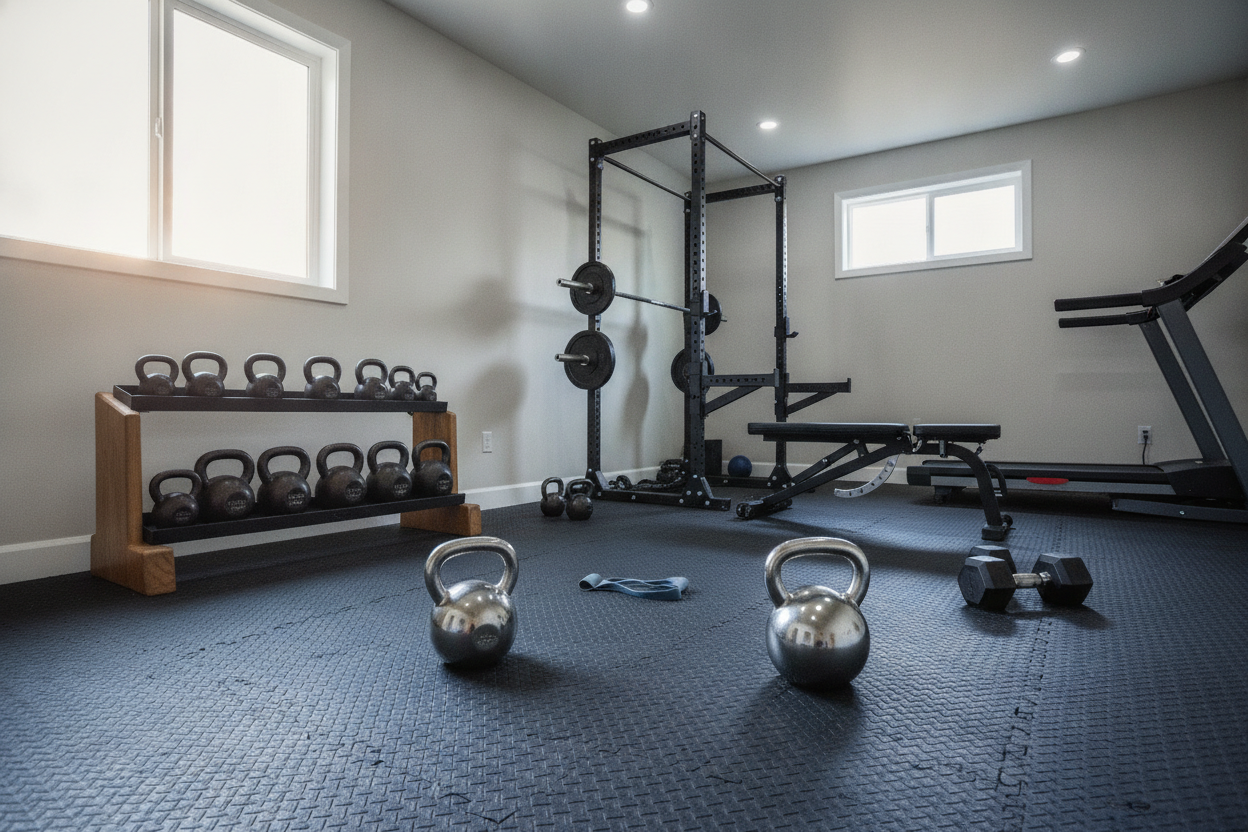
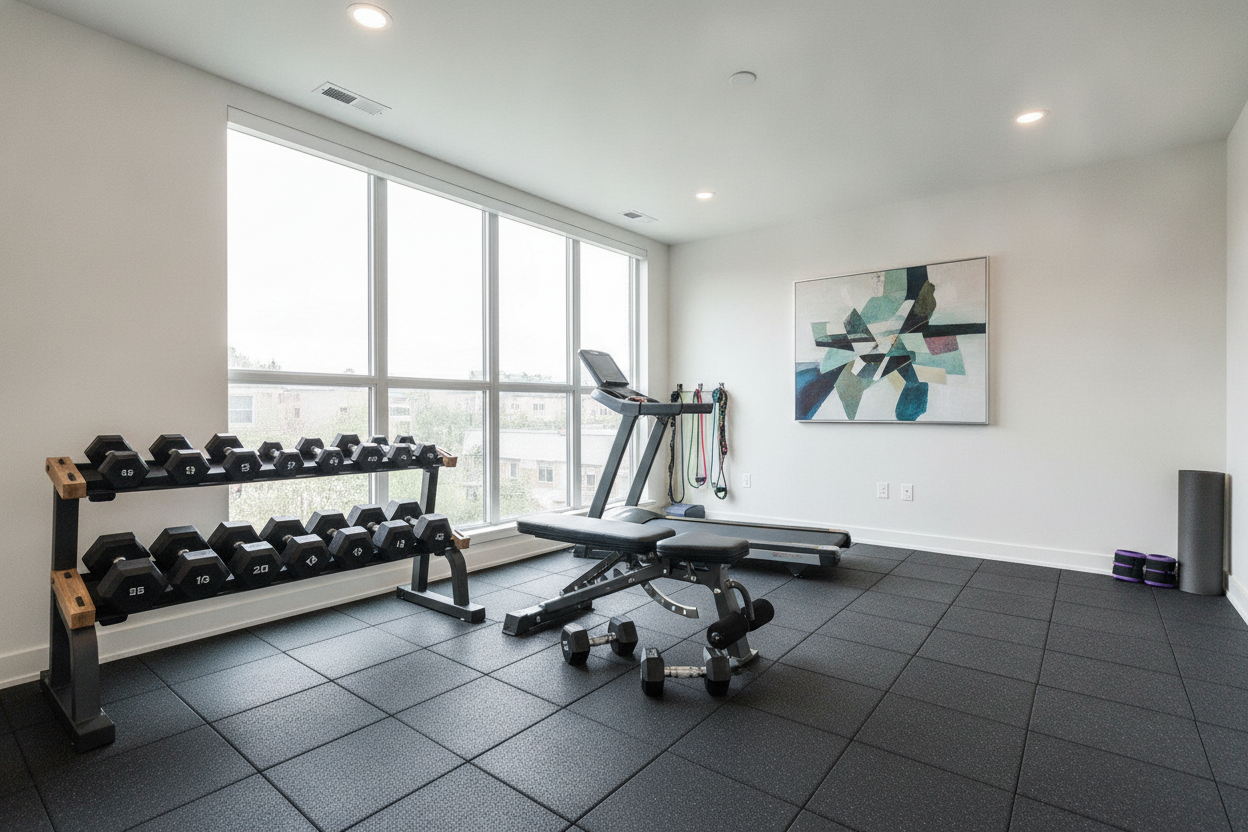
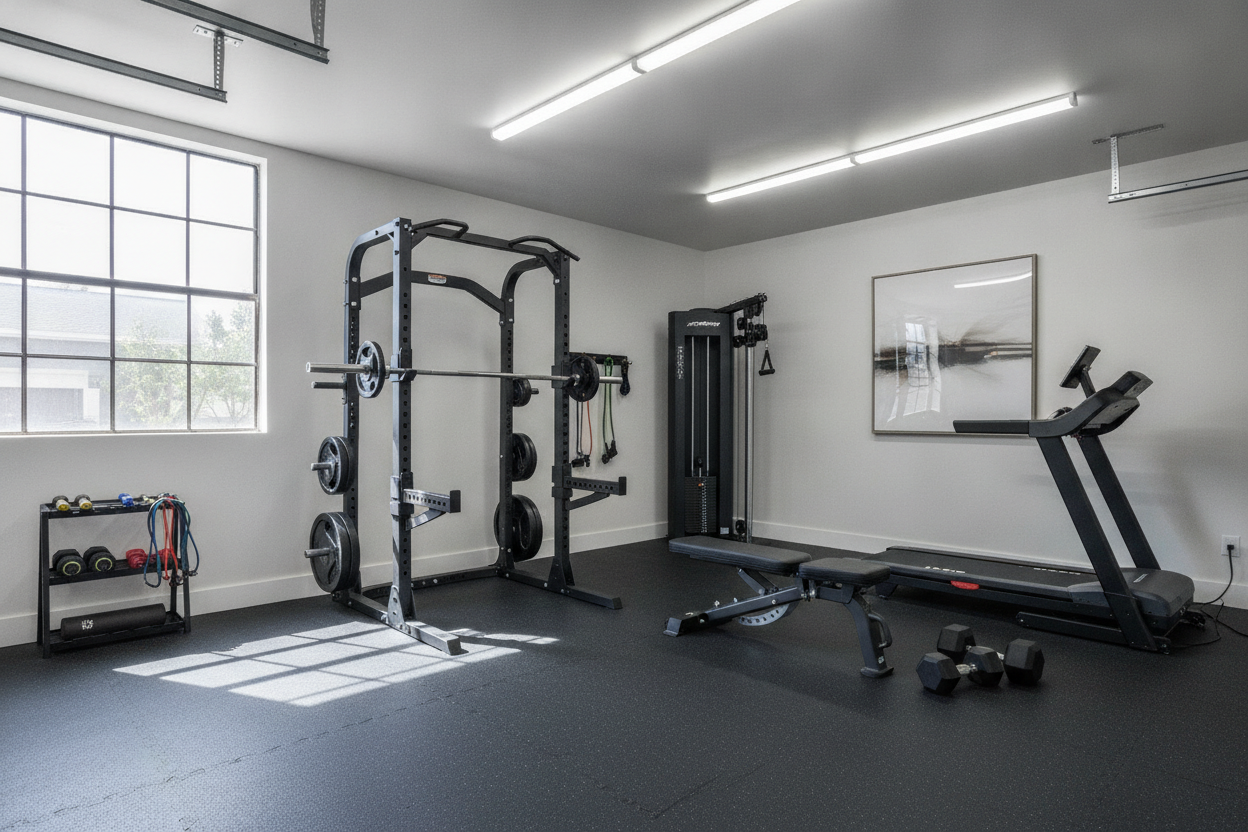
I have seen people spend $3,000 on a beautiful power rack only to set it directly on their garage concrete. Within a month, the vibration from dropping weights starts to spider-crack the foundation. If you are investing in heavy gear, you need a dedicated footprint. I always recommend at least a large 6x8ft exercise mat under any multi-station machine to dampen noise and protect your home.
Good flooring isn't just about protection; it's about stability. A machine that sits on a squishy, cheap foam tile will never feel solid. You want high-density rubber that won't compress under the weight of a 300-pound stack. It is the most overlooked part of any home gym budget.
How to Shop Workout Machine Sales Like a Pro
The best way to get high-end gear on a budget is to watch for 'open box' deals or holiday bundles. Often, manufacturers will offer free shipping or include accessories if you buy the flooring at the same time. Check out collections of large exercise mats when you are ready to buy your machine; bundling these items can often save you a couple hundred dollars in freight costs.
Avoid the 'fake' sales on big-box retail sites where the 'original price' is artificially inflated. Look for direct-to-consumer brands that have transparent specs. If they don't list the steel gauge or the type of bearings used, move on. A reputable company is proud of their specs; a cheap one hides them behind buzzwords.
My Honest Mistake
Years ago, I bought a $150 lat pulldown machine from a generic brand because I wanted to save money for a fancy barbell. The first time I tried to pull 200 pounds, the frame flexed so hard the cable jumped off the pulley and the handle nearly took my teeth out. I ended up selling it for $40 on Craigslist and buying a real 11-gauge unit two months later. I wasted $110 trying to be 'thrifty.' Buy once, cry once.
FAQ
Is 14-gauge steel okay for a home gym?
It is fine for beginners or those using lighter weights (under 200 lbs), but if you plan on getting strong, you will eventually outgrow it. It lacks the stability for heavy, dynamic movements.
Why are plate-loaded machines cheaper than selectorized ones?
Selectorized machines require heavy iron weight stacks and guide rods, which are expensive to manufacture and incredibly costly to ship. Plate-loaded machines use the weights you already own, saving you a massive amount of money upfront.
How do I know if a machine has good pulleys?
Look for aluminum pulleys with sealed ball bearings. If the description just says 'nylon' or doesn't mention bearings at all, expect a lot of friction and a shorter lifespan for your cables.