Your Home Gym Awaits: A Smart Buyer's Guide
There's a special kind of freedom that comes with having your own workout space. No more waiting for the squat rack, no more commuting in the rain, and the only person judging your form is the cat. The decision to invest in home gym equipment is an exciting one, but it can also feel overwhelming. With so many options, brands, and price points, where do you even begin? This guide is designed to walk you through the process thoughtfully, helping you create a functional and motivating space that fits your life and your budget.
Laying the Foundation: Define Your Goals and Space
Before you click 'add to cart' on that shiny new machine, the most crucial step happens away from the screen. Start by asking yourself some fundamental questions. What are your primary fitness objectives? Are you aiming to build muscle, improve cardiovascular health, train for a sport, or simply maintain a consistent movement routine? Your goals will directly dictate the type of equipment you need. A bodybuilder's needs will differ vastly from a yogi's.
Next, conduct an honest audit of your available space. Measure the area you plan to dedicate to your home gym. Don't forget to account for ceiling height, especially if you're considering a pull-up bar or a tall piece of cardio equipment. It's helpful to use painter's tape to mark out the footprint of larger items on the floor. This visual exercise can prevent the all-too-common mistake of ordering a treadmill that turns your spare room into a narrow hallway.
The Core of Strength: Navigating Free Weights
For many, the heart of a home gym is its collection of home free weight gym equipment. This category is the bedrock of strength training, offering unparalleled versatility. Let's break down the essentials.
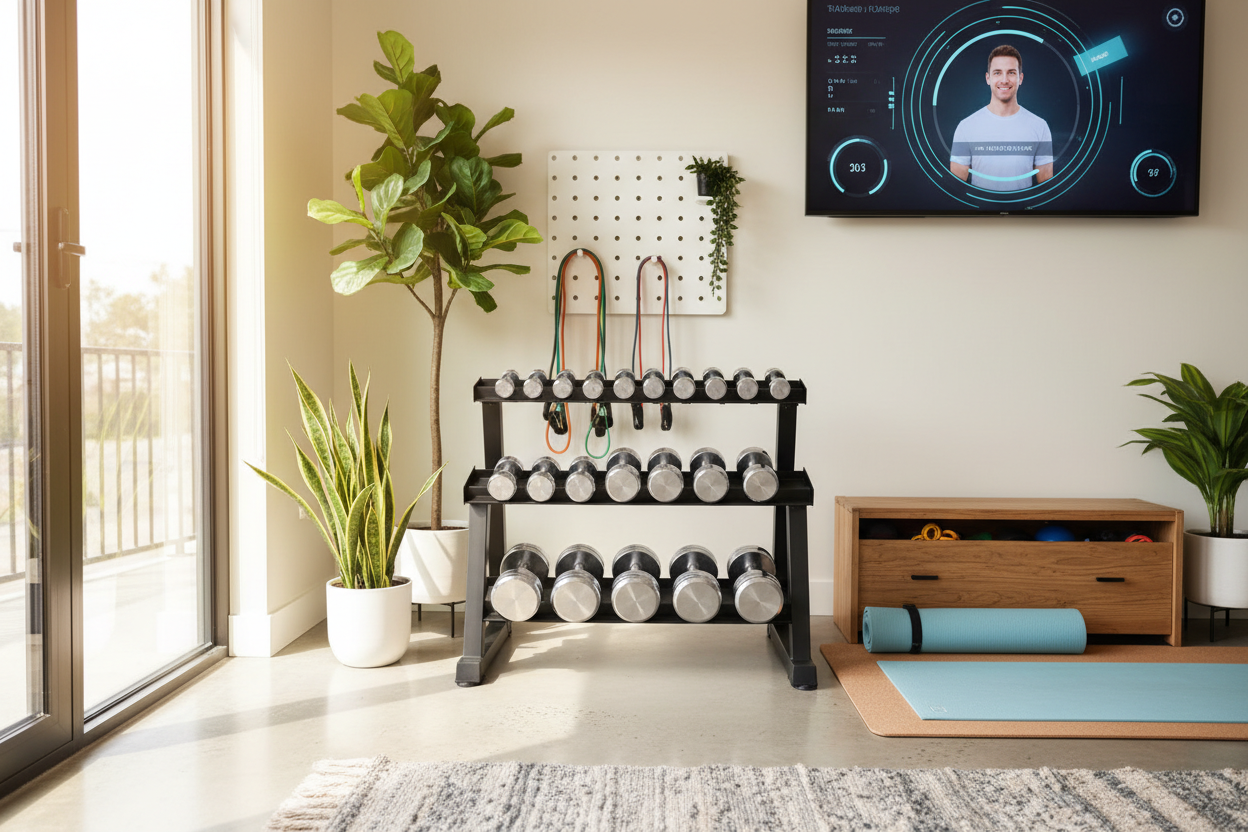
Adjustable Dumbbells are arguably the best space-saving invention for home gyms. A single pair can replace an entire rack of fixed-weight dumbbells, offering a wide range of resistance in a compact footprint. Brands like Bowflex and NordicTrack have popularized this concept, making it accessible for home users.
A sturdy Barbell and a set of Bumper Plates are non-negotiable for anyone serious about compound lifts like squats, deadlifts, and presses. When purchasing a barbell, pay attention to the sleeve rotation, knurling, and weight capacity. For plates, bumper plates are ideal for home use as they are designed to be dropped safely, protecting your floor and the plates themselves.
Don't overlook a solid Weight Bench. An adjustable bench that can incline, decline, and lay flat dramatically increases the number of exercises you can perform with your dumbbells and barbell. Ensure the frame is robust and the padding is firm and supportive.
My Garage Gym Journey: From Empty Corner to Personal Sanctuary
I started with a single, mismatched pair of dumbbells and a yoga mat in the corner of my garage. It was a start, but it wasn't inspiring. The real transformation began when I invested in a quality power rack. It felt like a big commitment at the time, but it was the best decision I made. This single piece of equipment, paired with a barbell and plates, became the centerpiece of my world. I could squat, bench, and do pull-ups safely alone, which was the whole point of building a home gym. The initial cost was offset by the years of saved membership fees, but more importantly, it gave me consistency. Rain or shine, at 6 a.m. or 10 p.m., my gym was always open. That reliability was priceless.
Cardio Considerations and the 'Nice-to-Haves'
While strength training is a priority for many, cardiovascular health is equally important. The key to buying gym equipment for home cardio is to be brutally honest about what you will actually use. A treadmill is excellent if you love running, but a folding exercise bike or a rowing machine might be a better fit for a small space and varied workouts. Consider noise as well; a quiet rower might be more apartment-friendly than a pounding treadmill.
Beyond the core items, there's a world of accessories. Resistance bands are incredibly versatile, portable, and cheap. A good gym mat protects your floor and provides comfort for floor work. A pull-up bar that mounts in a doorway is a simple yet highly effective tool for building upper body strength. Prioritize these additions after you've secured your foundational pieces.
Where to Shop and What to Look For
When you're ready to purchase home gym equipment, you have several avenues. Specialty fitness retailers often offer higher quality and better customer service but at a premium price. Big-box sporting goods stores provide a range of options you can sometimes see in person. However, one of the best resources is the secondhand market. Websites like Facebook Marketplace and Craigslist are filled with high-quality equipment that people are selling, often for a fraction of the original cost. Many items, like weight plates and power racks, are virtually indestructible and are fantastic secondhand finds.
Always prioritize safety and quality over a low price. Check weight capacities, read reviews from multiple sources, and look for equipment with solid warranties. Remember, you are trusting this equipment with your physical safety, so it's not the place to cut too many corners.
Building a Routine You'll Love
The final, and most important, step happens after all the equipment arrives. A home gym is a tool, and its value is realized through consistent use. Create a schedule, find online workout programs that align with your equipment, and give yourself grace as you learn. The convenience of a home setup removes a major barrier to exercise, making it easier to build a lasting habit. Your home gym is a personal investment in your long-term health and well-being. By making informed choices from the start, you can create a space that not only meets your fitness needs but also brings you joy and a sense of accomplishment every time you walk in.