Why Your Glutes Aren't Growing: The Blueprint for Gym Training
Building a strong posterior chain requires more than just casually tossing a few squats into your leg day routine. If you want serious development, you have to treat glute training with the same intensity and strategic planning usually reserved for chest or back days. The gluteus maximus is the largest muscle in the human body, yet it is often the most dormant due to our sedentary lifestyles. To wake it up and force it to grow, you need a combination of heavy compound movements, metabolic stress, and precise isolation work. The goal isn't just to move weight; it's to create tension specifically in the hips.
I spent my first two years of lifting completely frustrated with my progress. I was squatting heavy and deadlifting weekly, yet my physique looked unbalanced. My quads were overpowering everything else, and my jeans were tight in the thighs but loose in the back. The shift only happened when I stopped treating hip-focused movements as "accessories" and started prioritizing hip extension mechanics. I had to drop the ego, lower the weight, and actually learn to feel the muscle contract rather than just moving the bar from point A to point B. That mind-muscle connection is the difference between a tired lower back and a targeted pump.
The Anatomy of a Heavy Session
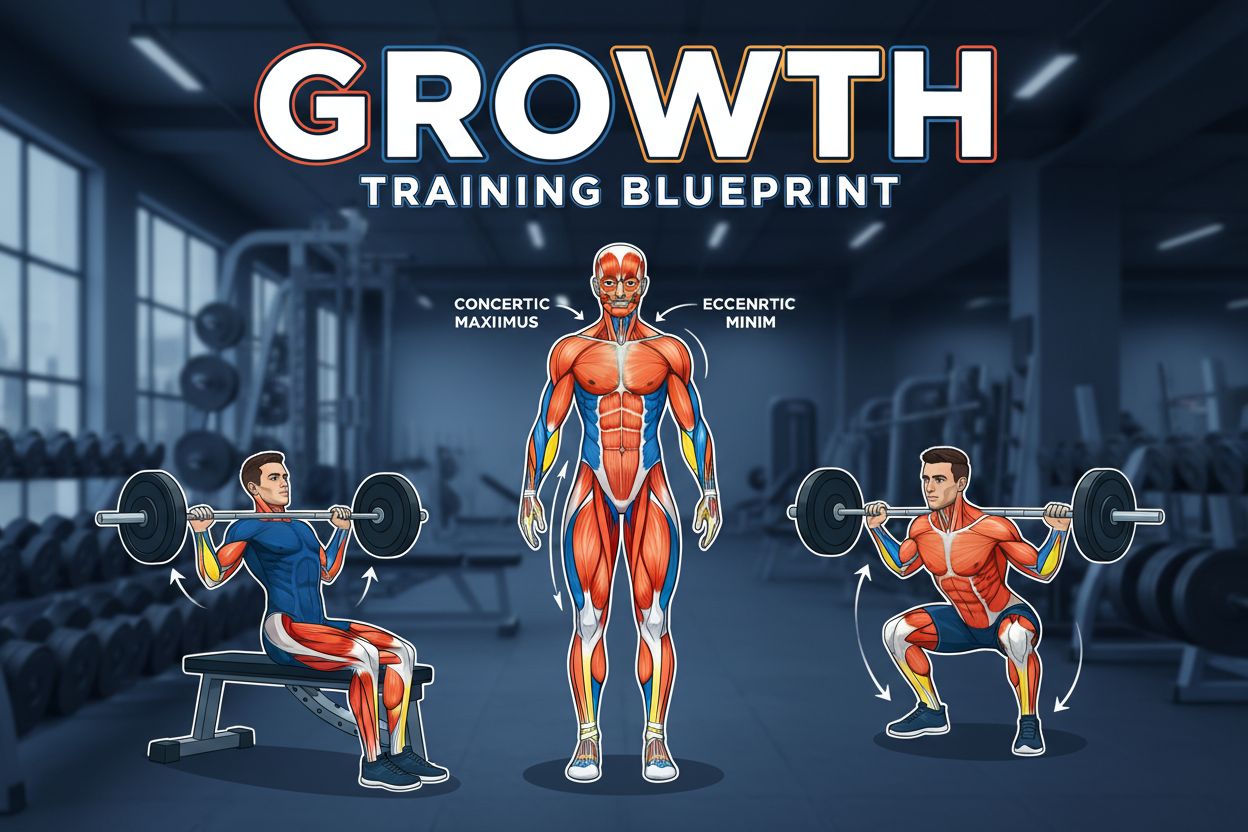
To construct the best workout for glutes at gym setups, you need to understand the three main mechanisms of hypertrophy: mechanical tension, muscle damage, and metabolic stress. You cannot rely on just one. A well-rounded routine targets the glutes from different angles, hitting the gluteus maximus, medius, and minimus.
Your session should almost always start with a heavy compound lift. This is where mechanical tension is highest. While the back squat is a staple, it is not always superior for glute development compared to the hip thrust. The hip thrust keeps constant tension on the glutes at the peak of contraction (shortened position), whereas the squat places the most tension on the glutes at the bottom (lengthened position). For optimal growth, you need both.
The Non-Negotiable: Barbell Hip Thrusts
If you walk into the weight room looking for specific gym exercises glutes respond best to, the barbell hip thrust is at the top of the list. It isolates the hip extension movement pattern without being limited by lower back strength, which is often the weak link in squats or deadlifts.
Set up a bench against a wall so it doesn't slide. Position your shoulder blades on the edge of the bench. The bar should sit directly on your hip crease (use a pad to avoid bruising). As you drive up, keep your chin tucked against your chest and look forward. This prevents your lower back from hyperextending. Drive through your heels, squeeze hard at the top, and control the descent. If you feel it in your hamstrings, your feet might be too far forward. If you feel it in your quads, they might be too close to your body.
The Stretch: Romanian Deadlifts (RDLs)
While the thrust works the shortened position, the Romanian Deadlift is arguably the king of the lengthened position. This exercise creates massive amounts of muscle damage—the "good" kind that stimulates repair and growth.
Approach the bar and lift it to a standing position. Unlock your knees slightly, but keep them fixed in that position. The movement comes entirely from pushing your hips backward, as if you are trying to close a car door with your butt. Keep the bar close to your shins. Go down only as far as your mobility allows without your back rounding; usually, mid-shin is plenty. You should feel a deep stretch in the hamstrings and glutes. To bias the glutes more than the hamstrings, you can allow a slightly greater bend in the knee, but ensure the movement is still a hip hinge, not a squat.
Unilateral Training for Symmetry
Bilateral movements (using both legs) are great for moving heavy loads, but they can hide imbalances. If your right side is stronger, it will take over during a heavy squat. This is why the best gym glute workouts always include unilateral work.
The Bulgarian Split Squat is notoriously painful but incredibly effective. Place one foot on a bench behind you and step the other foot out. To target the glutes, lean your torso forward slightly (about 45 degrees) and position your front foot far enough forward so that your shin stays relatively vertical as you descend. Drive up through the heel of the front foot. This movement challenges stability, engaging the glute medius to keep your pelvis level.
Step-ups are another underutilized powerhouse. The key here is using a box that isn't too high—knee height is usually sufficient. When you step up, do not push off with the back leg. Hinge forward slightly and drag your body up using only the front leg. Control the negative on the way down; do not just drop to the floor.
Isolation and Metabolic Stress
Once the heavy lifting is done, it is time to chase the pump. This is where you fatigue the muscle fibers completely with higher repetitions and shorter rest periods.
Cable Kickbacks
Cable machines offer constant tension that free weights cannot match. Strap an ankle cuff to a low pulley. Lean forward and hold the machine for stability. Kick your leg back and slightly out at a 45-degree angle. This abduction component targets the upper shelf of the glutes. Do not swing your torso; keep your core tight and move only at the hip joint.
Seated Abduction Machine
Many lifters skip this, thinking it's not "hardcore" enough. However, for targeting the glute medius and minimus, it is highly efficient. To get the most out of it, try leaning forward during the movement, or hovering your butt slightly off the seat to prevent other muscles from assisting. High reps work best here—aim for sets of 15 to 20 until you feel a distinct burn in the side of your hips.
Programming Your Routine
Frequency matters. Hitting this muscle group once a week is rarely enough for significant hypertrophy. Most natural lifters see better results training glutes 2 to 3 times per week. You don't need to destroy yourself every session. You might have one heavy day focused on thrusts and RDLs, and a second lighter day focused on high-rep unilateral work and cable isolations.
Progressive overload remains the driver of growth. You must do more over time. This doesn't always mean adding weight to the bar. You can add reps, add a set, slow down your tempo, or reduce rest times. Keep a logbook. If you are lifting the exact same weight for the exact same reps as you were three months ago, your physique will look exactly the same.
Common Pitfalls to Avoid
The most frequent mistake in the gym is sacrificing range of motion for weight. A half-rep squat with 300 pounds does less for your glutes than a full-depth squat with 135 pounds. Depth stretches the muscle fibers under load. Similarly, on the hip thrust, failing to reach full lockout at the top robs you of the peak contraction where the glutes work hardest.
Nutrition also plays a massive role. You cannot build tissue out of thin air. If you are in a steep caloric deficit, your body will prioritize energy conservation over muscle building. Ensure you are consuming enough protein to support repair and enough carbohydrates to fuel the intense leg sessions required to stimulate growth.
Frequently Asked Questions
How often should I train glutes to see results?
For most intermediate lifters, training glutes 2 to 3 times per week is optimal. This frequency allows you to accumulate enough volume for growth while giving the muscle roughly 48 hours to recover between sessions. Splitting the volume ensures high-quality reps rather than doing everything in one exhausting day.
Why do I feel my lower back taking over during glute exercises?
This usually happens due to poor core bracing or hyperextending the spine to compensate for a lack of hip mobility. Focus on tucking your chin and keeping your ribcage stacked over your pelvis. If the weight is too heavy to move with just your hips, lower the load and correct your form.
Can I build glutes without heavy squats?
Yes, absolutely. While squats are excellent, they are not mandatory for glute growth if they cause you pain or if you are quad-dominant. You can build an impressive physique using hip thrusts, lunges, Romanian deadlifts, and back extensions as your primary compound movements.