Your First Home Gym: Simple Gear That Actually Works
Starting a home gym can feel overwhelming. With endless online lists and complex machines, it's easy to think you need to spend a fortune to get a good workout. The truth is, you don't. For most beginners, a handful of versatile, well-chosen pieces of equipment are all you need to build a solid foundation for strength, cardio, and overall fitness. The goal isn't to replicate a commercial gym in your spare room; it's to create a personal space that motivates you to move consistently.
The Unbeatable Foundation: A Quality Mat
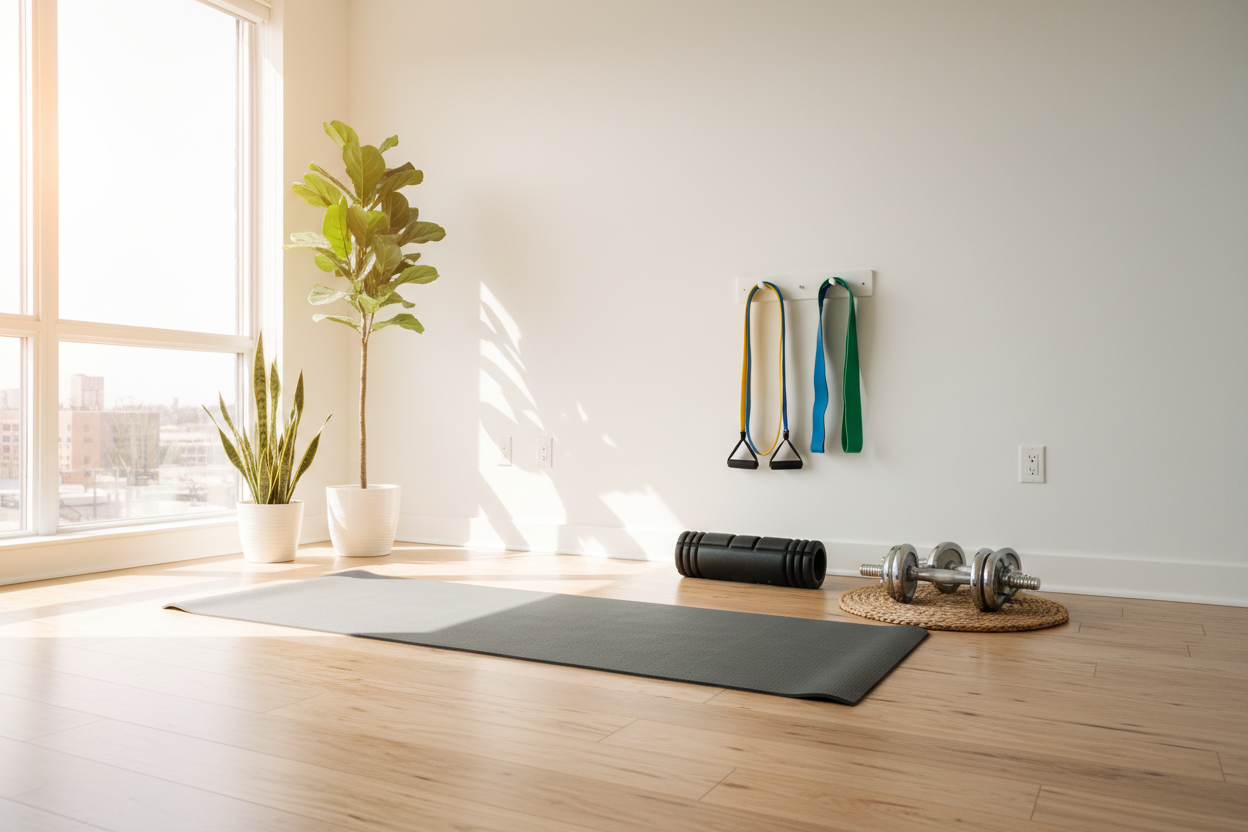
Before you even think about weights, your first purchase should be a good exercise mat. This isn't just for yoga; it defines your workout space, provides cushioning for your spine during floor exercises like crunches or glute bridges, and prevents slips. I started with a cheap mat that would slide all over my hardwood floor during a simple plank, making the exercise frustrating and unsafe. Investing in a thicker, non-slip mat was a game-changer. It made my workout area feel official and, more importantly, stable. Look for one that is durable, easy to clean, and provides enough padding for your comfort.
Adjustable Dumbbells: The Ultimate Space Saver
If you only buy one set of weights, make it a pair of adjustable dumbbells. Traditional dumbbell sets require a lot of space and can get expensive as you progress. Adjustable dumbbells solve this by allowing you to change the weight with a simple dial or pin, effectively replacing an entire rack of equipment. From light curls to heavy goblet squats, this one piece of gear can challenge you for years. They are the workhorse of a simple home gym, enabling a huge range of exercises for your arms, shoulders, back, and legs without cluttering your living area.
Resistance Bands for Versatility and Support
Resistance bands are incredibly lightweight, affordable, and powerful. A set with varying resistance levels (light, medium, heavy) can be used for everything from activating your glutes before a workout to assisting with pull-ups. They are fantastic for adding resistance to bodyweight movements like squats and push-ups, and they are gentle on the joints. I keep a set in a drawer and often use them for a quick workout when I'm short on time or while traveling. Their portability and versatility make them an indispensable tool for any beginner.
The Power of Bodyweight: A Pull-Up Bar and Your Own Strength
Never underestimate the effectiveness of your own body. Exercises like push-ups, squats, lunges, and planks are fundamental. To elevate your bodyweight training, a simple doorway pull-up bar is a superb addition. Even if you can't do a full pull-up yet (most beginners can't), you can use it for dead hangs to improve grip strength, or use a resistance band for assistance. It also opens up possibilities for inverted rows, a crucial exercise for building a strong back. This piece of equipment supports progressive training, allowing you to build strength over time.
Cardio That Fits: The Jump Rope
Cardiovascular health is a key component of fitness, and you don't need a bulky treadmill. A simple jump rope is one of the most efficient tools for improving your heart health, coordination, and endurance. It provides a high-intensity workout in a very short amount of time and can be used almost anywhere. Just five to ten minutes of jumping rope can get your heart pumping. It's a low-cost, high-reward item that perfectly complements your strength training gear.
Putting It All Together: A Sample Beginner Routine
So, how do you use this equipment? Here’s a simple full-body workout you can do with just the gear listed above, including a leg extension curl machine. Perform each exercise for 3 sets of 8-12 repetitions, resting for 60 seconds between sets.
-
Goblet Squats: Hold one adjustable dumbbell at your chest to add resistance to your squats.
-
Push-Ups: Use your mat for comfort. If standard push-ups are too difficult, do them with your hands on a bench or wall.
-
Bent-Over Rows: Hold a dumbbell in each hand, hinge at your hips, and pull the weights towards your chest.
-
Resistance Band glute bridges: Place a band just above your knees and perform glute bridges to activate your posterior chain.
-
Jump Rope Intervals: Jump rope for 30 seconds, then rest for 30 seconds. Repeat 5-10 times.
Remember, consistency is far more important than complexity. Start with what you can manage, focus on proper form, and gradually increase the difficulty as you get stronger. Your home gym is a personal project that should evolve with you, and these essentials are the perfect place to begin that journey.