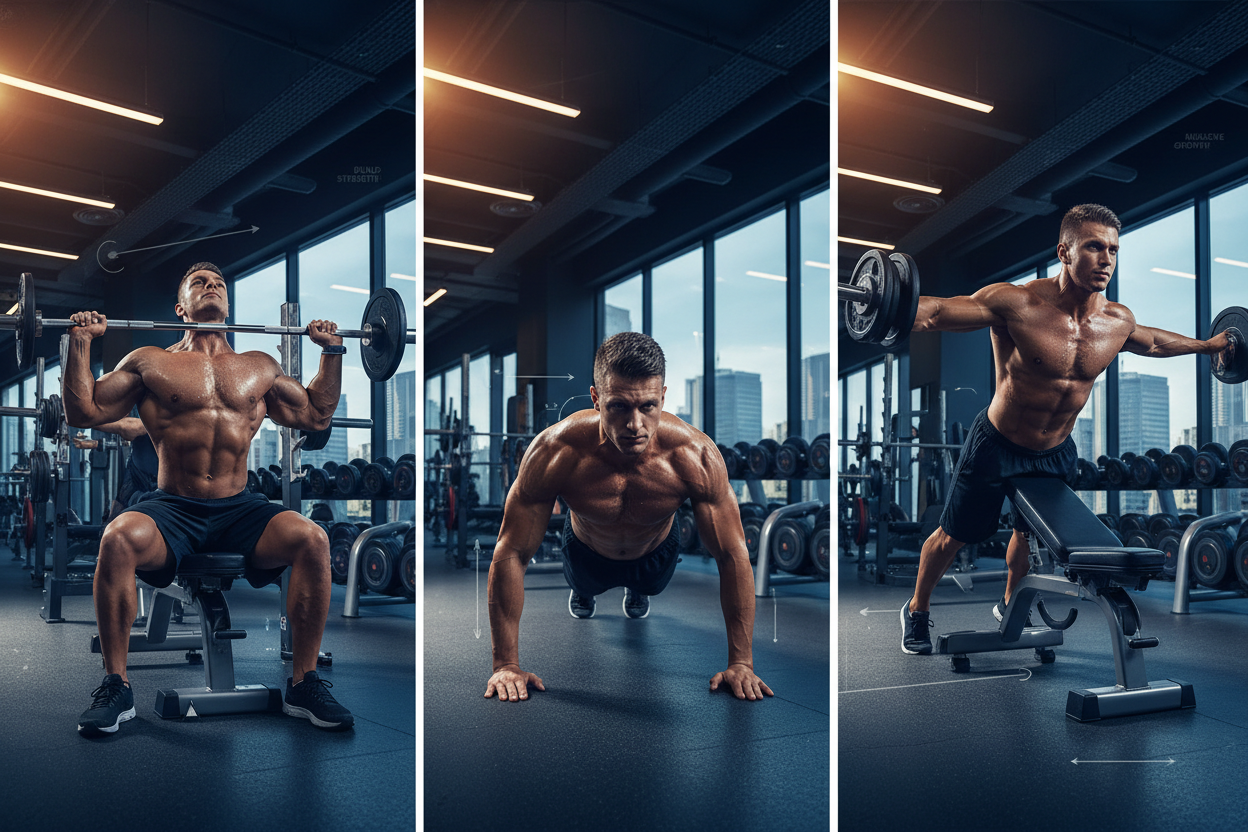
Build Powerful Pecs with Effective Dumbbell Chest Workouts
Training your chest with dumbbells offers a versatile and highly effective way to develop strength, symmetry, and definition. Dumbbell exercises for the chest not only engage your pectoral muscles but also recruit stabilizing muscles, which can improve your overall upper body performance. Whether you're working out at home or in the gym, understanding how to use weights properly for your chest workouts will help you get optimal results while minimizing the risk of injury.
Why Choose Dumbbell Chest Exercises
Dumbbells provide a greater range of motion compared to machines or even some barbell exercises. This increased range allows for deeper muscle stretching and enhanced contraction, leading to better muscle activation. For pectoral workouts with weights, dumbbells can also highlight imbalances between your left and right sides, giving you an opportunity to correct them.
Key Benefits of Dumbbell Chest Workouts
- Improved muscle activation due to increased range of motion
- Engagement of stabilizer muscles for better overall strength
- Flexibility to train at home or the gym
- Ability to address and fix muscle imbalances
Essential Dumbbell Exercises for the Chest
Flat Dumbbell Bench Press
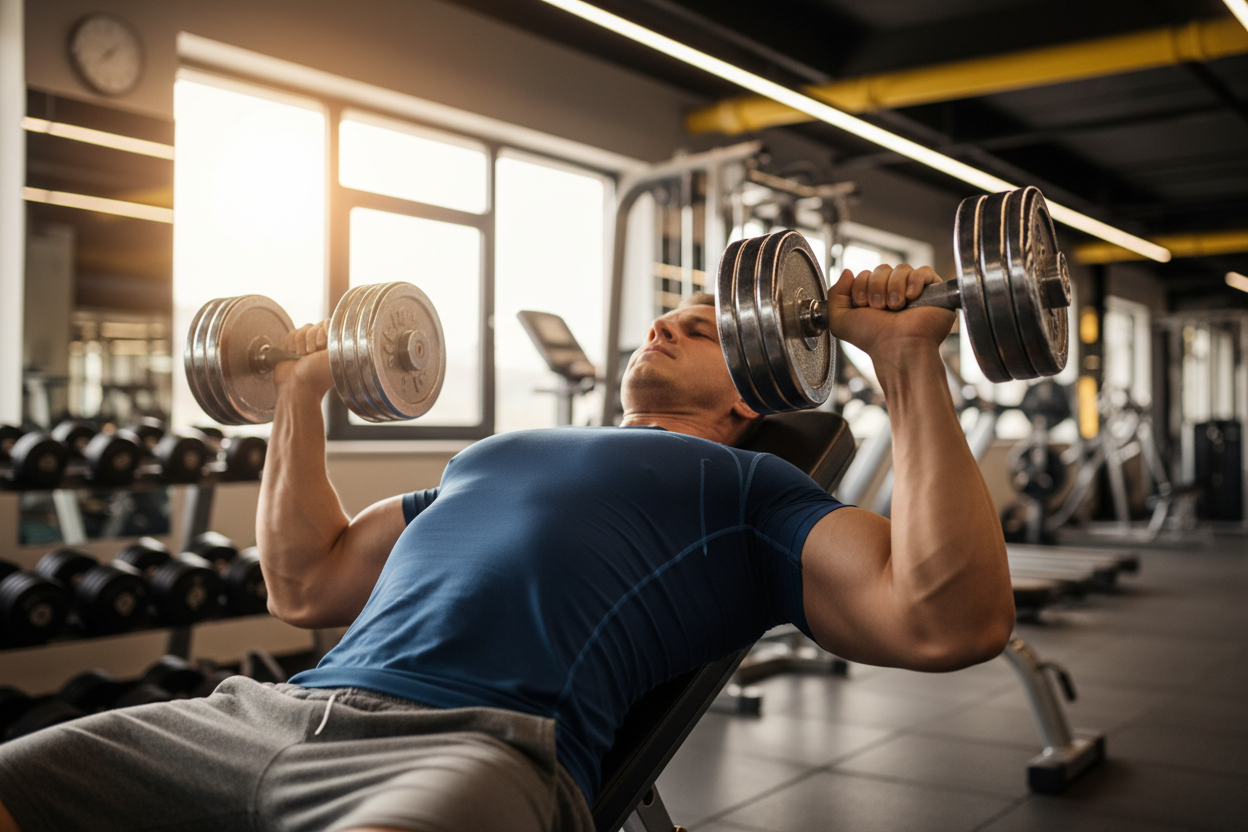
Performed on a flat bench, this exercise hits the middle portion of your chest effectively. Start with dumbbells held at shoulder height and press them upward until your arms are fully extended. Lower them slowly to avoid momentum and ensure maximum tension in the pectorals.
Incline Dumbbell Press
Set your bench to a 30-45 degree incline. This variation shifts the focus onto your upper chest and front deltoids. The incline position helps in developing a fuller chest profile, especially in the clavicular head of the pectoralis major.
Dumbbell Flyes on Bench
These are a classic for chest isolation. Lie on a flat or incline bench holding dumbbells directly over your chest with palms facing inward. Lower the weights in a wide arc until you feel a stretch in your chest, then bring them back together. This exercise emphasizes muscle stretch and contraction without engaging the triceps heavily.
Neutral Grip Dumbbell Press
Holding dumbbells with a neutral grip (palms facing each other) can reduce shoulder strain while still providing a challenging chest workout. This variation can be useful if you have mobility issues or past shoulder injuries.
Personal Experience in Dumbbell Chest Training
I started incorporating dumbbell chest exercises on a bench after a shoulder strain from heavy barbell presses. Switching to dumbbells not only reduced discomfort but also allowed me to focus more on controlling the weight and feeling the muscle work. Over months of consistent practice, I noticed greater symmetry and muscle fullness, particularly in my upper chest area. This made my workouts more enjoyable and sustainable in the long run.
Tips for a Safe and Effective Chest Workout
Always warm up before starting your dumbbell chest workouts to prepare your joints and muscles. Begin with lighter weights and gradually progress as your strength increases. Maintain proper form and avoid locking out your elbows completely at the top of pressing movements to keep tension on the chest. If possible, use a spotter for heavier lifts.
Programming Your Routine
For overall chest development, combine compound dumbbell presses with isolation movements like flyes. Aim for 3-4 sets per exercise, with rep ranges between 8 to 12 for hypertrophy. Rest for 60-90 seconds between sets to balance strength building and muscle recovery.
Conclusion
Dumbbell chest exercises on a bench, including presses and flyes, offer a balanced approach to building a strong and well-defined chest. They promote better muscle activation, correct imbalances, and allow for flexibility in training. By incorporating these movements into your routine with proper form and progression, you'll be on the path to more powerful and sculpted pectorals.