Your Core Strength Training Book PDF Is Just 50 Ways to Do Crunches
I remember the first time I shelled out twenty bucks for a popular core strength training book pdf. I was expecting the 'secret sauce' used by elite powerlifters to stabilize a 600-pound squat. Instead, I opened a 50-page document filled with colorful photos of bicycle crunches, leg flutters, and something called a 'dead bug' that looked more like a dying cockroach. It was a glorified aerobics manual.
Quick Takeaways
- Mainstream ab guides focus on spinal flexion (crunching) which often leads to back pain.
- Real core strength is about stability—preventing movement, not creating it.
- You need external resistance, not just bodyweight circuits.
- Heavy carries and anti-rotation movements are the foundation of a resilient spine.
Why Most Ab Guides Belong in the Digital Trash
The fundamental flaw in most digital manuals is that they treat the core like a bicep. They think if you just curl your torso forward enough times, you'll get 'strong.' In reality, your core's primary job is to keep your spine from moving while your limbs do the work. When I see people hunting for the complete book of core training pdf, they are often looking for volume over intensity.
Most of these guides are just rebranded abs and belly fat circuits. They make you sweat and give you a 'burn,' but they do nothing for your structural integrity. If your 'core training' doesn't involve bracing against a heavy load, you aren't building strength; you're just doing low-intensity cardio with your stomach muscles.
The 3 Pillars of a Usable Midsection Manual
If you're going to follow a program, it needs to be built on three specific movement patterns. First is anti-extension. This is your ability to keep your back from arching under pressure. Think ab wheel rollouts or weighted planks. If the PDF doesn't have you fighting to keep your ribs down, it's fluff.
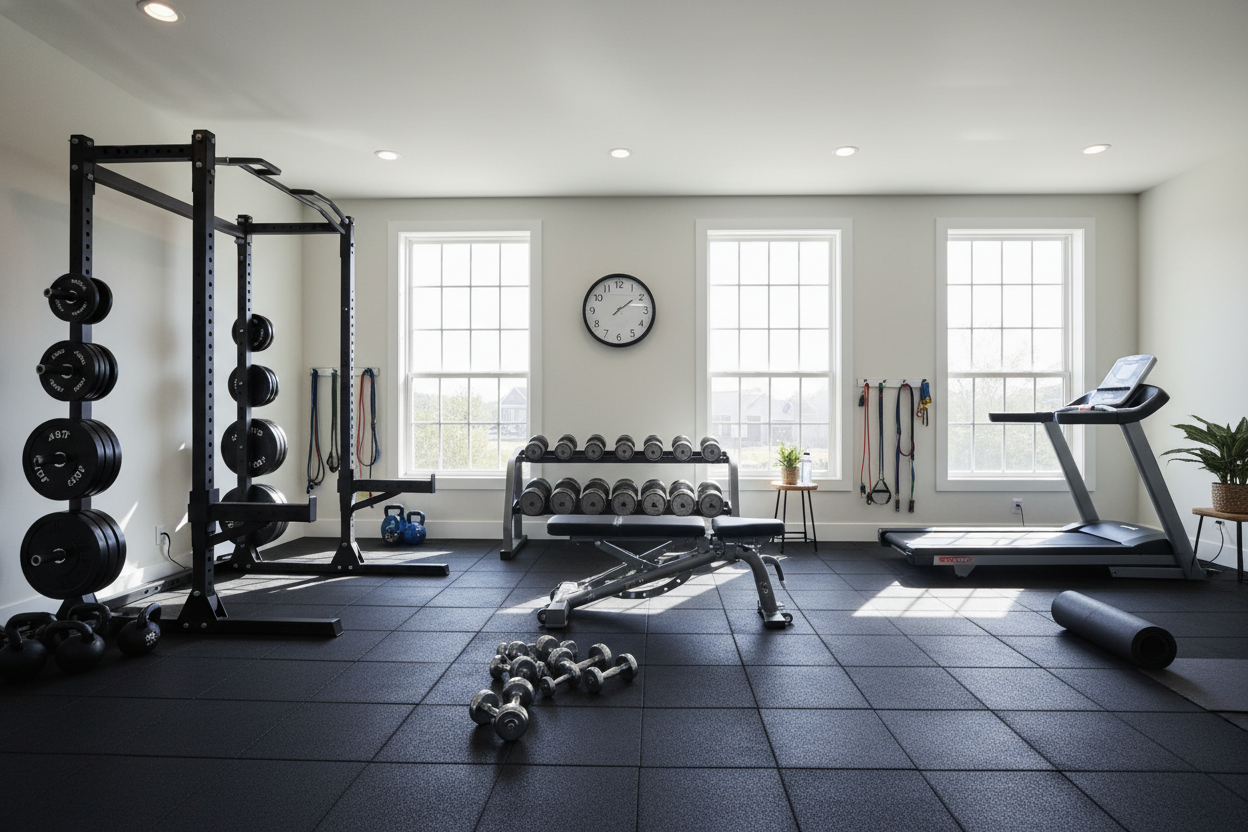
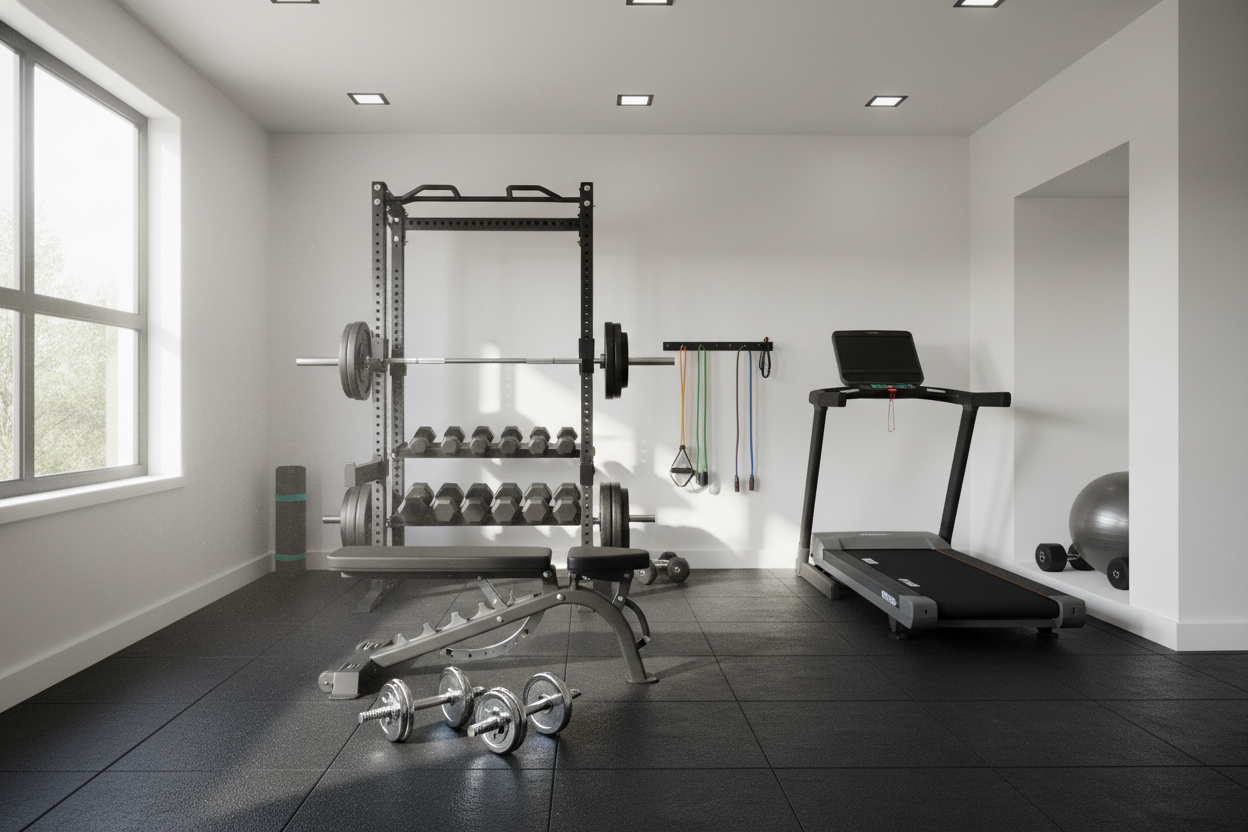
Second is anti-rotation. This is where the Pallof press comes in. You're standing still while a cable or band tries to yank your torso to the side. Third, and most importantly, are loaded carries. Picking up a heavy kettlebell or dumbbell and walking is the most functional core exercise on the planet. To do this right, you need actual strength equipment. A yoga mat isn't going to cut it when you need to stabilize 70 pounds in one hand while walking 40 yards.
Stop Doing Planks for Five Minutes Straight
I see guys in the gym all the time bragging about their five-minute planks. That isn't a feat of strength; it's a feat of boredom. If you can hold a plank for more than 60 seconds, you're not creating enough internal tension. You've turned a strength movement into an endurance hold.
I'd rather see you do a 10-second 'hardstyle' plank where you are actively trying to pull your elbows to your toes and crushing your glutes as hard as possible. Bracing against a heavy barbell during a squat builds a thicker, more resilient trunk than any stopwatch record ever will. Stop chasing the clock and start chasing tension.
Building a Core Routine Without a 100-Page Ebook
You don't need a massive digital library to get strong. You can build a bulletproof midsection by adding ten minutes of work to the end of your existing lifting sessions. Pick one movement per day and rotate them. Day 1: Ab wheel rollouts. Day 2: Pallof presses. Day 3: Suitcase carries.
All you really need are a few strength training accessories to make this work. A high-tension resistance band for your presses and a sturdy ab roller are the two best investments you can make for home gym core work. These tools force your muscles to stabilize against dynamic forces, which is exactly what happens when you're moving heavy furniture or hitting a PR on deadlifts.
The Final Verdict on Downloadable Core Programs
Most core-specific PDFs are a waste of storage space. They prioritize the 'six-pack' aesthetic over actual performance. While there's nothing wrong with wanting visible abs, those muscles are built in the kitchen and revealed by low body fat. Strength, however, is built by bracing.
The best core program is usually the one that supports your heavy compound lifts. If a guide tells you to do 100 crunches but doesn't mention how to breathe into your belt during a squat, delete it. Focus on stability, add some weight, and stop folding yourself in half like a piece of paper.
Personal Experience: The Day My Brace Failed
A few years ago, I was chasing a 405-lb squat. I had the leg strength, but halfway up, my torso folded forward. I didn't drop the bar, but I felt a sharp 'zip' in my lower back that sidelined me for a month. I realized I had been doing 'ab circuits' but I hadn't been training my core to stay rigid under load. I swapped the high-rep floor work for heavy weighted planks and single-arm carries. Six months later, that 405 felt like a warm-up. My legs didn't get that much stronger, but my 'chassis' finally could handle the engine.
FAQ
Do I need a core strength training book pdf to get a six-pack?
No. Visible abs are a result of low body fat. A PDF might help you build the muscle, but you won't see them until your diet is dialed in. Focus on heavy bracing for strength first.
Is the ab wheel better than crunches?
Yes, by a mile. The ab wheel is an anti-extension movement that teaches your core to protect your spine. Crunches just teach your spine to flex, which can aggravate your discs over time.
How often should I train my core?
Treat it like any other muscle group. Two to three times a week with high intensity is plenty. You don't need to do it every day if you are already doing heavy compound lifts.