

Why Most Exercise Classes Online Are Just Expensive Cardio
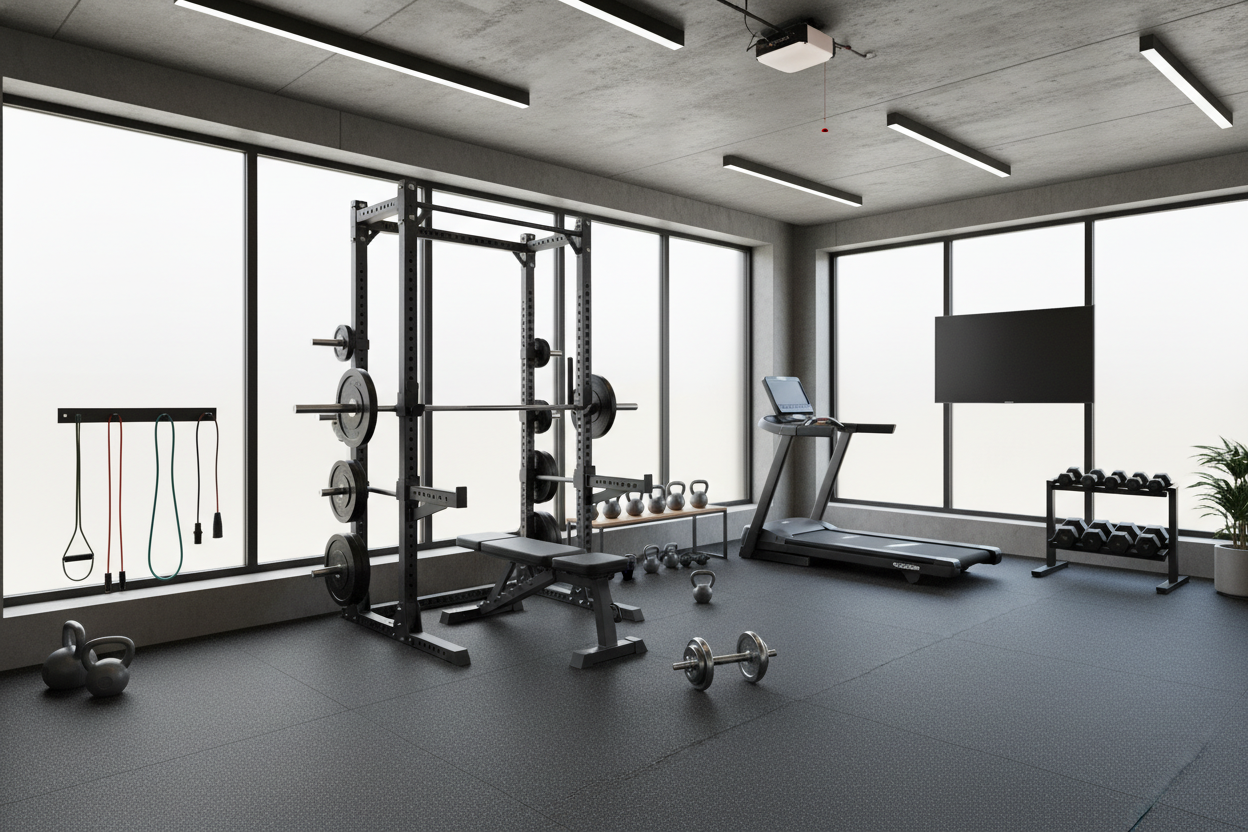
I have spent the last five years obsessing over knurling, rack hole spacing, and the exact durometer of bumper plates. But even with a sweet garage setup, I hit a wall last month. I was bored, my joints were cranky, and the thought of another heavy 5x5 session made me want to nap. So, I did the unthinkable: I traded my barbell for a month of exercise classes online.
I wanted to know if a virtual workout class could actually maintain the muscle I worked so hard for, or if I’d just end up as a sweaty, smaller version of myself. I tried everything from an online fitness class focused on HIIT to a virtual fitness studio that promised 'functional strength.' Here is what I found after thirty days of dodging my power rack.
Quick Takeaways
- Great for conditioning and work capacity, especially if you usually skip your cardio.
- Terrible for building raw strength or hypertrophy due to a lack of progressive overload.
- The pacing is a shock to the system if you are used to long rest periods between sets.
- You need a lot more floor space and impact protection than you might think.
Why a Garage Gym Guy Tried Virtual Workouts
My garage is my sanctuary. It is where I go to move heavy iron and listen to loud music. But lately, my training felt stale. I was going through the motions, and my conditioning was, frankly, embarrassing. I could squat 405, but a flight of stairs left me winded. I decided to see if an online fitness class could fill the gaps.
I was skeptical. I always viewed an online gym as something for people who did not own a squat rack. I assumed a virtual fitness class would be all fluff and no substance. My goal was to see if these online classes for fitness could offer more than just a high heart rate. I wanted to see if they could actually push a seasoned lifter.
I signed up for a few different platforms, looking for the best online gym lessons. I tried live workout classes online to get that group energy, and I streamed pre-recorded sessions when I was short on time. I went in expecting to be bored; I came out realizing that my work capacity was much worse than I cared to admit.
The Good: Where Streaming Workouts Actually Shine
The biggest win for any online exercise class is the lack of friction. You do not have to plan. You do not have to think about what comes next. You just hit play and do what the person on the screen tells you to do. For a guy who spends hours meticulously tracking percentages in a spreadsheet, outsourcing my brain for 45 minutes was a massive relief.
The pacing of a live fitness class is relentless. There is no scrolling on your phone between sets. If the instructor says you are doing 40 seconds of kettlebell swings followed by 20 seconds of rest, that is exactly what happens. This level of density—doing more work in less time—is something most home lifters fail to replicate on their own. It turns your garage into a high-intensity virtual fitness studio.
I also found that virtual group workouts tricked me into doing the stuff I usually avoid. I would never choose to do ten minutes of core work or mobility drills on my own. But when it is part of a livestream workout, you just do it. My hips actually started feeling better after a week of these sessions because I was finally moving in planes other than just up and down.
The Bad: The Illusion of Progressive Overload
Now for the reality check. If your goal is to get legitimately strong, most home workout classes are going to fail you. The issue is the 'burn.' Many instructors equate being breathless and feeling a burning sensation in the muscles with a productive workout. While that burns calories, it does not necessarily build lean tissue.
Most virtual workout classes rely on high-rep plyometrics and bodyweight movements. This creates a ceiling. Once you can do 50 air squats, doing 60 does not make you stronger; it just makes you better at doing 60 air squats. Without the ability to add weight to the bar, you are just chasing a sweat, not a PR. I missed the feeling of a heavy load on my spine.
Furthermore, the sheer volume of jumping in these programs is a nightmare for your joints. If you are doing these workouts on bare concrete, you are asking for shin splints or worse. I quickly realized that to survive the impact of a daily virtual exercise class, I needed durable home gym flooring. Without proper shock absorption, all those 'fitness online class' burpees will wreck your knees long before they build your quads.
How to Actually Use Virtual Classes Without Losing Gains
You do not have to choose between being a meathead and a 'virtual workout' enthusiast. The sweet spot is integration. I started using online beginner exercise classes for my active recovery days. Instead of sitting on the couch, I’d do a 30-minute low-impact session to get the blood flowing and work on my range of motion.
If you want to use an online fitness studio for your main training, you have to be smart about it. Do not just follow the instructor blindly. If they are doing bodyweight lunges and you have a pair of 50-lb dumbbells, pick them up. You can find success by adapting an online fitness program for your home gym equipment. Use the instructor for the timing and the motivation, but use your own gear to keep the intensity high enough for muscle growth.
I found that online weights classes were the most useful when they focused on tempo. Even with lighter weights, a good instructor can make a workout feel brutal by slowing down the eccentric or adding isometric holds. This is a great way to maintain muscle while giving your central nervous system a break from max-effort lifting.
The Verdict: Keep the Iron, Steal the Pacing
After a month, I am back to my barbell, but I have kept the subscription. I realized that a virtual workout program is a tool, not a replacement. It is perfect for those days when you are low on motivation or when you need to focus on your heart health rather than your total. It is about balance.
If you are going to commit to this, make sure you have the space. Most of these classes involve a lot of lateral movement and floor work. You need a large enough exercise mat to ensure you aren't constantly stepping off onto the cold floor during a transition. Having that dedicated space makes the experience feel less like a living room struggle and more like a real gym session.
Do not sell your rack. Do not get rid of your plates. But do not be afraid to let a screen-based coach kick your ass once or twice a week. Your heart and your joints will probably thank you for the variety.
FAQ
Do I need a lot of equipment for online fitness classes?
Most are designed for minimal gear. A set of dumbbells, some resistance bands, and a solid mat will get you through 90% of what is out there. If a class requires a specific machine, there is usually a bodyweight alternative provided.
Can you actually build muscle with a virtual fitness program?
It is difficult if you are already an experienced lifter. You will likely see some initial 'newbie gains' if you are coming from the couch, but eventually, you will need to add external resistance (weights) to keep seeing progress.
Are live workout classes better than pre-recorded ones?
Live classes offer accountability. Knowing the instructor might call out your name or that others are watching the leaderboard can push you harder. Pre-recorded classes are better for those with unpredictable schedules.