Your Cardio and Weight Training Plan for Weight Loss Is Overcomplicated
I spent three years trying to outrun a bad diet while simultaneously attempting to hit a 405-pound squat. My garage floor was littered with half-empty pre-workout tubs and my joints felt like they were filled with gravel. I was following a spreadsheet so complex it looked like a tax return, yet the scale wouldn't budge and my strength was cratering. The truth is, most people fail because their cardio and weight training plan for weight loss is built on a foundation of pure exhaustion rather than logic.
- Stop doing HIIT on your heavy leg days; your CNS can't handle it.
- Prioritize compound movements to keep your metabolic rate high.
- Conditioning should be a tool, not a daily death march.
- Rest intervals during lifting sessions are non-negotiable for muscle preservation.
Why You're Probably Doing Too Much of Both
The most common mistake I see in home gyms is the 'everything at once' approach. You decide this is the month you lose 20 pounds, so you start a high-volume bodybuilding program and pair it with a daily 5k run. Within two weeks, your knees are screaming, your sleep is trashed, and you're raiding the pantry at midnight because your cortisol is through the roof.
When you try to crush both ends of the spectrum simultaneously, you end up mediocre at both. You aren't lifting heavy enough to signal muscle retention, and you're too fatigued to actually push your heart rate during cardio. You need to stop debating weight training or cardio for fat loss and start understanding how they work together without canceling each other out. If you're always in a state of 'medium intensity,' you're just burning out.
The 'Heavy and Hustle' Framework
I advocate for a split I call 'Heavy and Hustle.' It’s a binary way of looking at your week. You are either moving heavy iron to tell your body 'don't burn this muscle,' or you are pushing your cardiovascular system to improve oxygen utility and caloric burn. You don't mix them in the same hour unless you want to be mediocre at both.
By separating these stressors, you allow your nervous system to recover. On heavy days, you aren't worried about your heart rate. On hustle days, you aren't worried about your one-rep max. This clarity makes the programming sustainable for months, not just the first three weeks of January when your motivation is artificially high.
Structuring your cardio and weight training routine for weight loss
A sustainable cardio and weight training routine for weight loss usually follows a 3+2 or 4+2 split. I prefer three days of heavy lifting (Full Body or Push/Pull/Legs) and two days of dedicated conditioning. This leaves two full days for active recovery—like a long walk or light mobility work.
Monday, Wednesday, and Friday are for the iron. Tuesday and Thursday are for the 'hustle'—think hill sprints, kettlebell swings, or rowing intervals. This structure ensures that when you step up to the barbell on Monday, your legs aren't still toasted from a six-mile run on Sunday. It sounds simple because it is. Complexity is the enemy of consistency.
The Bare Minimum Gear You Actually Need
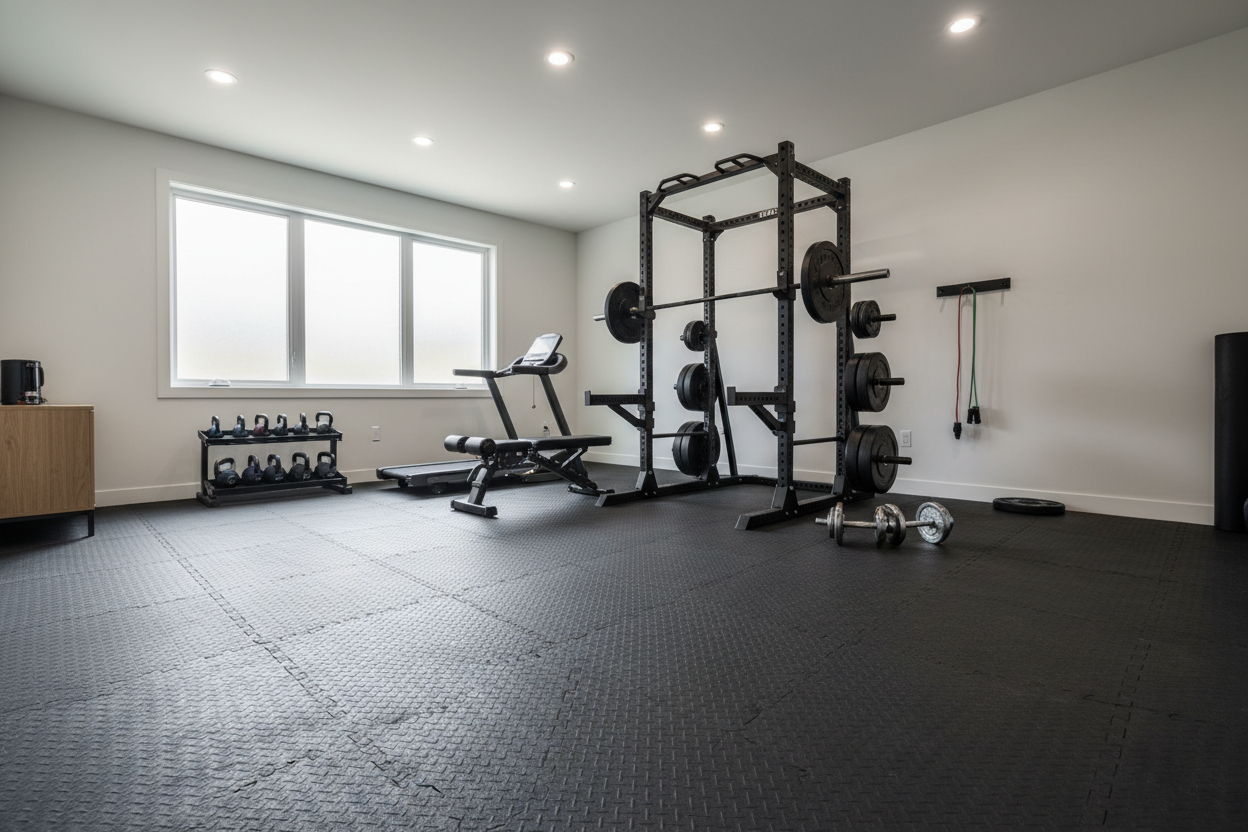
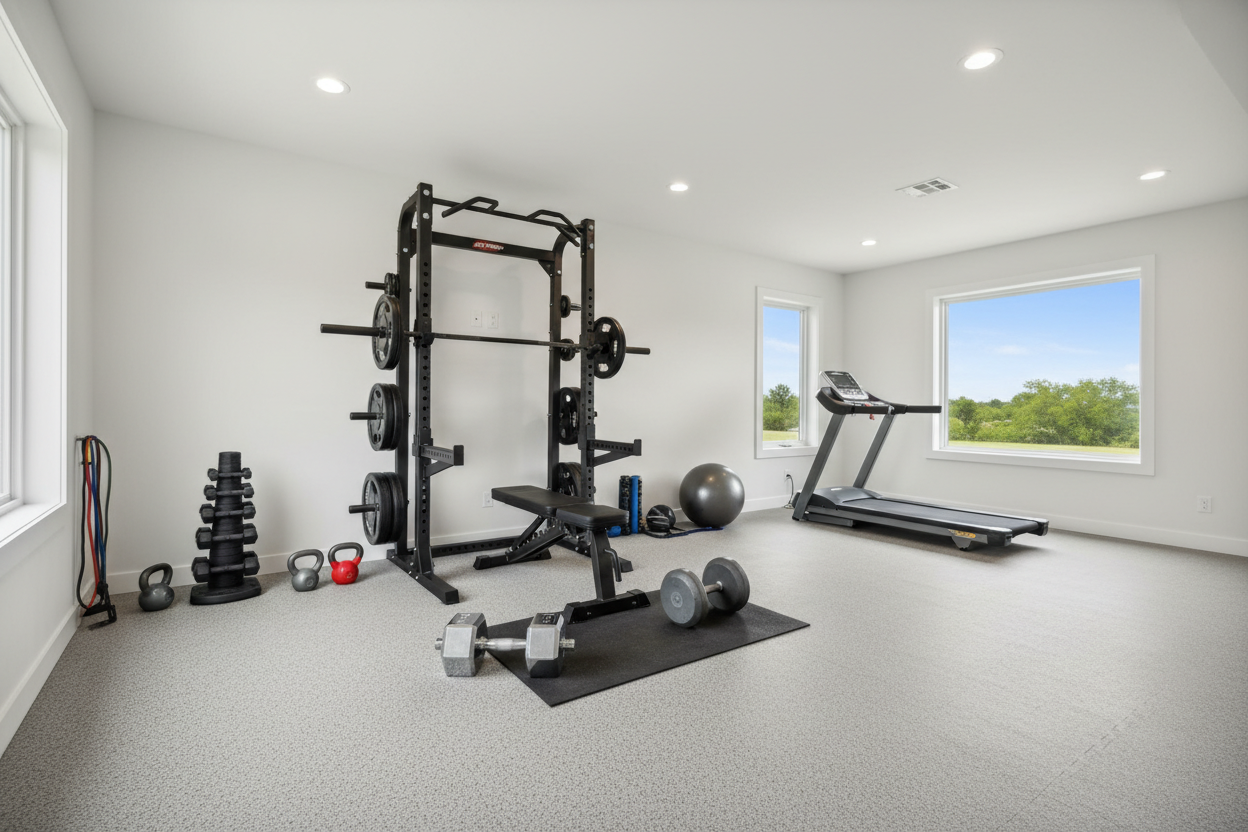
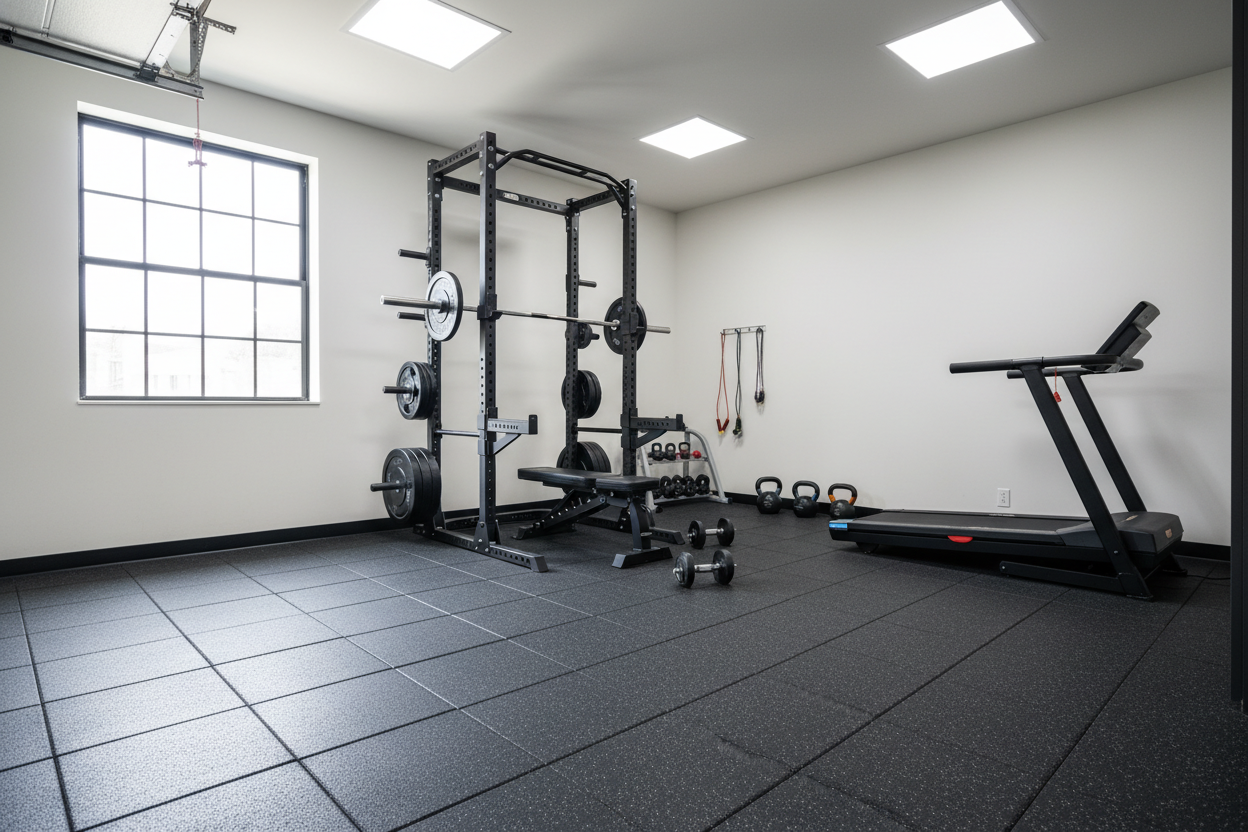
You don't need a 12-station cable jungle to get this done. In fact, the more machines you have, the more time you waste adjusting pins. For the lifting side, a high-quality weight set and bench is the bedrock. Look for a bench with at least a 600-lb capacity; those cheap $80 bolts-and-plywood benches will start to wobble the second you try to press anything significant.
For the conditioning side, you don't even need a treadmill. I do most of my 'hustle' work on a large exercise mat for cardio. This protects my garage floor from sweat and dropped kettlebells, and it’s way easier on the ankles than jumping rope on bare concrete. If you have a mat, a heavy kettlebell, and a jump rope, you have a world-class conditioning suite.
A Realistic Cardio and Strength Training Routine for Weight Loss
Here is exactly how I’d run this. For the lifting days, stick to the basics: Squats, Presses, and Rows. Perform 3 sets of 5-8 reps. This range is the 'sweet spot' for maintaining strength while in a caloric deficit. You aren't trying to set world records; you're trying to hold onto the muscle you have. If you find yourself overthinking the movements, I've used a 60 min fat killer HIIT strength workout on days when I just want to follow a video and sweat without checking my notebook.
On your cardio and strength training routine for weight loss days, keep the sessions under 30 minutes. Try this: 30 seconds of max-effort kettlebell swings followed by 90 seconds of rest. Repeat for 10 rounds. It sounds easy on paper, but if you're actually pushing the intensity, you'll be gassed. The goal is to spike the heart rate, let it recover, and get out of the gym before you start catabolizing tissue.
Where Most People Mess This Up
The biggest pitfall is 'cardio-izing' your lifting. You see it everywhere: people doing squats with 10-second rest periods because they want to 'keep the heart rate up.' Stop it. If your heart rate is the primary driver during your lifting session, you aren't lifting heavy enough to trigger muscle protein synthesis. You're just doing shitty, weighted cardio.
Sit down between sets. Take two full minutes. Let your breathing settle. This allows you to move more weight in the next set. More weight moved equals more tension on the muscle, which equals a better metabolic profile. Save the gasping for air for your conditioning days. When you're under the bar, be a lifter. When you're on the mat, be an athlete.
Personal Experience: The Burnout Lesson
I once tried a 'transformation' plan that had me lifting six days a week and doing 45 minutes of fasted cardio every morning. By week four, I was so tired I couldn't even unrack my normal warm-up weight. My testosterone tanked, and I actually looked softer because I was holding so much systemic inflammation. I switched to the 3+2 split I described above, and within a month, I was stronger and leaner. Less really is more when the intensity is right.
FAQ
Can I do cardio and weights on the same day?
You can, but do the weights first. If you run five miles and then try to squat, your stabilizers will be fatigued, increasing your injury risk. If you must do both, space them out by at least six hours.
How much weight should I lose per week?
Aim for 0.5% to 1% of your body weight. Any faster and you're likely losing significant muscle mass, which will just tank your metabolism in the long run.
Do I need supplements for this plan?
Creatine and protein powder are helpful, but they won't fix a broken program. Focus on the 'Heavy and Hustle' split first, then worry about your supplement stack.