You Don't Need a New Split, You Need Better Workout Fundamentals
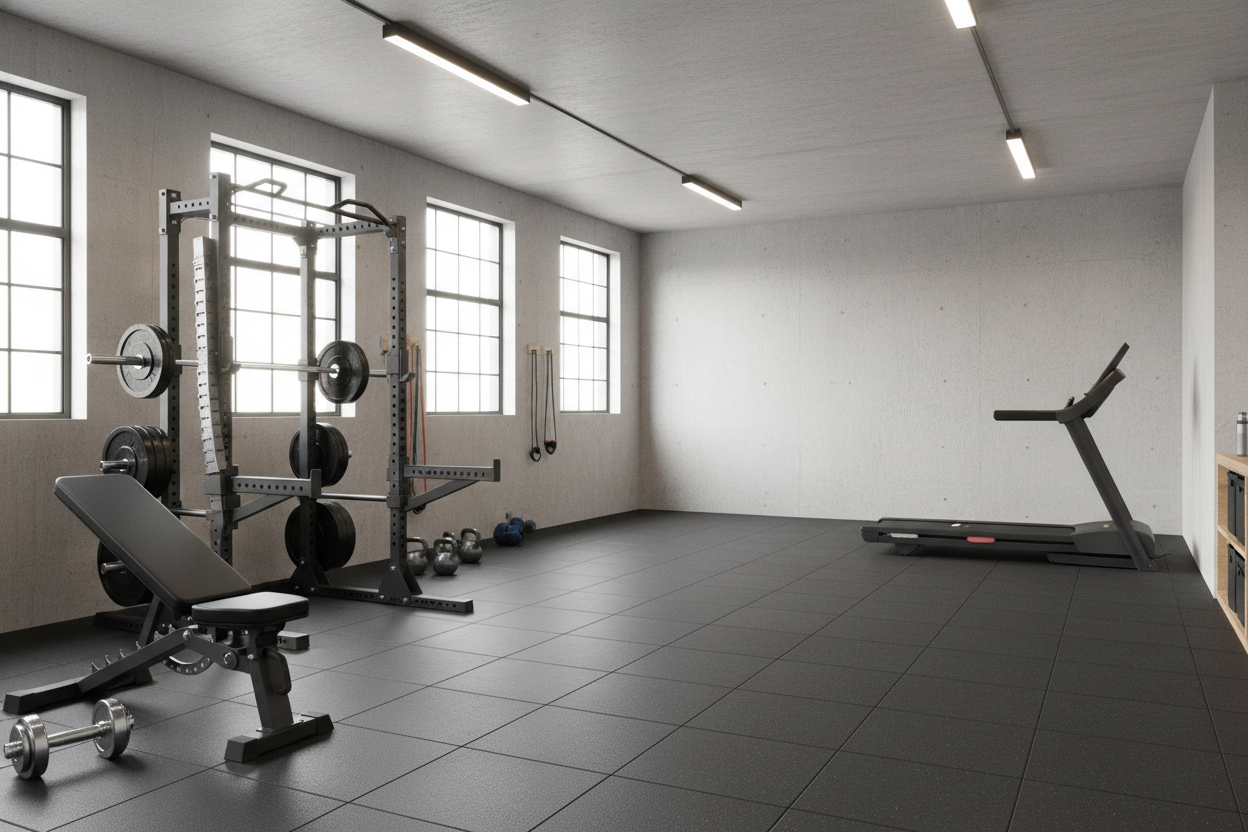
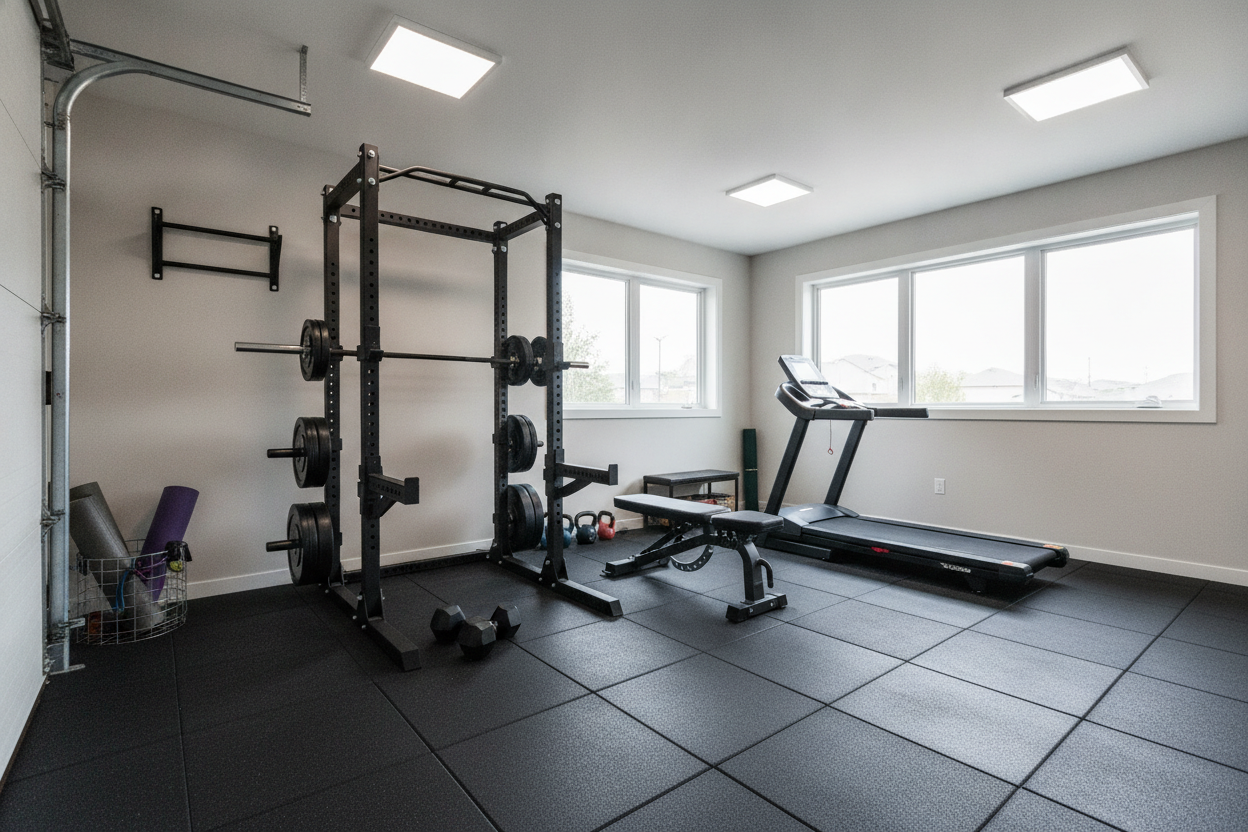
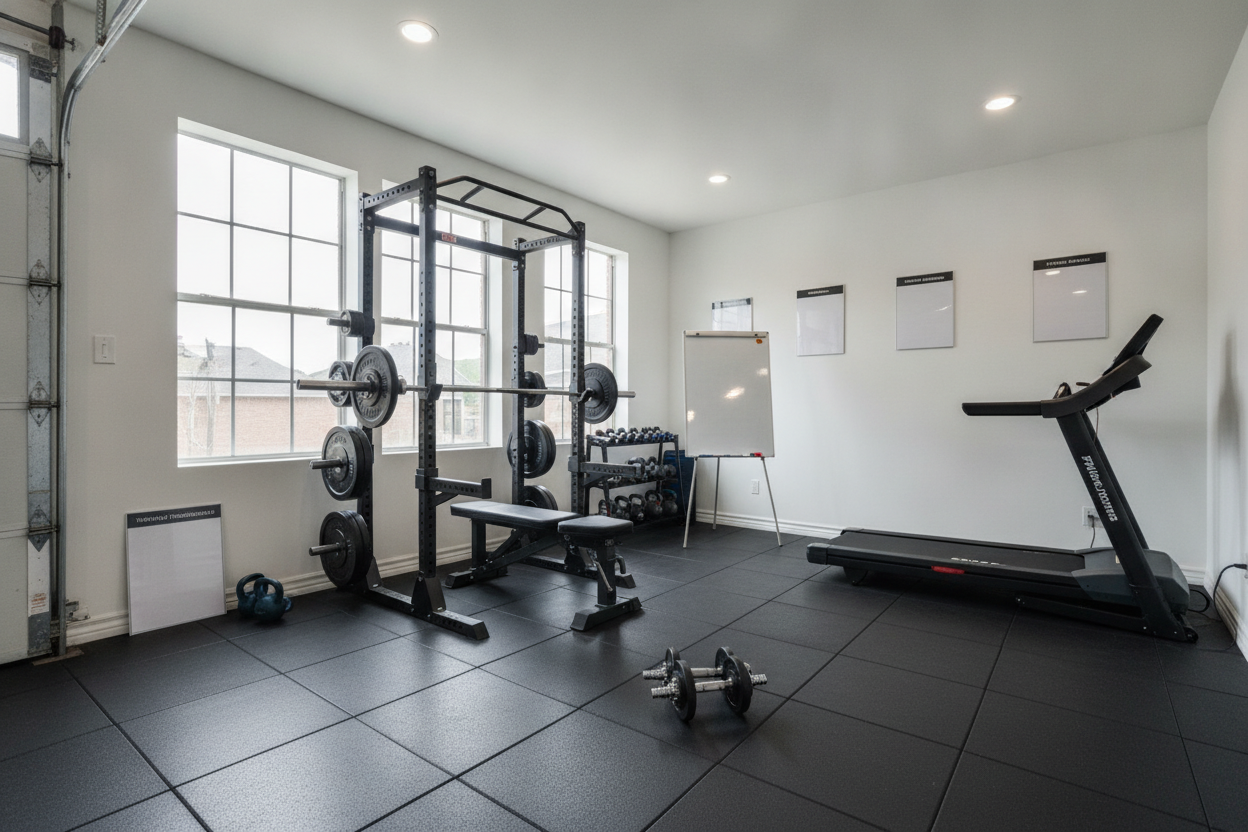
I spent forty-five minutes last Tuesday staring at a 45-lb plate like it was an alien artifact. I’ve got a garage full of gear—a rack that can support a literal truck, calibrated plates, and a power bar with knurling so sharp it’ll take your skin off if you look at it wrong. Yet, my bench has been stuck at 245 lbs for two years. It’s easy to blame the program or the equipment, but the truth is usually uglier: I got lazy with my workout fundamentals.
Quick Takeaways
- Stop changing your program every three weeks; novelty is the enemy of progress.
- Film your sets from the side to identify hip-shooting or rounded backs.
- Drop your working weight by 15% to focus on eccentric control and bracing.
- Mastering the four main movement patterns is the only way to break a multi-year plateau.
The 'Intermediate Lifter' Delusion
Most home gym owners hit a dangerous crossroads at the six-month mark. You’ve moved past the 'newbie gains' phase, your sleeves are tighter, and you start thinking you're an advanced lifter. You stop recording your sets. You start 'eyeballing' your squat depth. You decide that warming up is for people who don't have a 300-lb total.
This arrogance is exactly where progress goes to die. You aren't plateauing because you need a Bulgarian Burst Method or a six-day high-volume split. You're plateauing because you've stopped respecting the fundamentals of working out. When you treat the basics as a 'beginner phase' you graduate from, you stop building the very foundation that supports heavy loads. You’re trying to put a penthouse on a house built on sand.
Why Chasing Novelty Is Killing Your Gains
We’ve all been seduced by 'muscle confusion.' You see a guy on Instagram doing a cable-iso-lateral-squat-press and think that’s the missing link. It’s not. Most lifters switch exercises far too often, never staying with one movement long enough to actually get strong at it. If you’re constantly rotating your lifts, you’re just getting better at being uncoordinated.
Mastering a few core lifts with surgical execution yields ten times the results of doing a mediocre job at fifty different variations. If you can't feel your lats engaging during a standard barbell row, adding a fancy attachment won't help. This lack of mastery is a primary reason why your routine gym workout isn't working. You're chasing the pump instead of the process.
The Big Four You Probably Aren't Doing Right
Let’s talk about the Squat, Hinge, Push, and Pull. These aren't just exercises; they are movement patterns. Most of the 'advanced' guys I see in garage gym groups are failing the subtle mechanics. They aren't bracing their core—they're just holding their breath. They aren't controlling the eccentric phase; they're letting gravity do the work and bouncing off their joints.
On the squat, are you rooting your feet into the floor, or is your weight shifting to your toes? On the hinge, are you actually loading your hamstrings, or just bending over? For the push and pull, are your shoulders packed, or are they shrugging into your ears? If you're unsure what these cues even mean, you should check out our workout hub for a breakdown of proper mechanics before you load another plate.
How to Rebuild Your Base (Without Losing Your Mind)
The hardest thing to do in a home gym is to take weight off the bar. There’s no one there to judge you, yet our egos act like there’s a crowd of a thousand. To fix your fundamentals, you need to drop your working weights by 15% for the next month. This isn't a deload; it's a recalibration. Every rep should look identical to the one before it.
I recommend doing this work on a large flat exercise mat rather than just standing on squishy stall mats or lifting in running shoes. You need to feel your big toe, pinky toe, and heel making a tripod with the ground. Stability starts at the floor. If your base is wobbly, your lift will be too. Use this time to film every single set. You’ll be disgusted by what you see at first, but that’s the only way to get better.
What Happens When You Actually Stick to the Script
The secret that the 'pros' don't tell you is that their training is incredibly boring. They do the same five or six movements for decades. They just do them better than you. Consistency beats complexity every single day of the week. Once you stop treating your workouts like a variety show and start treating them like a craft, the numbers start moving again.
Once you’ve actually rebuilt that foundation and your form is locked in under heavy loads, then—and only then—should you look into home workout plans bodybuilding style to add the icing on the cake. But remember: you can't ice a cake that hasn't been baked. Get the basics right first.
Personal Experience: My 400-lb Wake-up Call
A few years ago, I was obsessed with hitting a 405-lb squat. I hit it, but my back looked like a fishing pole and my knees were caving in like a folding chair. I 'got' the rep, but I felt like garbage for three weeks after. I realized I wasn't strong; I was just good at cheating. I stripped the bar back to 135 lbs and spent two months relearning how to sit into my hips. It was humiliating, but six months later, I hit 405 again—and this time, it felt like a warm-up.
FAQ
How do I know if my fundamentals are bad?
Film a set at about 80% of your max. If your hip height changes before the bar moves on a deadlift, or if your heels lift on a squat, your fundamentals are failing. Pain in the joints rather than the muscles is also a huge red flag.
Do I need fancy gear to fix my form?
No. In fact, gear often masks bad form. Ditch the lifting belt and the knee sleeves for a few weeks. If you can't move the weight safely without them, you shouldn't be moving that weight at all.
How long does a 'rebuild' phase take?
Usually 4 to 8 weeks. It takes about that long to overwrite the 'bad' motor patterns you've spent months or years developing. Be patient; it's a small investment for a lifetime of injury-free lifting.