I Ignored the Standard Start Gym Tips (Here's What Actually Worked)
I remember staring at a 45-pound plate like it was an alien artifact. I had spent hours scrolling through generic start gym tips, but most of them felt like they were written by people who were born in a squat rack. The truth? Most advice focuses on the 'perfect' workout split, but they ignore the fact that your shins will throb and your motivation will crater by Wednesday if you don't prep the environment first.
- Friction is the enemy: If you have to move a mountain of laundry to find your shoes, you won't work out.
- Flooring matters: Concrete is for cars, not your cartilage.
- One-lift focus: Mastery beats variety every single time in week one.
- Gear restraint: Don't buy a power rack until you've mastered the floor.
Forget the Perfect Routine (Fix Your Environment First)
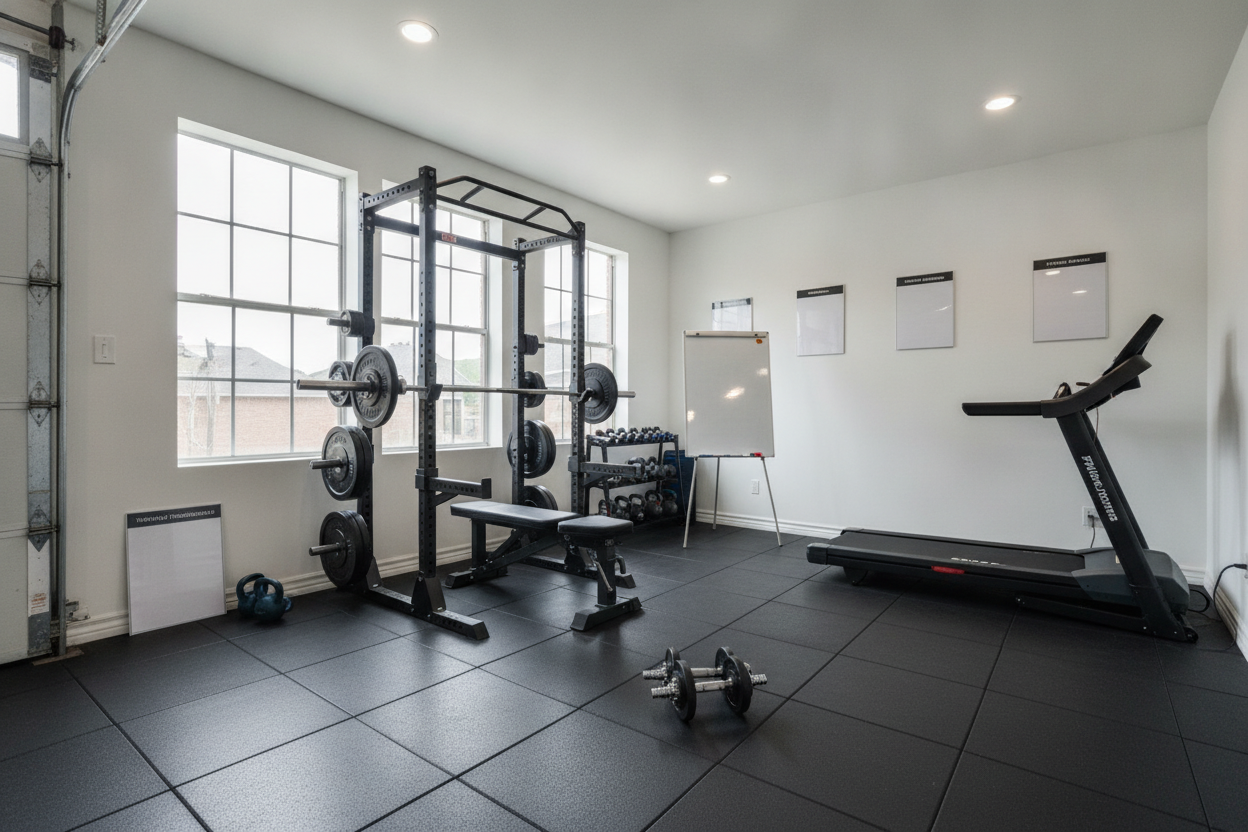
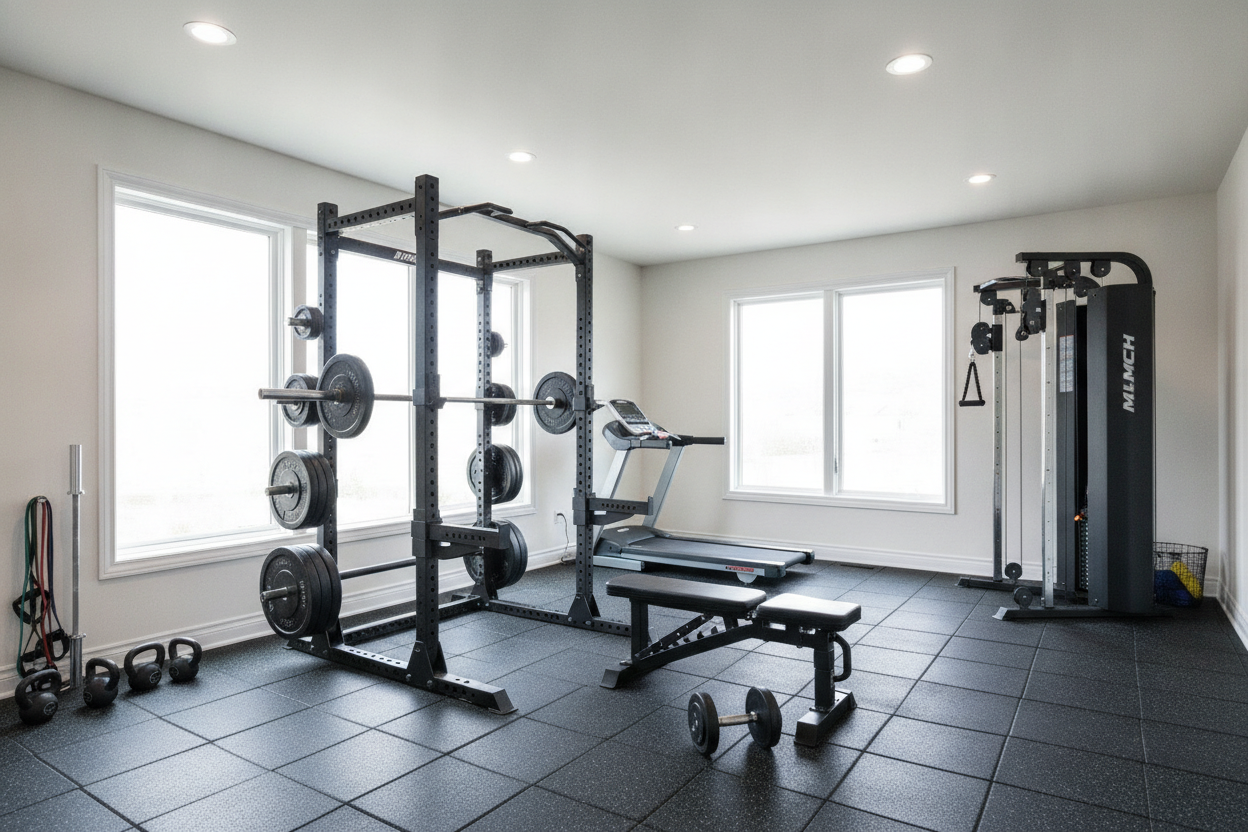
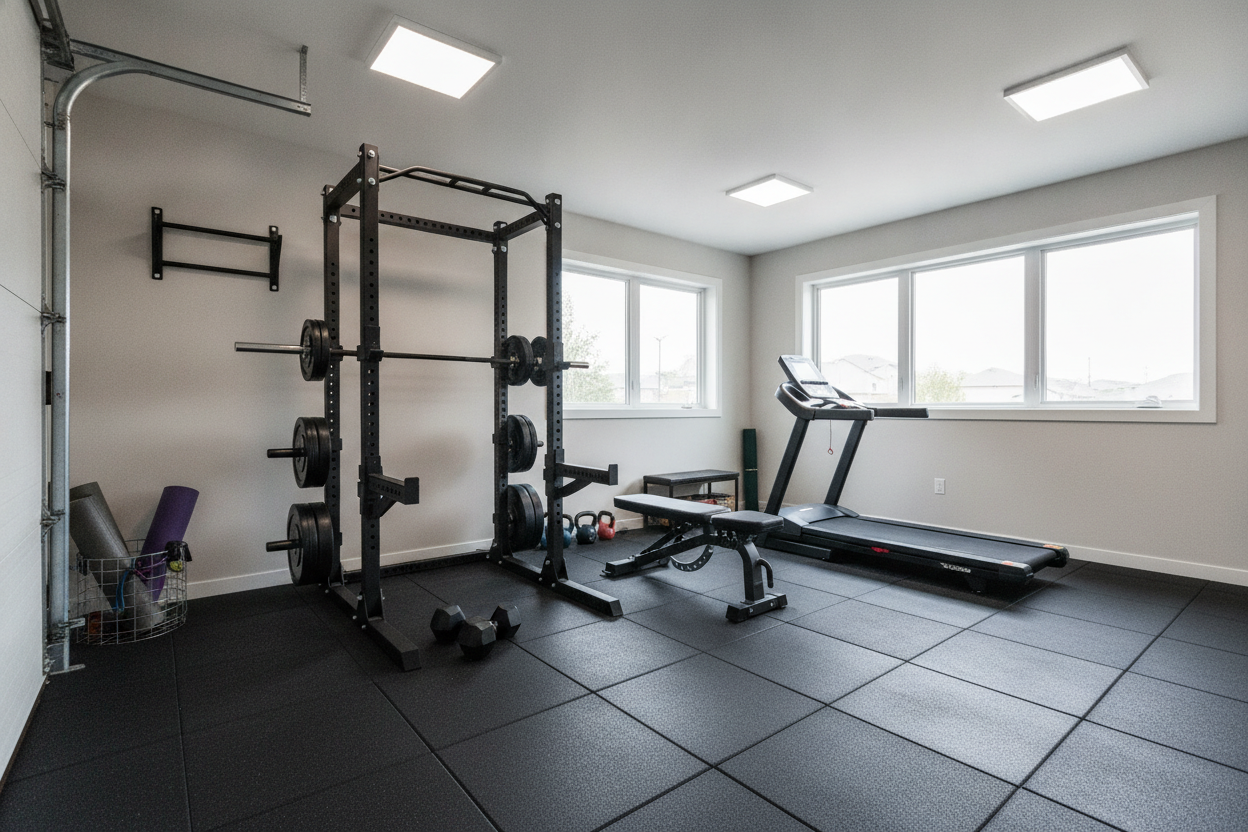
The biggest mistake I see isn't a bad training program; it's a high-friction environment. If your gym bag isn't packed or your home space is cluttered, you've already lost the mental battle. When I started creating the ultimate home gym, I realized that a dedicated, distraction-free zone was more important than the actual weights.
You need a 'go-zone.' This is one of the most overlooked tips for starting the gym. It doesn't need to be a 500-square-foot garage. It just needs to be a spot where you don't have to move a coffee table to do a push-up. Eliminate the setup time, and you eliminate the excuses.
The Ground Up: Why Your Flooring Dictates Everything
I used to think my knees were just 'getting old' at 28. Turns out, I was just jumping around on thin carpet over a concrete slab. The impact was causing micro-trauma that felt like joint pain, making me quit every time I started. Tips for starting at the gym often ignore the surface beneath your feet.
If you're training at home, a high-density 6x8ft exercise mat is the single best investment you can make. It’s thick enough to soak up the shock of a burpee or a dropped kettlebell, saving your joints and your floor. Proper flooring allows you to train in flat shoes or even barefoot, which helps build actual foot strength rather than relying on over-cushioned sneakers.
The Pre-Game: Mastering the 5-Minute Primer
Walking into a workout cold is a recipe for a pulled muscle and a three-week hiatus. My favorite tips on gym prep involve the '5-minute primer.' This isn't boring static stretching; it's about getting blood into the tissue. I usually spend this time doing cat-camels and bird-dogs on the floor.
If you're working in a tight space like a bedroom, a 6x4ft exercise mat provides plenty of room for a dynamic warmup. These tips when starting the gym are about signal-to-noise ratio. The signal is 'get moving'; the noise is 'I need a 20-minute mobility routine.' Keep it short, get sweaty, and then hit the weights.
The 'One Big Lift' Rule for Your First Week
Beginners often try to mimic a pro bodybuilder’s 6-day split. That is a fast track to burnout. For your first week, pick one compound movement per session. Maybe Monday is just about mastering chest day at the gym by focusing entirely on your bench press form or push-up mechanics.
One big lift allows your nervous system to adapt without overwhelming your recovery capacity. If you do 15 different exercises on day one, you won't be able to walk on day two. Tips for starting the gym should focus on neurological adaptation. Learn the move, feel the muscle, and leave the gym feeling like you could have done a little more. That's how you build a habit.
How to Tell if You Actually Need More Gear
I've seen people buy $3,000 worth of equipment only to use it as a clothes rack. My rule is simple: you don't get to buy a barbell until you've maxed out what you can do on a mat. Start with bodyweight movements, lunges, and planks.
When you finally feel the floor limiting your progress, look into large exercise mats to expand your territory. This gives you a dedicated arena for dumbbells or resistance bands. Progression should be earned, not bought. If you can't stay consistent with a floor and a pair of sneakers, a fancy machine won't change your DNA.
Personal Experience: My 'Ego' Injury
Early on, I tried to follow a 'squat every day' program I found online. I didn't have proper flooring, and I was wearing squishy running shoes. By day four, my lower back was so locked up I couldn't tie my shoes. I had to sit out for three weeks. The lesson? Equipment and environment are the foundation. If those are off, the hardest work in the world won't save you.
FAQ
Do I need expensive shoes to start?
No. In fact, for most lifting, a flat-soled shoe like a Chuck Taylor or even going barefoot on a dense mat is better than expensive running shoes with 'air' bubbles that make you unstable.
How many days a week should a beginner train?
Start with three. Monday, Wednesday, Friday. This gives your central nervous system 48 hours to recover between sessions, which is where the actual muscle growth happens.
Is home gym equipment as good as commercial gym gear?
For 95% of people, yes. A high-quality mat and a set of adjustable dumbbells can take you through the first two years of training easily without the $60 monthly membership fee.