The Only Way Workouts At Home Without Equipment Actually Work
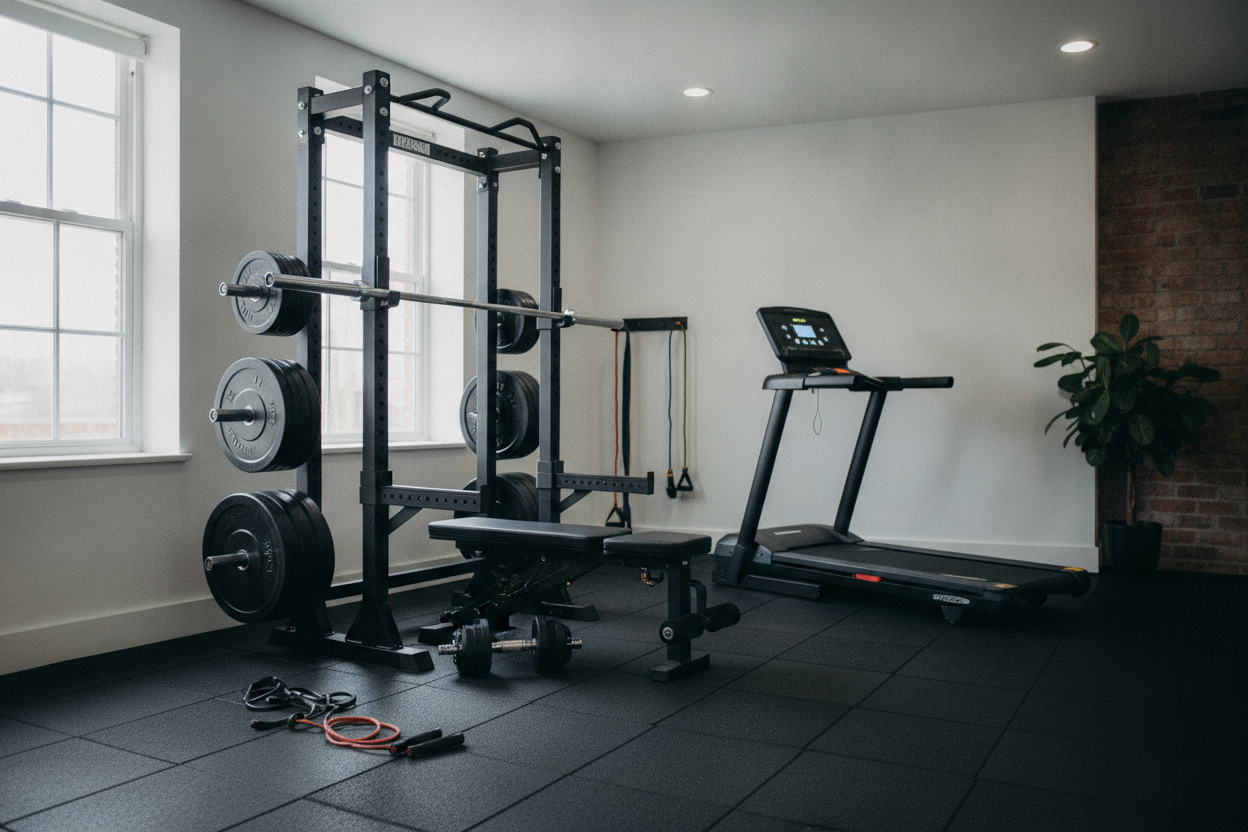
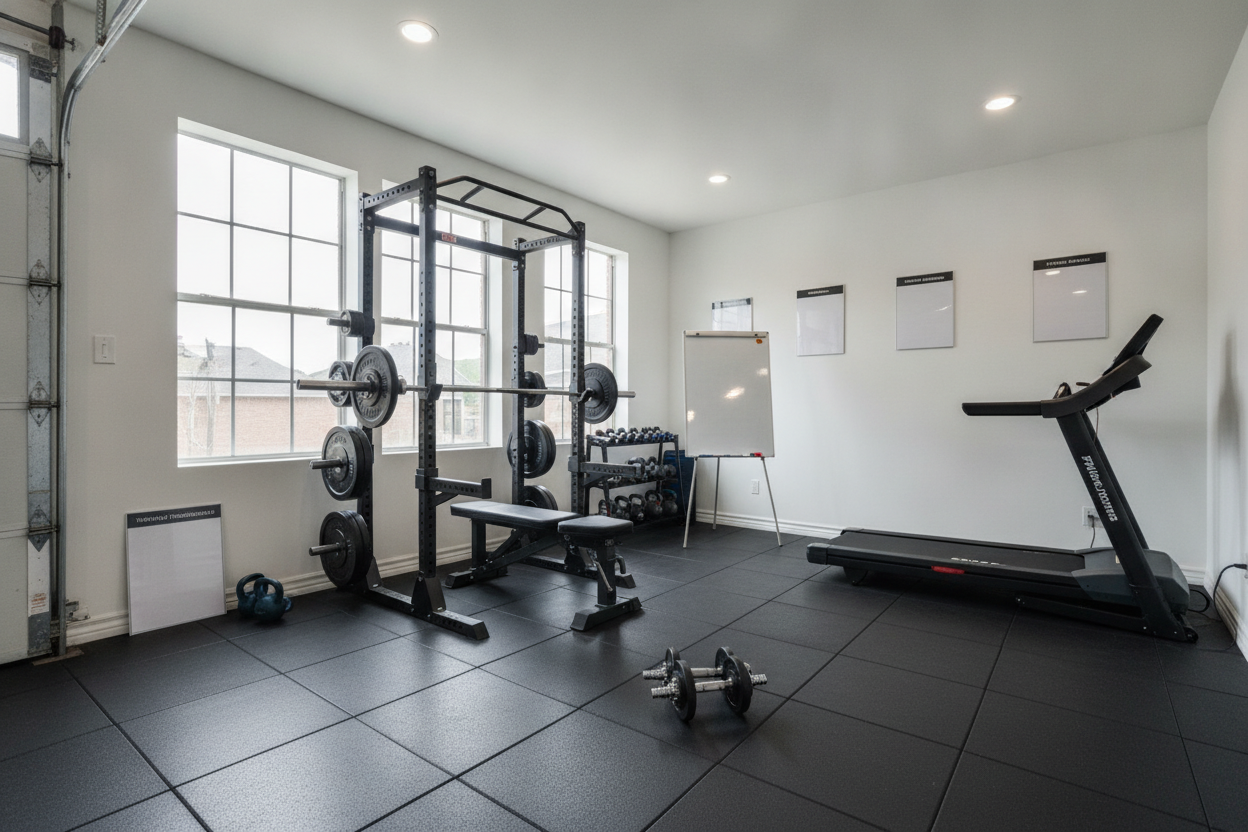
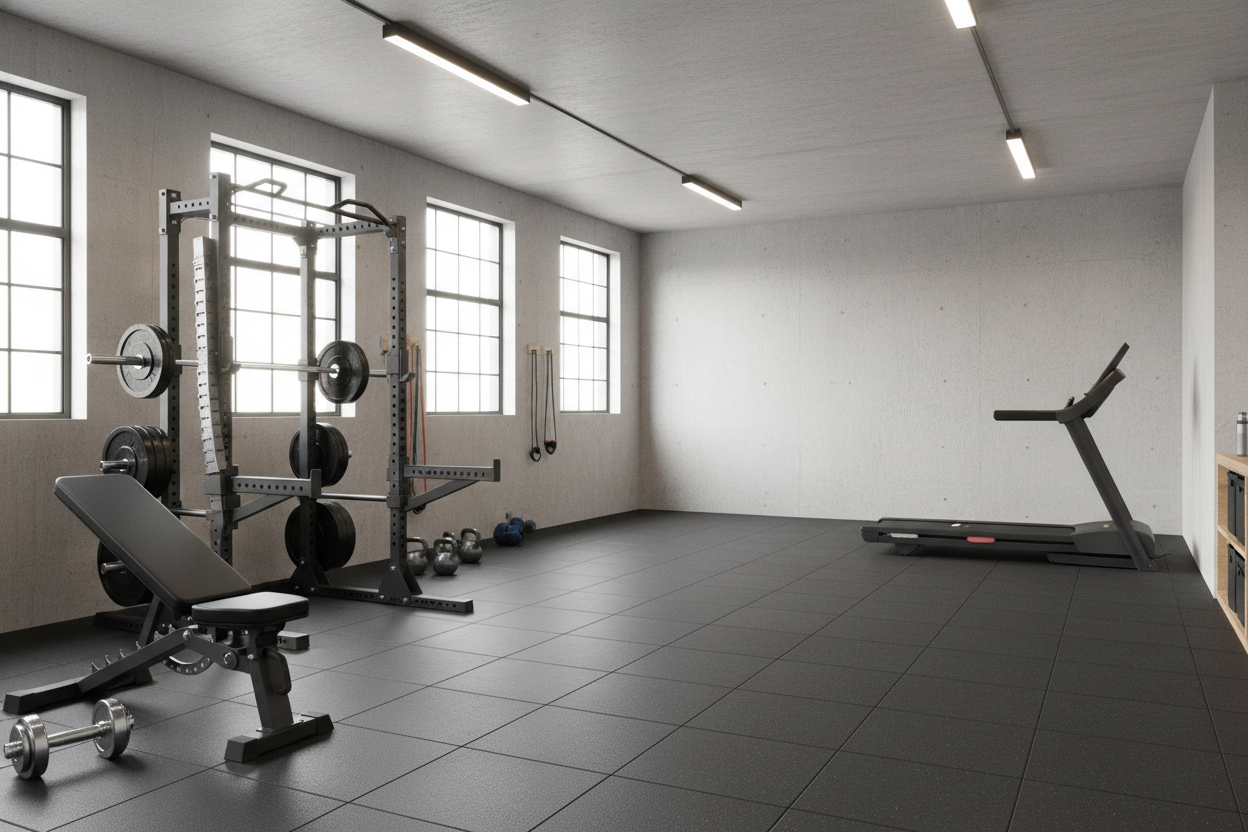
I have spent a small fortune on my garage gym. I’ve got calibrated plates, a power rack that could survive a tank shell, and enough specialty bars to start a museum. But last month, I did something that felt like heresy: I locked the garage door and committed to workouts at home without equipment. I wanted to see if I could actually maintain my physique or if I’d just turn into a puddle of soft muscle after four weeks of 'air' training.
Quick Takeaways
- Stop counting reps and start focusing on 'Time Under Tension.'
- Leverage is your new weight plate—changing your body angle makes a movement 10x harder.
- Slow eccentrics (the lowering phase) are the secret to hypertrophy without iron.
- Cardio-heavy burpees are not a substitute for mechanical tension.
- A solid floor surface is the only 'gear' you actually need to protect your joints.
Why I Locked the Garage Gym for a Month
I’ve always been skeptical of anyone claiming they got 'jacked' just by doing push-ups. To me, bodyweight training was something you did on vacation or when you were too lazy to drive to the gym. It felt like a compromise. But I realized I was becoming a slave to the numbers on the bar rather than the quality of the contraction.
The catalyst was a nagging shoulder injury and a plateau that wouldn't budge. I decided to step away from the barbell to see if I could force my body to adapt using nothing but physics. The goal wasn't just to get sweaty or 'stay active.' I wanted to figure out how to stimulate real muscle growth without a single pound of external load. It turns out, most of us have been doing it wrong because we treat bodyweight movements like cardio.
Why 99% of Exercises You Can Do Without Equipment Suck
If you search for how to workout without equipment, you’re usually bombarded with influencers doing endless jumping jacks, mountain climbers, and high-rep air squats. Here is the cold truth: that isn't strength training. That is cardio disguised as lifting. If you can do 50 reps of something, you aren't building significant muscle; you’re just getting better at being out of breath.
Hypertrophy requires mechanical tension. Your muscle fibers don't know if you're holding a $500 barbell or if you’ve just shifted your center of gravity to put more load on your triceps. The problem with most 'home workouts' is that they lack the intensity to reach failure in a meaningful rep range. To get fit without equipment, you have to stop chasing a high heart rate and start chasing a high level of muscle fiber recruitment.
How to Workout Without Equipment (And Actually Build Muscle)
The secret isn't more reps; it’s worse leverage. When you lift a dumbbell, the weight is static. When you use your body, you can manipulate the 'moment arm' to make the exercise exponentially heavier. It’s about making the movement purposefully inefficient so your muscles have to work harder to overcome the lack of balance or the steep angle.
Stop Chasing Reps, Start Chasing Tension
If standard push-ups are easy, don't do 100 of them. That’s a waste of time. Instead, try archer push-ups where one arm does 80% of the work, or elevate your feet to shift the weight to your upper pecs. By moving your hands closer to your waist (pseudo-planche style), you increase the demand on your shoulders and chest without adding a single plate. You are essentially turning your body into a human see-saw where you are the heavy end.
Slower is Heavier: The Power of Tempo
Tempo is the most underrated tool in the minimalist’s kit. When I train with iron, I usually think about 'explosiveness.' When I’m exercising without equipment, I think about 'control.' Try a 5-second eccentric (lowering) phase on your next set of squats or dips. By the time you hit the bottom, your muscles are screaming because they’ve been under tension for three times longer than a standard rep. It makes 10 reps feel like a max effort set of 20.
The Best Workout to Do at Home Without Equipment
I’ve distilled my month of 'garage-less' training into a routine that actually works. We focus on the big five movement patterns. For the push, I recommend mastering effective chest workouts you can do at home by utilizing deficit push-ups—place your hands on two sturdy chairs or stacks of books to get a deeper stretch at the bottom. This mimics the range of motion of a heavy dumbbell press.
For the pull, find a sturdy table to do inverted rows or use a door frame for 'towel rows.' For the legs, sliding leg curls on a hardwood floor (using a towel) will fry your hamstrings faster than a dedicated machine. For the hinge, single-leg RDLs with a 5-second hold at the bottom will challenge your stability and your posterior chain. This is the best workout to do at home without equipment because it respects the laws of hypertrophy, not just the 'burn' of lactic acid.
Don't Destroy Your Wrists on the Living Room Floor
One thing I learned the hard way: hardwood floors and concrete are unforgiving. About two weeks in, my wrists and knees started aching from the impact of plyometric lunges and high-tension planks. While you don't need weights, you do need a dedicated surface that provides grip and some shock absorption. I eventually cleared out the rug and laid down a thick 6x8ft exercise mat gym flooring. Having that extra bit of padding allowed me to really drive my palms into the floor during handstand push-ups without feeling like my bones were going to splinter. It also stops you from sliding around when things get sweaty, which is a safety must when you're doing advanced leverage moves.
Will I Keep Exercising Without Equipment?
I’m back in the garage now, but my training has changed forever. I realized that my 'weighted' workouts were often sloppy, relying on momentum rather than tension. I still use my barbell for absolute strength, but I’ve kept two days a week dedicated to workouts from home no weights. My joints feel better, my mind-muscle connection is sharper, and I’ve proven that you don't need a rack to build a back.
If you're struggling to figure out how to get fit without equipment, stop looking for a 'magic' exercise. Start looking at how you can make the basics harder. You don't need a gym membership; you just need to understand how to make your own body weight feel heavy.
FAQ
Can you really build muscle without weights?
Yes, provided you utilize progressive overload. This means moving to harder variations (like one-arm movements) or increasing time under tension. If the stimulus is hard enough to get you near failure in the 8-20 rep range, you will grow.
How many times a week should I do bodyweight workouts?
Treat it like any other lifting program. 3 to 5 times a week is the sweet spot. Your muscles still need 48 hours to recover from high-tension sessions, even if you didn't touch a dumbbell.
What is the hardest bodyweight exercise?
For the upper body, the Planche or One-Arm Pull-up are the gold standards. For the lower body, a strict Pistol Squat or a Nordic Curl (if you can find a way to anchor your heels) are incredibly demanding.