Why Your Beginner Bulking Workout Plan Is Probably Just Pump Work
I remember staring at a 5-day body part split in a glossy magazine, convinced I’d look like a pro bodybuilder by summer. I spent two hours a day chasing a 'pump' with 15-lb dumbbells and enough cable flyes to launch a kite. I didn't get big; I just got a sore bicep tendon and a light wallet from buying useless mass gainer shakes. If you are looking for a legitimate beginner bulking workout plan, you have to stop training like someone who has been on the juice for a decade.
Quick Takeaways
- Bulking is a dietary state, not a specific set of 'mass-building' exercises.
- Natural beginners need heavy compound lifts to trigger growth, not high-volume isolation.
- Progressive overload is the only metric that matters for long-term size.
- Recovery and caloric surplus are 50% of the equation.
The Biggest Bulking Lie You've Been Told
The fitness industry loves to sell the idea of 'bulking' exercises. They’ll tell you that high reps 'sculpt' and low reps 'bulk.' It’s total nonsense. A bulk is simply a period where you eat more calories than you burn to provide the energy needed for muscle protein synthesis. Your training doesn't change into some magical 'mass mode' just because you're eating more chicken and rice.
The goal of your training during a bulk is to provide a stimulus so loud your body can't ignore it. You want those extra calories to be used for repairing muscle tissue, not just padding your midsection. This means you need to move heavy weight. Chasing a pump—that temporary swelling of the muscle—feels great in the mirror, but it's often just metabolic stress without enough mechanical tension to force actual growth in a novice lifter.
Why Most 'Mass Routines' Fail Natural Beginners
Most beginners make the mistake of copying a pro’s 'Arm Day' or 'Chest Day.' Those routines often involve 20+ sets per body part. If you’re a natural lifter just starting out, that much volume is a death sentence for your recovery. You’ll end up exhausted, sore for a week, and unable to hit the same muscle group with any frequency. If you want a workout plan for beginners at gym, you need to ignore the 30-set chest marathons.
High-volume, pump-focused routines are designed for people with years of built-up work capacity (or chemical assistance). For you, it just leads to junk volume. You’re doing reps that don't contribute to growth because you’re too fatigued to maintain intensity. You need to hit the muscle, trigger the growth response, and then get out of the gym so you can actually grow.
The Non-Negotiable Lifts for Adding Size
If you want to fill out a t-shirt, you need to get intimate with the barbell. You don’t need five variations of cable flyes or three different types of leg extensions. You need the big four: Squat, Deadlift, Bench Press, and Overhead Press. These compound movements recruit the most muscle fibers and allow you to move the heaviest loads. That's the ROI you're looking for.
I’ve seen guys spend months on 'shaping' movements while they can't even squat their own body weight. That’s like trying to paint a house that hasn't been built yet. Focus on the basics. You can explore our workout hub to master the form on these lifts. Once you can move 1.5x your body weight on the bar, then we can talk about lateral raises and concentration curls.
Structuring Your First True Mass Phase
The most effective bulking workout plan for beginners is usually a 3-day full-body split or a 4-day upper/lower split. This allows you to hit every muscle group 2-3 times per week. Frequency is king for beginners because muscle protein synthesis usually peaks and returns to baseline within 48 to 72 hours. If you only hit chest on Mondays, you’re missing out on growth opportunities the rest of the week.
Keep your sets between 3 and 5, and your reps in the 5-8 range for the big lifts. This is the 'sweet spot' where you get enough weight to build strength and enough time under tension to spark hypertrophy. Every single session, your goal should be to add 2.5 to 5 lbs to the bar or perform one more rep than last time. That’s progressive overload, and it's the only 'secret' to getting big.
Recovery: Where the Muscle is Actually Built
You don't grow in the gym; you grow in your sleep. If you're training heavy but only sleeping five hours a night, you're spinning your wheels. Your nervous system takes a beating when you start pushing heavy triples and sets of five. You also need to protect the hardware. Lifting on bare concrete is a fast track to achy joints and lower back issues.
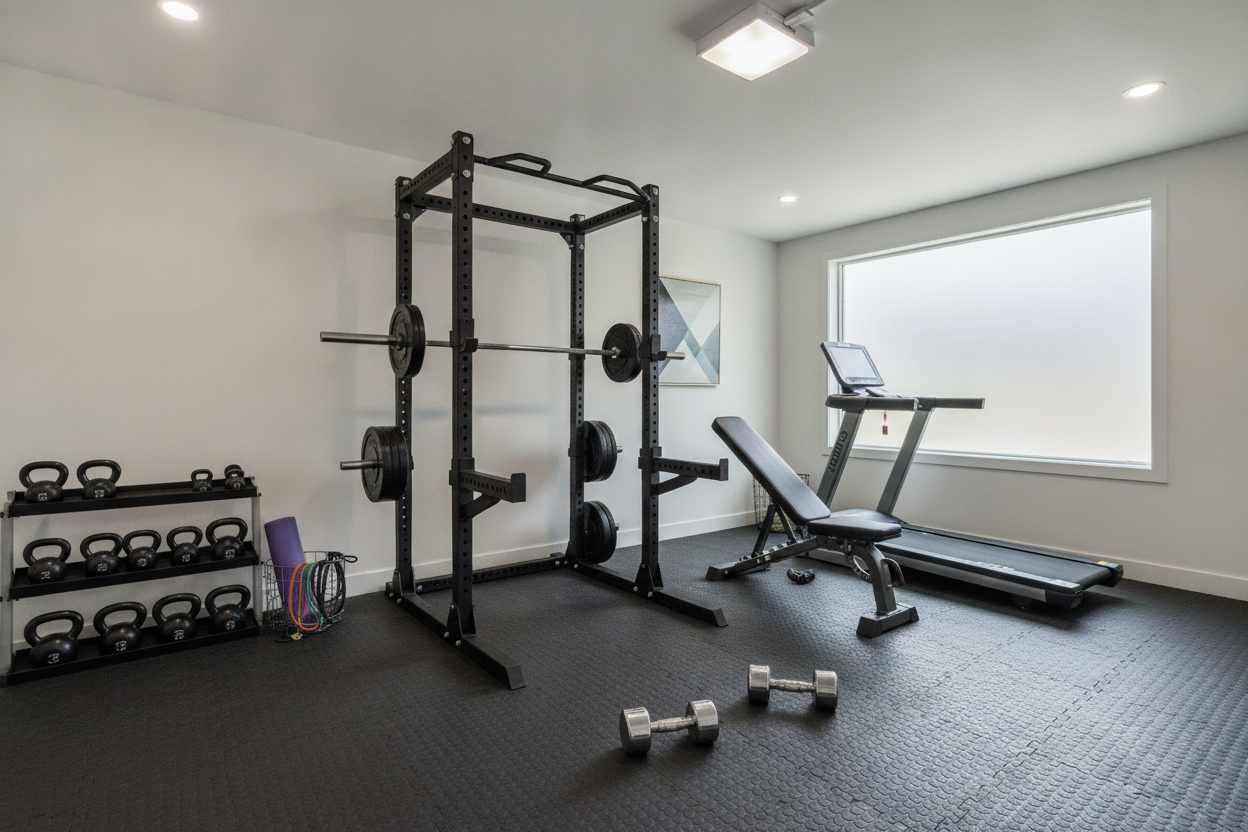
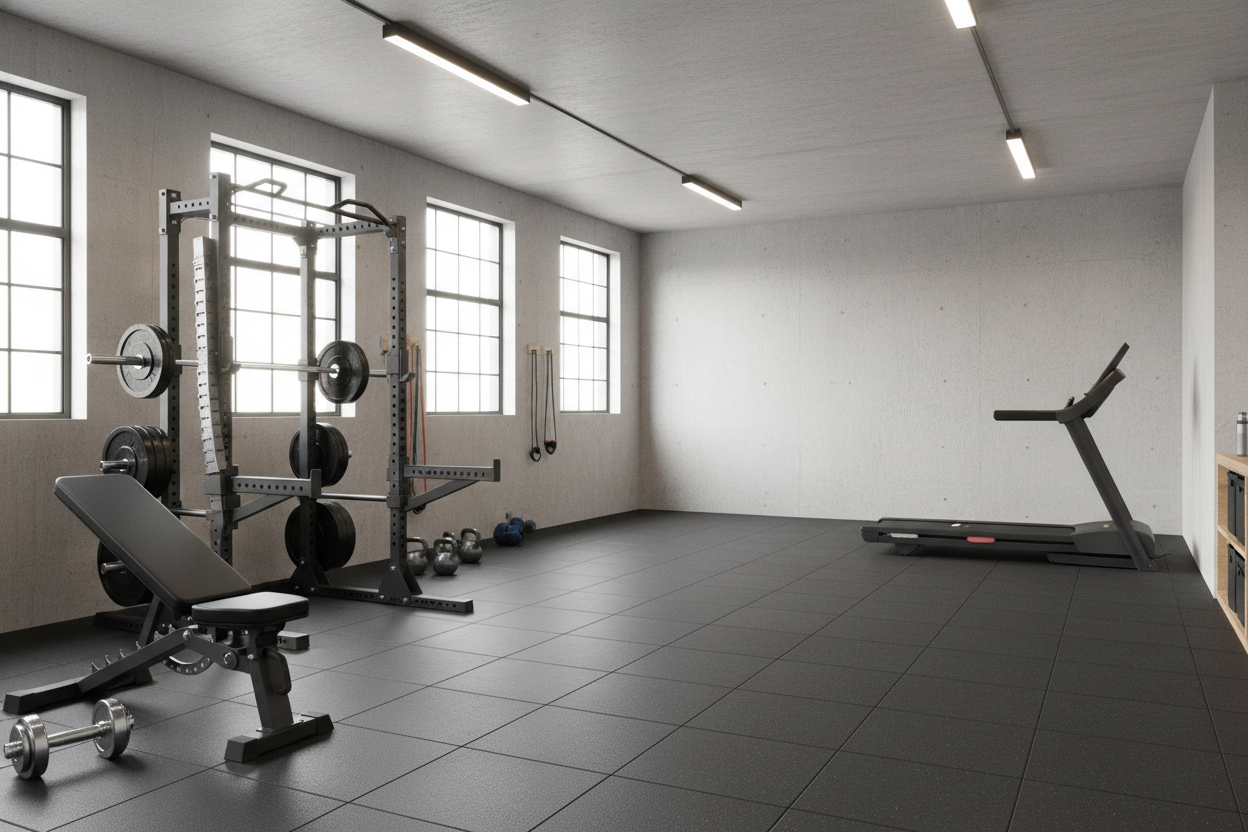
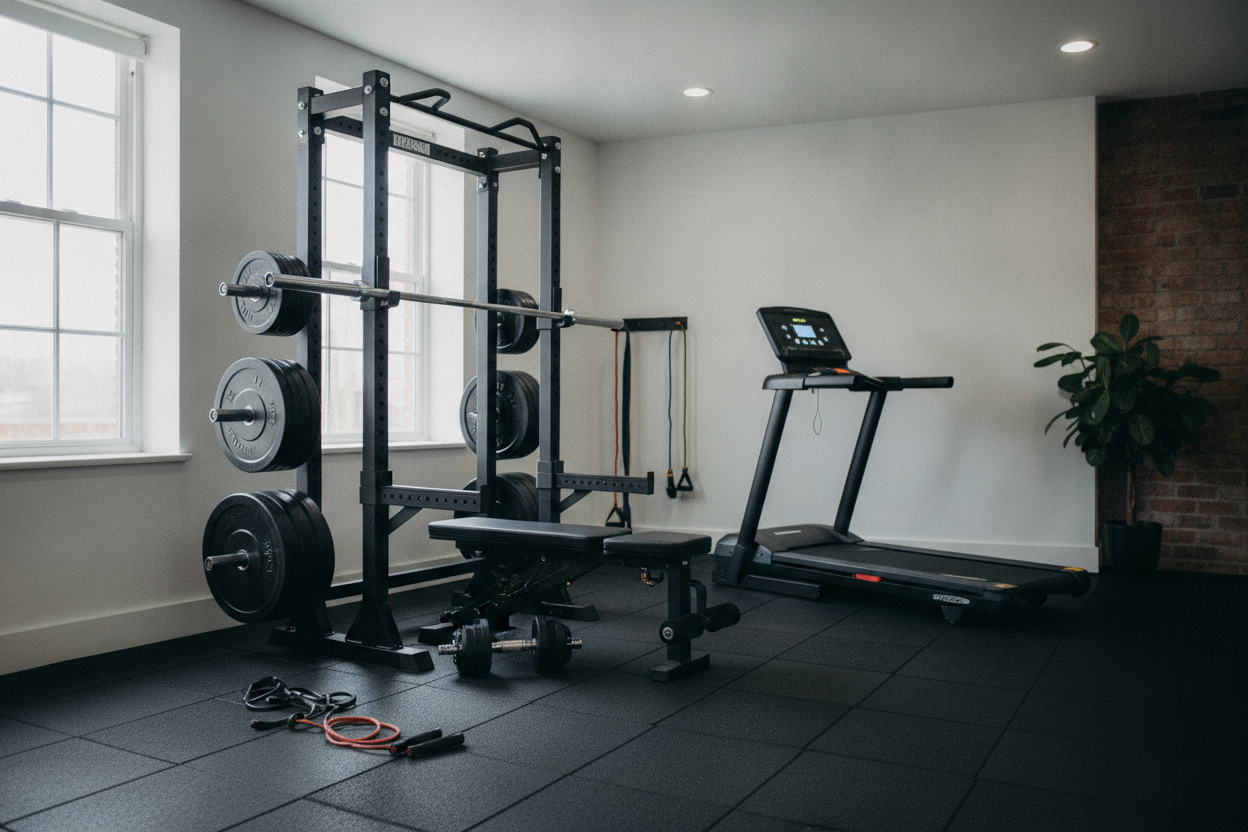
I’ve trained in some pretty rough garage setups, and I can tell you that a little bit of protection goes a long way. Investing in decent gym flooring for home workout isn't just about protecting your foundation; it's about shock absorption for your knees and spine when you're grinding out heavy squats. If your joints are beat up, your bulk will stall before your muscles do.
My Personal Take: The Pizza Trap
During my first 'real' bulk, I took the 'see food' diet too literally. I was eating 4,000 calories a day, mostly from cheap pizza and mass gainer shakes. I was doing a high-rep 'bodybuilding' routine I found online. I gained 20 pounds in three months, but about 18 of it was fat. I looked like a bloated version of my former self because I wasn't lifting heavy enough to force my body to use those calories for muscle. Don't make that mistake. Eat a moderate surplus and move heavy iron.
FAQ
How many calories should I eat to bulk?
Aim for about 250 to 500 calories above your maintenance level. Any more than that and you're just inviting excessive fat gain. You want a slow, steady climb, not a rapid 'dirty' bulk.
Can I do cardio while bulking?
Yes, and you probably should for heart health. Just keep it low-impact and don't do so much that it eats into your caloric surplus or hampers your recovery for leg day.
How long should a beginner bulk last?
Usually 12 to 16 weeks. This gives you enough time to see actual muscle tissue growth. Short 'mini-bulks' of 2-3 weeks aren't long enough for a beginner to make significant strength or size gains.