You Don't Need 10 Machines to Learn How to Workout for Size
I remember standing in my local big-box gym, waiting twenty minutes for a cable crossover machine just to do three sets of chest flies. I was convinced that if I didn't hit my pecs from every conceivable angle, I’d never actually grow. I was wrong, and my bank account was the only thing getting thinner while I paid for a membership I didn't need.
Learning how to workout for size isn't about having access to a $50,000 circuit of selectorized equipment. It’s about creating enough tension to force your muscle fibers to adapt, and you can do that in a 10x10 space with the right mindset.
- Mechanical tension is king; fancy machines are just accessories.
- Train within 1-2 reps of failure on big compound movements.
- A power rack and an adjustable bench are 90% of the battle.
- Mobility issues will cap your growth before your strength does.
- Stop doing cardio circuits if your goal is pure mass.
The Bodybuilding Magazine Lie We All Fell For
We’ve all seen the pro bodybuilder routines in the magazines—the ones that have you doing six different exercises just for your triceps. Those guys are often on 'supplemental help' that allows them to recover from insane volume. For the rest of us training in a garage, those commercial weight lifting machines are often just a distraction.
Beginners get sucked into the idea that they need a specific machine for 'inner chest' or 'lower lat' development. In reality, your muscles only know tension. If you’re spending more time adjusting seat heights than you are actually moving heavy weight, you’re missing the point. Master the basics before you worry about the nuances.
The Real Driver of Weight Lifting Size
To increase your weight lifting size, you need to understand mechanical tension. This isn't about getting a 'pump' or sweating until you can't breathe. It’s about taking a muscle through a full range of motion under a load that actually challenges it.
When you lift, you're looking for proximity to failure. If you finish a set of ten and feel like you could have done fifteen, you didn't grow. You just moved. To see real changes in your physique, those last few reps of a set should be a grind. That’s where the growth happens.
The Bare-Bones Garage Setup for Hypertrophy
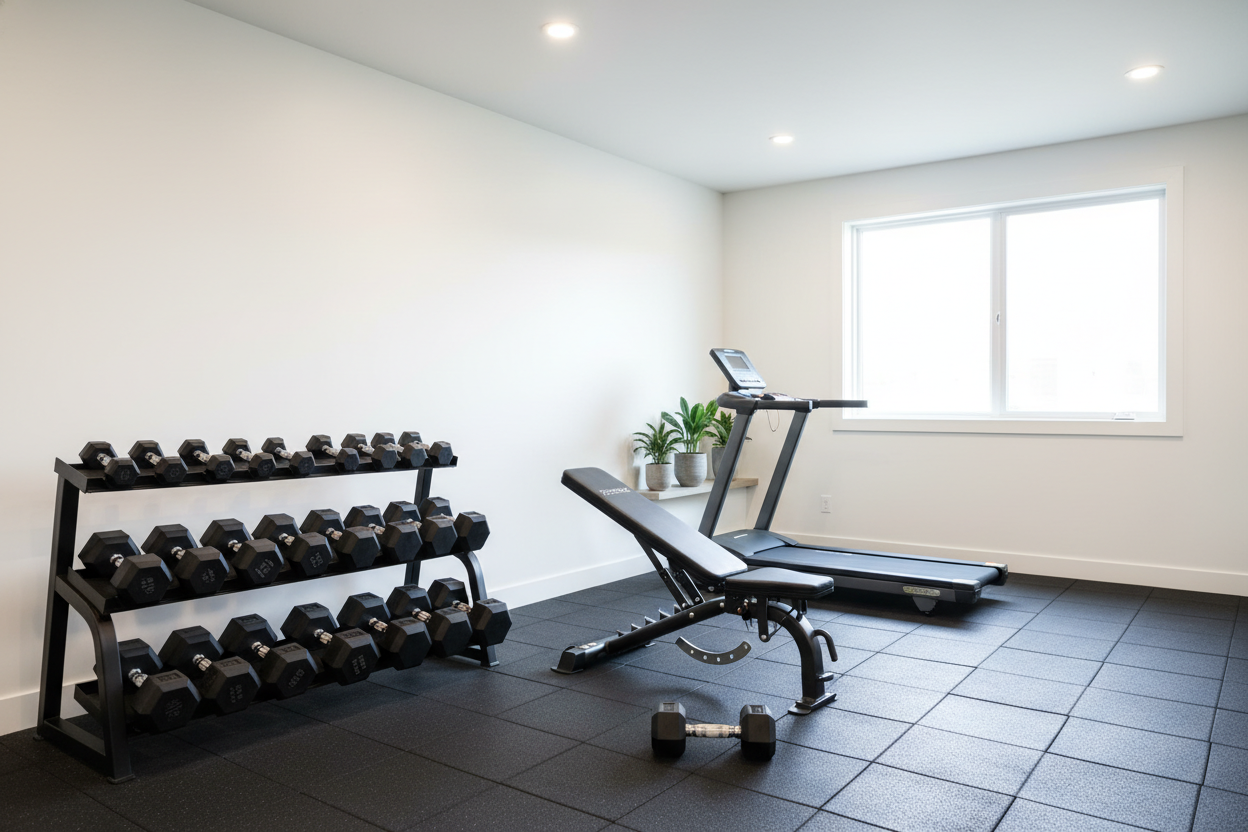
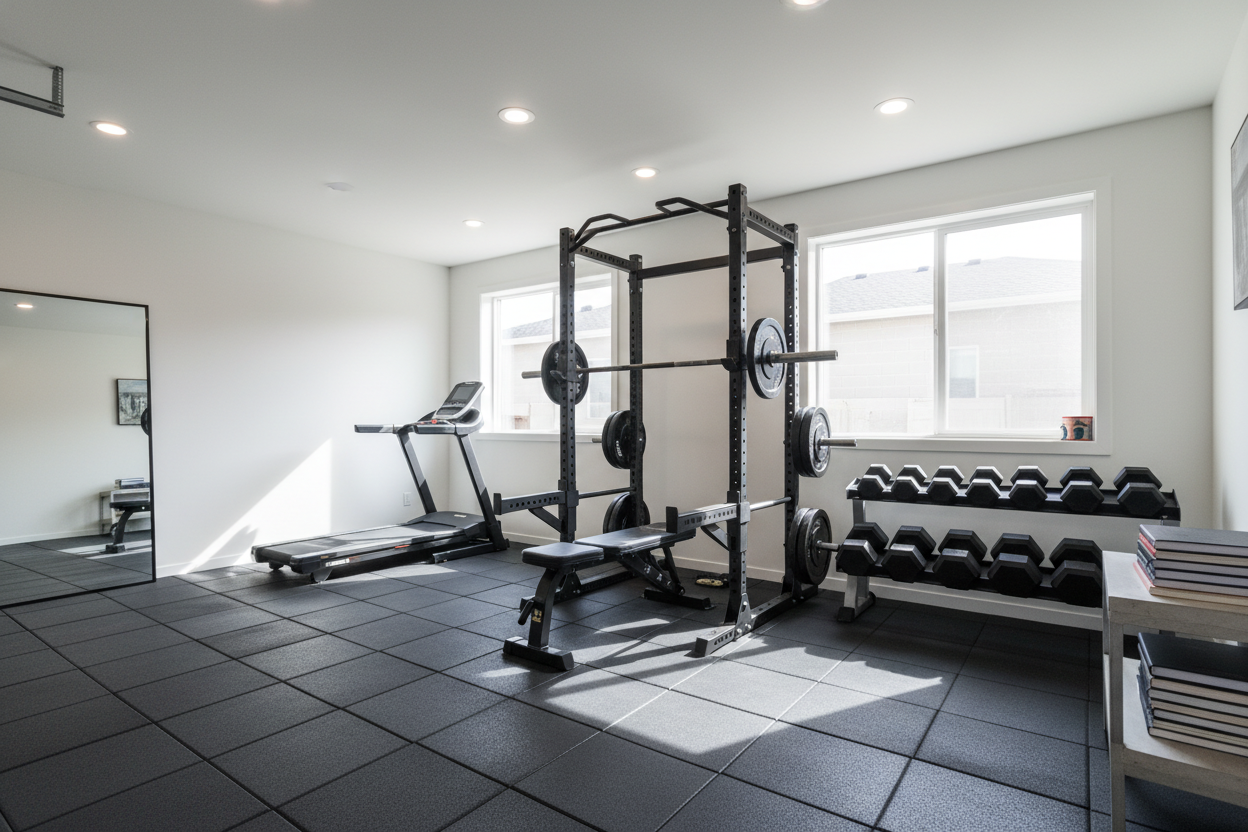
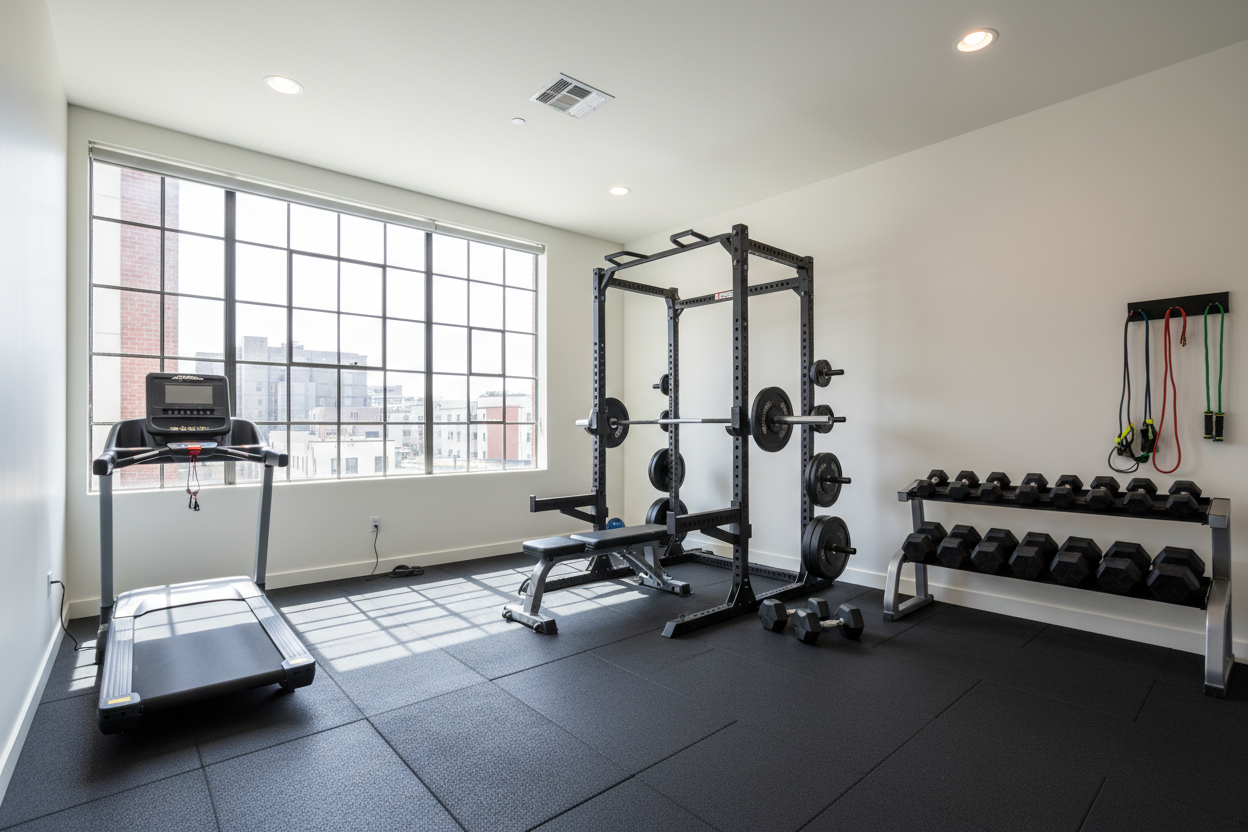
You don't need a warehouse to get big. I’ve seen guys build world-class physiques with nothing but a barbell and a rack. The centerpiece of any serious home gym is a solid power rack setup. It gives you the safety of spotter arms so you can actually push those heavy sets of squats and presses to failure without dying.
Add a high-quality adjustable weight bench, and you’ve just unlocked fifty more exercises. An adjustable bench is crucial because it allows you to hit incline presses for the upper chest and seated overhead presses for the shoulders. Look for a bench with a 1,000-lb capacity and minimal pad gap—if it wobbles when you’re holding 80-lb dumbbells, it’s a liability, not an asset.
Why Your Stiff Joints Are Killing Your Gains
If you can't hit a full-depth squat because your ankles are tight, or you can't lock out an overhead press because your shoulders are rounded, you're leaving muscle on the table. Hypertrophy requires a deep stretch under load. If your range of motion is cut in half, your results will be too.
Most of us spend eight hours a day hunched over a laptop, which ruins the correct posture for weight lifting. You have to undo that damage before you pick up the bar. If your lats are too tight to let your arms go overhead, you’ll never build the shoulder mass you’re after. Fix your mobility, then load the movement.
A Stupidly Simple Mass Blueprint
When it comes to weight lifting for size, keep your volume manageable. Aim for 10-15 hard sets per muscle group per week. If you’re doing 30 sets, you’re likely just doing 'junk volume' that you can't recover from. Focus on the 6-12 rep range for most of your work, as this hits the sweet spot for muscle fiber recruitment and fatigue management.
The biggest mistake I see is people trying to 'tone' while they build. They’ll finish a heavy leg session and then jump into endless fat-burning HIIT circuits. Stop it. If you want to grow, you need a caloric surplus and recovery time. Cardio has its place for heart health, but don't let it turn your hypertrophy session into a metabolic conditioning class.
My Personal Heavy Metal Mistake
When I first started my garage gym, I bought a cheap, bolt-together rack from a big-box store. It was rated for 300 lbs, and I thought that was plenty. Six months later, I was squatting 275, and the whole thing started swaying like a palm tree in a hurricane. I was terrified to push my sets, which meant I stopped growing. I eventually sold it for pennies and bought a real 3x3 steel rack. Don't buy 'beginner' gear if you plan on not being a beginner for very long. Buy once, cry once.
How many days a week should I lift for size?
Four days is the sweet spot. An upper/lower split allows you to hit every muscle twice a week with enough recovery time in between to actually grow.
Do I need supplements to get big?
No. Creatine and protein powder are convenient, but they won't fix a bad program or a lack of calories. Eat real food first.
Can I build muscle with just dumbbells?
Yes, but you'll eventually run out of weight. A barbell allows for much easier progressive overload, which is the engine of muscle growth.