Why Your Thighs and Calves Aren't Slimming Down (And How to Fix It)
You have likely tried endless squats, lunges, and calf raises, only to find your pants fitting tighter than before. It is a frustrating paradox: you are working out to get smaller, but your legs are getting bigger. If you are trying to figure out how to slim your thighs and calves, the traditional advice of "just exercise more" often backfires.
The reality is that leg composition is a mix of genetics, body fat, and muscle mass. To actually slim down the lower body, we need to shift focus from building power to reducing overall mass and inflammation. Let's break down the physiology and the strategy.
Key Takeaways: The Leg Slimming Protocol
- Stop Heavy Resistance: heavy lifting induces hypertrophy (muscle growth), which adds volume to the legs.
- Prioritize LISS Cardio: Low-Intensity Steady State cardio burns fat without stimulating significant muscle growth.
- Monitor Sodium Intake: A significant portion of leg volume is often water retention, not just fat.
- Focus on Gait: How you walk impacts calf size; overusing the balls of your feet can keep calves permanently pumped.
- Caloric Deficit is Non-Negotiable: You cannot spot-reduce fat, so total body fat percentage must drop.
The Science of Leg Volume: Fat vs. Muscle
Before we talk about slimming legs fast, you need to identify what makes up the bulk. Pinch the skin on your thigh. If there is a lot to grab, it is subcutaneous fat. If the skin is tight and the area feels hard, it is muscle mass.
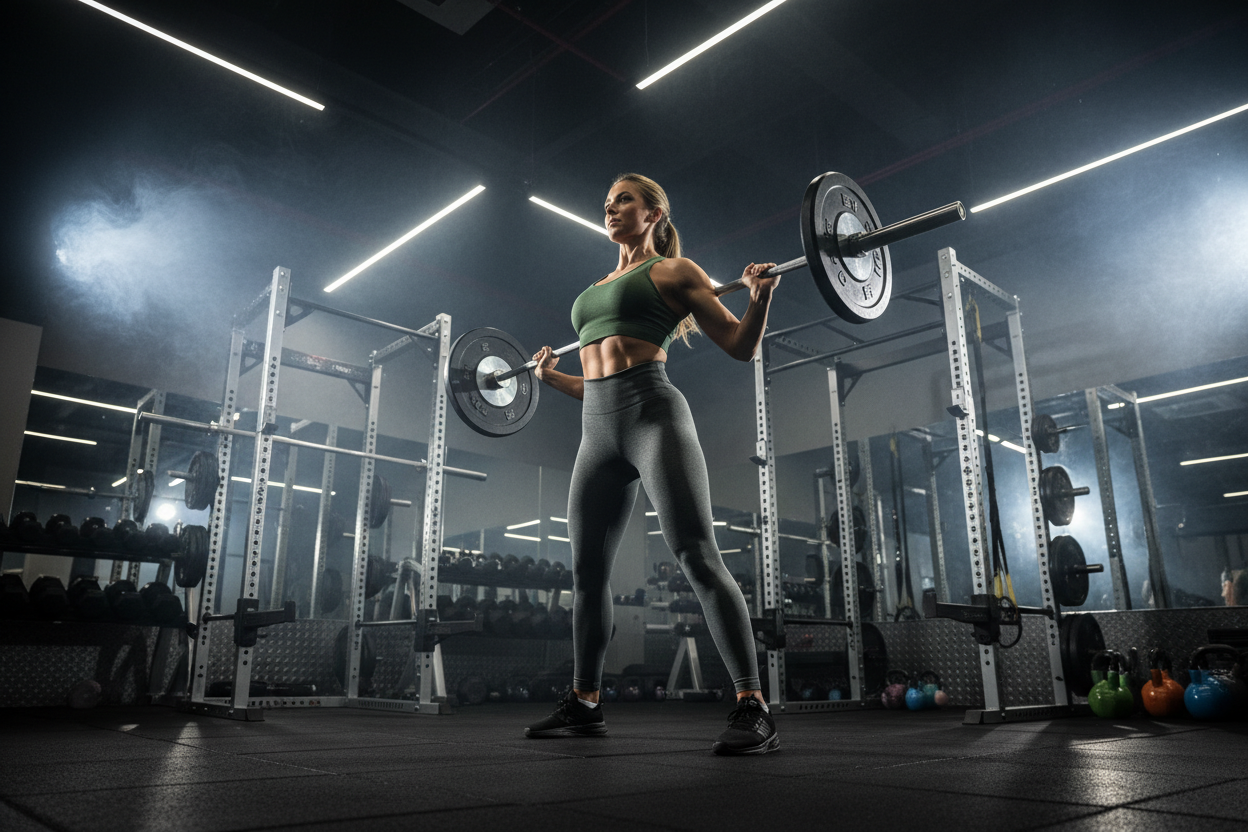
Most people trying to learn how to thin legs quickly make the mistake of training like bodybuilders. Exercises like heavy weighted squats and box jumps are designed to build size. If your goal is a slender aesthetic, you need to stop signaling your muscles to grow larger to handle heavy loads.
The Best Training Style for Slimmer Legs
Switch to LISS Cardio
High-Intensity Interval Training (HIIT) is great for the heart, but it engages fast-twitch muscle fibers which are prone to growth. To reduce leg circumference, walking is your best friend. This falls under LISS (Low-Intensity Steady State) cardio.
Walking on a flat surface stretches the leg muscles rather than bulging them. It burns calories to help with the fat layer but doesn't require the muscle repair process that leads to bulk. Aim for 10,000 to 15,000 steps daily on flat terrain.
Stretching and Elongation
Tight muscles look bulkier because they are constantly contracted. Incorporating Pilates or yoga can help lengthen the fascia surrounding the muscle. This doesn't physically lengthen the bone, obviously, but it allows the muscle belly to lay flatter against the bone rather than bunching up.
Dietary Adjustments for Immediate Results
Banish Water Retention
If you are wondering how to get slimmer legs in a week, the answer isn't fat loss—it's water loss. The lower body is a reservoir for gravity-induced fluid retention (edema). High sodium intake makes this worse.
Cut processed foods and increase potassium intake (bananas, avocados) to balance your electrolytes. You might notice a visible difference in ankle and calf definition within 3 to 4 days simply by flushing out excess water.
The Truth About "Sleeping" Your Way Thin
You might see searches for how to get skinny legs while sleeping and think it sounds like a scam. However, there is a physiological basis here related to cortisol.
High stress and lack of sleep elevate cortisol, a hormone that encourages fat storage, particularly in the lower body for women (due to estrogen interactions). While you won't wake up three sizes smaller, optimizing sleep hygiene allows the lymphatic system to drain excess fluid and regulates hormones that control fat metabolism. Elevating your legs on a pillow while sleeping can also physically assist venous return, reducing morning puffiness.
My Training Log: Real Talk
I spent three years training specifically for explosive power, and while my jump height increased, so did my jean size. I remember vividly trying to pull on a pair of non-stretch raw denim. I could get them over my hips, but the fabric was straining so hard against my quads that I could see the white threads of the denim pulling apart. It was demoralizing because I was "fit," but I didn't fit my clothes.
I had to check my ego. I stopped the heavy back squats completely for four months. I switched to walking 45 minutes every morning and doing reformer Pilates. The weirdest part? I felt "lazy" because I wasn't gasping for air or sweating buckets. But the tape measure didn't lie. I lost an inch off each thigh in roughly eight weeks. The "pump" from lifting was gone, and the inflammation subsided. It wasn't a quick fix, but shifting from heavy loads to high repetition and walking was the only thing that actually changed my silhouette.
Conclusion
Slimming the thighs and calves requires a counter-intuitive approach: do less heavy work to see more results. By combining a caloric deficit with low-impact movement and managing water retention, you can change the shape of your legs. Be patient, avoid the heavy weights, and trust the process.
Frequently Asked Questions
Can walking really slim my legs?
Yes. Walking is a low-impact exercise that burns fat without tearing down muscle fibers significantly enough to cause hypertrophy (growth). It helps reduce body fat percentage while keeping the muscle elongated and lean.
How long does it take to see results in leg size?
Water weight changes can happen in a week, but actual tissue reduction takes time. If you remain consistent with a calorie deficit and proper training, you can expect to see measurable changes in 4 to 6 weeks.
Why are my calves so big even though I'm skinny?
This is often due to gait or genetics. If you walk on the balls of your toes or wear high heels frequently, your calves are constantly flexed and growing. Try to walk with a heel-to-toe strike to disengage the calf muscle during daily movement.