Why Your 'Strength Training Program Female' Google Search Failed
You have been there. It is midnight, you are scrolling through search results for a strength training program female lifters can actually use, and all you see are '30-day bikini body' PDFs. It is insulting. You want to move real weight, build actual muscle, and maybe finally deadlift more than your body weight. You do not want another circuit of jumping jacks and two-pound neon dumbbells that feel like toys.
Quick Takeaways
- SEO results for women usually prioritize sweat over strength development.
- A real weight training routine for women focuses on compound lifts like squats and presses.
- Home setups require a sturdy bench and weights that actually challenge you.
- Grip strength is often the first thing to fail; do not be afraid to use straps.
- Progressive overload is the only way to see long-term muscle growth.
The Algorithm Hates You (Why Most Search Results Are Garbage)
Google’s algorithm thinks 'female' is a synonym for 'low impact.' When you search for a strength training program for women, you get hit with high-rep, low-resistance circuits designed to make you sweat, not get strong. Most of these programs are written by marketers, not coaches. They prioritize 'the burn' because it is easy to sell, even though it does nothing for your actual power output.
A legitimate weight lifting regimen for women should not look like a watered-down version of a man's program. You have the same muscles, the same joints, and the same capacity for growth. If a program tells you to do 50 reps of 'glute pulses' with no resistance, close the tab. You are looking for mechanical tension, not just being out of breath. Real strength comes from forcing your nervous system to adapt to a heavy load.
Ignore the SEO-driven fluff that tells you lifting heavy will make you 'bulky.' That is a myth that refuses to die. Most women do not have the testosterone levels to look like a pro bodybuilder by accident. What you will get is a denser, stronger frame and a metabolism that actually works for you. Stop chasing sweat and start chasing the numbers on your plates.
Anatomy of a Real Weight Training Routine for Women
A real women's weight lifting program is built on the big four: the squat, the hinge, the push, and the pull. If your routine does not have a variation of these every week, it is just a hobby. We are talking about movements that use multiple joints and recruit the maximum amount of muscle fiber. This is how you build a functional body that does not break when you pick up a grocery bag or a toddler.
I always tell people to move away from those seated weight lifting machines you see at big-box gyms. While they have their place for isolation, they do the stabilizing work for you. When you switch to free weights at home—dumbbells, kettlebells, or a barbell—your core and stabilizer muscles have to wake up. This builds 'real world' strength that translates to everything else you do.
Progressive overload is your new best friend. This means doing more over time. Maybe it is five more pounds, one more rep, or a shorter rest period. If you are lifting the same 10-pound dumbbells you bought three years ago, you are not on a strength program; you are just moving. You need a path that forces you to get better every single week.
The Minimalist Home Setup That Actually Works
You do not need a 40-foot rig or a commercial cable crossover to get results. In fact, most people overcomplicate their home gym before they even start. I have seen too many people buy a cheap 'all-in-one' machine that ends up being a very expensive clothes rack. Keep it simple and buy gear that will last a decade, not a season.
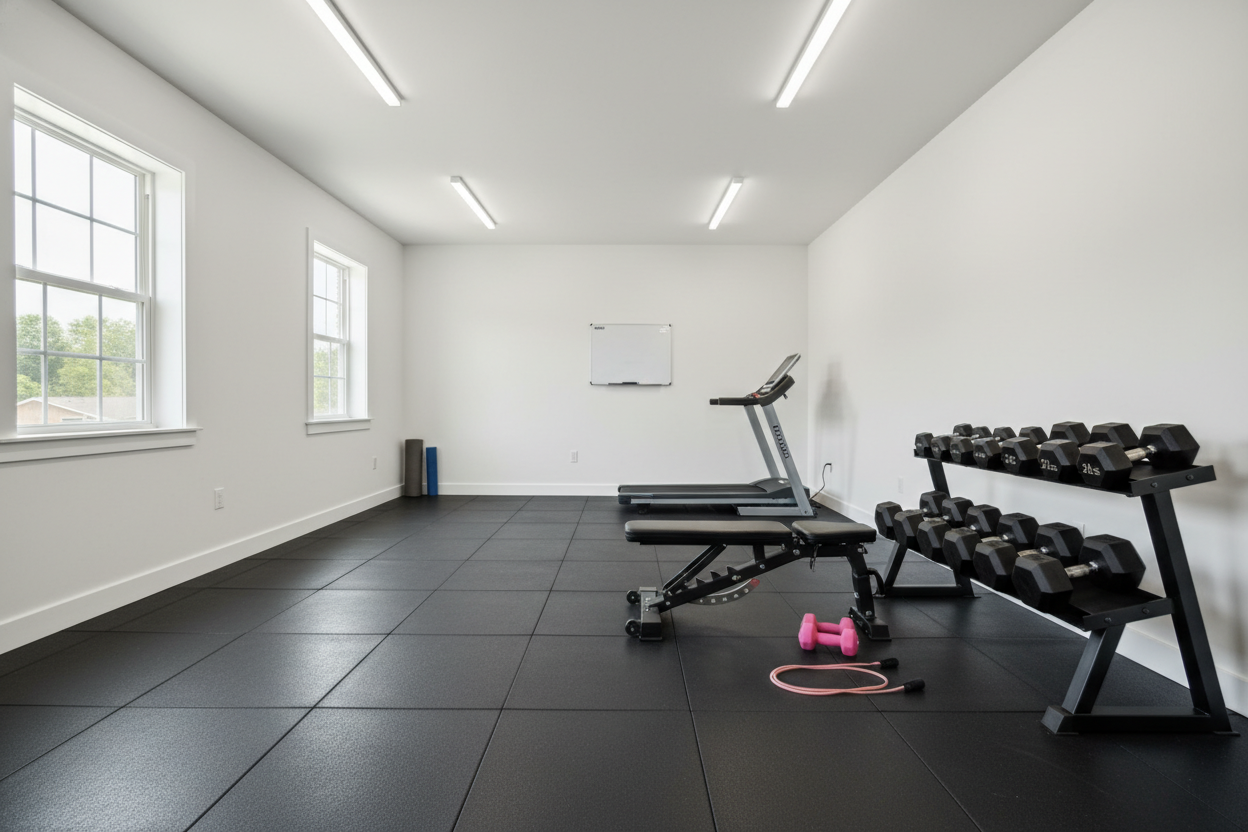
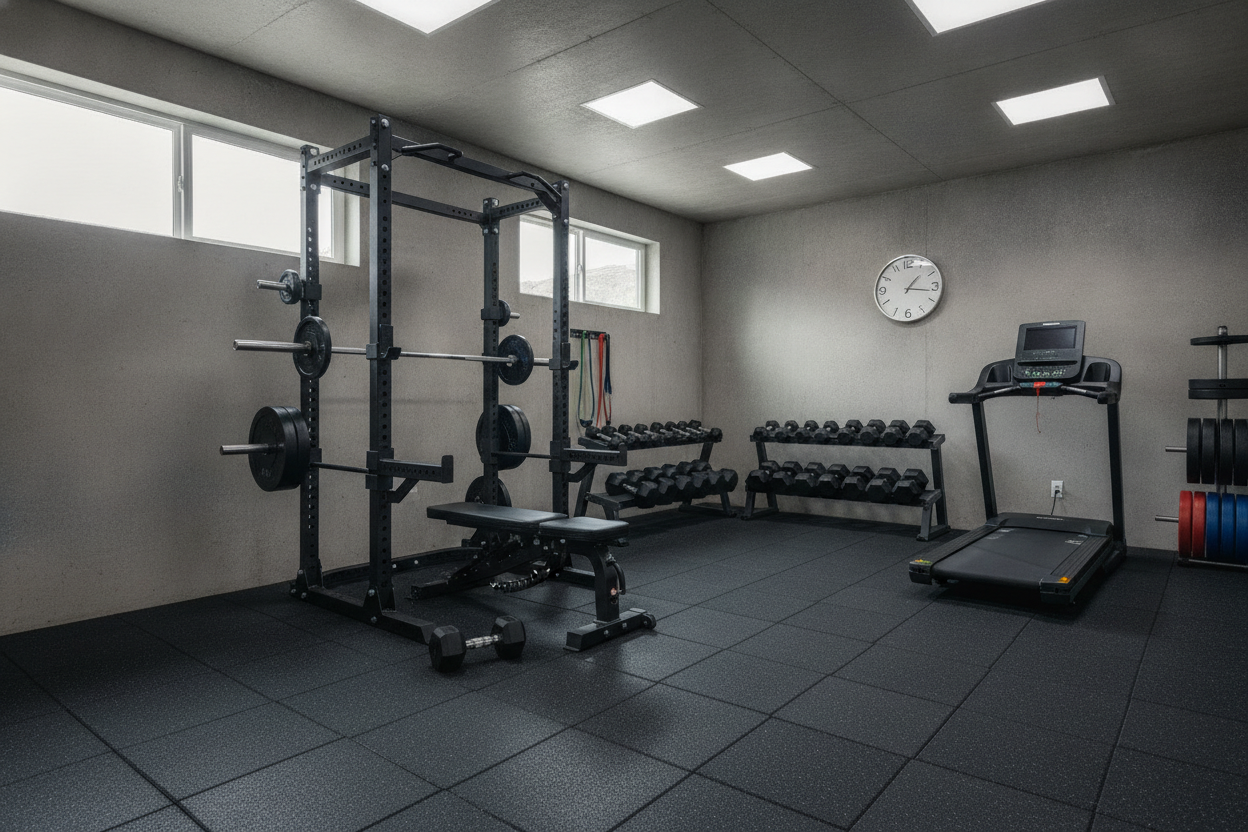
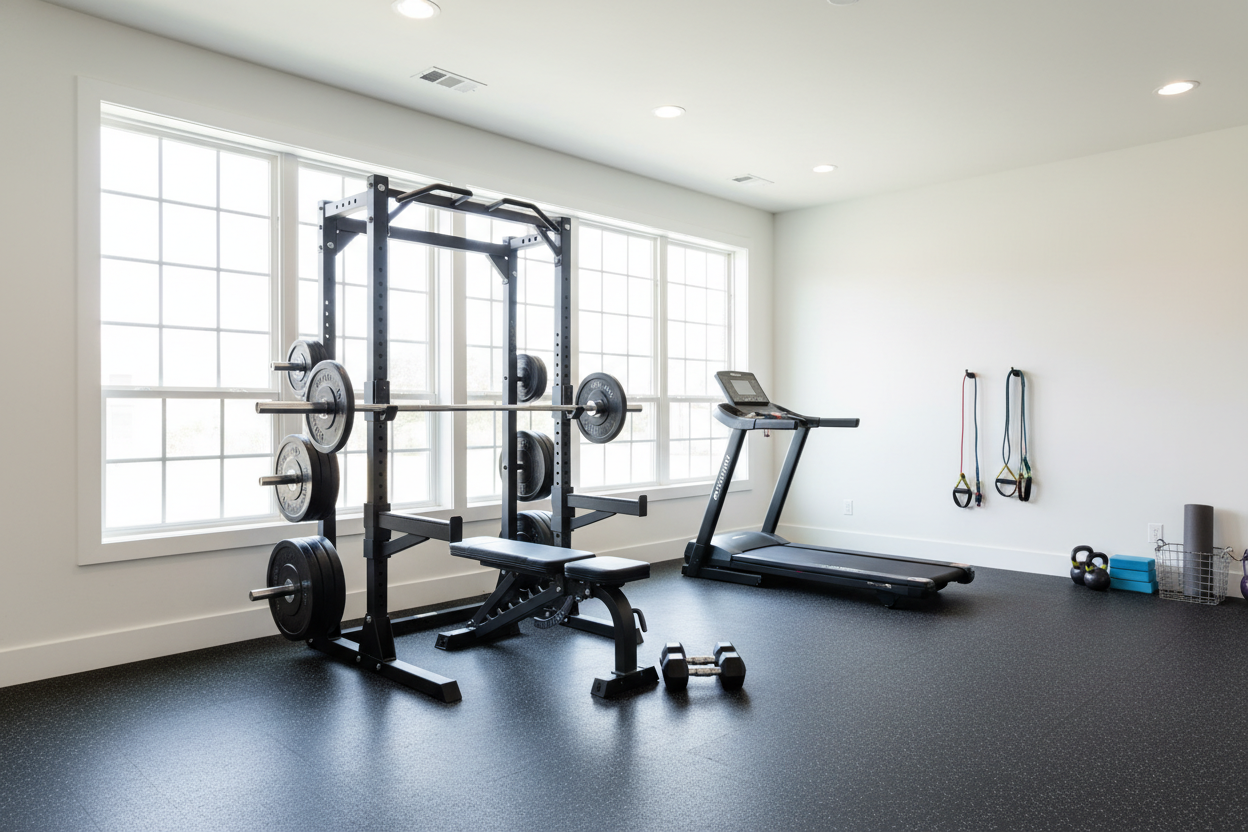
Before you pull the trigger on a bunch of random equipment, spend some time choosing the best strength and weight training equipment for your goals. If you have a 6x8 foot corner in a garage, you can do 90% of a pro-level routine. You need a floor that can handle a drop, a set of adjustable dumbbells or a barbell, and a bench that does not wobble when you sit on it.
The cornerstone of my home setup is the Gxmmat Adjustable Weight Bench. It is sturdy enough for heavy dumbbell rows and chest presses, but it is not so heavy that you cannot move it out of the way when you need to sweep the floor. A cheap, flimsy bench is a safety hazard once you start lifting 30+ pound dumbbells. You need something that feels like an anchor.
The Forgotten Details: Grips, Straps, and Progression
One thing most programs ignore is that grip strength is usually the first thing to fail in a weight lifting routine for women. It is incredibly frustrating to feel like your legs have five more reps of deadlifts in them, but your fingers are literally sliding off the bar. This is where people quit because they think they have hit a plateau, when really it is just their hands giving out.
Do not let your grip be the bottleneck for your progress. Grabbing some strength training accessories like lifting straps or grips allows you to keep loading the bar for your lower body movements. Use your bare hands for your warm-ups to build that grip, but when the weight gets serious, use the tools available. It is not 'cheating'—it is being smart about your training economy.
Also, pay attention to your increments. Most home dumbbell sets jump by 5 or 10 pounds. For a shoulder press, a 5-pound jump is massive. Look into 'fractional' plates or small magnetic weights you can slap onto your dumbbells. Being able to add just 1.25 or 2.5 pounds allows you to keep the progress needle moving without hitting a wall every two weeks.
Your New 4-Week Blueprint: Stop Searching, Start Lifting
This is a stripped-down strength training guide for woman lifters who are tired of the noise. Run this three-day split. Focus on form, then focus on adding weight. Day 1: Goblet Squats (3x10), Overhead Press (3x10), Plank (3x45s). Day 2: Romanian Deadlifts (3x10), Dumbbell Rows (3x10), Push-ups (3 sets to failure). Day 3: Lunges (3x12 per leg), Chest Press (3x10), Bird-Dogs (3x15).
Rest at least 90 seconds between sets. If you feel like you can go again after 30 seconds, the weight is too light. You should be working hard enough that you actually need that break. Track your numbers in a notebook or an app. If you did 20-pound rows last week, try for 22.5 or 25 this week. That is the entire secret to strength training.
Personal Experience
I once bought a 'budget' bench from a big-box retailer because it was $50 cheaper than the one I actually wanted. The first time I tried a heavy incline press, the adjustment pin didn't seat correctly and the backrest collapsed. I didn't get hurt, but I learned a lesson: your gear is your foundation. If you don't trust it, you won't lift heavy on it. I eventually upgraded to a heavy-duty model and the difference in my confidence—and my PRs—was immediate.
FAQ
Will lifting heavy weights make me look masculine?
No. Most women lack the high levels of testosterone required to build massive, 'bulky' muscles. Lifting heavy will make you look lean and athletic, not like a pro bodybuilder.
How many days a week should I train?
Three days a week is the sweet spot for most people. It allows for enough intensity to see results while giving your body plenty of time to recover and grow.
Do I need a squat rack to start?
Not necessarily. You can do a lot of damage with a solid pair of dumbbells and a bench. Once you can comfortably goblet squat the heaviest dumbbell you own, then it is time to look into a rack and barbell.