How to Turn Any Lift Into a Legitimate Growing Exercise
I've spent way too many late nights scrolling through forums and social media, watching guys with 20-inch arms swear that some obscure cable variation is the only growing exercise you'll ever need. It’s easy to get sucked into the idea that there is a secret movement hiding in a dusty corner of a 1970s bodybuilding manual that will suddenly unlock your gains.
After a decade of loading plates in my garage and testing every piece of kit from budget Amazon racks to high-end functional trainers, I’ve realized the truth is much more boring, yet way more effective. You don't need a new movement; you need to change how you execute the ones you already know.
Quick Takeaways
- Hypertrophy is about mechanical tension, not just 'feeling the burn.'
- Stability is the foundation of force—if you're wobbling, you aren't growing.
- The deep stretch under load is the most potent stimulus for muscle tissue breakdown.
- Controlled negatives and pauses beat heavy, bouncy reps every single time.
The Myth of the Magic Hypertrophy Movement
We’ve all been there—trying to find that one 'growth exercise' that feels like the missing piece of the puzzle. I used to swap my routine every three weeks because I wasn't seeing the immediate explosion in size that the magazines promised. I thought the exercise was the problem, but it was actually my intent.
A true muscle-builder isn't defined by the name of the lift, but by how much tension you can force the target muscle to handle. You can do the fanciest lateral raise variation in the world, but if you're using momentum to swing the weights up, you're just wasting your time. Mechanical tension is the primary driver of hypertrophy. If you aren't challenging the muscle through its full range of motion with a weight that actually makes it struggle, the name of the exercise doesn't matter.
Why Your Form is Actually Killing Your Growth
Ego is the biggest gains-killer in the home gym. When it's just you and the barbell, it's tempting to slap on another 45-lb plate and cut your depth just to feel strong. I’m guilty of it too. I spent a year doing 'heavy' squats that were barely above parallel, wondering why my quads looked the same.
Cutting the range of motion turns a potentially great movement into a joint-destroying ego trip. When you shorten the rep, you're usually skipping the hardest part of the lift—the part where the muscle is most vulnerable and most likely to grow. If you can't control the weight through the entire rep, it's too heavy. Period.
The Undeniable Power of the Deep Stretch
The science is pretty clear these days: long muscle length partials and the deep-weighted stretch are king for hypertrophy. Think about the bottom of a chest fly or the lowest point of a deep split squat. That's where the magic happens.
By pausing for a second at the bottom of a rep, you eliminate the stretch reflex—that 'bounce' that helps you cheat the weight back up. Forcing the muscle to contract from a dead stop while it's fully lengthened creates massive tissue breakdown. It hurts like hell, but that's the signal your body needs to actually build more mass.
Stability: The Unsexy Secret to Moving Heavy Weight
You’ve probably heard the saying that you can’t fire a cannon from a canoe. It’s a cliché because it’s true. If your base is unstable, your nervous system will literally throttle your power output to prevent you from getting injured. This is why I hate lifting on squishy surfaces or cheap, wobbly benches.
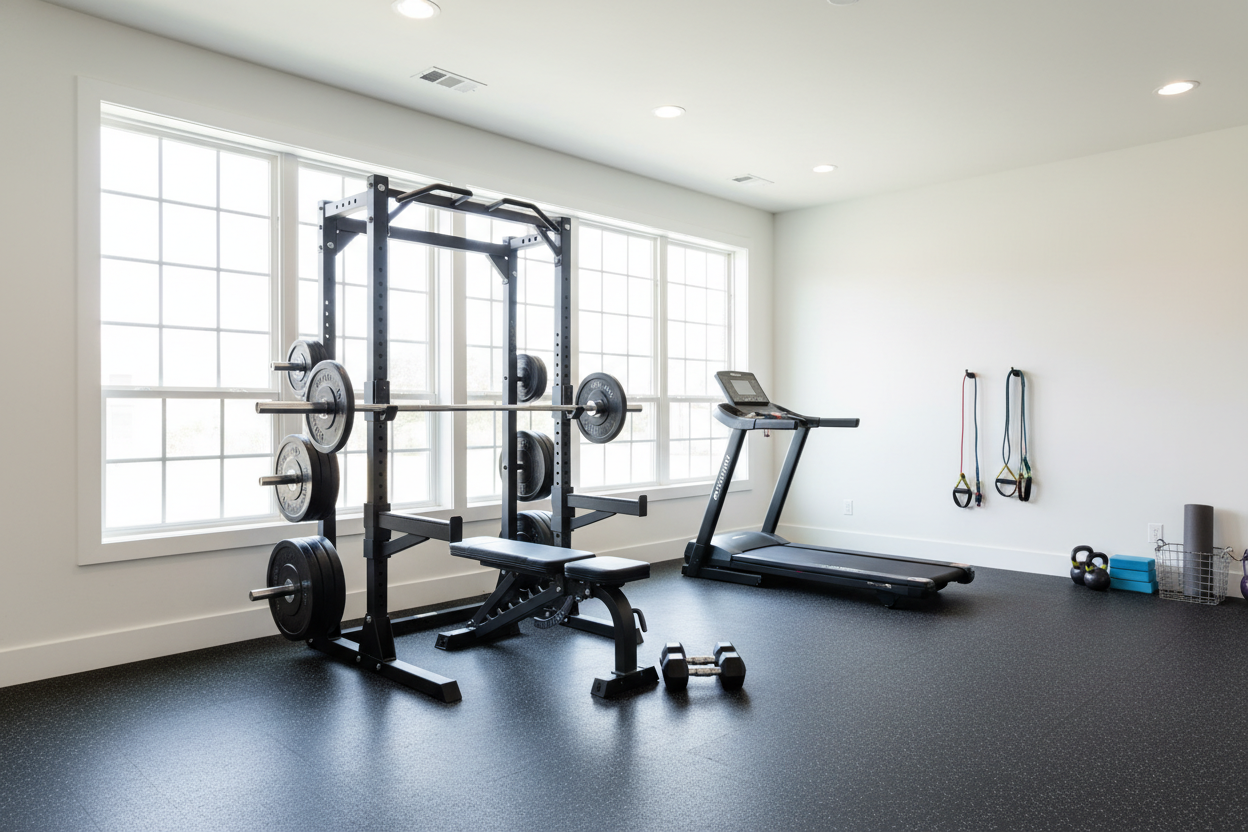
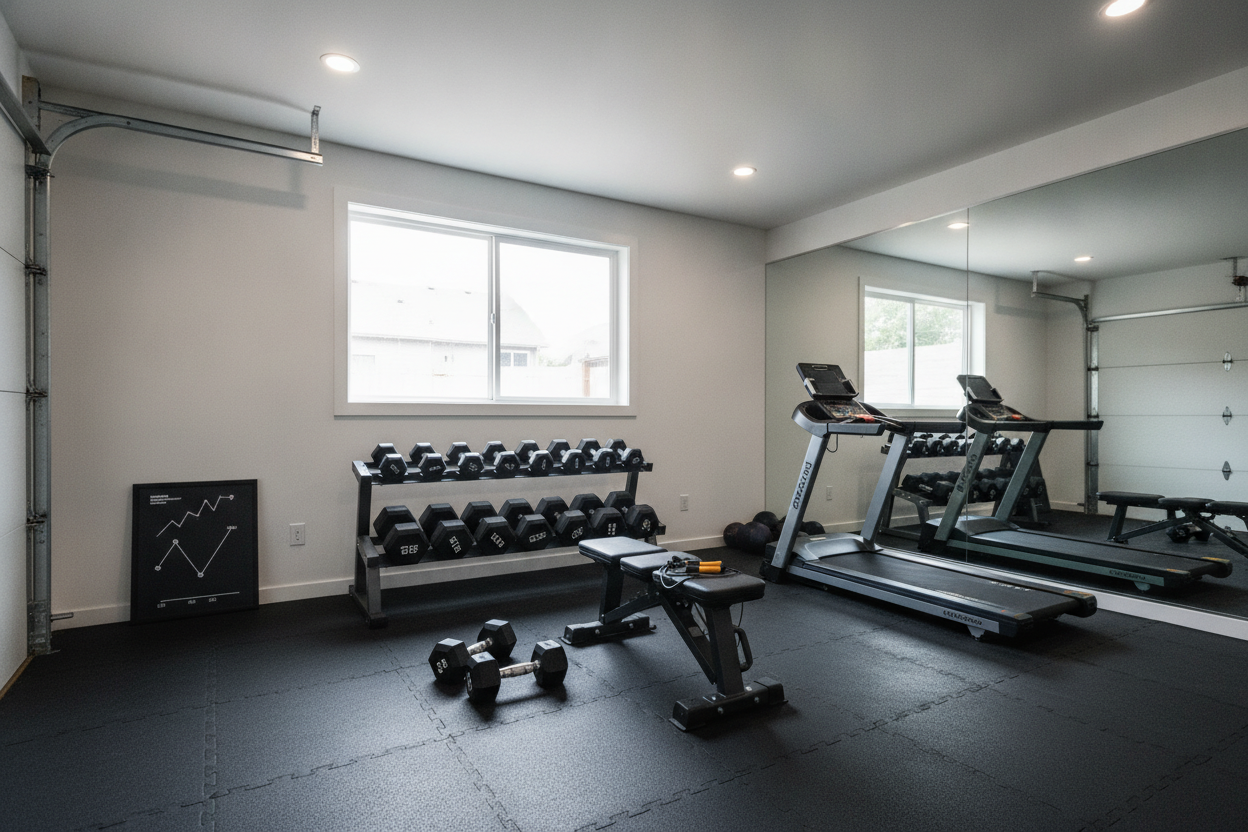
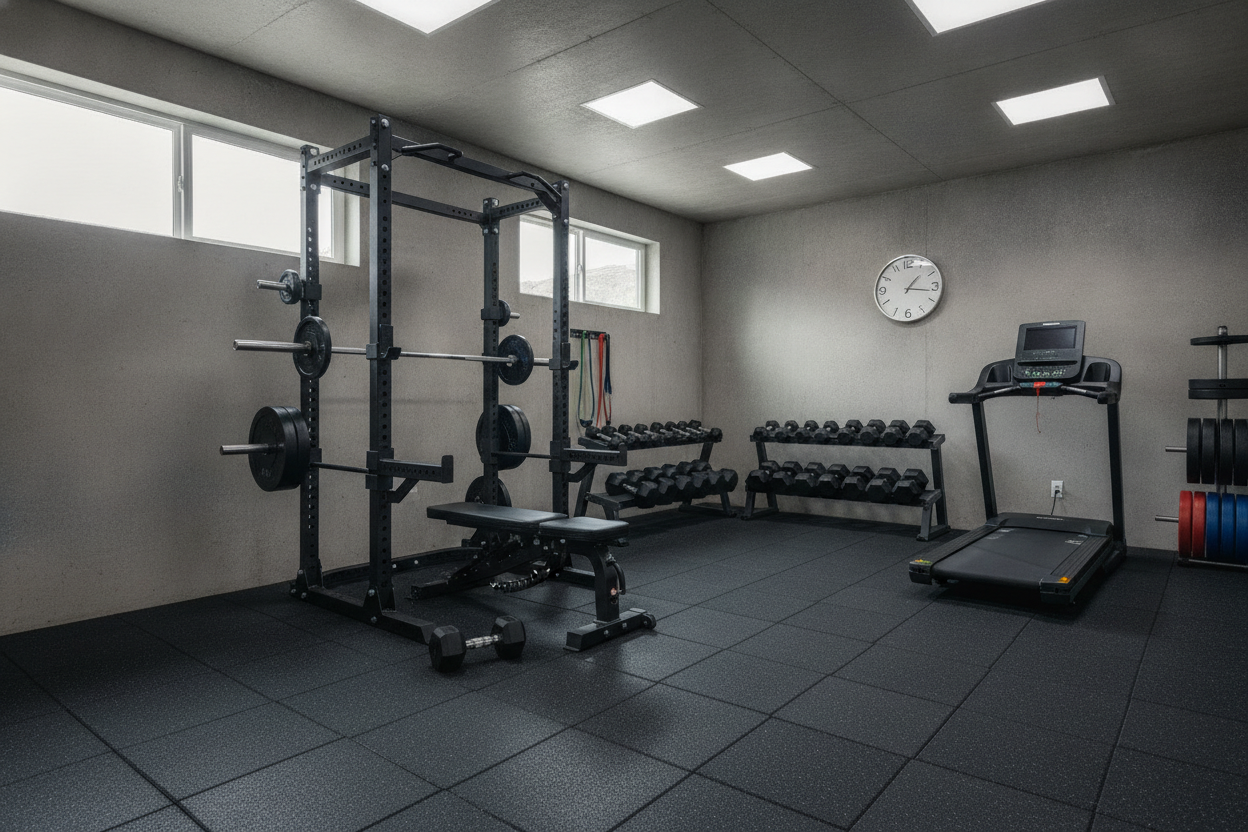
I learned this the hard way when I tried to max out my squats on a thick, plush carpet in my first apartment gym. My feet were shifting, my ankles were rolling, and I couldn't move 70% of my usual weight. Swapping that out for a dense large exercise mat changed everything. A rigid, grippy surface allows you to 'root' your feet and transfer every ounce of force into the bar. Stability equals more weight, and more weight equals more growth.
Applying the Rules to Your Lower Body Days
Leg day is where these principles are truly tested. Instead of just doing 'three sets of ten' on whatever machine is open, focus on your execution. If you’re looking for the best squat exercise for your frame, don't just default to the low-bar powerlifting style if you have long femurs. You might find that a high-bar squat or a heel-elevated goblet squat allows you to get deeper into that growth-inducing stretch.
I also recommend looking at your overall arm and leg exercise strategy. If you're smashing your legs so hard that you can't walk for a week, you're probably overdoing the volume and under-doing the intensity. Pick two or three movements, stabilize yourself properly, hit the deep stretch, and control the negative. That's how you turn a standard session into a massive hypertrophy stimulus.
Personal Experience: My 'Bouncy' Bench Press
For years, I was the guy bouncing the bar off my chest on the bench press. I thought I was strong because I could move 275 for reps. Then, I decided to actually follow my own advice. I dropped the weight to 225, added a three-second negative, and a one-second pause at the bottom. I couldn't even finish my second set. My chest was more sore the next day than it had been in years, and my pec development finally started to catch up to my shoulders. It was a humbling lesson in the difference between moving weight and training muscle.
FAQ
Is a pause at the bottom necessary for every rep?
Not every single one, but if you've hit a plateau, it's the fastest way to break it. It forces the target muscle to do 100% of the work without any momentum or 'bounce' helping you out.
Can I use these rules for isolation exercises too?
Absolutely. In fact, it’s even easier. On a bicep curl, focus on the full extension at the bottom and a slow, controlled descent. Don't let the weight just drop; fight it the whole way down.
How do I know if I'm stable enough?
If you feel like you have to balance the weight or if your feet are shifting during the set, you aren't stable. Use a solid floor, a sturdy bench, and make sure your grip is locked in before you start the movement.