Why Your Strength and Bodybuilding Program is Wrecking Your CNS
I spent last Tuesday shivering in my garage, staring at a 400-pound barbell and wondering why my joints felt like they were filled with broken glass. I was following a cookie-cutter strength and bodybuilding program I found online, and it was eating me alive. Most of these plans are designed for 22-year-olds with professional recovery protocols, not for those of us lifting in a 20-degree garage after a 10-hour workday.
The problem is simple: you’re trying to serve two masters without a plan. You want the dense, thick muscle of a bodybuilder and the raw, terrifying power of a strength athlete. But if you don't strip that commercial routine down to its bare essentials, you’ll end up with a fried central nervous system and zero gains to show for it.
- Prioritize the Big Three: Squat, bench, and deadlift stay at the top of the order.
- Volume Control: Limit your heavy sets to avoid burning out your CNS by week three.
- Equipment Focus: Invest in a rack and a bar with aggressive knurling before buying fancy gadgets.
- Listen to RPE: If the bar feels like a ton of bricks, back off and chase the pump instead.
The Trap of Mashing Two Workouts Together
Most people treat a strength bodybuilding program like a buffet where they take everything. They bolt a high-volume 'bro split' onto a heavy 5x5 routine and wonder why they can't sleep at night. Your central nervous system doesn't care that you want bigger biceps; it only knows that you've asked it to fire at 95% capacity for the fourth time this week.
When you mash these styles together, you create a recovery debt that you can't pay back. I’ve seen guys try to hit a heavy triple on squats and then follow it up with six different leg machines. By the time they get to the third accessory, their form is trash and they’re just moving weight with momentum. It’s a recipe for a torn labrum, not a bigger total. You have to be surgical about where you spend your energy.
Stripping the Commercial Fluff for the Garage Gym
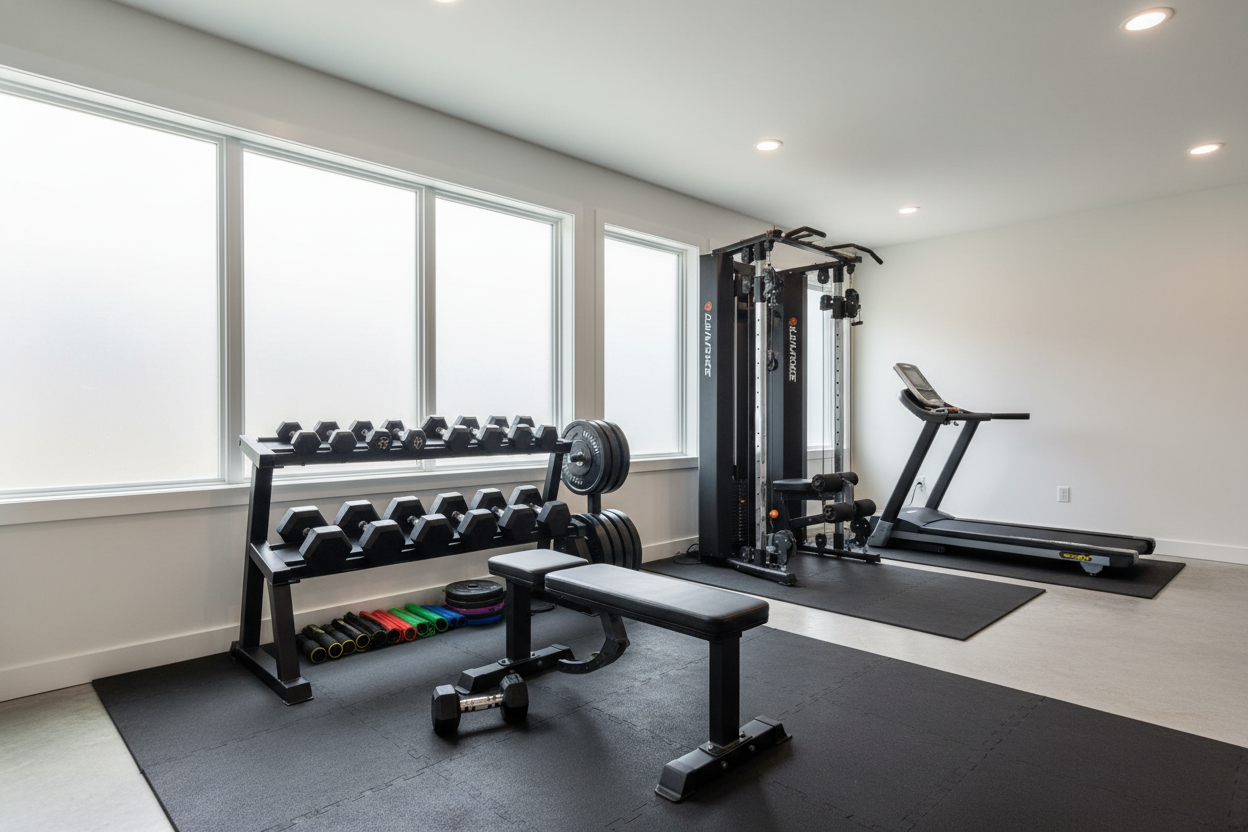
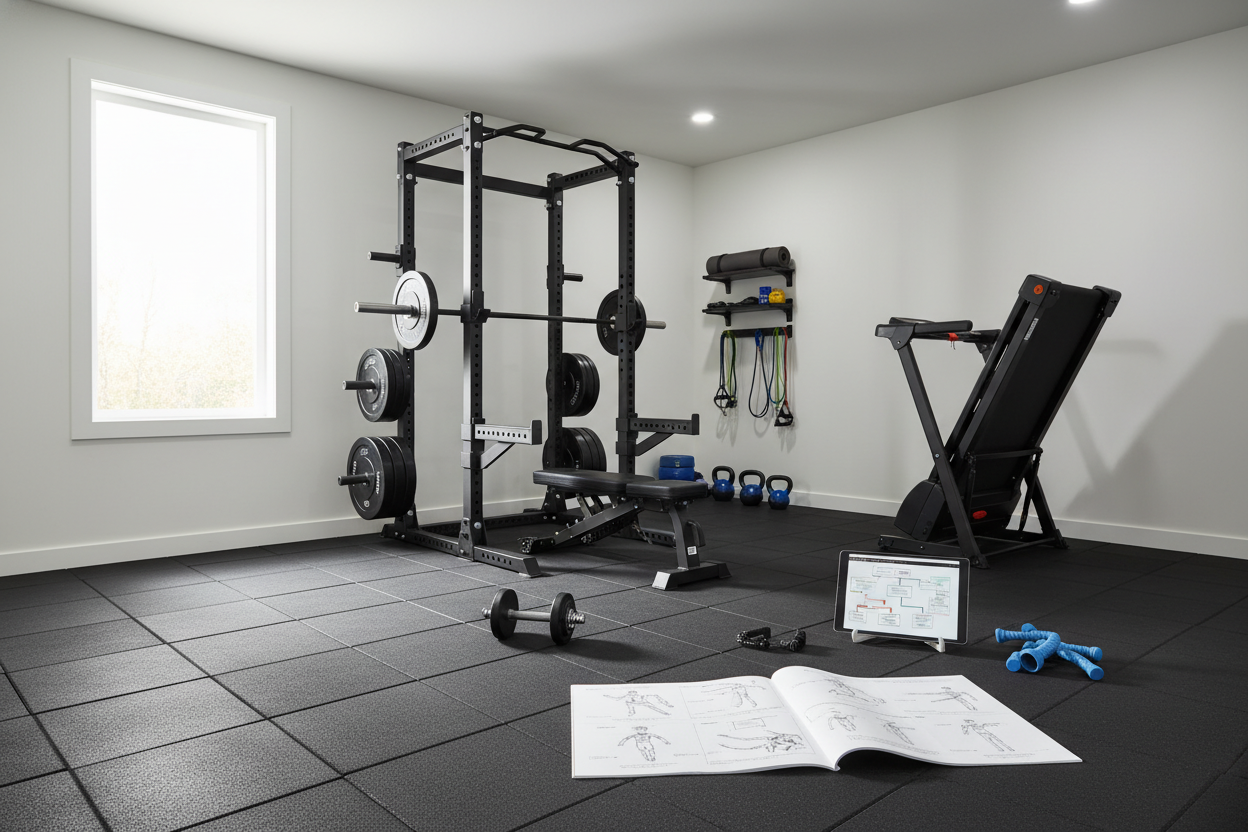
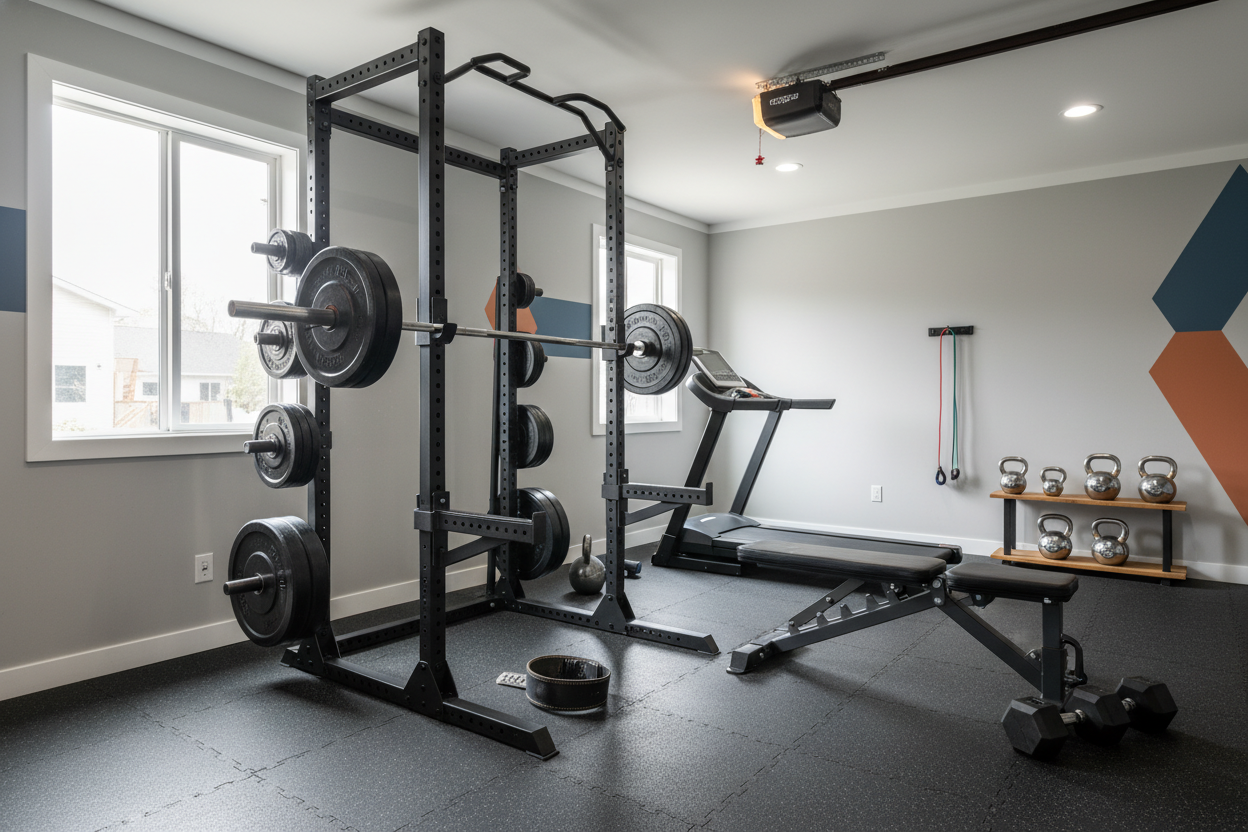
You don't need a $5,000 functional trainer or a row of selectorized machines to get huge. In fact, those machines often distract you from the work that actually matters. When you're training in a garage, every square foot counts. You need quality strength equipment that serves multiple purposes—think a heavy-duty power rack, an adjustable bench, and a barbell that won't bend under a 500-lb load.
Replace the cable crossovers with heavy dumbbell flyes. Swap the leg extension machine for sissy squats or Bulgarian split squats. The stimulus is the same, but the demand on your stabilizers is higher. I’ve found that my best growth came when I stopped worrying about 'shaping' muscles and started focusing on overloading the basics. If you have a rack with a pull-up bar and a set of rings, you have everything you need to build a world-class physique without the commercial gym price tag.
How to Sequence Your Heavy Lifts and Pump Work
The secret to a sustainable strength and bodybuilding program is the order of operations. You must do your heavy, CNS-intensive work first while your neurotransmitters are fresh. I limit my 'strength' work to one or two movements per session. Once those are done, I transition into hypertrophy work, where the goal shifts from moving weight to feeling the muscle contract.
If you have the floor space, adding one or two specialized machines for strength and bodybuilding can be a lifesaver for your joints. A dedicated lat pulldown or a leg press allows you to push your muscles to failure without the technical breakdown risk of a barbell. However, these are luxuries. Most of your 'pump' work should come from dumbbells and high-rep barbell variations. I like to finish my heavy squat days with high-rep goblet squats; the quad burn is insane, and it doesn't leave my lower back feeling like it's been in a car wreck.
A Bare-Bones Upper Body Day Example
Let’s look at a typical push day. I start with the competition bench press—3 sets of 3 to 5 reps. This is the strength foundation. Once that’s in the bag, I move to a chest program workout for strength and size that focuses on incline dumbbell presses and weighted dips. These movements provide the stretch and volume needed for hypertrophy without the extreme neurological load of a max-effort barbell lift.
I keep my rest periods short during the accessory phase—usually 60 to 90 seconds. This keeps the heart rate up and ensures I'm out of the garage in under an hour. In the winter, when my garage is 35 degrees, this pace is the only thing keeping me warm. I've found that three high-quality accessories done with total focus are worth more than ten sets of junk volume performed while scrolling on my phone.
Why Auto-Regulation is Your Best Friend at Home
In a commercial gym, you’re performative. You lift heavy because people are watching. In a garage, it’s just you and the iron. This is where auto-regulation becomes your superpower. Some days, 315 lbs feels like a feather; other days, it feels like a house. If you're running a strength bodybuilding program, you have to be honest enough to pivot.
If my warm-ups feel sluggish, I’ll cap my heavy lifting early and move straight to the pump work. Dropping the ego and focusing on a 15-rep set of overhead presses instead of a grinding single is what keeps you training for decades instead of months. I once ignored a nagging shoulder pain just to hit a programmed number, and I ended up unable to bench for eight weeks. Don't be that guy. Use RPE (Rate of Perceived Exertion) to guide your intensity, and you'll actually see the progress you're working for.
FAQ
Can I build bodybuilding size with just a barbell?
Absolutely. High-rep rows, presses, and squats will pack on mass. The key is controlling the eccentric (lowering) phase to maximize muscle fiber tears.
How many days a week should I train for powerbuilding?
Four days is the sweet spot for most home lifters. It allows for two upper-body and two lower-body sessions, leaving plenty of time for CNS recovery.
Do I need a lifting belt for the bodybuilding sets?
Usually, no. Save the belt for your heavy strength sets (85%+ of max). Let your core do the work during the higher-rep accessory movements.