Why Split-Based Weightlifting Routines for Beginners Usually Fail
I remember the first time I set up a home gym. I bought a cheap, wobbling bench and a set of plastic-coated weights that smelled like a tire fire. I spent hours scrolling through bodybuilding forums, eventually landing on a five-day 'bro split' where I hit chest on Monday, back on Tuesday, and so on. I thought I was being hardcore. In reality, I was wasting my time. Most weightlifting routines for beginners are designed for people on performance enhancers or those who have already built a decade of foundational strength. For the rest of us, that approach is a fast track to plateaus and nagging shoulder pain.
Quick Takeaways
- Frequency is king: Hit every muscle group 2-3 times per week instead of once.
- Focus on movements (push, pull, squat, hinge) rather than individual muscles.
- Recovery is where the growth happens; a 3-day schedule is often superior to a 5-day grind.
- Don't be a barbell snob—machines are excellent for building initial tissue tolerance.
The 'Bro Split' Trap: Why Dedicated Chest Days Are Overrated
The biggest mistake I see in weight training plans for beginners is the obsession with isolation. You don't need a dedicated 'Arm Day' when your total squat is less than your body weight. When you are new, your muscles recover quickly, but your nervous system needs constant practice to learn the movements. If you only bench press on Mondays, you are waiting 168 hours to practice that skill again. That is the hidden flaw in most weight training routines that rely on high-volume, low-frequency splits.
By the time next Monday rolls around, your brain has basically forgotten the 'groove' of the lift. You want to stimulate, not annihilate. For the first six months, your goal is to teach your body how to move efficiently. Splitting your body into five different days might feel like you're doing a lot, but you're actually providing a stimulus that is too infrequent to trigger the rapid neurological adaptations that novices are capable of. I wasted a year doing this and barely added 20 pounds to my overhead press. Don't make that mistake.
Shift Your Focus to Movement Patterns, Not Muscles
Instead of thinking about 'biceps' and 'triceps,' start thinking about how your body actually functions in space. Every effective weightlifting program for beginners should be built around four primary movement patterns: the Squat, the Hinge, the Push, and the Pull. When you perform a goblet squat, you aren't just hitting your quads; you're engaging your core, your upper back, and your glutes. These are the most effective muscle exercises for beginners because they give you the biggest bang for your buck.
A 'Push' movement could be a dumbbell overhead press or a push-up. A 'Pull' could be a 1-arm row or a lat pulldown. A 'Hinge' is usually some form of deadlift or kettlebell swing. When you train these patterns, you build a balanced physique and avoid the 'hunchback' look that comes from doing 50 sets of chest and zero sets of rowing. In my own gym, I stopped caring about how my peaks looked and started caring about how stable my hinge felt. The irony? My arms grew faster once I started doing heavy rows and weighted carries than they ever did with concentration curls.
Building a Realistic Weight Lifting Schedule Beginners Can Survive
Consistency is the only metric that matters. I’ve seen guys buy $5,000 worth of calibrated plates and a competition rack only to let them collect dust because they tried to follow a six-day-a-week pro athlete schedule. A 3-day full-body weight lifting schedule beginners can actually stick to is the gold standard. Monday, Wednesday, Friday. This gives you 48 hours of recovery between sessions, which is vital for bone density and connective tissue health.
Each session should include one exercise from each movement pattern. You’ll be tired, but you won't be so wrecked that you can't walk the next day. This frequency allows you to hit every muscle group three times a week. That is 156 opportunities a year to grow, compared to only 52 opportunities with a bro split. I always tell people to stop buying gear before you have a plan. Map out your three days, mark them on the calendar in permanent marker, and treat those lift workouts for beginners like a doctor's appointment. If you can't commit to three hours a week, no amount of fancy equipment will save you.
Don't Be Afraid to Use Machines in Month One
There is a weird elitism in the home gym community that says if you aren't using a barbell, you aren't training. I think that's garbage. For a beginner, a barbell can be intimidating and, frankly, a bit dangerous if your stability is zero. A well-rounded weightlifting program for beginners should absolutely utilize weight lifting machines to bridge the gap. Machines allow you to push a muscle to failure without worrying about a 135-pound bar crushing your windpipe.
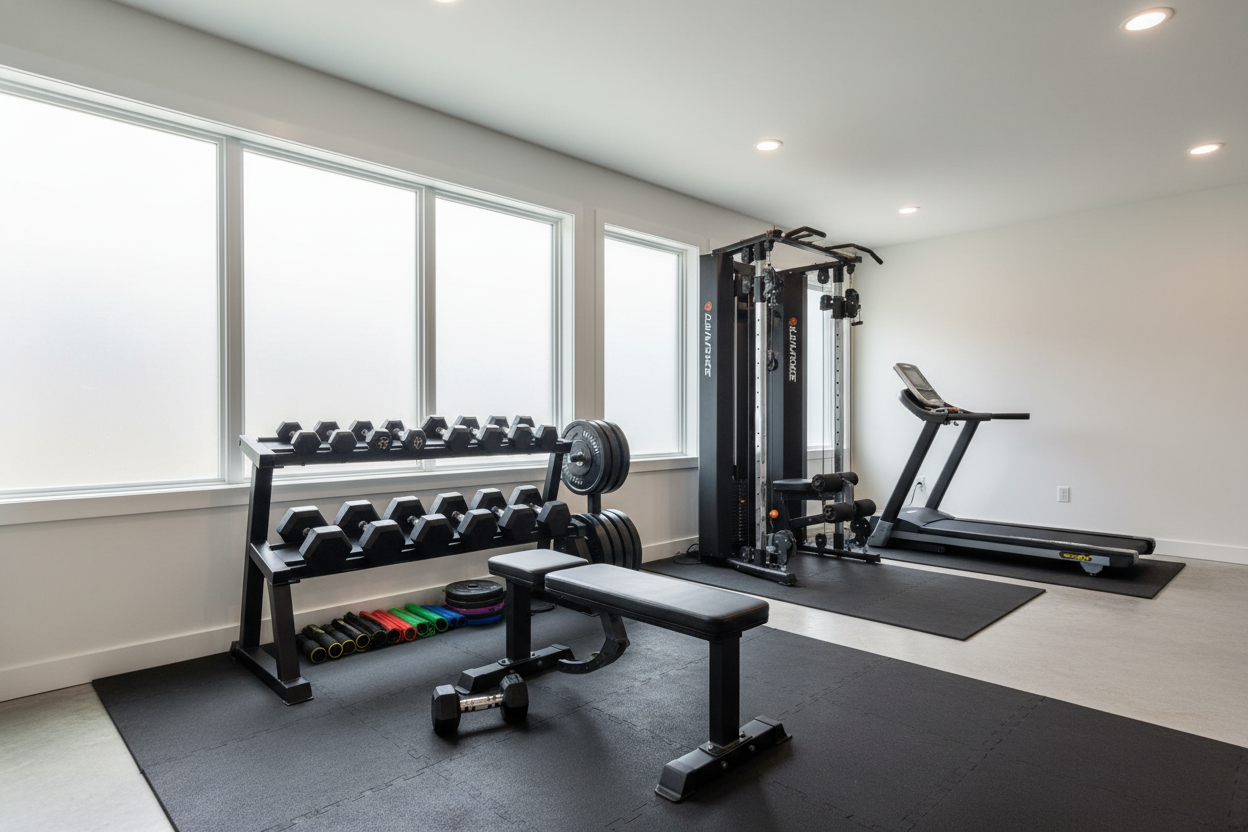
Using a leg press or a seated cable row helps you learn what 'muscle contraction' actually feels like. Once you know how to fire your lats on a machine, transitioning to a pull-up or a barbell row becomes much easier. I spent my first month back in the day just using a functional trainer because my stabilizer muscles were so weak I couldn't even hold an empty bar straight. There is no shame in using guided resistance to build the base layer of armor you need before moving to the 'big' lifts.
The Bare Minimum Gear You Need to Start
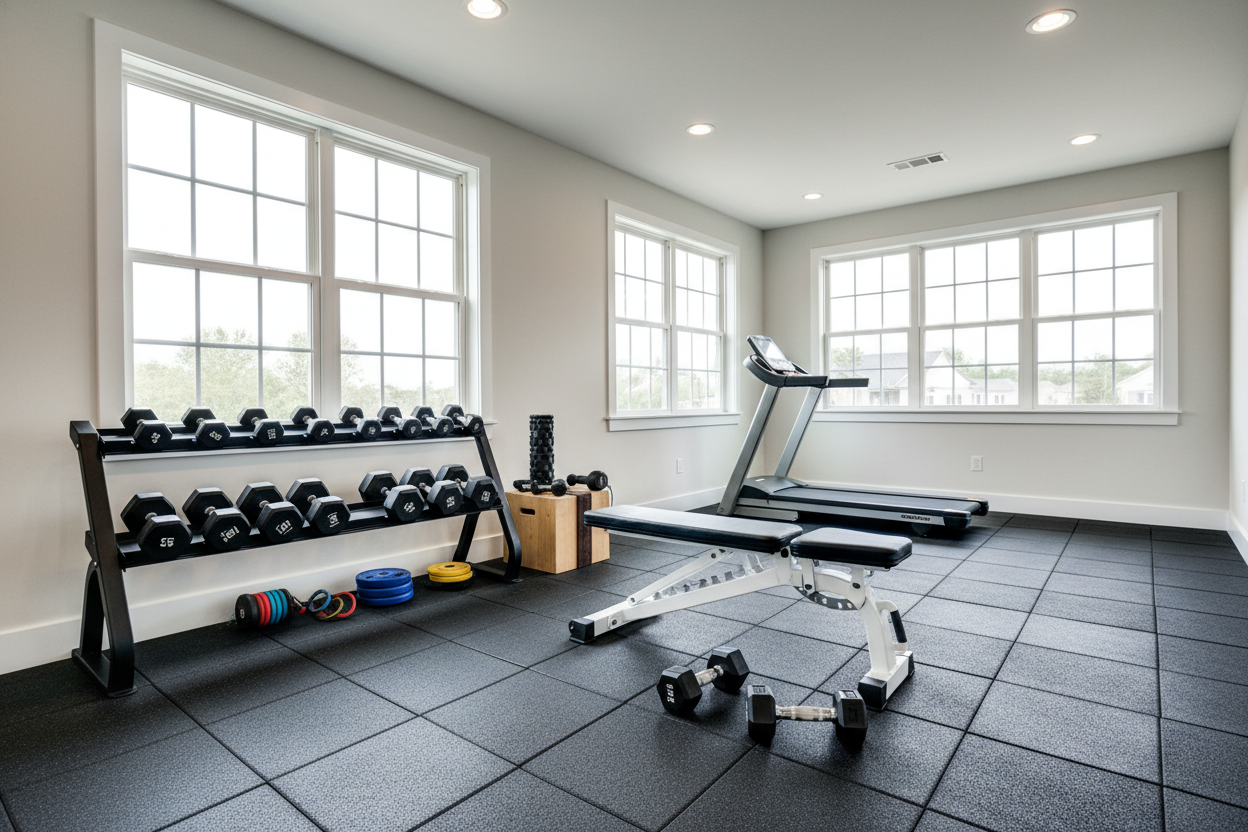
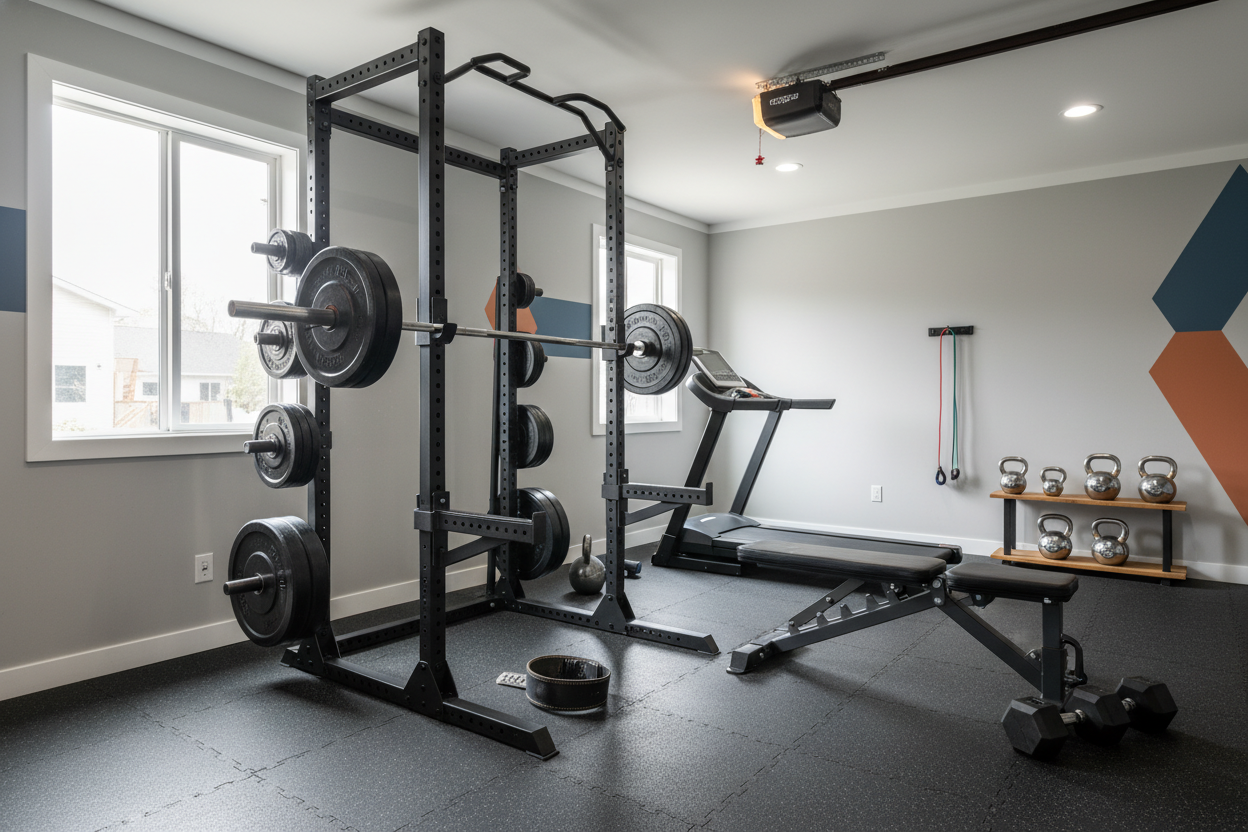
You don't need a 2,000-square-foot commercial space. You need a place to squat and a place to press. When I started, I had a pair of adjustable dumbbells and a flat bench. It worked, but I outgrew it in three months. If you are serious about your weightlifting workouts for beginners, I recommend something like the Gxmmat X6 Power Rack Weight Bench Package. It gives you a safe cage for squats and a solid bench for presses in a footprint that actually fits in a standard garage or spare room.
The key is having a rack with safety bars. When you're training alone at home, those safeties are your best friend. Look for 14-gauge steel or better and a weight capacity that exceeds what you think you'll lift in two years—not just what you can lift today. A good rack and an adjustable bench are the 'foundation' of your house. Everything else, like bands, rollers, and specialty bars, is just the decor. Keep it simple, keep it heavy, and keep showing up.
Personal Experience: My Biggest Mistake
When I started, I thought more was better. I would do 6 different exercises for my chest because I wanted that 'pump.' I ended up with chronic tendonitis in my left shoulder that took six months of physical therapy to fix. I wasn't getting stronger; I was just getting inflamed. It wasn't until I stripped everything back to a basic 3-day full-body routine that my numbers actually started moving. I realized that as a beginner, I didn't need variety—I needed repetition. I needed to do the same four things over and over again until they were perfect.
FAQ
How long should a beginner workout last?
Aim for 45 to 60 minutes. If you are training with enough intensity on your compound lifts, you shouldn't have the energy to stay in the gym for two hours. Get in, hit your movements, and get out to recover.
Can I lose weight while starting a lifting routine?
Yes, but don't starve yourself. Beginners have the unique ability to build muscle and lose fat at the same time (body recomposition). Focus on high protein and a slight caloric deficit, but keep the weights heavy to signal to your body to keep the muscle.
Should I lift every day?
No. Especially not as a beginner. Your muscles grow while you sleep and rest, not while you're lifting. If you lift seven days a week, you'll likely burn out your central nervous system within a month and end up quitting altogether.