The Weight Exercises for Shoulder Tweaks That Kept Me Lifting
I remember the exact moment my right shoulder decided to quit. It was the third rep of a 225-lb bench press. I heard a sound like a dry twig snapping, and suddenly, my overhead mobility was gone. Most doctors tell you to sit on the couch for six weeks. I tried that once; I just got stiff, weak, and grumpy.
Instead, I started using specific weight exercises for shoulder tweaks to keep blood flowing without making the tear worse. Total rest is a trap. When you stop moving, your body stops sending nutrients to the injured area. You need load—very light load—to tell those tendons to reorganize and heal.
Quick Takeaways
- Total rest leads to joint stiffness and muscle atrophy.
- Active recovery with light weights increases blood flow to stubborn tendons.
- Use an incline bench to prevent 'body english' and cheating.
- Stop any movement that causes sharp, stabbing pain immediately.
Why 'Just Resting It' Is the Worst Advice You Can Take
When you 'just rest' a shoulder tweak, you're essentially letting the joint rust. Tendons have notoriously poor blood supply compared to muscles. They don't get the nutrients they need to repair themselves just by sitting on the sofa watching Netflix. You need mechanical tension to signal the body to repair the tissue.
Introducing light weight exercises shoulders routines early in the recovery phase keeps the joint capsule lubricated. It prevents the dreaded 'frozen shoulder' and keeps your nervous system familiar with the movement patterns. The goal isn't to build a massive overhead press; it's to maintain the range of motion you have left while slowly expanding it.
The Golden Rule of Rehab: Leave Your Ego at the Door
You aren't trying to build boulders here. You're trying to grease the hinge. If you're used to grabbing the 50-lb dumbbells for your lateral raises, get ready to grab the 5s. Seriously. I've spent weeks doing weight free shoulder exercises just to regain basic range of motion before I even touched a light dumbbell.
Training for recovery is a mental battle. You have to ignore the guy next to you repping out heavy presses and focus entirely on the 'feel' of the joint. We are looking for blood flow and tendon glide. If a movement feels 'crunchy,' adjust the angle. If it feels 'sharp,' stop the set. You want a dull ache or a light pump, nothing more.
Creating a Stable Environment for Shaky Joints
Most people stand up and swing their weights when they train. When your shoulder is compromised, your lower back and traps will try to 'help' by taking over the lift. This is how you end up with a neck strain on top of a rotator cuff tear. You need to isolate the joint by fixing your torso in place.
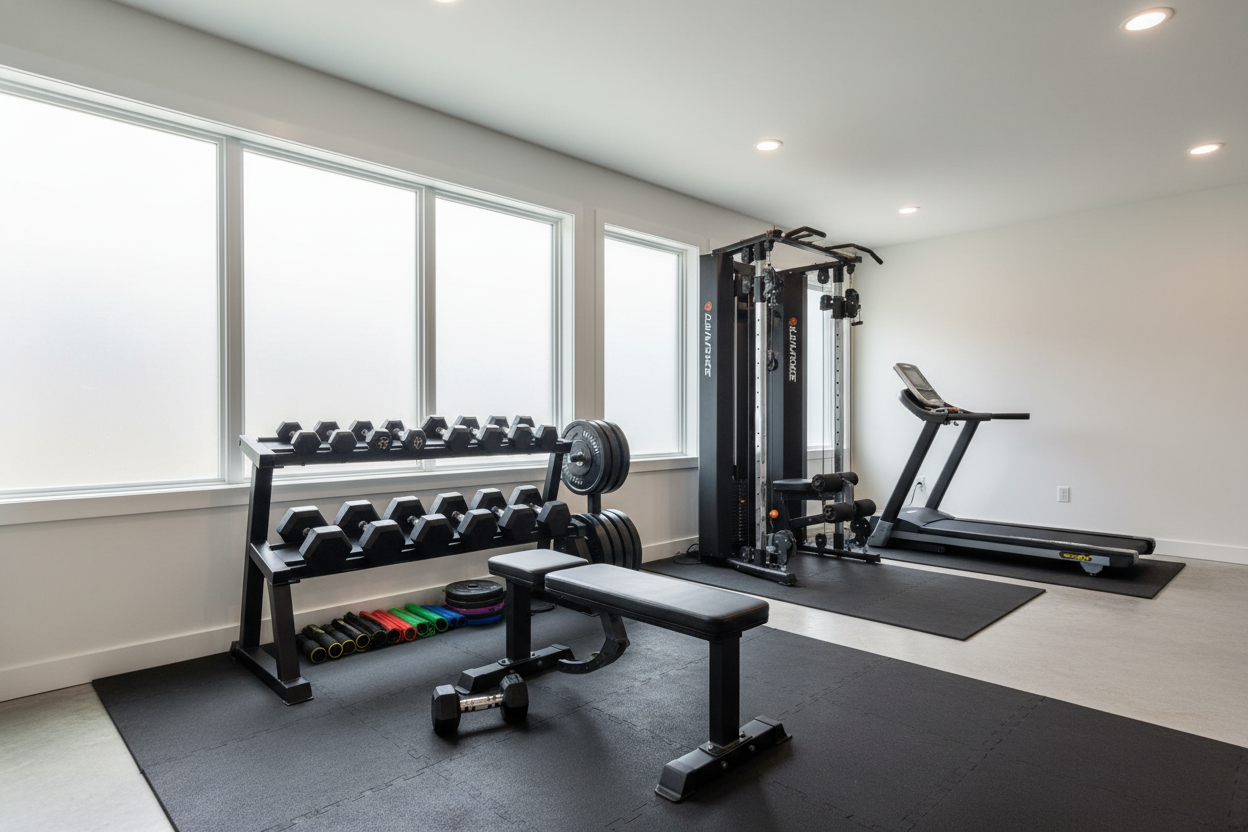
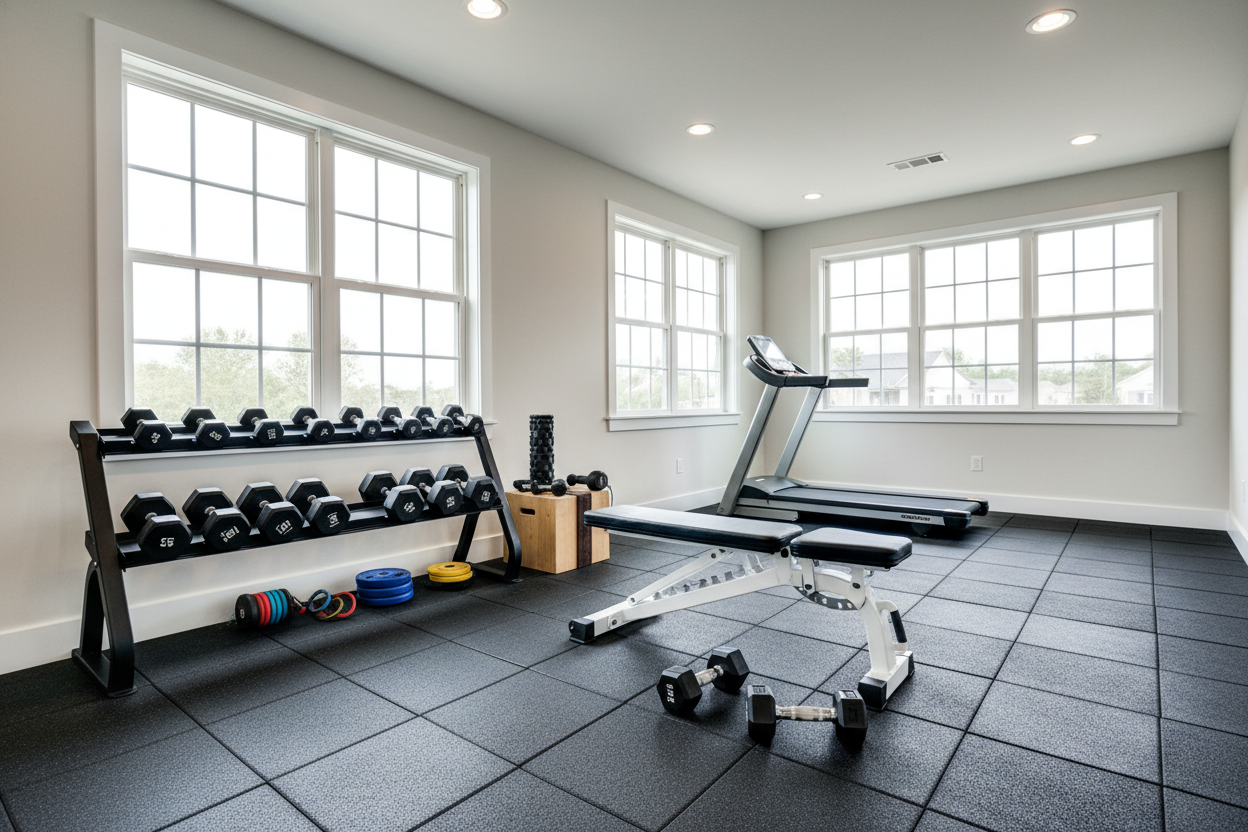
I strictly use an adjustable weight bench set to a high incline or flat position for almost all my rehab work. By lying chest-down on the bench, you physically block your torso from swinging. If you can't cheat with your hips, you're forced to use the tiny stabilizer muscles that actually need the work. It’s humbling, but it’s effective.
3 Shoulder Rehab Exercises With Weights That Actually Work
These are the three movements that saved my training career. Perform these with high reps (15-20) and a slow, three-second eccentric (lowering) phase.
- Prone Y-Raise: Lie chest-down on your bench. With a 2.5-lb plate in each hand, raise your arms into a 'Y' shape. Hold for one second at the top to fire the lower traps.
- Side-Lying External Rotation: Lie on your side, elbow tucked into your ribs, and rotate a light weight toward the ceiling. This targets the infraspinatus and teres minor directly.
- Seated Scaption Raise: This is like a lateral raise, but you move your arms 30 degrees forward into the 'scapular plane.' It’s much friendlier on the joint space.
Once you can perform these for three sets of 20 with zero pain, they can be integrated into a regular exercises for shoulders dumbbell routine to prevent future flare-ups.
When Are You Ready to Press Heavy Again?
The green flag isn't just 'feeling okay.' It's having full, symmetrical range of motion under light load. I look for 'clean' movement—no hitching, no shrugging the shoulder toward the ear, and no pain the morning after a session. If you wake up stiff, you did too much.
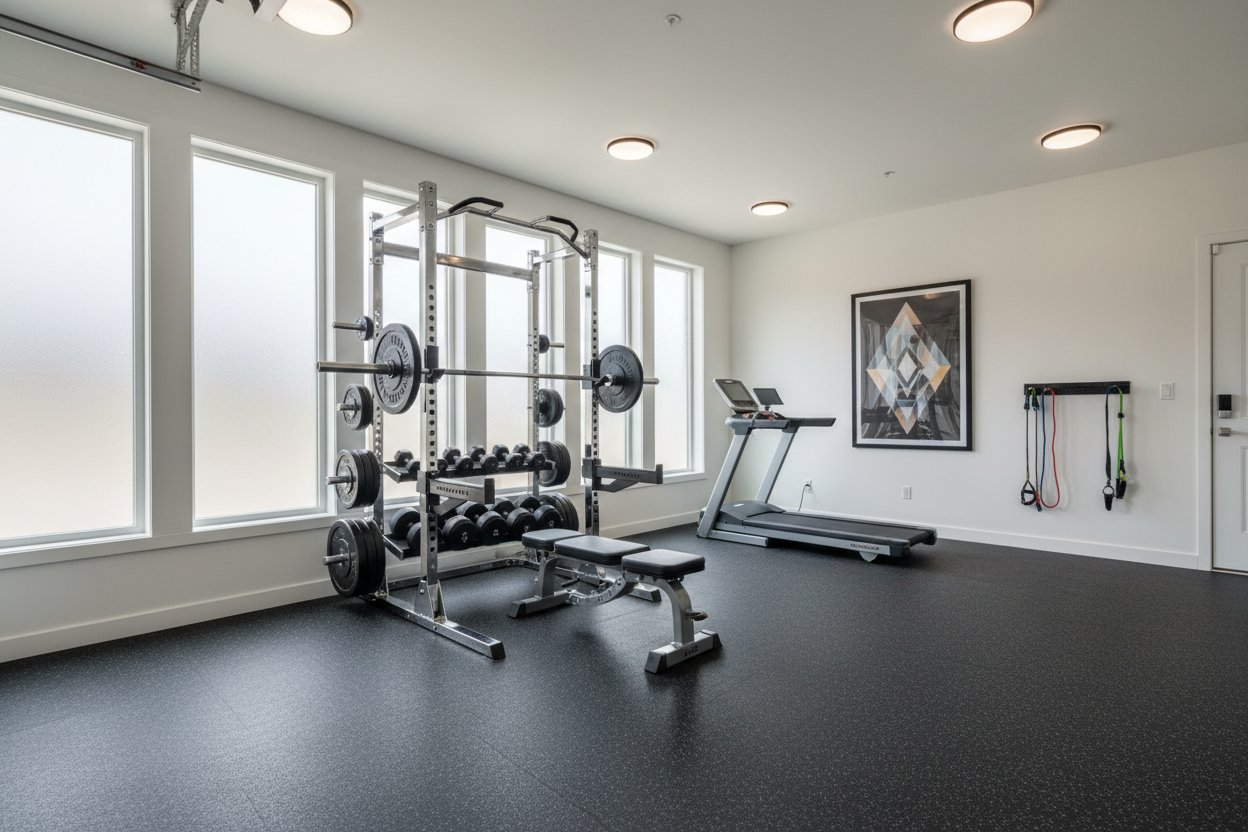
When you finally get back to the 45-lb barbell, do it inside a power rack weight bench package. Set the safety pins just below your chest. If your shoulder gives out or 'zings' mid-rep, the rack catches the weight so you don't end up in the ER. It provides the mental safety net you need to start pushing the intensity again.
My Honest Mistake
I once tried to jump back into heavy overhead presses because I felt '80% better.' I was bored of the light weights and wanted to feel strong again. Two reps in, I felt that familiar snap. I had to restart the whole three-month rehab process from day one. Don't be like me. The 5-lb dumbbells aren't an insult; they're the bridge back to the heavy stuff.
FAQ
How often should I do these rehab exercises?
Every other day is the sweet spot. Tendons need about 48 hours to adapt to load, even if that load is light. Doing them every single day can actually cause more inflammation.
Should I use ice or heat?
I use heat before the session to get blood into the joint and ice afterward if there is any swelling. Generally, movement is a better 'heater' than a heating pad ever will be.
What is the best weight to start with?
Start with 2 lbs. If you don't have small weights, use a full water bottle or a soup can. If that feels easy and pain-free, move up by 1 or 2 lbs at a time. This is a game of ounces, not pounds.