Your Mobility Training Program PDF Is Way Too Long
I have a folder on my desktop filled with 40-page PDFs I have never opened twice. You know the ones—the mobility training program pdf that promises to make you move like an Olympic gymnast but requires a PhD and an hour of your life every morning before you even touch a barbell. If you are like me, you download it with the best intentions, do it once, and then realize you actually have a job and a life.
Quick Takeaways
- Consistency beats complexity every single time.
- Mobility is active control, not just flopping on the floor.
- Target the 'Big Three': Hips, ankles, and thoracic spine.
- Keep your routine under 10 minutes to ensure you actually do it.
The 45-Minute Mobility Trap
Most mobility gurus want to sell you a lifestyle. They pack their downloads with 20 different exercises, three sets of each, and enough 'flow' sequences to make a yoga instructor dizzy. The reality? If your mobility work feels like an entirely separate, exhausting workout, you are going to abandon it by day three. I have seen it happen to everyone from garage gym rookies to seasoned powerlifters.
The problem is bloat. We see the same thing in the lifting world, where people get sucked into an overpriced strength training program pdf that has them doing six variations of a bicep curl when they can barely squat their body weight. Your mobility routine should be a primer for your nervous system and joints, not a marathon. If it takes longer than your actual warm-up sets, it is too long.
Why Passive Stretching Is Not Mobility
There is a massive difference between being flexible and being mobile. Flexibility is how far a muscle can be pulled; mobility is how much range of motion you can actually control. If you are just sitting in a deep lunge while scrolling on your phone, you are not building mobility. You are just hanging out on your ligaments.
A full body mobility routine pdf should focus on active tension. You want to be 'fighting' for the range of motion. If you just want to relax after a long day or work on recovery during your off-time, a dedicated full body stretching routine pdf is great, but do not confuse it with the active work required to fix a shitty squat pattern or a tight overhead press.
The 'Minimum Effective Dose' Approach
I am a firm believer in the 80/20 rule. Eighty percent of your movement issues likely stem from three places: your ankles, your hips, and your thoracic spine (upper back). If you clear those up, the rest of the body usually follows suit. You do not need a 12 week mobility training program pdf to figure this out; you just need three or four high-yield movements.
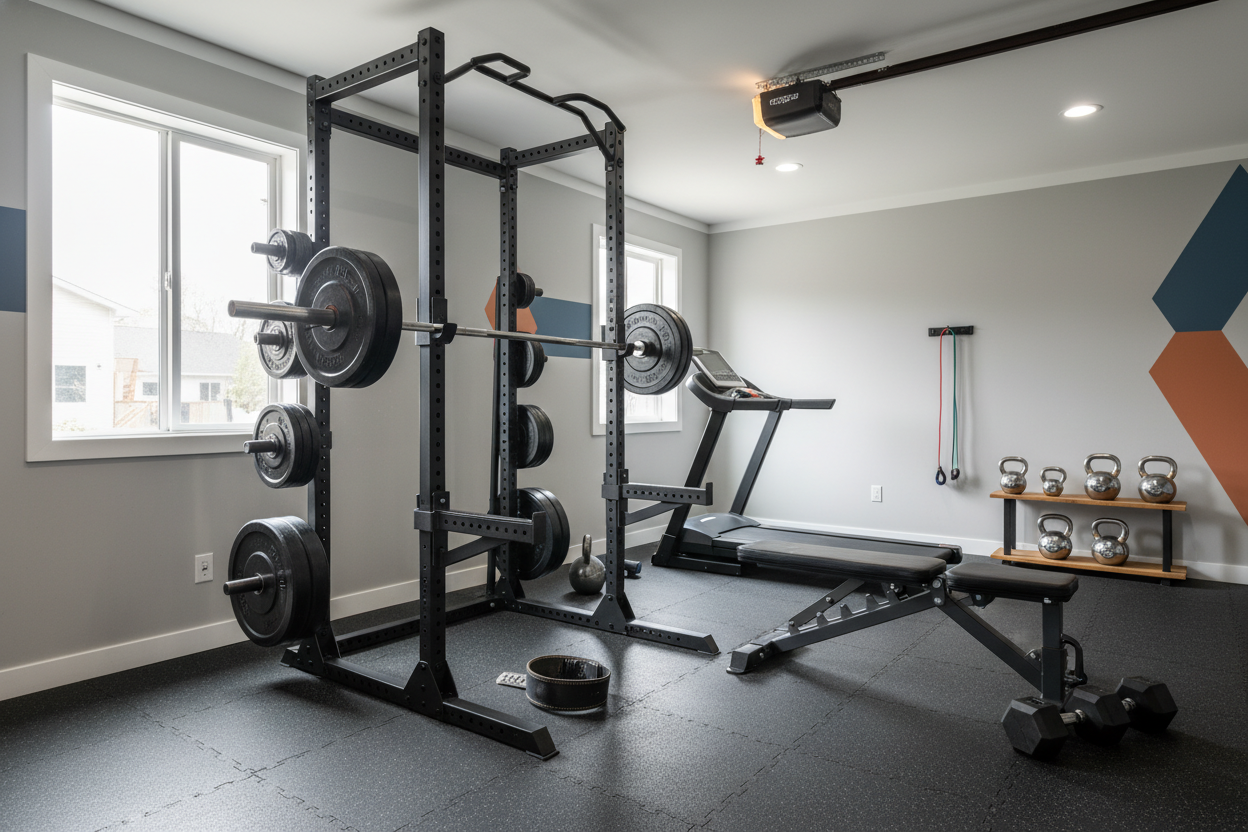
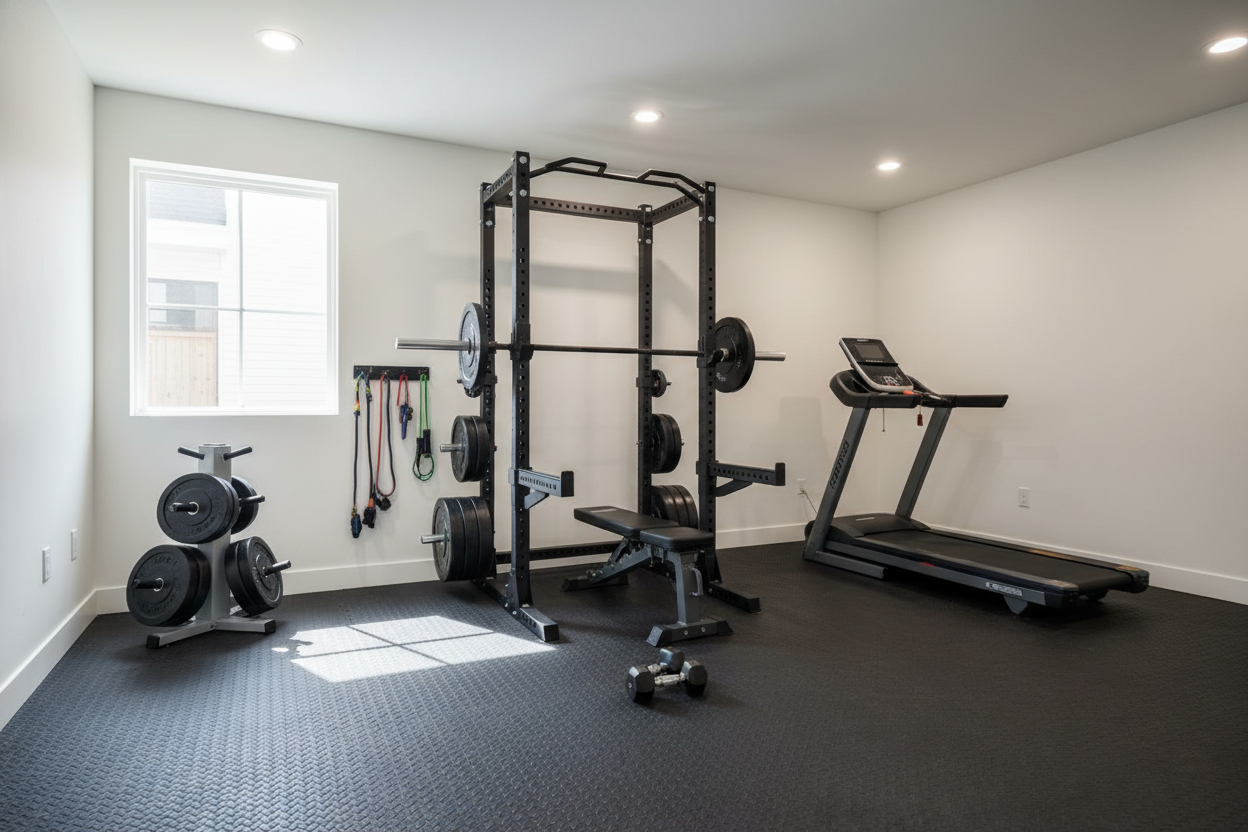
One practical tip: get yourself a large exercise mat. If you are training in a cold garage, the biggest barrier to doing ground-based mobility is the freezing, dusty concrete. Having a dedicated 6x8 ft space that is cushioned and clean makes it much harder to make excuses. When the floor is comfortable, you are 100% more likely to actually drop down and do your 90/90 hip switches.
How to Build a Cheat Sheet You Will Actually Use
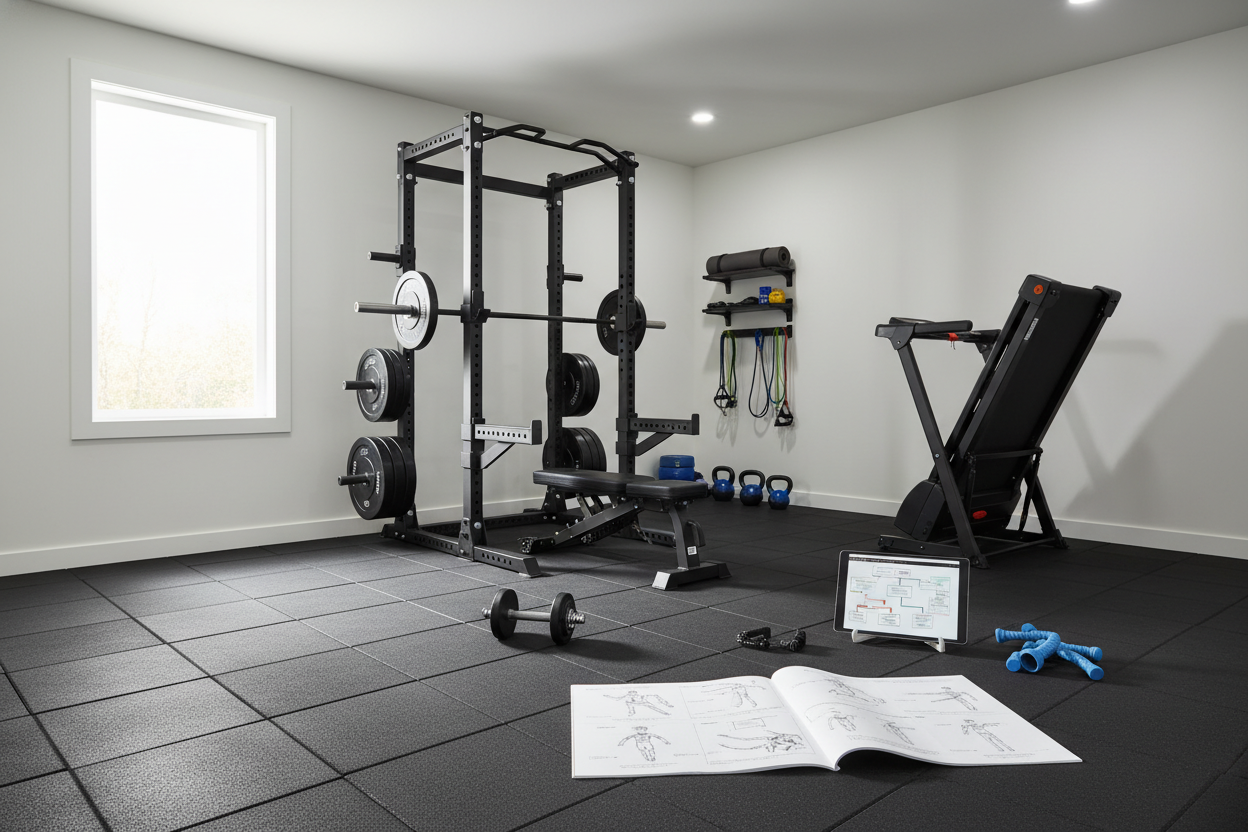
Stop using your phone in the gym. Every time you unlock it to check your mobility exercises for beginners pdf, you end up checking Instagram or responding to an email. The 'flow' is broken. Instead, take your favorite 3-5 movements, write them on a piece of paper in Sharpie, and tape it to your squat rack at eye level.
This physical cheat sheet removes the friction. You walk in, see the list, and execute. No scrolling, no distractions, no blue light. This is how you turn a 'routine' into a habit. I have a single sheet of paper taped next to my power rack that has been there for two years. It is beaten up and stained with sweat, but it is the reason my shoulders do not click when I bench anymore.
A 5-Minute Routine You Can Steal Right Now
If you want a full body mobility workout pdf that actually fits into a real life, try this sequence before your next session. Do 10 reps of each, or hold for 30 seconds with active tension. First, 90/90 hip switches to open the internal and external rotation of the femurs. Second, the 'Couch Stretch' to unstick those hip flexors that have been shortened from sitting at a desk all day.
Third, perform T-spine rotations on all fours to get your upper back moving so your lower back doesn't have to compensate. Finally, find a pull-up bar and do a 30-second dead hang. This decompresses the spine and opens up the lats. This mobility workout routine pdf replacement takes exactly five minutes. It primes your CNS, lubricates the joints, and leaves you with plenty of energy for the heavy triples you actually came to the gym for.
Personal Experience: My 40-Page Failure
A few years ago, I bought a 'comprehensive' strength and mobility program pdf from a famous coach. It was a work of art—beautiful photos, scientific explanations, and a daily 45-minute 'primer.' I lasted exactly four days. I found myself rushing through the actual lifting because I had spent so much time rolling around on a foam roller. I realized I was prioritizing 'moving well' over actually moving weight. Now, I stick to my 5-minute 'Big Three' approach, and my joints feel better at 35 than they did at 25.
FAQ
Do I need fancy equipment for mobility?
No. Most of the best joint mobility exercises pdf routines require nothing but your body and the floor. A foam roller or a lacrosse ball can help with tissue quality, but they are not substitutes for moving your joints through a full range of motion.
Should I do mobility before or after my workout?
Active mobility is best before a workout to 'wake up' the joints. Static, passive stretching is better saved for after the session or before bed when you want your nervous system to chill out.
How long does it take to see results?
You will feel a difference in your lifting form immediately, but permanent changes in range of motion take weeks of consistent, daily effort. Think of it like brushing your teeth—do a little bit every day rather than a lot once a week.