Why Your Posture Sucks (And the Shoulder Pull That Fixes It)
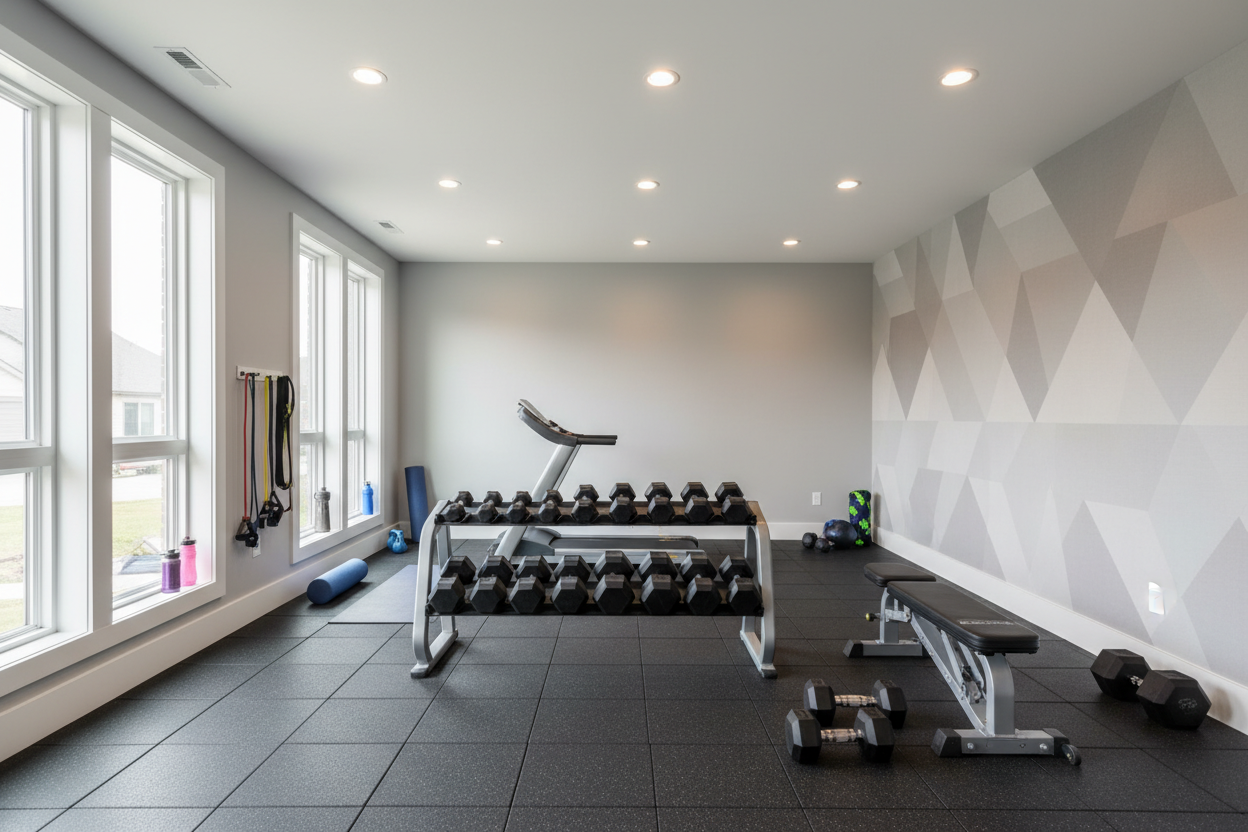
I spent three years in my garage gym chasing a 225-lb overhead press, thinking that massive front delts were the ticket to a powerhouse physique. Instead, I ended up looking like a caveman whose knuckles were about two inches from dragging on the floor. My chest was tight, my rear delts were non-existent, and my bench press stalled because my stabilizers were shot. I realized I didn't need more pressing; I needed a dedicated shoulder pull to undo the damage.
Quick Takeaways
- Standard rows often hit the lats, leaving the rear deltoids underdeveloped.
- A targeted pull exercise for shoulders fixes the 'rolled forward' posture common in heavy lifters.
- Performing these movements from a floor-seated position eliminates momentum and lower back cheating.
- High-volume, low-weight execution is the key to muscle mind connection here.
The Problem With Only Pushing Your Delts
Most garage gym warriors live on a diet of bench, overhead press, and maybe some dips. While that builds the 'mirror muscles,' it creates a massive structural imbalance. Your front delts become overactive and short, pulling your humerus forward into internal rotation. This isn't just an aesthetic issue; it's a fast track to impingement and rotator cuff tears.
If you find your shoulders clicking every time you reach for a 45-lb plate, you might need to ditch push-pull for this back chest and shoulder workout. Relying on a standard push-heavy split without enough rear-chain volume is how you end up with that hunched, 'meathead' posture that makes you look smaller than you actually are. You need to pull as much as you push, if not more.
What Exactly Is a Shoulder Pull?
A shoulder pull exercise isn't just a row with a different name. When we talk about rows, we're usually talking about pulling a handle toward the hip or belly button to engage the lats. A shoulder pull is different. You are intentionally flaring the elbows and pulling toward your face or upper chest. This shift in biomechanics moves the load from the lats to the rear deltoids, rhomboids, and lower traps.
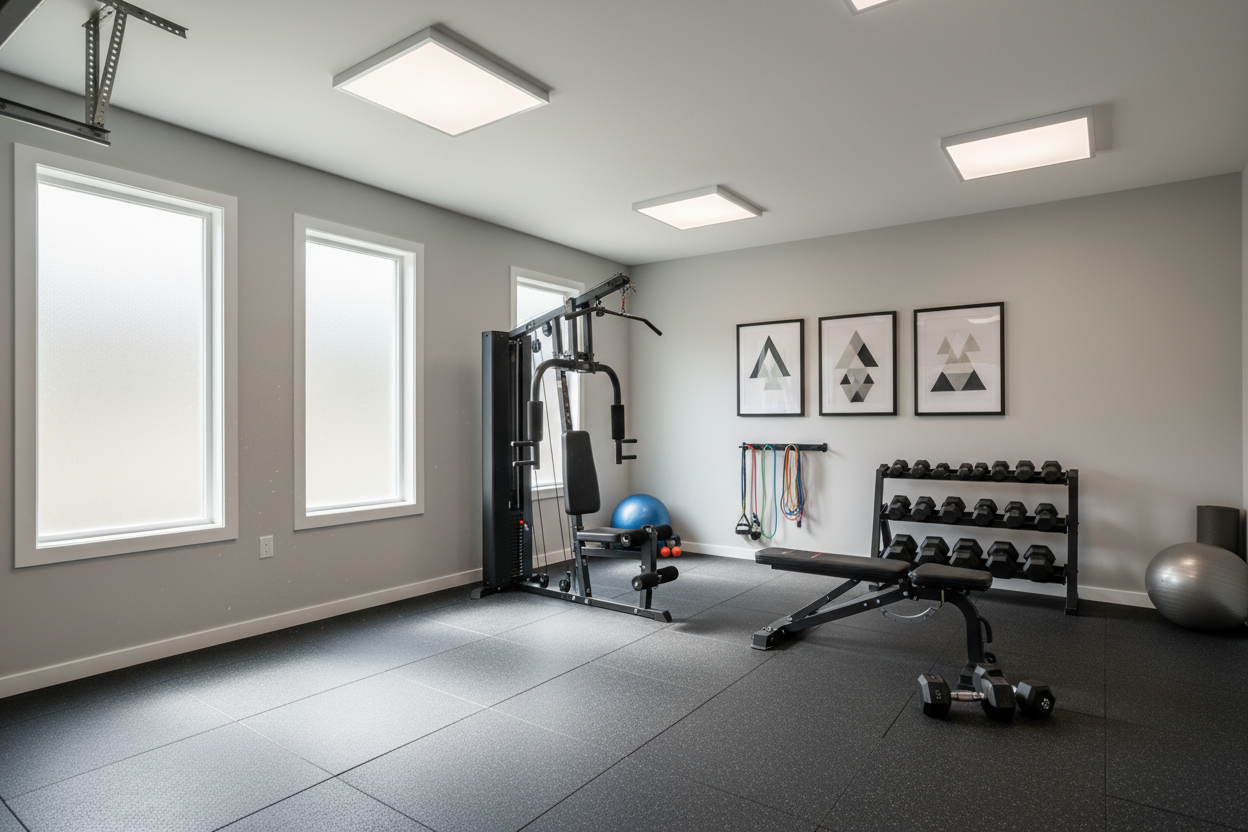
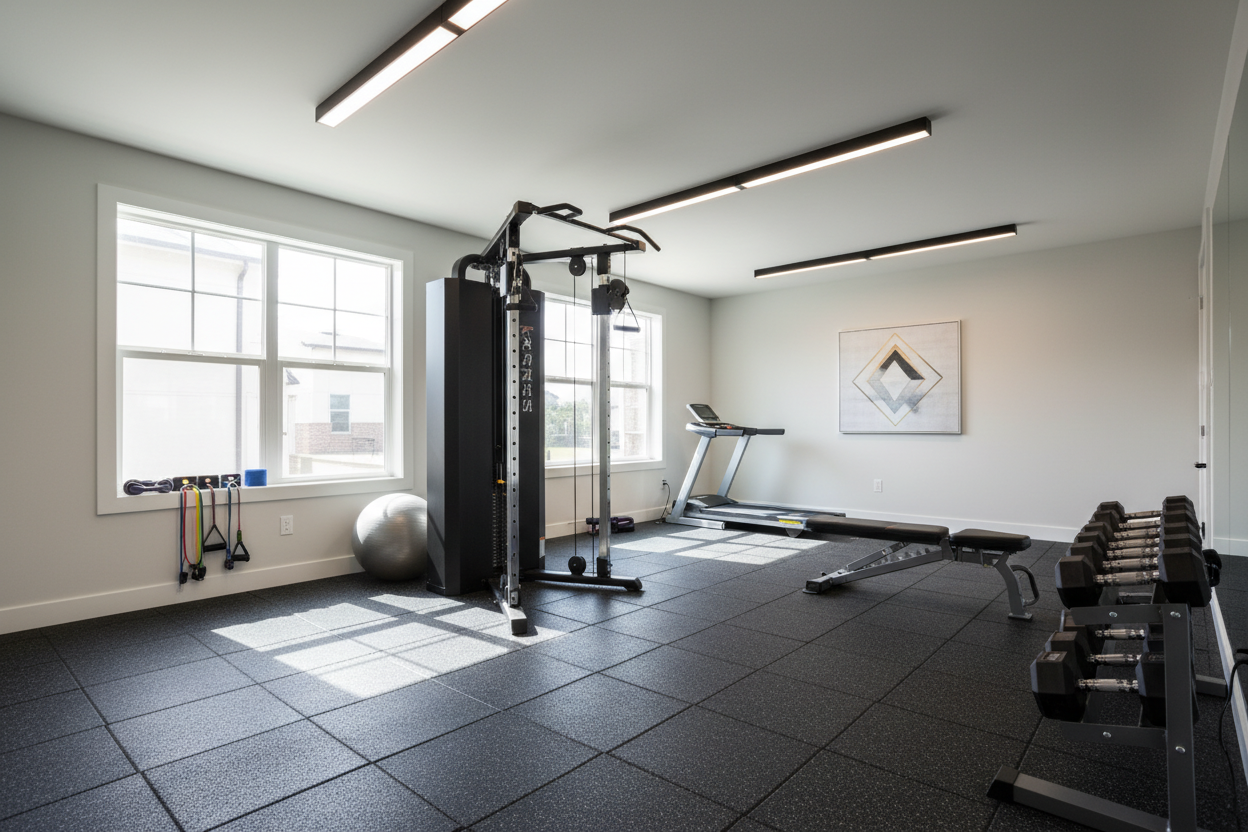
Think of it as a face pull's more aggressive cousin. Instead of just 'pulling,' you are focus on retracting the shoulder blades and rotating the humerus. In my gym, I use a functional trainer set to chest height, but a simple resistance band looped around your power rack's upright works just as well. The goal is tension, not moving the entire weight stack.
How I Fit This Into My Garage Gym Routine
Programming is where most people mess up. They treat these as an afterthought at the end of a workout when they're already gassed. I started treating my shoulder pull workout with the same respect as my main lifts. I usually slot these in as pull day shoulder exercises, right after my heavy deadlifts or weighted pull-ups when my back is already warm.
The crazy thing? Strengthening the back of the shoulder actually carries over to your big compounds. Since I started focusing on this, I changed how I workout back shoulder muscles and my pull-ups exploded. Having a stable, strong rear delt provides a better 'shelf' for the bar during squats and a more stable base for the bench press. I recommend 3-4 sets of 15-20 reps to really flush the area with blood.
The Floor-Seated Setup
If you want to stop cheating, get off the bench. I perform my shoulder pulls sitting directly on the ground. This kills any chance of using your legs or hips to swing the weight. If you're working on bare concrete, grab a large exercise mat for home gym use to save your tailbone and heels from the cold floor.
Sit with your legs extended, back straight, and chest up. Using a rope attachment or a long resistance band, pull toward your forehead while keeping your elbows higher than your wrists. By staying low to the ground, you're forced to use your upper back to stabilize your entire torso. It’s humbling, and you’ll likely have to drop the weight by 30%, but the contraction is unmatched.
Stop Letting Your Lats Hijack the Movement
The most common mistake I see is the 'lat takeover.' Your lats are huge, powerful muscles that want to do all the work. To keep this a true shoulder-focused movement, you have to change your cues. Don't think about pulling the weight 'to' you; think about pulling the weight 'apart.' Imagine there is a string attached to your elbows and someone is pulling them out to the side walls.
I also prefer a neutral or slightly overhand grip. If you find your lats are still kicking in, try 'pinkies out'—rotate your hands so your pinkies lead the movement. This small tweak almost forces the rear delts to fire. If you feel the burn in your armpits, you're rowing. If you feel it in the back of your shoulder cap, you're doing it right.
FAQ
Can I do these with dumbbells?
Yes, but the resistance curve is different. Use a chest-supported incline bench and perform 'rear delt flies' with a focus on the top contraction. Cables or bands are superior because they provide constant tension throughout the entire range of motion.
Will this fix my shoulder pain?
If your pain is caused by postural imbalances and 'rounded shoulders,' then yes, strengthening the posterior chain usually helps. However, if you have a sharp, stabbing pain, go see a PT before you start cranking on a cable machine.
How heavy should I go?
Leave your ego at the door. If you're swinging your torso to get the weight back, it's too heavy. This is a finesse movement. I've seen guys with 400-lb benches struggle with 40 lbs on a proper rear delt pull.