Are Barbells Actually Required for a Beginners Weight Lifting Plan?
I remember staring at a 45-pound barbell when I was twenty pounds underweight, wondering if I’d just pin myself to the floor. Social media makes it look like you have to start with a squat rack and a 300-pound stack of plates to see results. That’s a lie. You don’t need a barbell to start a beginners weight lifting plan that actually works.
I’ve spent years in garage gyms and commercial boxes, and I’ve seen more people quit because they felt 'weak' on a barbell than for any other reason. If you're building a home setup, don't feel pressured to buy a seven-foot bar on day one. You can build a massive amount of foundational strength without ever touching a knurled bar.
Quick Takeaways
- Machines allow for 100% focus on the target muscle without balance issues.
- A stable bench is more important than a fancy rack for the first 90 days.
- Safety is higher when training alone at home without a spotter.
- Foundational strength transfers easily to free weights later.
Why Free Weights Suck When You're Just Starting Out
The learning curve for a barbell squat or a bench press is surprisingly steep. It isn't just about pushing weight; it's about internal rotation, bracing your core, and tracking your bar path. When you're running an introductory weight lifting routine, your brain is already trying to figure out how to breathe correctly. Adding a wobbly 45-pound stick of steel to the mix is a recipe for frustration.
I’ve seen beginners spend three weeks just trying to stop their arms from shaking during a press. That’s three weeks of missed overload. If the weight is shaking, you aren't hitting the muscle hard enough to grow; you’re just training your nervous system to not panic. While that has value, it doesn't build the physique you're probably after. Stumbling under a barbell ruins your momentum before you even get started.
Why I Actually Recommend Machines for Your First Three Months
Fixed-path weight lifting machines remove the intimidation factor entirely. You sit down, you adjust the pin, and you push. Because the machine handles the stability, you can actually take a set to mechanical failure—that point where the muscle literally can't do another rep—without worrying about the bar crushing your windpipe.
For a new lifter, feeling a muscle 'burn' is a vital biofeedback loop. It’s hard to feel your chest working when you’re terrified of dropping a dumbbell on your face. Machines let you develop that mind-muscle connection. You’ll build thicker tendons and more resilient muscle tissue much faster if you aren't constantly fighting to keep the weight level. You can focus purely on the effort instead of the mechanics.
The Exact Machine and Bench Blueprint to Follow
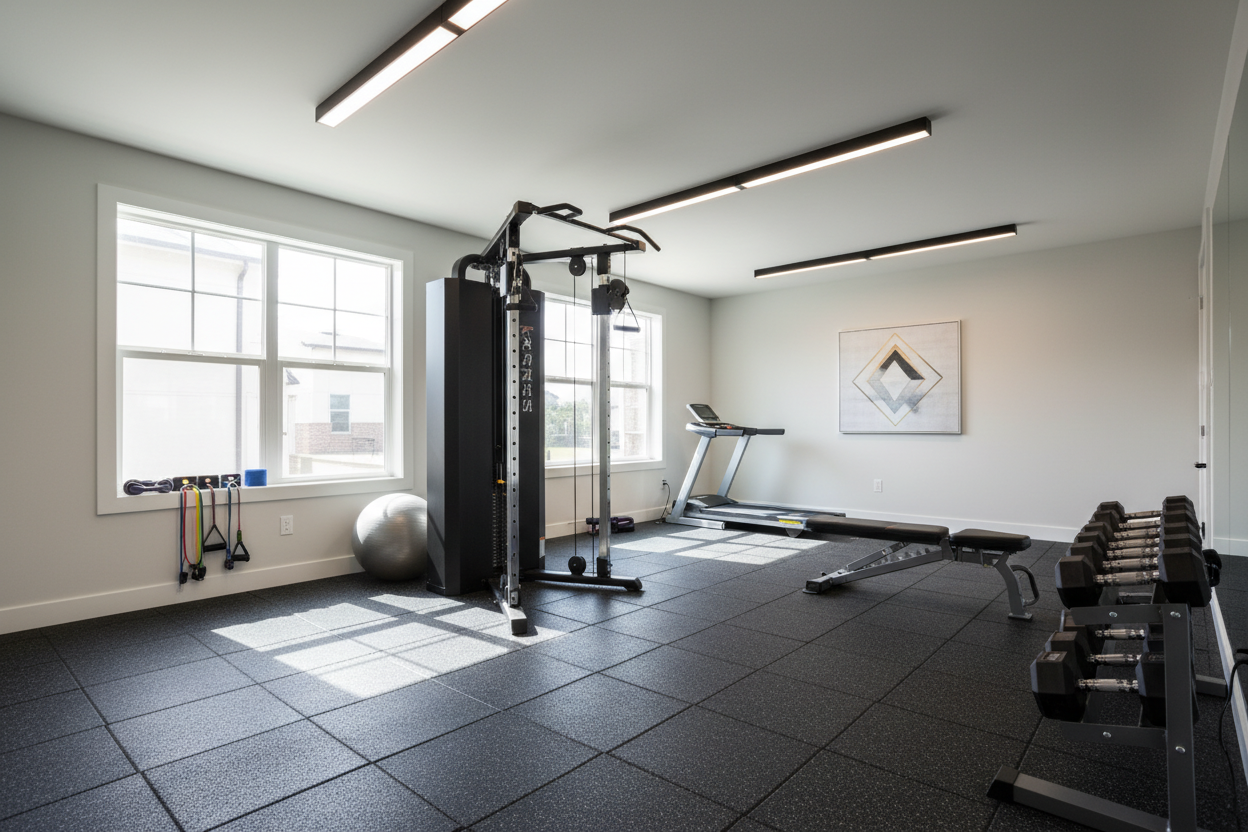
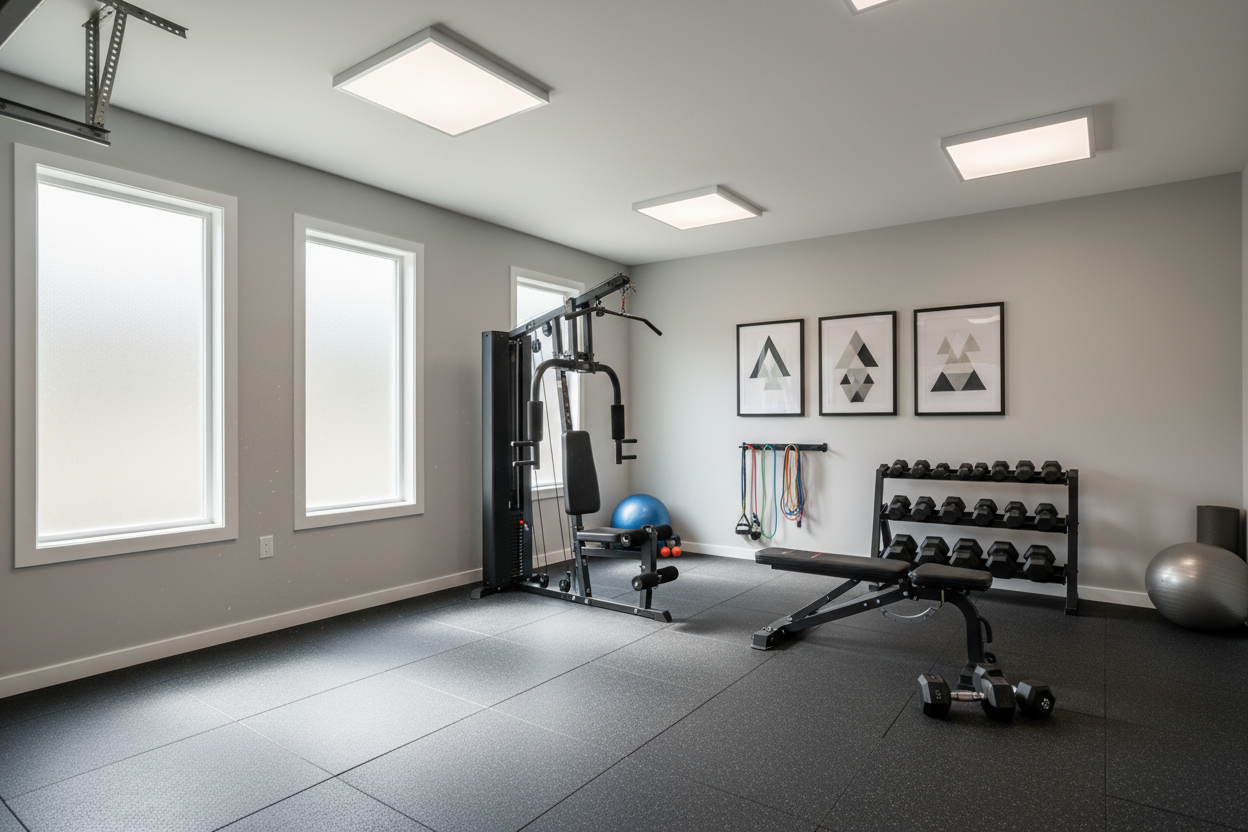
You don't need a 2,000-square-foot facility. You need a few key pieces to run a weight lifting beginner program. A 3-day full-body split is the gold standard here. Day A focuses on a chest press machine, seated rows, and leg presses. Day B handles shoulder press machines, lat pulldowns, and leg curls. Day C mixes in supported dumbbell work like rows and goblet squats.
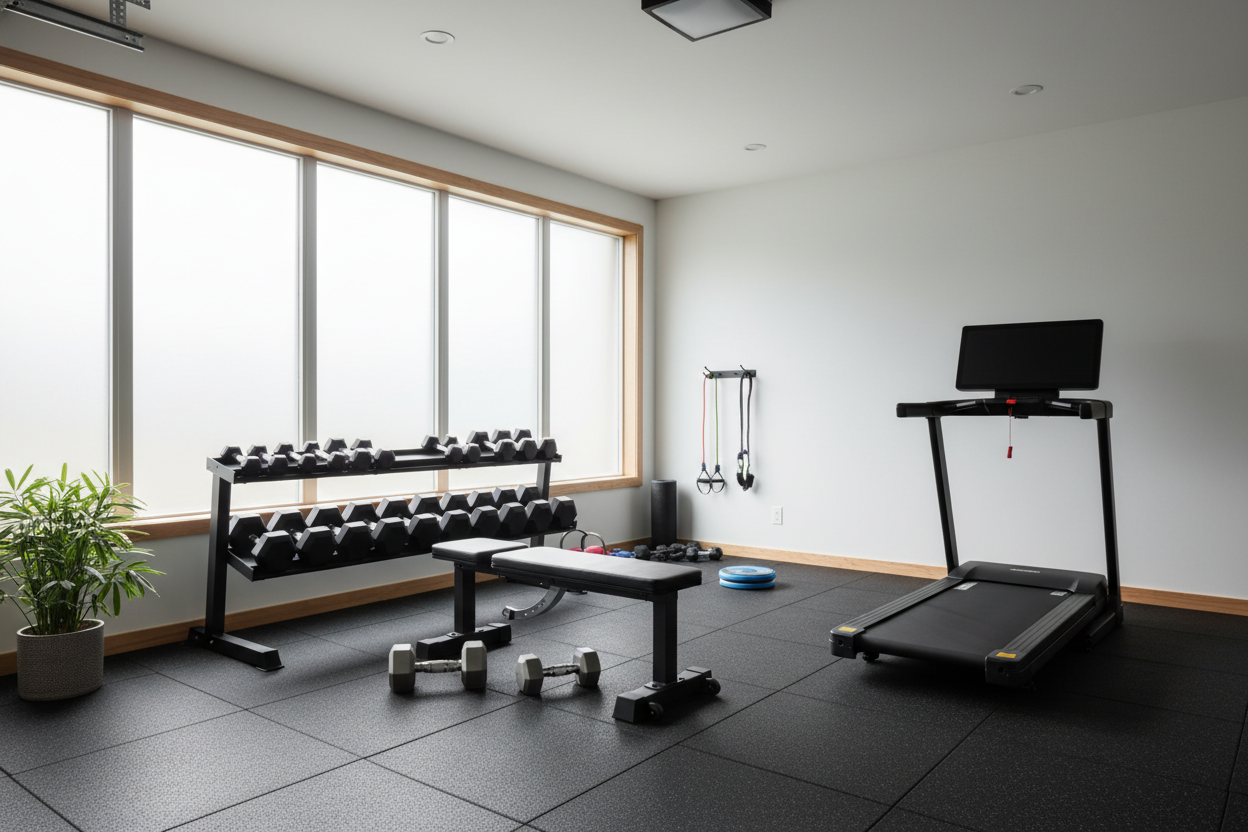
The anchor of this whole setup is a solid adjustable weight bench. If your bench wobbles, your confidence dies. You’ll use the bench for seated overhead presses and supported rows to keep your spine neutral while your limbs do the heavy lifting. I usually recommend a bench with at least a 600-lb capacity so you never have to worry about outgrowing it as you get stronger. This setup fits in a 6x8 ft corner and handles everything you need for the first phase.
How Long Should You Run This Basic Routine?
Most people get 'shiny object syndrome' after two weeks. They see a video of a guy deadlifting 500 pounds and think they need to switch. Don't do it. You should run a basic weight lifting routine for beginners for at least 8 to 12 weeks. This is where the 'newbie gains' happen, and you don't want to interrupt that progress by overcomplicating things.
Consistency beats complexity every single time. If you stick to a basic routine, you give your joints time to catch up to your muscles. Muscles grow fast; connective tissue grows slow. Using machines and benches for the first three months protects your shoulders and knees while you build a base of power. Trust the boring, repetitive process.
How to Know When It's Time to Graduate to a Cage
So, when do you ditch the machines? Look for the physical milestones. If you can max out the stack on the chest press or if you’re comfortably handling 50-pound dumbbells for reps on your bench, your stabilizing muscles are likely ready. You’ve built the 'armor' needed to handle a free-moving bar and you've proven you have the discipline to show up.
When you reach that point, it’s time to upgrade to a power rack. Moving to a cage allows you to start learning the Big Three—squat, bench, and deadlift—with safety arms in place. You’ll find that the strength you built on the machines carries over almost instantly, and you'll be far less likely to get injured than the guy who jumped under a bar on day one without a foundation.
Personal Experience: My First Fail
Early on, I tried to skip the 'beginner' stuff. I bought a cheap barbell set from a big-box store and tried to bench press in my basement. I didn't have a rack; I was just cleaning the weight to my chest and laying down. Predictably, I got stuck. I had to do the 'roll of shame' with 115 pounds across my stomach, which left bruises for a week. If I had just focused on a stable bench and machine movements first, I would have had the strength to actually handle that weight safely.
FAQ
Can I build muscle without a barbell?
Absolutely. Your muscles don't have eyes; they only know tension. Whether that tension comes from a cable, a machine lever, or a barbell doesn't matter for pure muscle growth.
Are machines safer than free weights?
Generally, yes. Machines have built-in stops and fixed paths that prevent the weight from falling on you or forcing your joints into awkward angles if your form slips.
What is the one piece of gear I shouldn't cheap out on?
The bench. A cheap bench feels like a teeter-totter. Get something heavy-duty that stays planted when you're pushing hard. It's the foundation of your entire home gym.