Why Your Home Gym Needs a Stabilizer Kit (And How It Changed My Workouts)
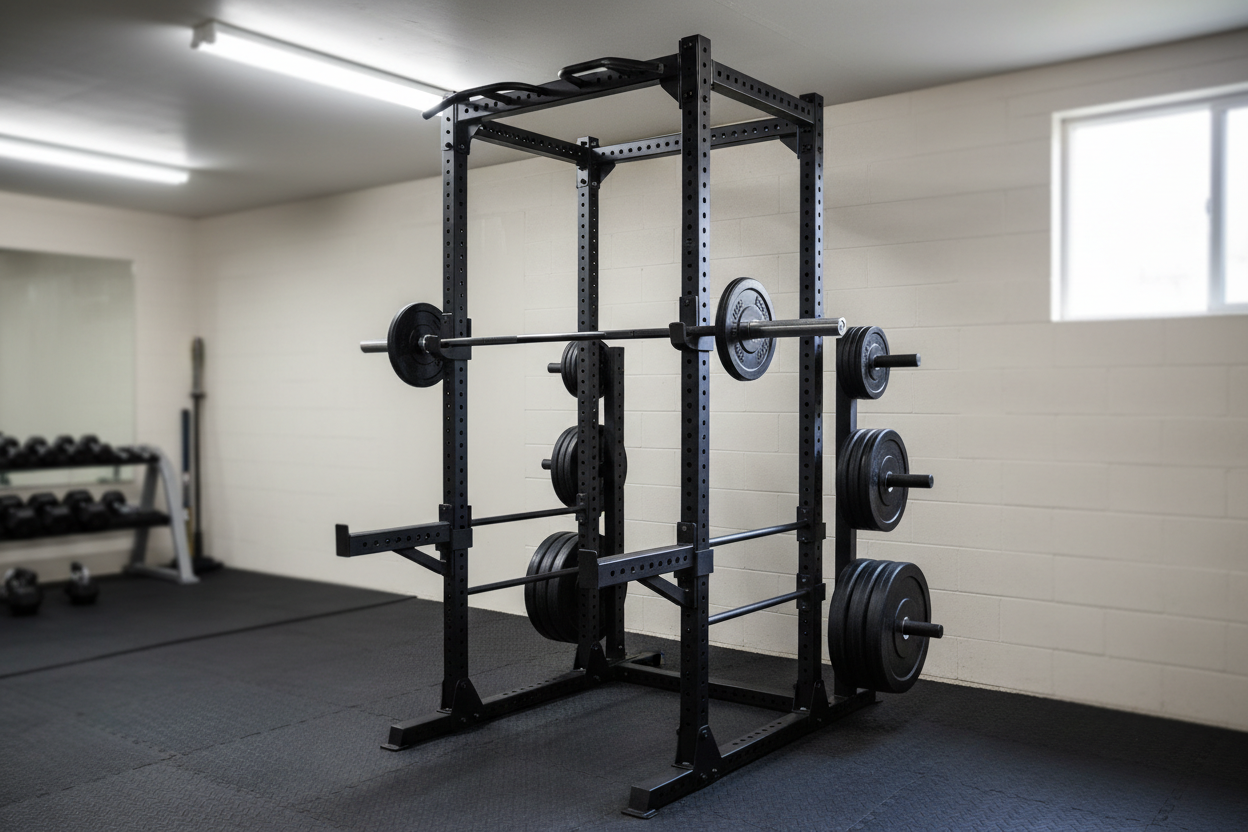
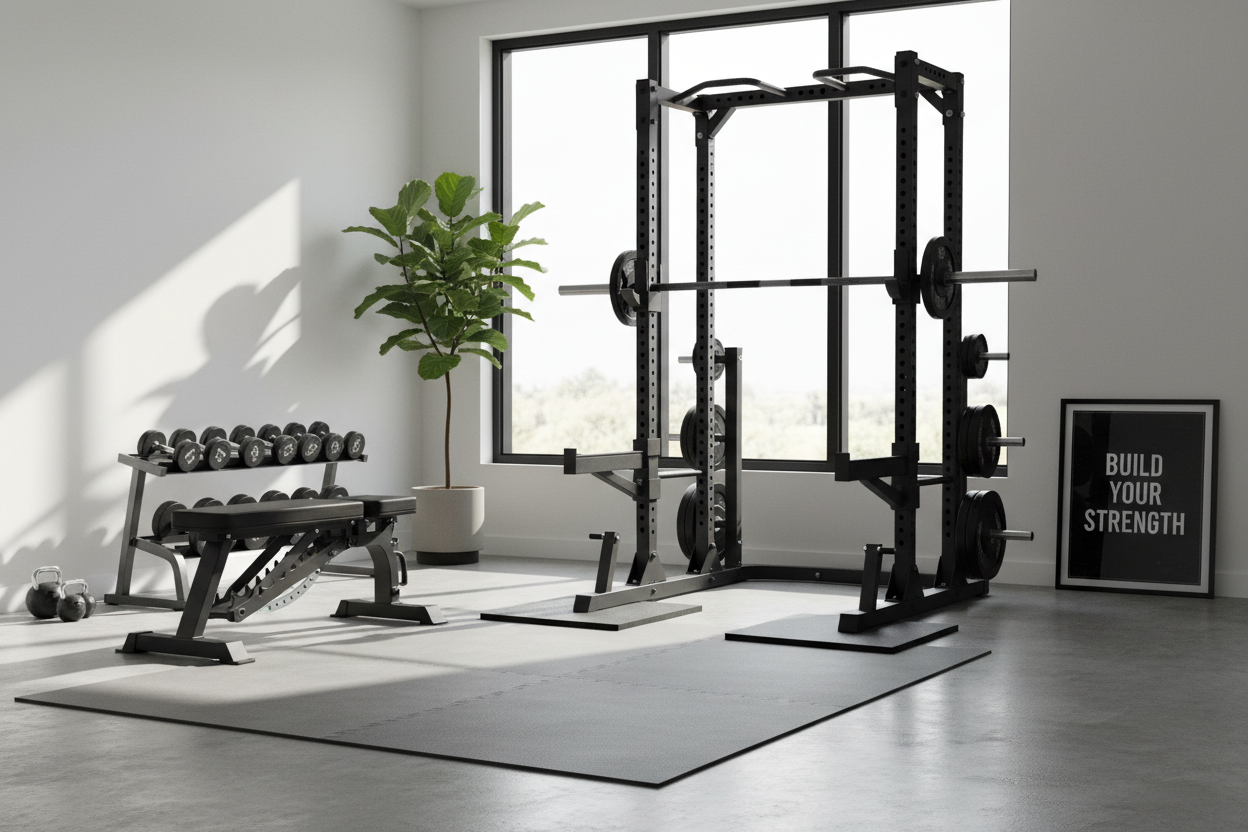
When I first set up my home gym, I was buzzing with excitement. I'd invested in a proper power rack, got my barbell sorted, and was ready to smash some serious lifting sessions. But about three weeks in, during a heavy squat set, I noticed something that made my stomach drop – my entire rack was wobbling. Not massively, but enough to make me question whether I should be loading another plate on the bar. That's when I learned about stabilizer kits, and honestly, it's one of those things I wish someone had told me about from day one.
The Reality of Rack Stability in Home Gyms
Let's talk about something most people don't consider when they're excited about their new equipment: floor surfaces and rack movement. Commercial gyms have specialized flooring and often bolt their equipment directly into concrete. Your garage or spare bedroom? Not so much. Even the sturdiest power rack can shift or rock when you're reracking heavy weights, especially if you're on standard concrete, wood flooring, or gym mats.
I learned this the hard way during a particularly ambitious squat session. The slight movement wasn't just distracting – it was genuinely affecting my confidence under the bar. When you're in the hole of a heavy squat, the last thing you need is uncertainty about whether your equipment is solid. That mental game matters more than people realize.
What Actually Makes a Rack Unstable
Before we dive into solutions, it helps to understand why racks move in the first place. The main culprits are usually uneven floors, the rack's footprint size, and the dynamic forces created during lifting. When you rerack a heavy barbell with any kind of momentum, that energy has to go somewhere. Without proper stabilization, it transfers into movement of the entire rack.
The taller your rack, the more this becomes an issue. It's basic physics – a taller structure with a relatively narrow base creates a longer lever arm. Add in the fact that most home gym floors aren't perfectly level, and you've got a recipe for wobble. This is especially true if you're doing any kind of explosive movements like muscle-ups or even just aggressive reracking after a tough set.
Enter the Squat Rack Stabilizer
A squat rack stabilizer is essentially an extension that increases your rack's footprint, giving it a wider, more stable base. Think of it like widening your stance during a squat – you instantly feel more solid and grounded. The same principle applies to your equipment.
When I first looked into options, I came across the monster rack 2.0 stabilizer kit, which is designed specifically for larger, heavy-duty racks. These kits typically attach to the base of your rack and extend outward, sometimes by a foot or more in each direction. The difference this makes is genuinely remarkable. It's not just about eliminating wobble – though it absolutely does that – it's about the confidence it gives you during your lifts.
Choosing the Right Stabilizer for Your Setup
Not all stabilizer kits are created equal, and matching the right one to your equipment is crucial. The rogue stabilizer options, for instance, are built to integrate seamlessly with their rack systems. If you've got a Rogue rack, going with their specific stabilizer kit means you're getting components designed to work together – same bolt patterns, same finish, same structural integrity.
The rogue monster stabilizer kit is particularly robust, designed for their Monster series racks which are already pretty beefy pieces of kit. I've watched mates install these, and the engineering is impressive. They're not just bolted-on afterthoughts; they're integrated into the rack's structure in a way that genuinely enhances stability without creating new weak points.
For those with Rogue equipment, the rogue rack stabilizer options come in different configurations depending on your specific model. Some extend from the front and back, others offer side-to-side stabilization, and some do both. The key is understanding where your particular setup needs the most support.
Installation and Real-World Impact
I'll be honest – when I finally installed a power rack stabilizer on my setup, I was skeptical about how much difference it would actually make. I'd convinced myself I could just be more careful with reracking. But the first time I loaded up for heavy squats after installation, the difference was night and day.
The installation itself was straightforward. Most quality stabilizer kits come with all the necessary hardware and clear instructions. You're typically looking at about 30-45 minutes of work, depending on your setup. Some require partial disassembly of your rack, while others bolt directly onto existing attachment points.
What surprised me most wasn't just the elimination of wobble during lifts – though that alone was worth it. It was the difference during dynamic movements. Pull-ups felt more solid. Reracking after a failed rep didn't send a shudder through the entire structure. Even just changing weights between sets felt safer and more stable.
Beyond Basic Stability
Here's something I didn't anticipate: a proper stabilizer kit can actually extend the functional use of your rack. With increased stability, you can more safely add attachments like dip bars, landmine posts, or weight storage. Each of these adds weight and changes the rack's center of gravity, but with a stabilizer in place, you've got the foundation to support these additions.
For anyone doing Olympic lifting variations or anything with a significant eccentric component, this stability becomes even more critical. The confidence to really commit to a movement, knowing your equipment isn't going to shift, translates directly into better performance and, crucially, better safety.
Making the Investment Decision
Look, I get it – you've already spent a chunk of money on your rack, and adding another expense can feel like overkill. But here's how I think about it: your rack is the foundation of your entire home gym setup. Compromising on its stability is like building a house on dodgy foundations. You might get away with it for a while, but eventually, it's going to cause problems.
The cost of a quality stabilizer kit is typically a fraction of what you've invested in the rack itself. When you consider that it enhances safety, improves performance, and potentially prevents damage to both your equipment and your floors, it's one of the smartest investments you can make in your home gym.
Since adding proper stabilization to my setup, I've noticed I'm more willing to push myself during lifts. That mental edge – knowing everything is rock solid – has genuinely helped me progress. Whether it's adding another plate to the bar or really committing to a tough set, that confidence matters. Your equipment should support your goals, not create limitations or concerns.
If you're serious about your home gym and you're experiencing any kind of rack movement, or if you're just setting up and want to do it right from the start, a proper stabilizer kit isn't an optional extra – it's an essential component of a safe, functional training space.