Stop Overpaying for Home Gyms: My Honest Take on the BalanceFrom Power Cage
Building a home gym usually forces a difficult choice: spend a fortune on commercial-grade equipment or risk your safety with flimsy budget gear that wobbles every time you rack a barbell. For years, I stuck to a gym membership simply because I didn't trust affordable racks to hold up during a heavy squat session. The market is flooded with cheap steel that bends under pressure, but finding the middle ground is key for anyone trying to lift heavy at home without bankrupting themselves. That search led me directly to the balancefrom multi-function adjustable power cage, a piece of equipment that promises heavy-duty performance at an entry-level price point.
If you are looking for a quick answer on whether this rack can handle a serious lifting routine: Yes, it can. It is not perfect, and the finish isn't what you would find in a high-end powerlifting club, but for the garage athlete, it checks the most critical boxes: stability, safety, and versatility. I have spent the last six months putting this cage through high-volume squat cycles and weighted pull-ups to see if the specs match the reality.
Why I Ditched the Commercial Gym
My transition to a home gym started out of frustration. Waiting twenty minutes for a squat rack at 5:00 PM kills your momentum. I initially bought a cheap, two-piece squat stand. That was a mistake. I remember racking 225 pounds and watching the independent stands shift on the concrete. It was terrifying. I realized immediately that I needed a full cage—four posts, safety bars, and a pull-up bar connecting everything for structural rigidity.
I needed something that included a cable system because I didn't have space for a separate lat tower. Most options with a pulley system were well over a thousand dollars. When I saw the specs for the balancefrom 1000-pound capacity multi-function adjustable power cage, I was skeptical. A weight capacity that high usually comes with a much higher price tag. However, after assembling it and testing the spotter arms with a loaded bar, the sturdiness surprised me. It sits heavy on the floor and doesn't threaten to tip over during pull-ups, which is the primary concern with budget cages.
Assessing Build Quality and Stability
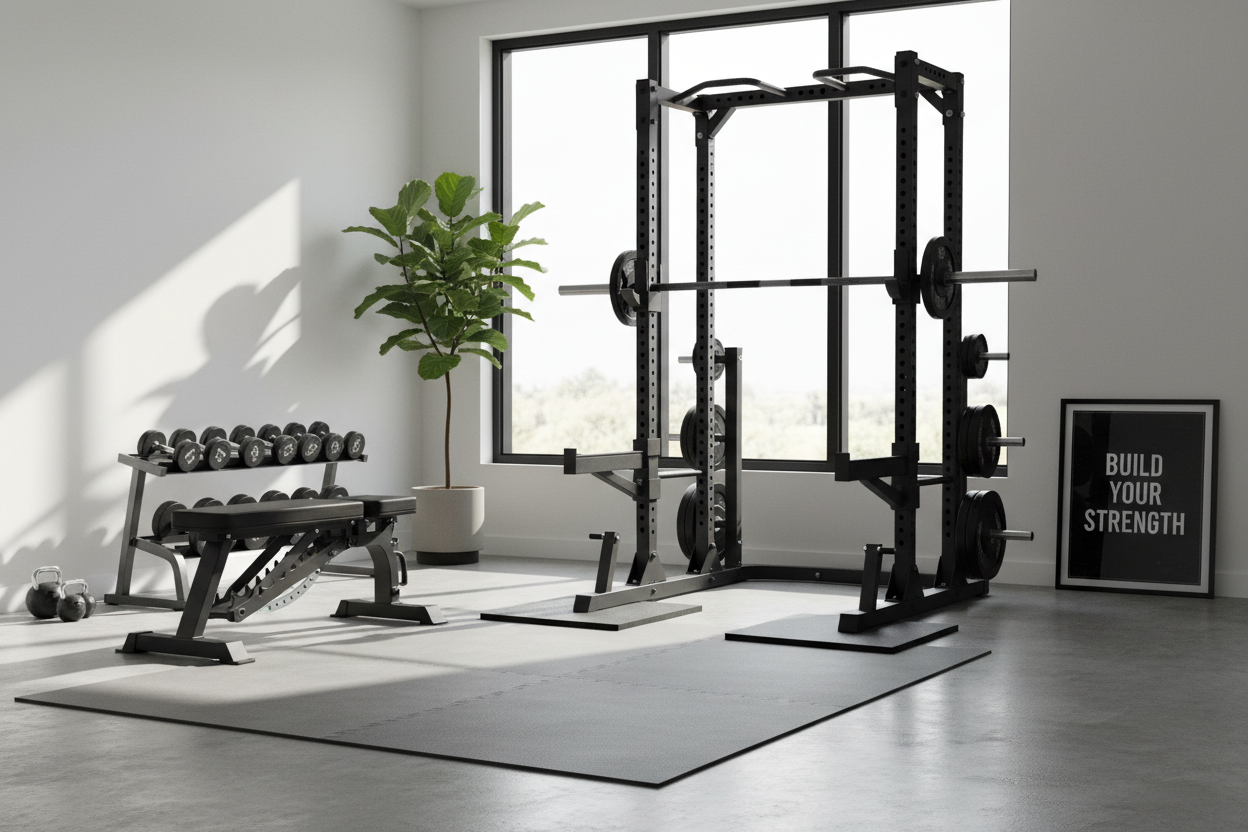
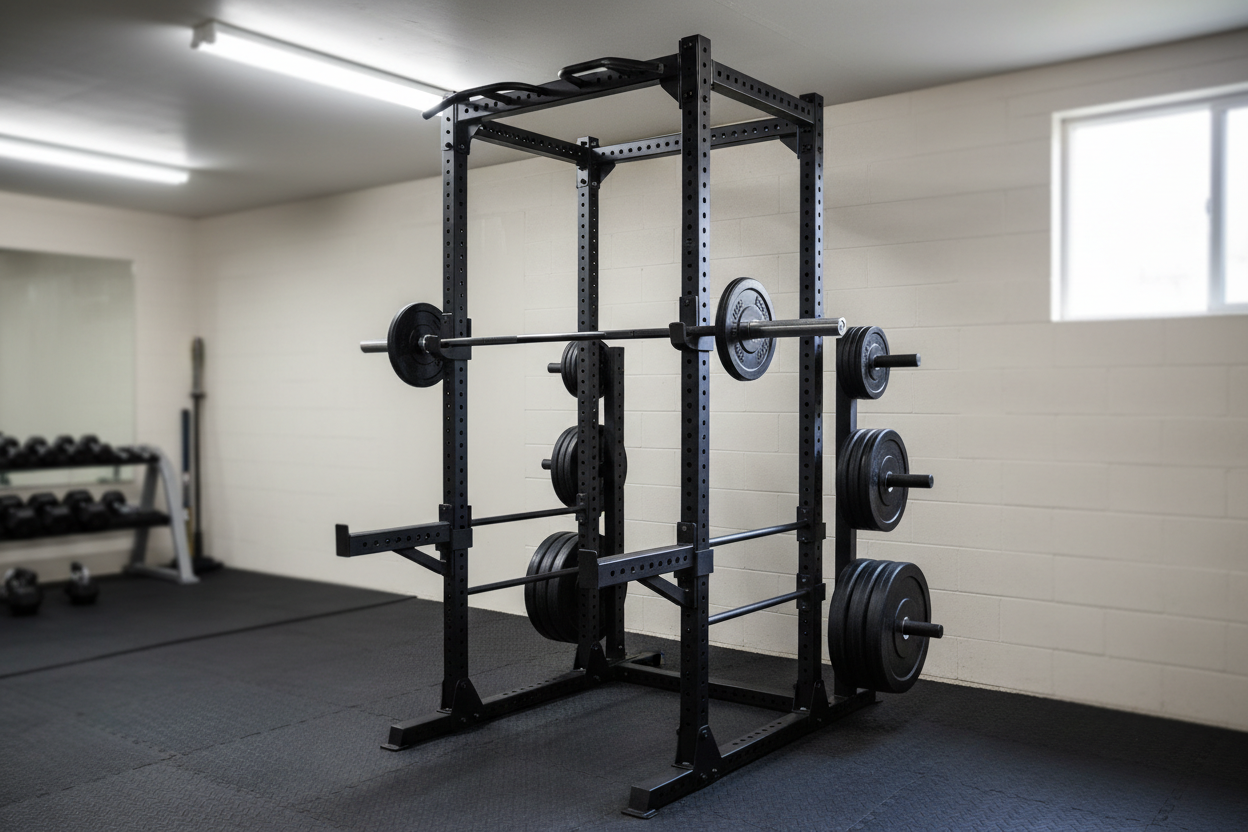
Any honest balancefrom power cage review has to address the steel gauge and the welds. This isn't a Rogue Monster rack, and you shouldn't expect it to be. However, the steel is thick enough for static lifts. The uprights are 2x2 inches, which is standard for home gyms, meaning you can easily find aftermarket attachments if you want to upgrade your J-hooks or add dip bars later.
The 1000-pound capacity claim is significant. While very few of us will ever squat 1000 pounds, that rating indicates the static load the frame can bear without buckling. In practice, I’ve had over 400 pounds on the rack, and it felt solid. The safety spotter arms are long enough to catch the bar if you fail a rep, which is the single most important feature for anyone lifting alone. I dropped a failed bench press rep onto the safeties last month—loud, jarring, but the rack didn't budge, and I crawled out unscathed.
The Cable System: A Real Multi-Function Gym?
The "multi-function" aspect of the balancefrom multi-function adjustable power cage refers largely to the integrated lat pulldown and low row cable system. On budget racks, this is usually the weak link. The carriage often drags or gets stuck.
Out of the box, the movement on the cable system was a little gritty. However, this is easily fixed. I applied a generous amount of silicone lubricant to the guide rails, and the difference was night and day. It’s now smooth enough for tricep pushdowns, lat pulldowns, and seated rows. The plate holders for the pulley system accommodate standard 1-inch plates, but they usually come with Olympic 2-inch adapters. This versatility is great because it means you don't have to buy special weights just for the cable machine; you just use the same plates you use for your barbell.
Assembly: The True Test of Patience
You need to know what you are getting into regarding assembly. This arrives in multiple heavy boxes. Do not rely on the little disposable wrench included in the hardware pack. You will be there for three days. Grab a socket set and a ratchet wrench. With the proper tools, I managed to get the structure up in about two hours.
A tip from my experience: do not fully tighten the bolts until the entire frame is standing and level. If you tighten the base bolts immediately, the top holes might not align perfectly for the pull-up bar. Get everything loosely connected, ensure the cage is sitting flat on your floor or mats, and then torque everything down. This ensures the balancefrom 1000-pound capacity multi-function adjustable power cage sits square and doesn't rock.
Performance in Daily Training
Training inside the cage feels spacious. Some budget racks are too narrow, making you worry about hitting the uprights when you walk the bar out for a squat. This unit gives you enough width to move comfortably but isn't so wide that racking the bar becomes a stretching act. The pull-up bar has multiple grip positions, which is a nice touch for hitting different back muscles, though the knurling on the pull-up bar is quite aggressive. You might want to wear gloves or tape it if you have sensitive hands.
The J-hooks provided are functional, but they are basic steel. They lack a protective plastic lining, which means they will scratch up the knurling on your barbell over time. I solved this by buying a cheap roll of UHMW tape and lining the hooks myself, or you can simply buy upgraded J-hooks with rubber inserts. It’s a small modification that protects your barbell investment.
Is It Worth the Investment?
If you are a competitive powerlifter moving 700 pounds daily, you might want to look at a 3x3 commercial rack. But for 95% of home gym owners—bodybuilders, garage athletes, and general fitness enthusiasts—this cage is a steal. It provides a safe environment to push your limits without a spotter.
The BalanceFrom cage bridges the gap between flimsy equipment and professional gear. It handles heavy loads, offers cable versatility, and provides the safety features necessary for solo training. It turned my garage from a storage space into a legitimate training facility where I can make real progress.
Frequently Asked Questions
Does the cage need to be bolted to the floor?
While the cage is stable due to its weight and wide base, bolting it down is always the safest option, especially if you plan on doing kipping pull-ups or using heavy resistance bands attached to the top. However, for standard static lifts like squats and bench presses, most users find it stable enough simply resting on rubber gym mats.
Can I use a 6-foot barbell with this power cage?
Generally, no. Power cages are designed for standard 7-foot Olympic barbells. A 6-foot bar typically has a shorter shaft (the distance between the sleeves), which means the weighted sleeves might hit the uprights before you can rack the bar properly. Stick to a standard 7-foot bar to ensure it fits safely across the J-hooks.
What is the maximum height of the pull-up bar?
The cage stands roughly 85 to 90 inches tall depending on the specific model iteration. You should measure your ceiling height before purchasing, ensuring you have at least a few inches of clearance above the rack so you can actually get your head over the bar during pull-ups without hitting the ceiling.