Why Your Hip Extension Machine for Glutes Is Wrecking Your Lower Back
I remember the first time I hopped on a dedicated glute machine at a commercial gym. I thought I was moving the whole stack like a pro, but my lower back felt like it was being crushed by a hydraulic press the next morning. If your hip extension machine for glutes is giving you more of a lumbar pump than a booty burn, you are doing it wrong.
We have all seen the Instagram influencers arching their backs until they look like a human pretzel. It looks impressive for the 'gram, but it is biomechanical suicide. You are likely chasing a range of motion that your hips do not actually have, and your spine is paying the bill.
- Stop Arching: If your lower back is curving, your glutes are turning off.
- Pad Placement: The hinge point should be at your hip crease, not your stomach.
- Core Tension: Treat the movement like a plank, not a rhythmic swing.
- Foot Position: A slight external rotation usually helps with better gluteal recruitment.
The 'Dump Truck' Illusion: Why Your Spine Takes Over
The human hip only has about 10 to 15 degrees of true hyperextension. Anything beyond that is almost certainly coming from your lumbar spine. When you see someone on a glute hip extension machine kicking their leg into the ceiling, they are not getting a better glute workout; they are just shearing their vertebrae.
This 'dump truck' illusion happens because we are obsessed with range of motion. We think 'higher is better.' In reality, once your thigh passes the plane of your torso, the gluteus maximus has already reached its peak contraction. Pushing further forces the pelvis to tilt forward, which yanks on the lower back muscles.
I have coached lifters who complained of chronic back pain for years, only to find out their 'glute days' were actually 'lower back destruction days.' You need to learn the difference between a muscle shortening and a joint collapsing. If you feel a 'pump' in the muscles right above your belt line, you have failed the movement. The goal is to isolate the posterior chain, not turn your erectors into a secondary prime mover.
How to Set Up a Glute Hip Extension Machine Without Looking Like a Rookie
Setup is 90% of the battle. Most people walk up to a machine, leave the pads where the last person had them, and wonder why it feels clunky. First, adjust the pelvic pad. It needs to sit right at your hip crease. If it is too high, you cannot hinge; if it is too low, you lose stability and start to wobble.
Next, look at your feet. If the machine has a platform, place your feet shoulder-width apart. I personally prefer a slight 'duck foot' stance—toes out about 15 degrees. This aligns the femur with the muscle fibers of the glute max. Before you even touch the weight stack, brace your midsection. This setup logic isn't just for this one piece of kit; it’s the foundation for any definitive guide to hip machine exercises.
The first inch of the movement is the most important. Instead of thinking about 'lifting the weight,' think about 'pushing your hips into the pad.' This internal cue shifts the focus from your feet to your glutes. If you start the rep by swinging your leg, momentum takes over, and the weight stack becomes a pendulum rather than a resistance tool. Keep the tempo slow—two seconds up, a hard squeeze at the top, and three seconds down.
The Magic of the Pelvic Tuck (And Why Arching Is Your Enemy)
To truly kill the lower back involvement, you need to master the posterior pelvic tilt. Think of it like tucking your tailbone between your legs. When you do this, you automatically shorten the distance between your ribcage and your pelvis, which 'locks' your spine in place.
Try this: tuck your chin to your chest while you perform the extension. It sounds weird, but the body follows the head. A tucked chin makes it physically harder to arch your lower back. You will find that your range of motion decreases significantly, but the intensity in your glutes will double. You are forcing the gluteus maximus to do the heavy lifting during the kickback phase instead of letting the spinal erectors cheat the weight up.
Free Weights vs. Cables vs. Dedicated Machines
I love a heavy barbell hip thrust, but it is a pain to set up. Cables are great for constant tension, but they lack stability. This is where a dedicated machine shines. Because the path of motion is fixed, you do not have to worry about your leg drifting out to the side or losing your balance. You can focus 100% of your mental energy on the mind-muscle connection.
While a dedicated leg machine offers a stability you just can't get with a barbell, it comes at a cost. Machines have a fixed resistance curve. Most of them are hardest at the very top of the movement. This is great for peak contraction, but it can be jarring if you are not prepared for it. Cables, by contrast, offer a more uniform feel throughout the rep.
If you are training for pure hypertrophy, the machine wins because you can go to absolute failure without the risk of a barbell crushing your pelvis or a cable snapping and sending you flying. The stability allows you to grind out those last three 'ugly' reps that actually trigger growth.
Does This Thing Actually Belong in a Home Gym?
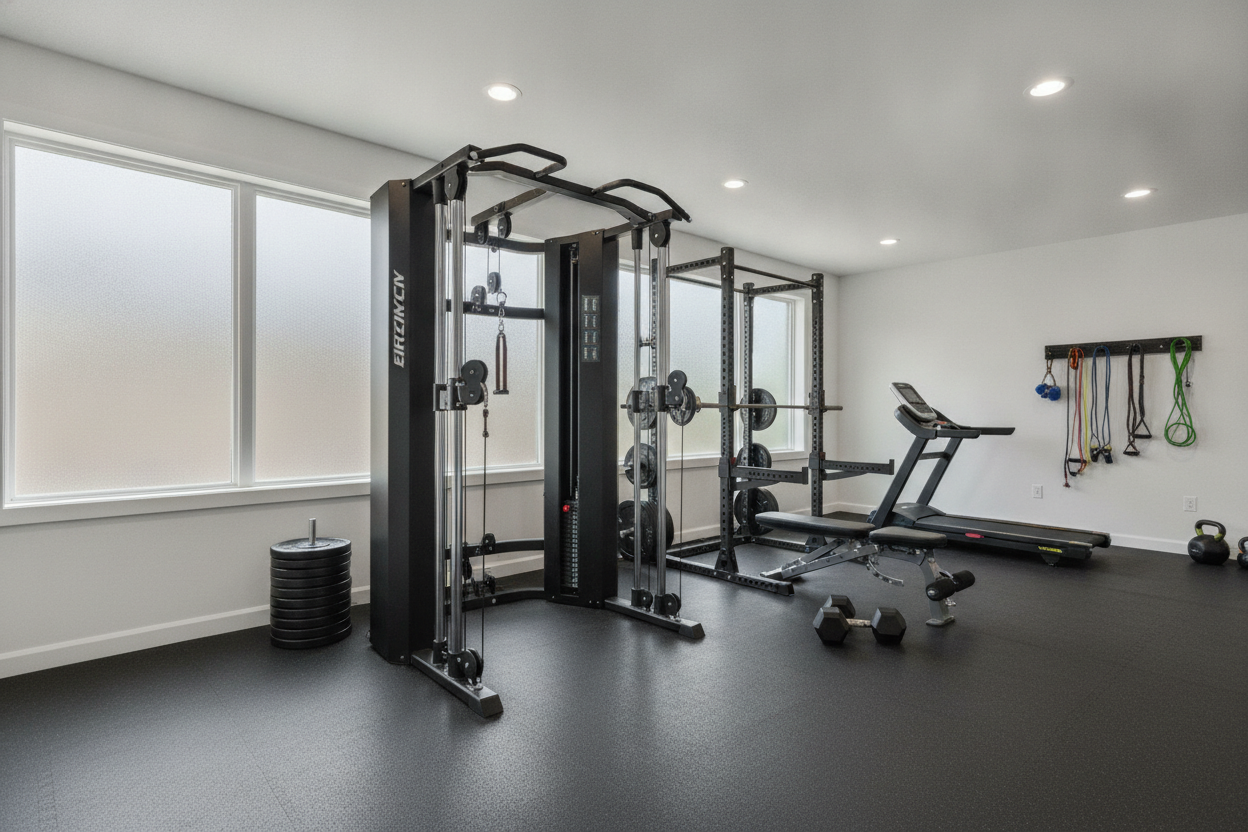
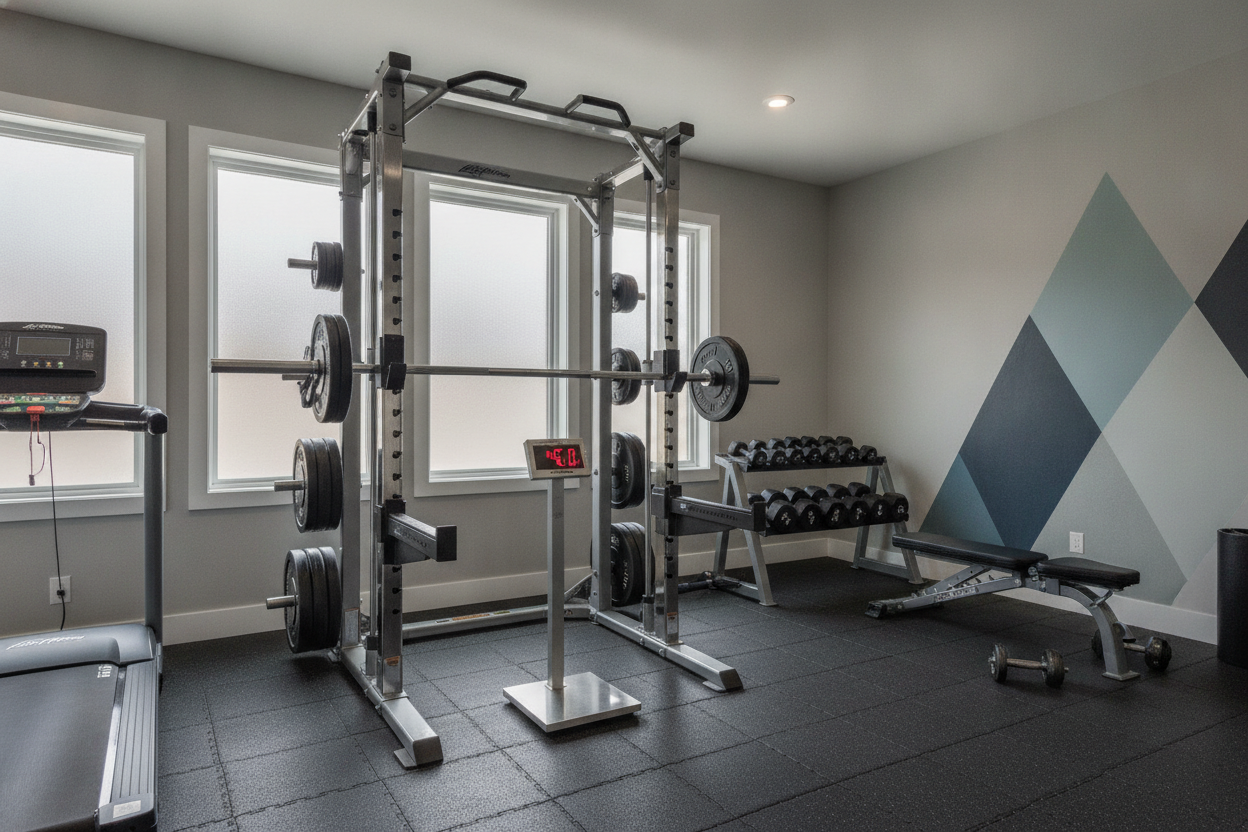
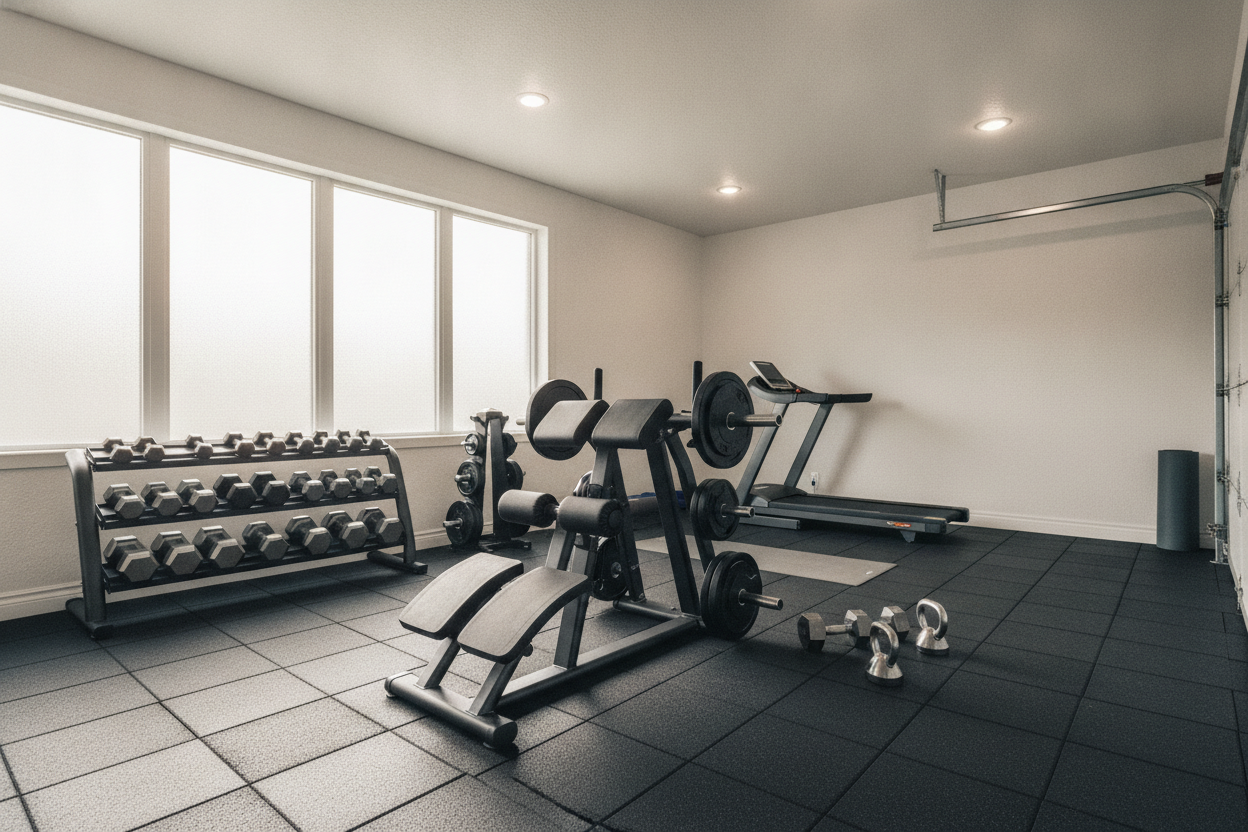
Here is the cold truth: most glute machines are space hogs. We are talking about a 4x5 foot footprint for a machine that does exactly one thing. If you are working in a tight garage gym, this is a luxury item. I usually tell people to stick to a good functional trainer or a power rack with a landmine attachment before buying a specialized glute unit.
However, if you have the space and the budget, it is a luxury that pays off. You should also consider the truth about hip abductor machines before committing your precious floor space to a single-purpose unit. Often, people buy these thinking they will get 'Brazilian butt lift' results overnight, but they end up using them as a clothes rack because they are bored of the single movement.
For a home gym, look for plate-loaded versions. They are usually $500 to $800 cheaper than selectorized (pin-loaded) stacks and take up slightly less vertical space. Just make sure the frame is made of at least 11-gauge steel. If the machine shakes when you load two 45-pound plates on it, send it back. You need something that feels like a tank if you are going to be putting your full body weight into it.
Personal Experience: My $800 Mistake
I once bought a used commercial kickback machine for my garage. It was massive, heavy, and looked cool. After three months, I realized I was getting better glute activation using a simple $20 ankle strap on my cable crossover. The machine's pivot point was slightly off for my height, and it forced me into a weird lower back arch I couldn't fix. I eventually sold it for half what I paid. The lesson? More expensive equipment doesn't fix bad mechanics.
FAQ
Why do I feel this in my hamstrings instead of my glutes?
Your legs are likely too straight. Keep a slight bend in the knee of the working leg to 'deactivate' the hamstrings and force the glutes to take over the hip extension.
Is it better to use one leg at a time?
Yes. Unilateral (one-legged) training prevents your stronger side from compensating for the weaker one and allows for a deeper mind-muscle connection.
How heavy should I go?
Stop chasing the ego lift. If you can't hold the squeeze at the top for a full second without your back arching, the weight is too heavy. Moderate weight for 12-15 reps is the sweet spot for glute growth.